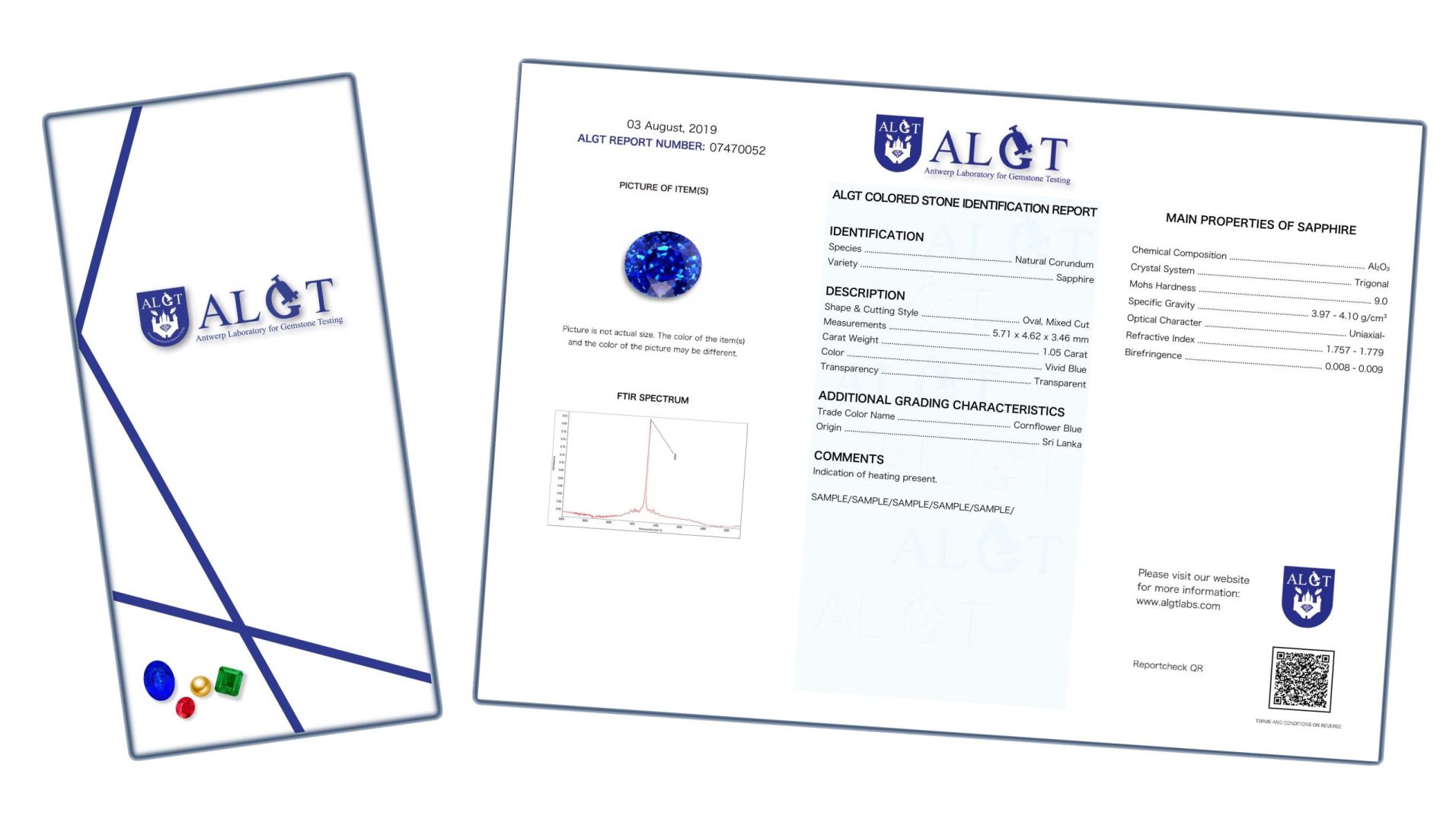
Understanding the origin certification of colored gemstones delves into the heart of gemology and consumer confidence in 2025. This specialized certification is not merely about confirming a gem’s authenticity but rigorously tracing its geographical source through advanced scientific testing. Given the rising value and rarity of colored gemstones such as sapphires, rubies, emeralds, and Paraíba tourmalines, knowing their precise origin adds immeasurable worth and trust for investors, collectors, and jewelers alike. The provenance helps to distinguish ethically sourced stones from mined gems entangled in dubious practices, thereby reinforcing sustainable and responsible trade practices.
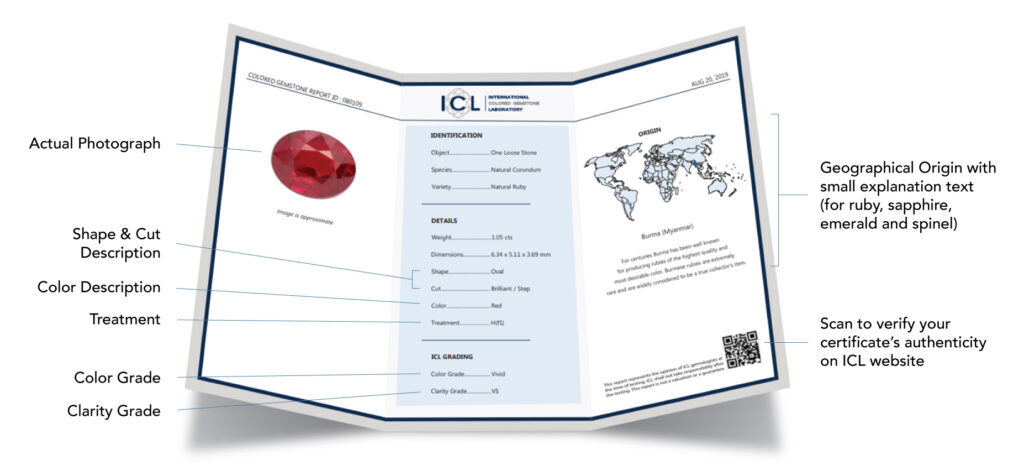
Origin certification acts as a gem’s unique biography, revealing where its journey began beneath the earth’s surface—whether in Colombia’s famed Muzo mines, Myanmar’s storied ruby deposits, or the diverse deposits vetted by laboratories like Gübelin Gem Lab and Gemfields. In turn, these certificates foster transparency across a market often susceptible to misrepresentation. As technologies evolve, premier institutions including the GIA (Gemological Institute of America), GRS (GemResearch Swisslab), and SSEF (Swiss Gemmological Institute) employ state-of-the-art analytical techniques that provide definitive origin assessments, aligning with the heightened expectations of 2025’s gem buyers and sellers.
With this knowledge, consumers can approach gemstone acquisitions with informed confidence, significantly mitigating risks associated with undisclosed treatments or questionable origins. The essential role played by origin certifications firmly establishes itself not just as proof of authenticity, but as an indispensable pillar in valuing and preserving the natural heritage of colored gemstones globally.
In brief:
- Origin certification pinpoints the geographic source of colored gemstones through precise scientific analysis.
- Certified provenance increases a gemstone’s value and assures ethical sourcing.
- Leading gem labs like GIA, Gübelin Gem Lab, and GRS utilize advanced technologies for accurate origin determination.
- Consumers benefit from enhanced transparency, reducing the risks of counterfeit or treated stones.
- Origin certificates form a crucial component of a gemstone’s lifelong identity and market recognition.
How origin certification enhances trust in colored gemstone investment
When investing in colored gemstones, the question of “where does this gem come from?” resonates profoundly. The significance of origin certification transcends mere geographic interest—it directly impacts valuation and collector desirability. Origin-certified stones from legendary mining regions such as Muzo’s emerald veins or Myanmar’s ruby deposits consistently command premium prices owing to their verified provenance.
Experts from Richard Hughes Ruby & Sapphire and laboratories like the Gübelin Gem Lab illustrate that precise origin determination involves comprehensive analytical techniques including trace element fingerprinting and spectroscopic evaluations. These processes distinguish subtle geochemical markers that align a gemstone with its authentic source.
Without such certification, buyers face increased vulnerability to misrepresented gems—synthetics or treated stones masquerading as natural or rare varieties. Consequently, origin certification has advanced beyond a luxury into a necessity for ensuring financial security and preserving the integrity of colored gemstone markets worldwide.
The scientific methods behind origin certification
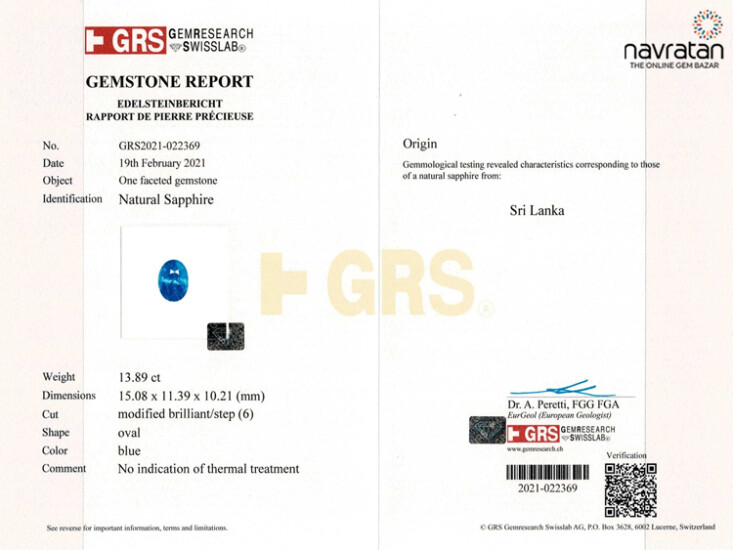
Origin certification relies on a fusion of advanced laboratory technologies and expert gemological judgment. Laboratories such as GRS (GemResearch Swisslab) and Lotus Gemology specialize in geochemical analysis, detecting minute trace elements, isotopic compositions, and inclusion patterns unique to specific mining locales.
For instance, laser ablation inductively coupled plasma mass spectrometry (LA-ICP-MS) enables identification of trace elements within a sapphire, creating a geochemical ‘fingerprint’ that matches with known origins like Kashmir or Montana. Similarly, microscopic evaluation reveals characteristic inclusions—such as rutile needles in Sri Lankan sapphires or particular growth patterns in Burmese rubies—that further corroborate the gem’s provenance.
These scientific tools are complemented by databases curated by institutions such as the SSEF (Swiss Gemmological Institute) and GIA, which house extensive origin-related sample collections. The combination of high-tech analytics and expert comparison ensures that origin certification remains a gold standard for colored gemstone authentication.
Comparing prestigious origin certification labs for colored gems
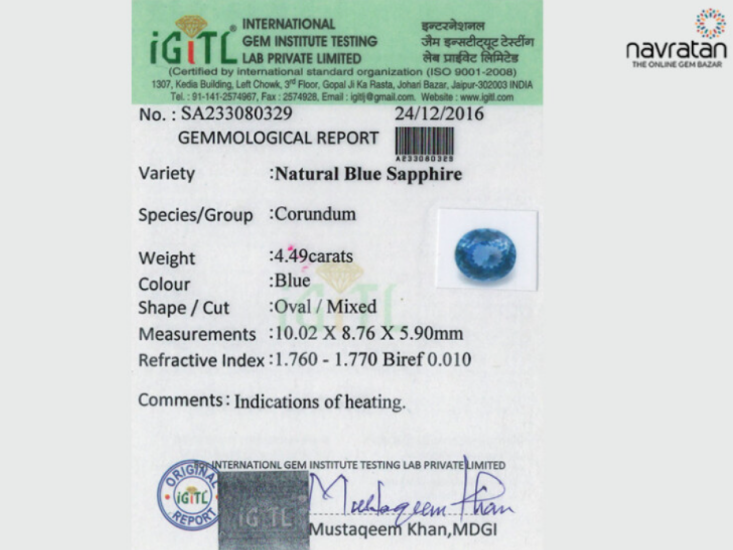
In 2025, the gemstone market places considerable weight on the reliability and reputation of certification labs. Among the foremost authorities are the GIA (Gemological Institute of America), Gübelin Gem Lab, GRS (GemResearch Swisslab), and the IGI (International Gemological Institute). Despite shared goals of transparency and scientific rigor, each lab brings specialized expertise and investigative methodologies tailored to origin determination.
GIA remains the benchmark in diamond and colored stone certification, renowned for its strict grading standards and comprehensive reports that include origin details when feasible. Gübelin Gem Lab specializes in provenance and is trusted by auction houses and collectors for pinpointing geographic sources with a keen attention to detail. The GRS laboratory excels in detecting treatments alongside origin, providing unparalleled confidence for rubies and sapphires. Meanwhile, IGI offers wide international accessibility with detailed origin analysis as part of its service portfolio.
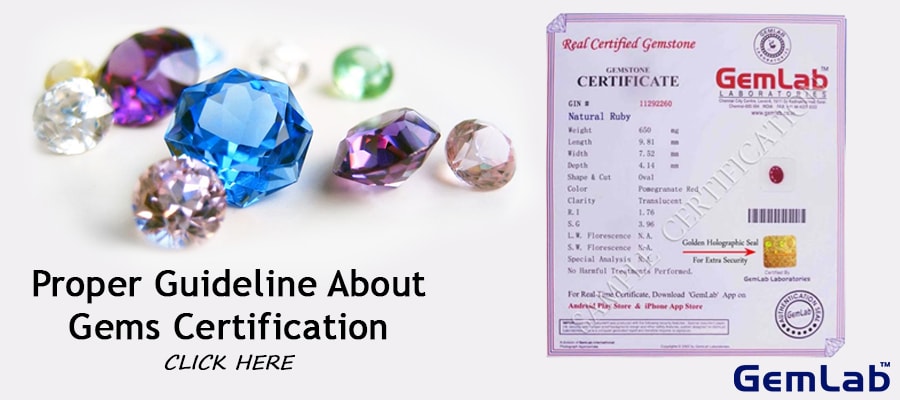
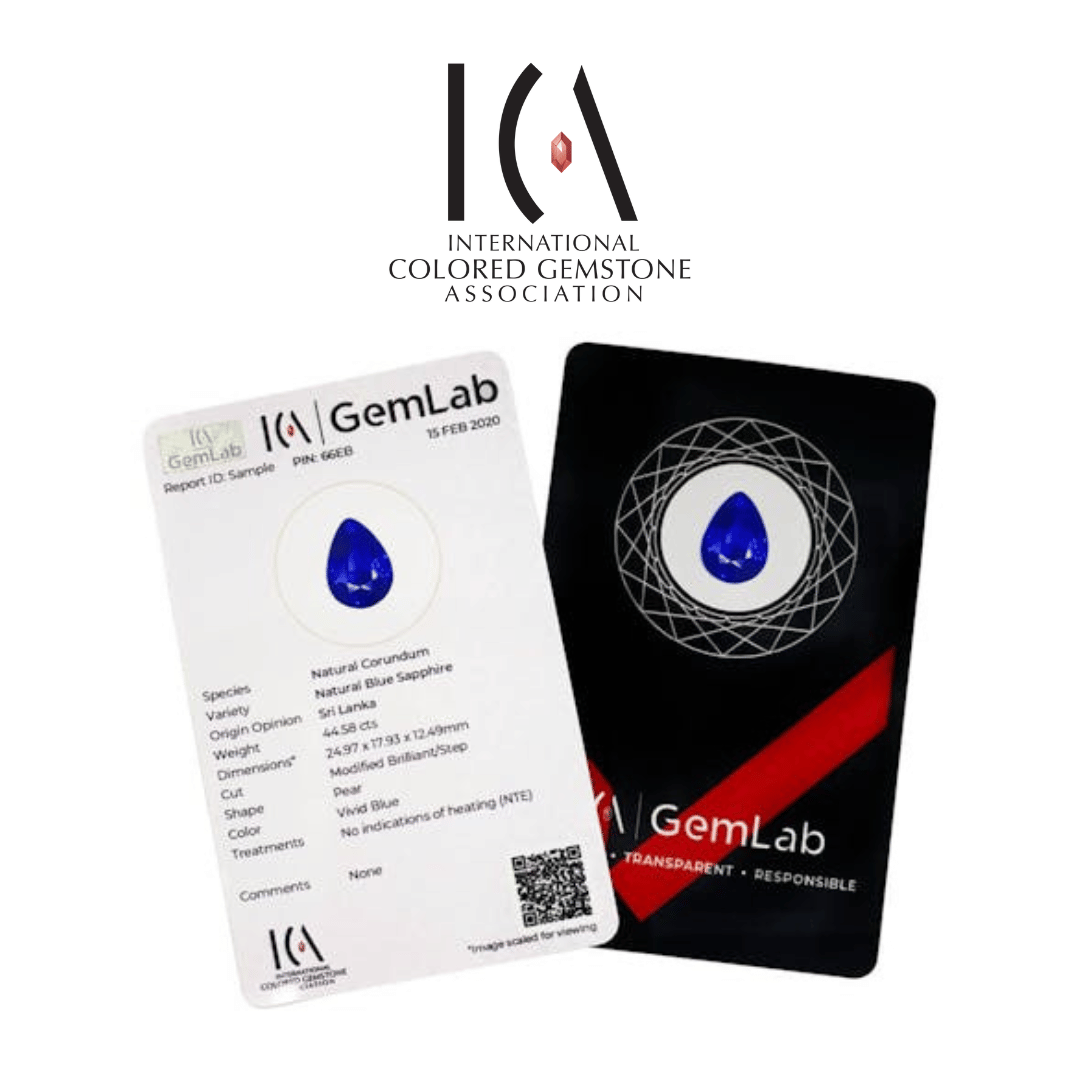
Each certification provider incorporates stringent security features to combat forgery—holograms, unique serial numbers, and digital verification methods—that assure clients of certificate authenticity throughout the gem’s life cycle. This variety empowers buyers to select certifications that best align with their market goals and economic considerations, enhancing overall confidence in gemstone transactions.
Why origin certification is indispensable for colored gemstone buyers and sellers
Origin certification delivers a decisive advantage in the marketplace by offering detailed insight into a gemstone’s background, quality, and ethical standing. As gemstone consumers increasingly demand provenance transparency, origin-verified certificates also protect dealers against reputational risks and enable them to command higher prices.
For example, mining operations certified by Gemfields are lauded for ethical practices, and gemstones sourced there benefit from added value and consumer trust due to the transparent chain of custody. Exporters and retailers backing their colored stones with certificates from top labs such as GIA and IGI secure a competitive edge by assuring buyers of both authenticity and origin.
Buyers leveraging origin certification can also better assess the impact of treatments disclosed on certificates—such as heating or filling—on both aesthetic quality and long-term durability. This comprehensive assurance fosters informed purchasing decisions, promoting a thriving and transparent colored gemstone ecosystem.