In the dynamic world of gemstones, acquisition is only the starting point. As the gem market evolves, so too does the importance of maintaining up-to-date and reliable certifications that verify authenticity, quality, and value. With increasing sophistication in gemstone treatments, enhancements, and provenance challenges, re-certification emerges as a pivotal strategy for owners, sellers, and investors. Understanding when and why to pursue a certification upgrade can be the difference between safeguarding your asset’s integrity or facing uncertain valuation and trust deficits in transactions.
En bref :
– Gemstone certification safeguards authenticity and market value in a fluctuating industry.
– Re-certification is crucial when gemstones undergo treatments, damage, or when market standards evolve.
– Leading labs like GIA, IGI, AGS, HRD Antwerp, and Gübelin Gem Lab offer recognized certification upgrades.
– Certification supports legal protection, insurance claims, and resale confidence.
– Understanding lab differences and certification scopes helps maximize your gemstone’s potential.
Why gemstone certification upgrades are essential in 2025
Effective gemstone certification is more than a one-time verification—it is a continually evolving process essential to sustaining the trust, value, and marketability of precious stones. Since gemstones may undergo additional treatments such as heating, fracture filling, or irradiation after their initial certification, these enhancements can materially influence their worth and appearance. Without corresponding updates in their certificates, holders risk misinformation and possible disputes.
Moreover, the gemstone market’s increasing emphasis on provenance—especially with trusted laboratories like the GIA and Gübelin Gem Lab leading origin verification—means that older certificates might not reflect current knowledge or discoveries about geographic sourcing. This evolution in certification ensures that your gemstone’s documentation remains an effective passport for secure trade and insurance purposes.
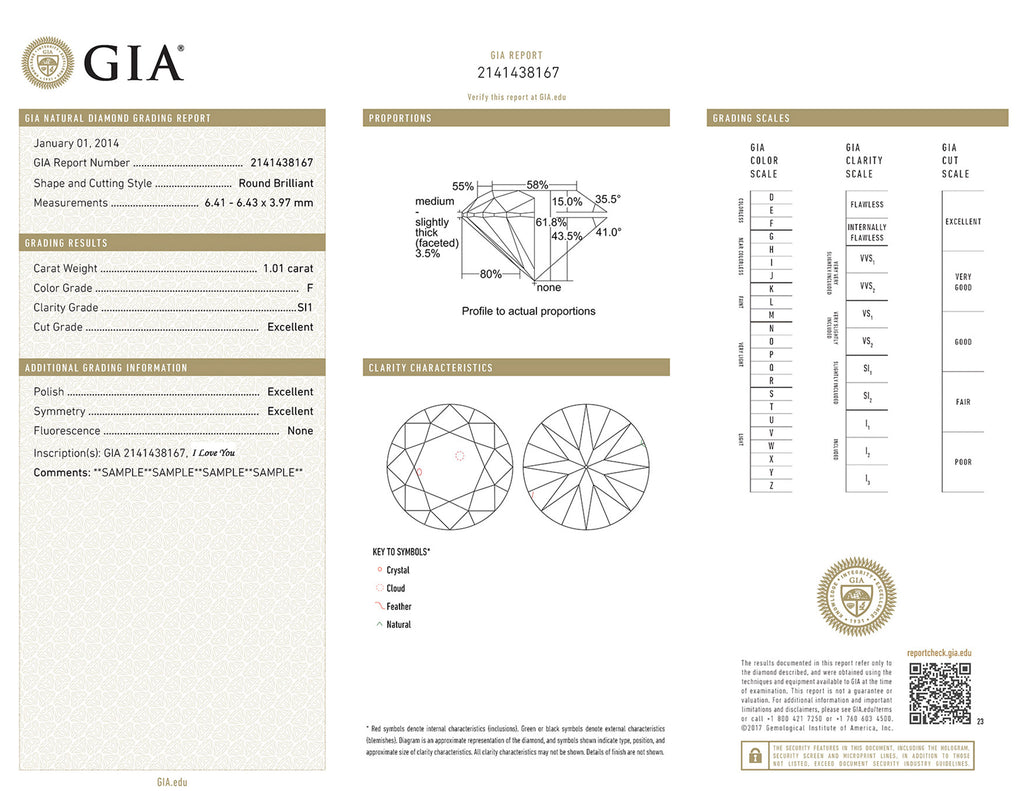
When should you consider re-certifying your gemstone?
Re-certification is not merely a formality but a strategic imperative triggered by several key scenarios. Firstly, if your gemstone has suffered physical damage or has been subjected to restoration work, obtaining a fresh certificate is invaluable to document current condition and authenticity accurately. Additionally, if you decide to sell or insure the gemstone, many insurers and buyers insist on updated certification from recognized institutions such as IGI, AGS, or HRD Antwerp.
Technological advances, such as those by Sarine in optical scanning and grading, have also elevated certification standards, making older certificates less comprehensive. Regular updates every few years, especially for valuable or heavily traded gems, can shield owners from market fluctuations or questions of authenticity that may arise due to industry innovations or regulatory changes.
How certification upgrades enhance gemstone value and security
Upgraded certification from authoritative labs offers multi-dimensional benefits. Certifications from prestigious entities like Gemological Science International or GemCertify not only reaffirm the gemstone’s characteristics but also incorporate advanced analyses such as fluorescence, origin verification, and treatment detection that may not have been available during the original assessment. This enriched data enhances buyer confidence and supports premium pricing.
In parallel, re-certification provides critical backing for insurance claims and legal disputes by supplying concrete, current evidence of the gemstone’s state and provenance. Entities such as Jewelers Mutual often mandate up-to-date certificates to avoid undervaluation or fraud, safeguarding your investment.
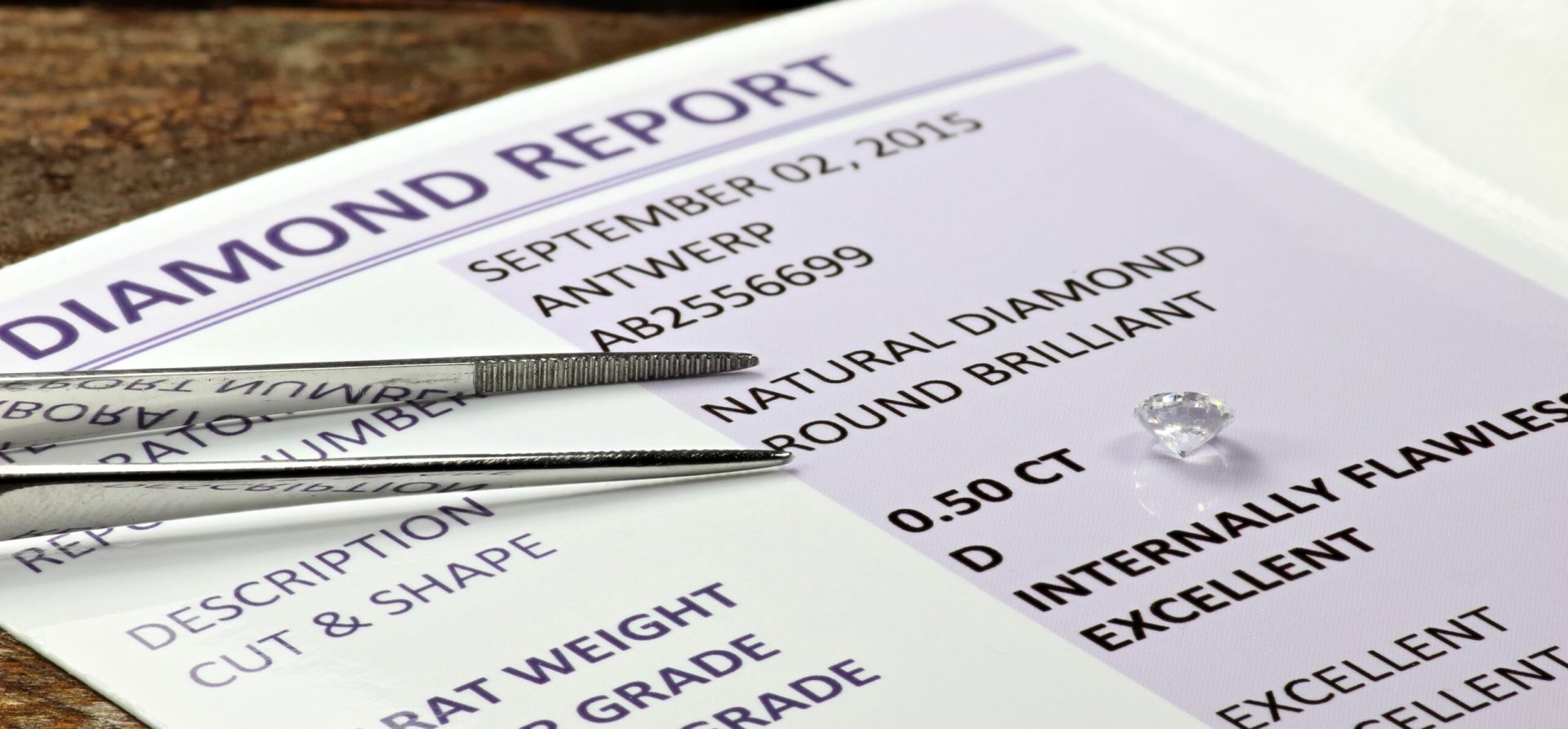
Choosing the right laboratory for your gemstone re-certification
The gemstone certification landscape features various globally recognized laboratories, each with distinct methodologies and reputations. The GIA remains the benchmark for diamond grading and is widely acknowledged for strict objectivity. The IGI, popular in Europe and Asia, offers efficient processing times, making it a favorite among commercial dealers. Meanwhile, the AGS stands out for its meticulous cut quality evaluations, crucial for diamonds where light performance heavily influences value.
HRD Antwerp provides rigorous European standards, revered in the diamond trade, while Gübelin Gem Lab excels in colored gemstone origin certification. Knowing these differences empowers owners to select laboratories aligning with their objectives, whether prioritizing market recognition, analysis depth, or turnaround time.