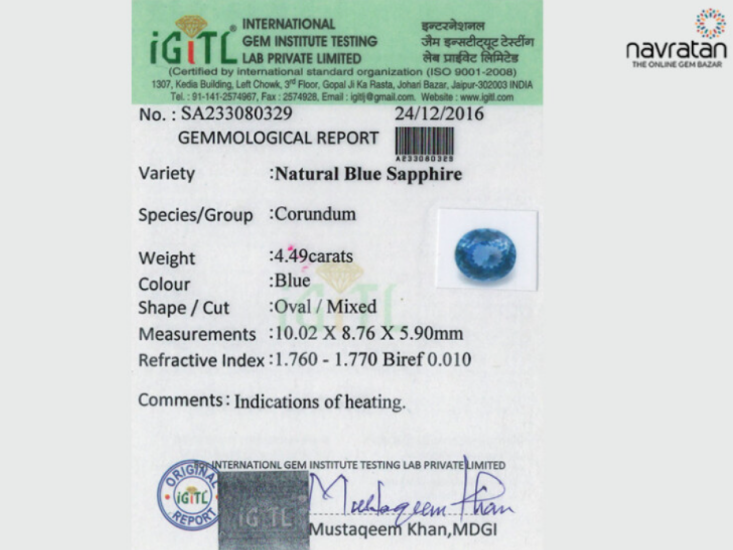
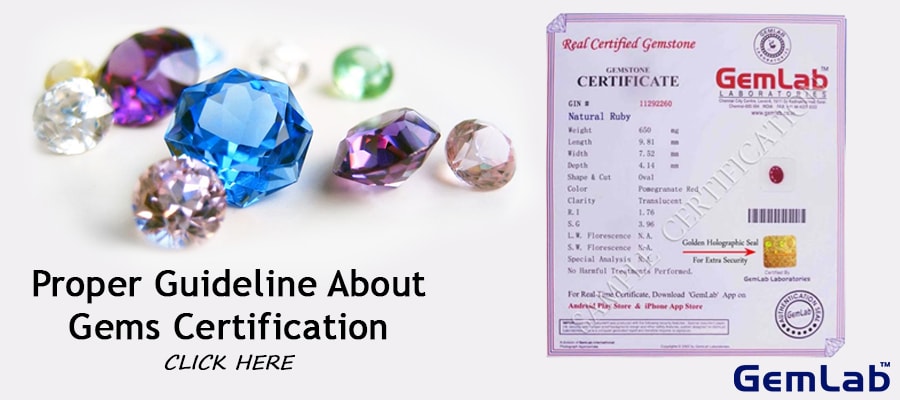
In the complex world of gemstones, possessing a certificate is no longer a mere luxury but a necessity, especially when navigating insurance matters. These certificates, issued by trusted gemological laboratories like GIA, IGI, and AGS, serve as irrefutable evidence of a gemstone’s authenticity, quality, and value. For anyone looking to insure high-value pieces—be it diamonds, sapphires, or rubies—a certified report is indispensable. Insurance providers rely heavily on these documents to accurately assess risk, determine coverage, and verify claims.
Many consumers underestimate the weight insurance companies place on gemstone certificates, which encapsulate details such as carat weight, clarity, color, cut, and any treatments the stone may have undergone. Without such certification, valuing a gemstone becomes subjective and fraught with potential disputes, often leading insurers to impose limitations or exclusions. Moreover, certificates aid in combating fraud and inventory discrepancies, ultimately safeguarding both the owner and the insurer.
What Insurance Providers Specifically Require in Gemstone Certificates
Insurance companies demand comprehensive and credible documentation that clearly establishes the value and authenticity of gemstones. Premium labs such as the GIA, IGI, and AGS are the gold standard in this regard, offering detailed grading reports that include the famous « 4Cs » for diamonds—carat, cut, color, and clarity. However, beyond diamonds, insurers expect clarity on treatments, origins, and precise measurements for colored gemstones as well.
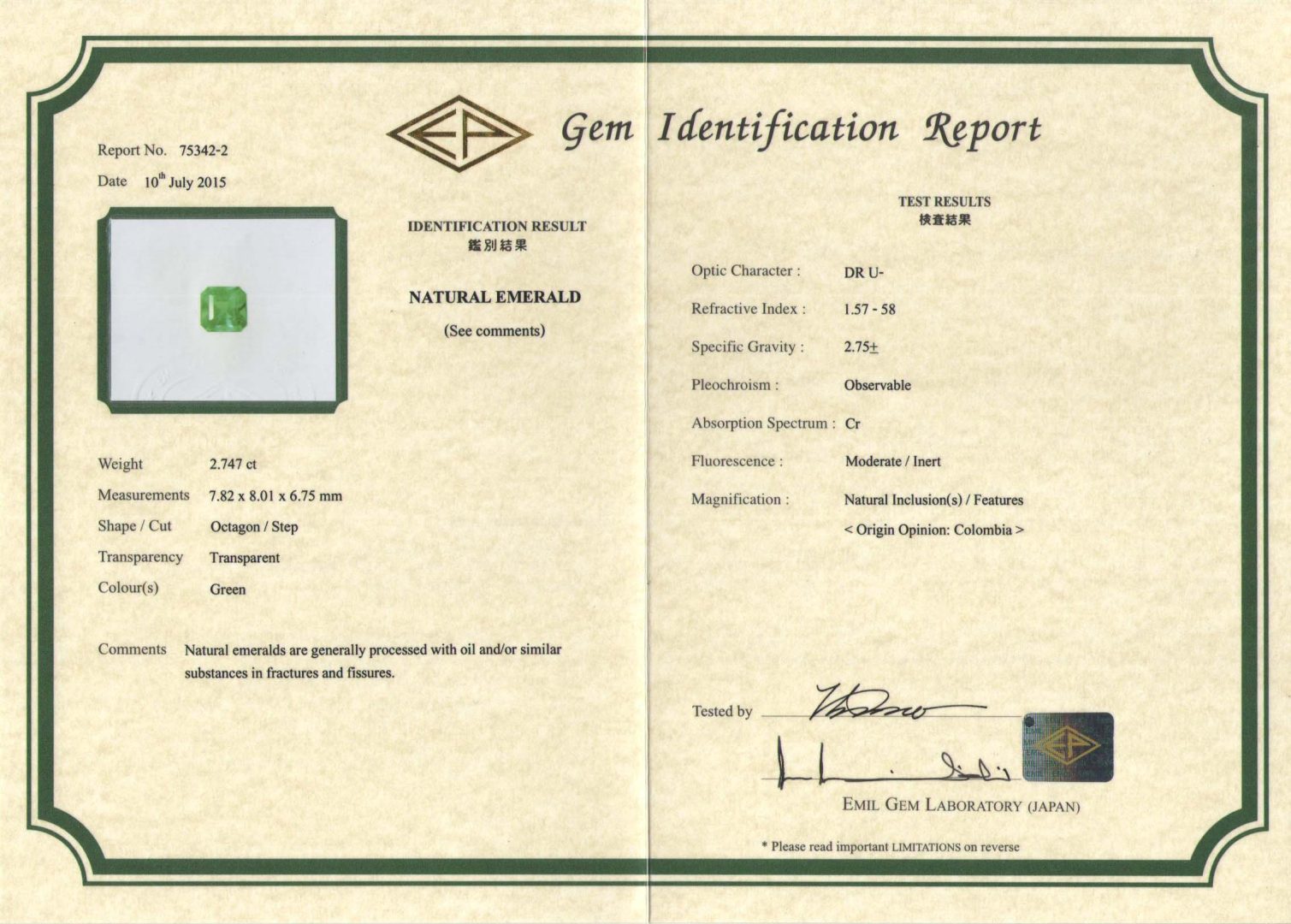
For example, a certificate from the Gübelin Gem Lab or the SSEF Swiss Gemmological Institute offers critical insights into geographic origin and treatment disclosures, which significantly influence replacement costs and coverage terms. Insurance providers usually require that certificate copies—not originals—be submitted and securely stored to streamline claims and policy renewals.
Understanding the Importance of Accuracy and Honesty in Certification
Insurance companies are vigilant about the accuracy of gemstone certificates. Certificates must transparently reveal any enhancement treatments like heating, fracture filling, or irradiation, since these factors affect both the stone’s value and insurability. Failure to disclose such treatments can lead to claim denials or policy cancellations.
Moreover, choosing certificates from lesser-known laboratories like EGL, SGL, or HRD may pose challenges since their grading strictness and consistency can vary. Hence, insurance companies tend to favor reports from the most reputable entities to mitigate risk.
How Certificates Facilitate Seamless Insurance Processes
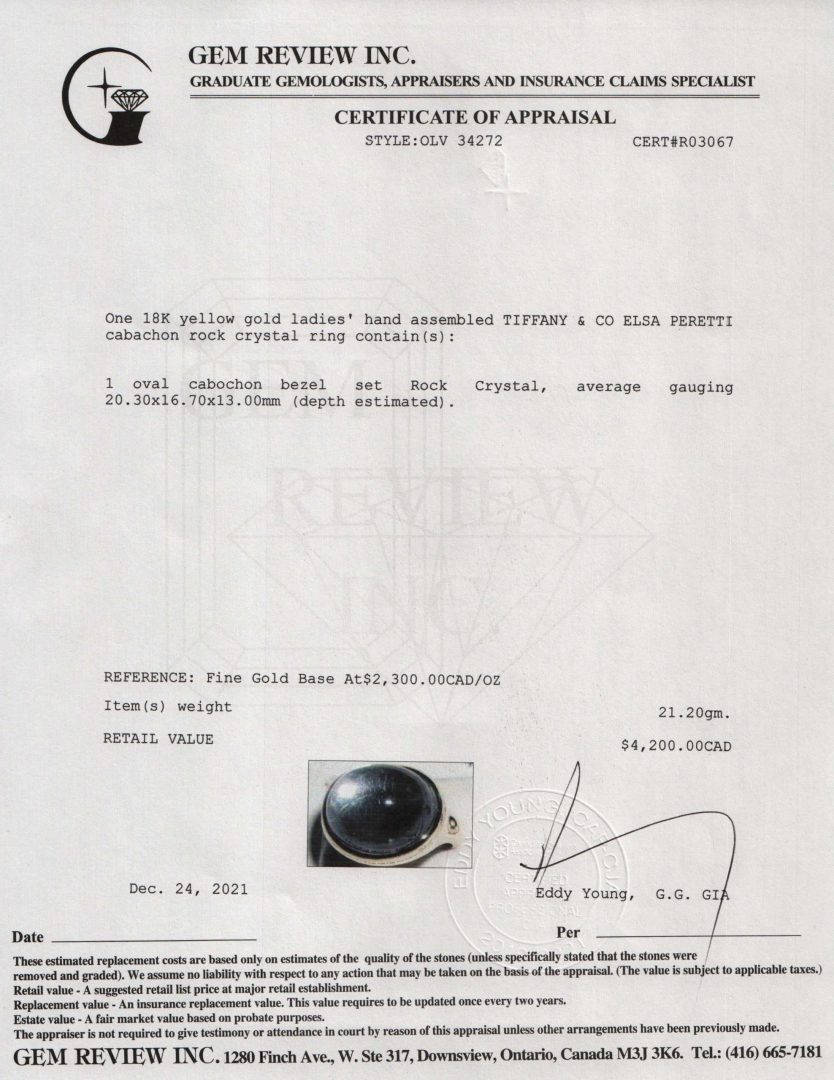
A certified gemstone certificate provides a definitive baseline for valuation, enabling insurers to create precise policies. When a claim arises due to loss or damage, the certificate becomes the touchstone that guides the insurer’s assessment of compensation. This transparency reduces the likelihood of disputes, ensuring trust between insurers and clients.
Moreover, certificates prove crucial during policy renewals or upscaling coverage after purchasing additional jewelry. Providers often insist on updated certificates reflecting gemstone appraisals to make informed decisions about coverage amounts.
Digital Innovation in Gemstone Certification for Insurance
In 2025, many certification labs incorporate digital features such as QR codes linking directly to online verification portals. This innovation adds a layer of security, making counterfeit or altered certificates easier to detect. For insurers, instant access to verified data accelerates underwriting and claims procedures.
Digital gemstone certification is becoming a standard expectation. This trend encourages gemstone owners to keep certificates securely stored and readily accessible, aligning with insurance providers’ requirements for prompt and trustworthy evidence.
Expert Tips for Ensuring Your Gemstone Certificate meets Insurance Standards
Before submitting documentation to your insurance provider, confirm the certificate is issued by a recognized lab such as GSI, DCLA, GCAL, or JAGi. Verify that it describes your gemstone thoroughly, covering essential aspects like clarity, color, cut, treatments, and origin.
Additionally, consulting professionals who specialize in gemstone appraisal and certification allows you to obtain or upgrade certificates to meet the needs of insurers. Some labs also provide gemstone upgrades reflecting changes in market value or newly discovered gemological details, which can be critical for accurate insurance coverage.
Common Pitfalls to Avoid with Gemstone Certificates for Insurance
One prevalent mistake is submitting outdated or uncertified gemstones for policies, which may result in lower payout or no coverage at all. In addition, owners sometimes overlook verifying the credibility of certificates, falling prey to scams and fraudulent reports.
Keeping digital and physical copies secure, along with regular updates from recognized labs, minimizes risks. Ensuring that certificates comply with both industry standards and your insurance provider’s requirements is a proactive step toward protecting your valuable assets.