The gemstone market in 2025 is witnessing unprecedented transformations as consumers and traders alike increasingly demand greater transparency and assurance in their purchases. The growing accessibility of online platforms such as RapNet has accelerated this push, making certification not just a luxury but a necessity for verifying authenticity and quality. The intricate balance between gemstone size, intrinsic quality, and official certification plays a pivotal role in defining value, especially as shoppers become more savvy and discerning. In this dynamic environment, understanding the nuances behind grading reports and their influence on market perception is essential for buyers and sellers aiming to navigate the complexities of the modern gemstone trade.
En bref : Transparent certification processes provided by laboratories like GIA and Gemological Science International enhance trust in gemstone quality amid increasing online sales. The inherent qualities of a gemstone—its color, clarity, cut, and carat weight—interact with certification to impact its market value significantly. Origin plays a crucial role, with premium attributed to stones from renowned sources, verified through scientific means such as spectroscopy. However, size alone does not guarantee value; untreated stones with superior color and clarity often outperform larger, treated counterparts. Consumers must educate themselves to interpret grading reports correctly and avoid pitfalls in the certification landscape.
The growing importance of gemstone certification in assessing size and quality
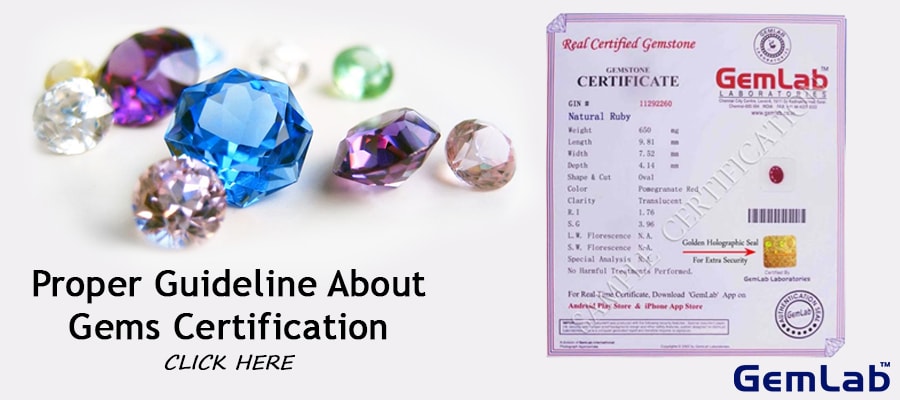
As the gemstone trade expands globally, certification emerges as the cornerstone for validating a gemstone’s size and quality. Unlike diamonds, where the Four Cs—Cut, Color, Clarity, and Carat—are standardized, colored gemstones call for a more nuanced approach. This complexity is addressed by detailed grading reports from prestigious laboratories like the GIA and IGI, which encapsulate not only dimensions and carat weight but also origin verification and treatment disclosures.
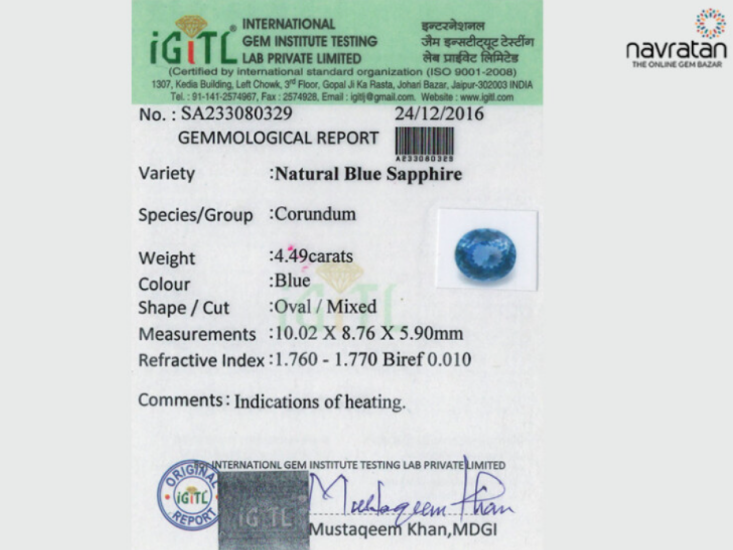
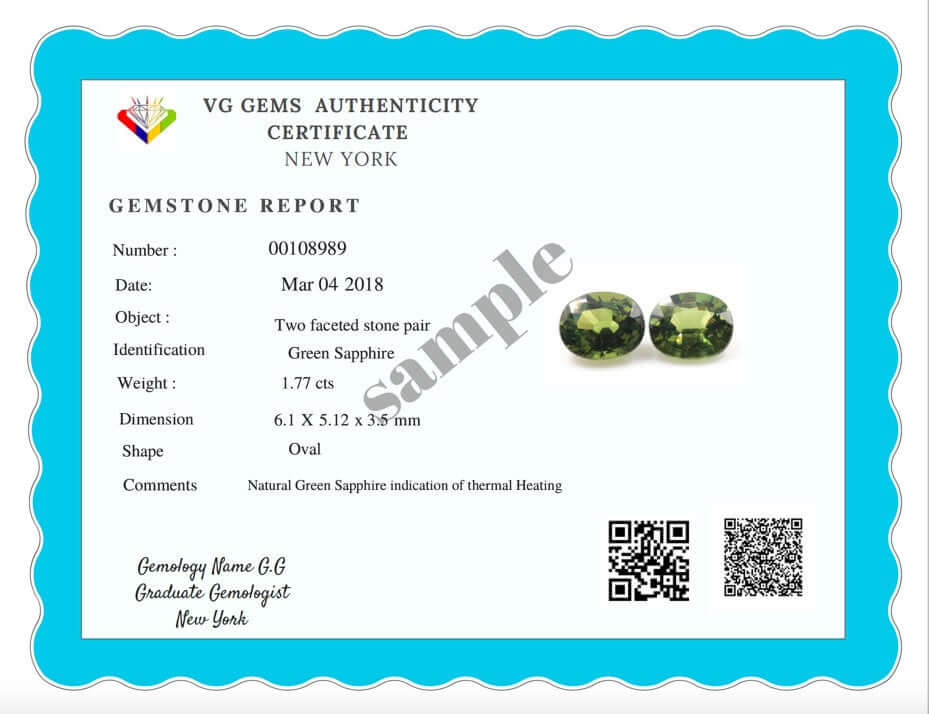
For example, a sapphire certified by the GIA will precisely document any heat treatments or enhancements, influencing its valuation. Meanwhile, Gemfields exemplify transparency, showcasing the journey from rough to polished stones in campaigns that emphasize provenance and trust.
How grading impacts perceived value beyond size
While size remains a visible metric, the true market value hinges on the interplay between quality factors and certification. For example, two emeralds of identical carat weight may differ substantially in price depending on inclusions, color saturation, and treatment disclosures. A stone from Colombia, verified through sophisticated origin analysis, commands a premium rarely matched by stones from lesser-known locations.
Consequently, the reliance on advanced testing techniques such as spectroscopy and inclusion mapping, now standard in labs like Gübelin Gem Lab, helps differentiate genuine quality from superficial size attributes. This reinforces buyer confidence, especially in the digital retail space where physical inspection is limited.
Understanding the role of origin and treatment on gemstone value in 2025
Gemstone origin dramatically influences value, often eclipsing size alone. Unraveling the provenance of stones such as Kashmir sapphires or Colombian emeralds through certified reports offers both ethical assurance and a price premium. Scientific techniques have evolved, allowing laboratories like Gemological Science International to provide origin reports with confidence, a service increasingly sought after by luxury brands such as Tiffany & Co. and Cartier.
Treatment disclosures are equally crucial. The market has witnessed rising consumer awareness regarding heat treatments, clarity enhancements, and synthetic counterparts, leading to stricter regulations requiring transparent lab reports. Transparency not only protects buyers but supports ethical sourcing, reinforcing reputations of responsible dealers like Graff and De Beers.
Interpreting certification reports to validate size and authenticity
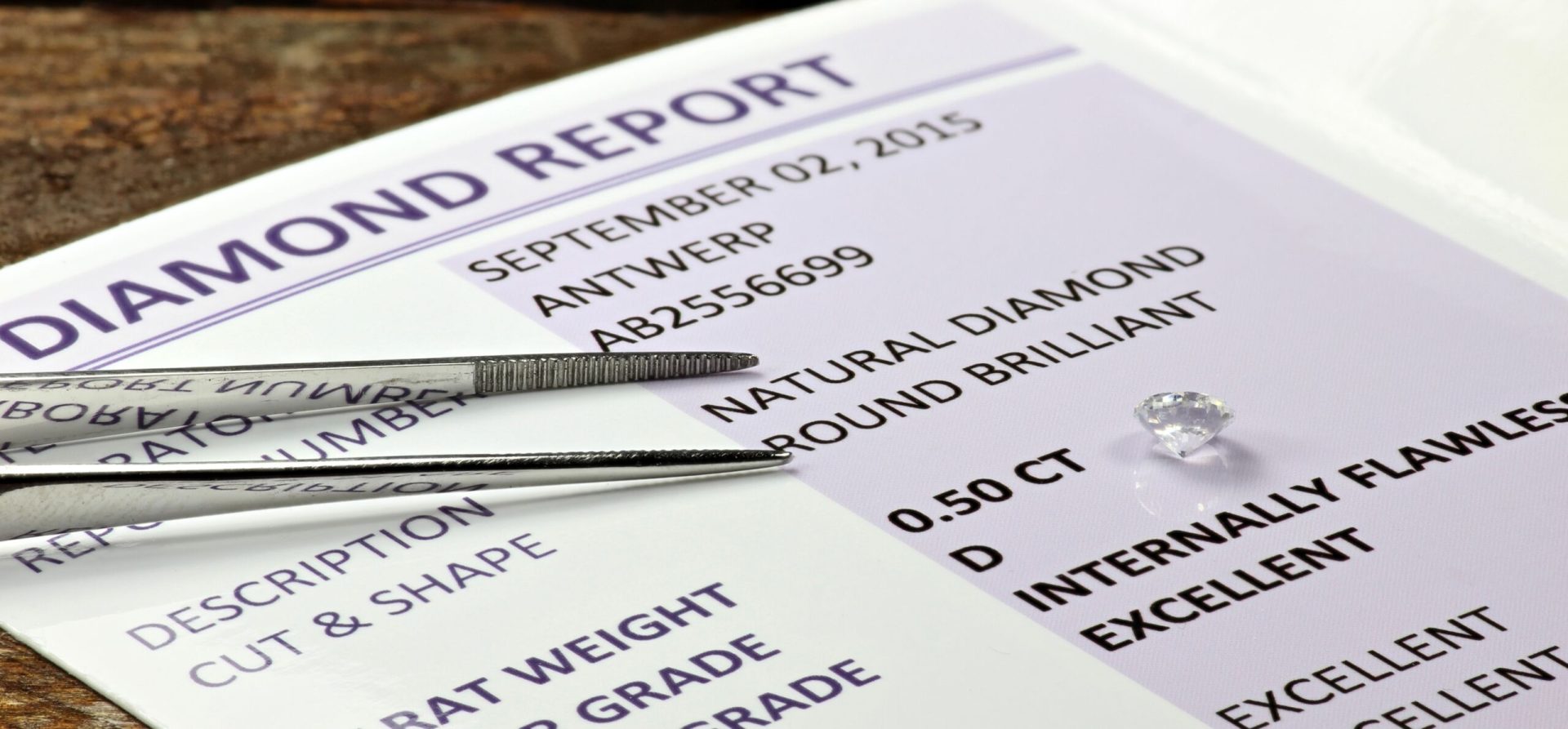
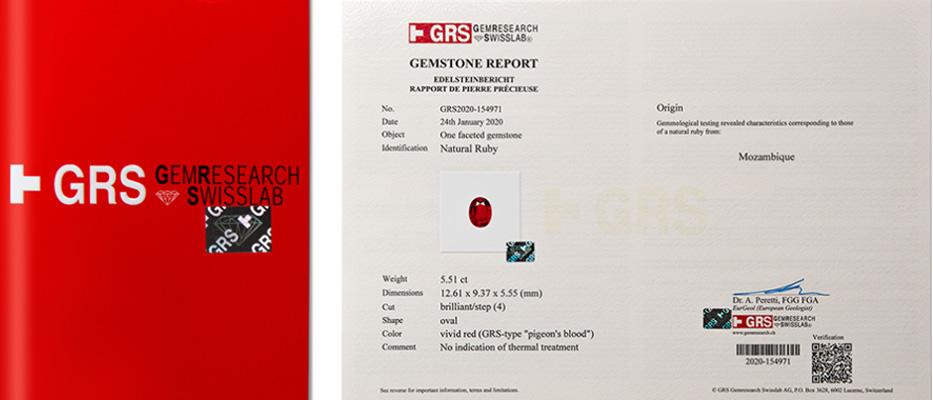
Certification reports are rich with critical information including species identification, treatments, precise measurements, and visual descriptions of inclusions. Buyers should be encouraged to consult resources like guides to reading and interpreting gemstone certificates to avoid common misinterpretations and scams.
Moreover, digital verification services enhance certificate credibility, ensuring that reports are genuine and correspond to the particular gemstone in question. In an age where counterfeit certificates pose a threat, verified documentation boosts market integrity and resale value, vital for investors engaging in certified gems as assets.
Navigating the balance: when size does not equal quality or value
Large gemstones undoubtedly attract attention; however, without corresponding quality, their value can be substantially diminished. For instance, a flawless 2-carat ruby may command a higher price than a larger, heavily included 3-carat stone. This nuanced understanding underscores why certification complements physical size, enhancing transparency and guiding buyer decisions.
Trade networks such as Rapaport provide platforms where certified gemstones are traded with confidence, further illustrating that transparency in certification governs market trust more than mere size alone.
Best practices for buyers and sellers in a certified gemstone market
Professionals advise that buyers never purchase gemstones without certification from recognized labs like GIA or IGI, and always seek provenance reports, especially for high-value items. Sellers, in turn, are responsible for educating buyers on grading reports and clarifying any treatments, leveraging certification to build trust.
Consulting expert appraisers and leveraging certification technology can also mitigate risk. This is particularly important as synthetic gemstones and treatments continue to evolve, making expert knowledge indispensable.