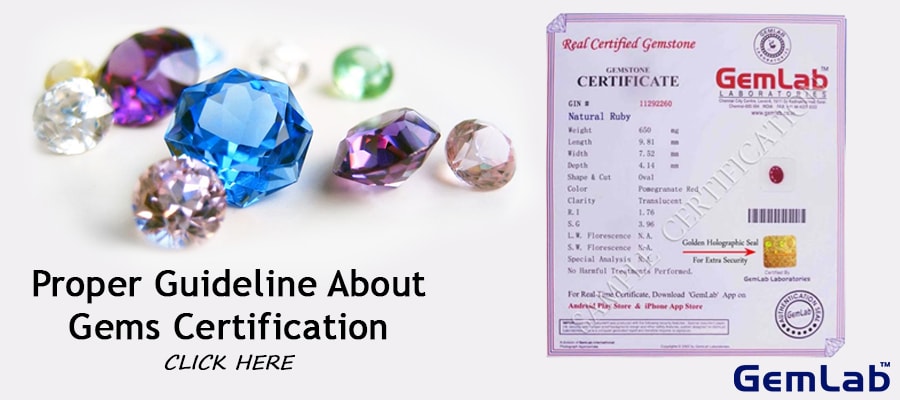

In recent years, the jewelry industry has faced increasing pressure to demonstrate ethical practices, transparency, and sustainability. Consumers no longer want just the beauty of gemstones; they demand assurance that their jewels are sourced responsibly, respecting both human rights and the environment. This paradigm shift has elevated gemstone certification to a pivotal role in the trade, serving as a guarantee of authenticity, ethical sourcing, and overall transparency throughout the supply chain. From mining to retail, certification empowers buyers with verifiable confidence, reshaping how jewelry is valued and perceived globally.
In essence, gemstone certification functions as a bridge between consumers and the complex realities of gem sourcing. It combats exploitation, illicit trade, and environmental degradation by enforcing standards validated through rigorous testing and audits. Organizations such as GIA, IGI, HRD Antwerp, and the Responsible Jewellery Council (RJC) have become trusted names in this pursuit, providing detailed reports and adherence to international norms. Beyond traditional mining, certification also embraces lab-grown diamonds and innovative practices, underscoring a comprehensive commitment to transparency as jewelry evolves in 2025 and beyond.
Why gemstone certification is crucial for transparency in jewelry trade
Transparency in jewelry trade is no longer optional but essential for ethical and sustainable commerce. Gemstone certification ensures consumers and industry professionals alike have access to verifiable data concerning the gem’s origin, treatment, and quality. It mitigates risks related to conflict stones, child labor, and environmental harm by tracking the journey from mine to market.
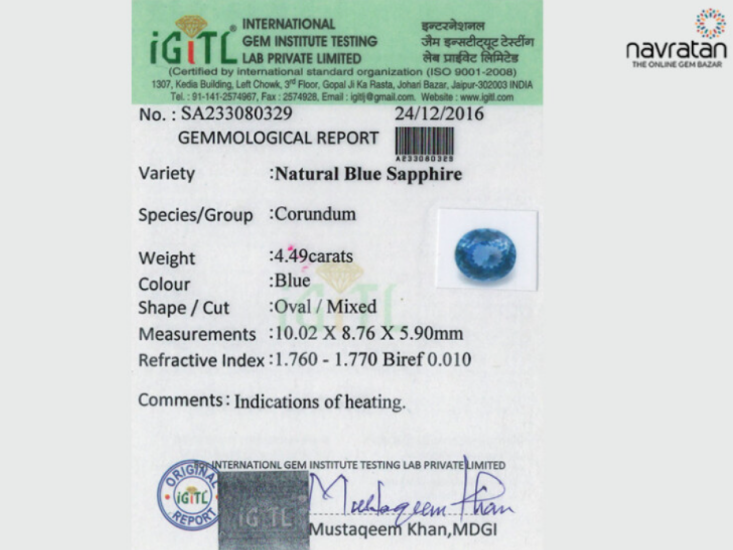
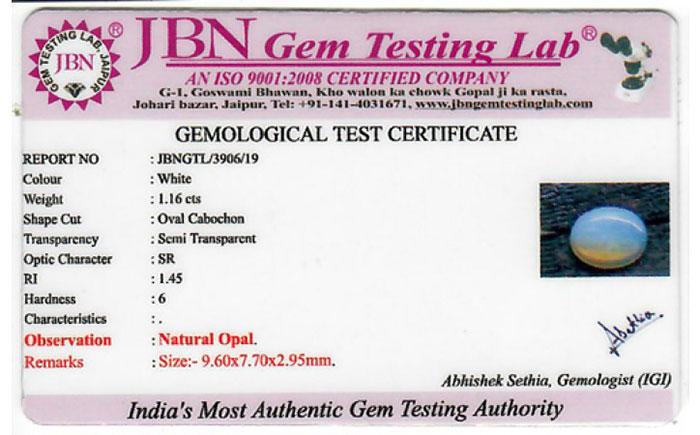
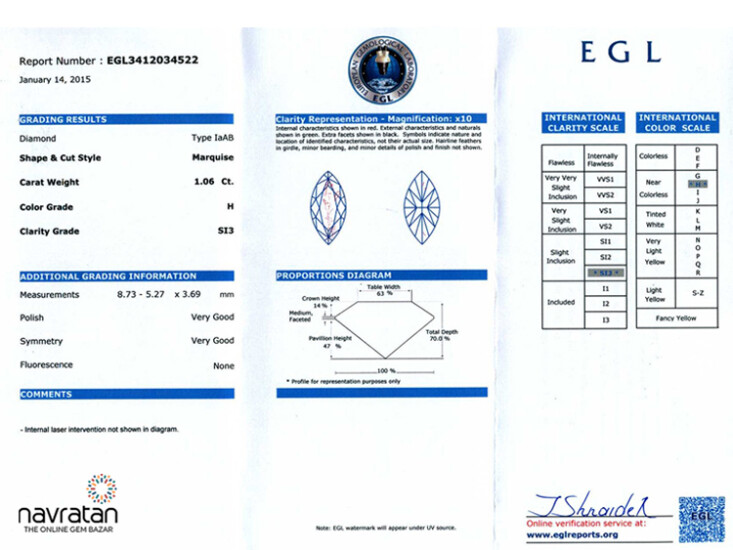
The gemstone certification process typically involves thorough testing conducted by accredited gemological laboratories such as GIA, IGI, and HRD Antwerp. These entities provide scientifically based documentation that covers everything from the gem’s carat weight and clarity to its possible treatments and authenticity. Such information equips both retailers and consumers with the knowledge necessary to make trustworthy transactions.
How certification combats unethical practices
Gemstone certification plays a pivotal role in exposing and preventing unethical mining practices, including child labor, dangerous working conditions, and illegal mining operations often found in conflict zones. Programs like the Kimberley Process actively work to eliminate blood diamonds from the supply chain, ensuring that diamonds traded internationally are conflict-free.
Moreover, certifications such as those from the Responsible Jewellery Council require strict adherence to environmental protection and social responsibility standards. This not only benefits the local populations working in these mines but also reassures the global consumer market that the gems they purchase are ethically sourced.
Verifying authenticity through gemstone certification
Authenticity verification is an integral aspect of gemstone certification. Laboratories like GIA and GemCert utilize advanced testing technologies to detect treatments, enhancements, and synthetic origins, which can heavily influence a gemstone’s value and ethical standing. Transparency is reinforced by traceable documentation, often including a unique certificate number that can be verified online through the certification body’s system, safeguarding buyers against fraud and scams.
For example, the digital gemstone certification platforms allow jewelers and consumers to verify the certification status instantly, increasing trust in an era where gemstone provenance holds immense significance. Additionally, certificates often detail the mine of origin or lab where the stone was grown, thus providing a full narrative of the gem’s lifecycle.
Role of international gemological institutes in certification standards
International institutes such as the Gemological Institute of America (GIA), International Gemological Institute (IGI), and Swiss Gemmological Institute SSEF set the benchmark for gemstone certification by offering standardized grading reports recognized worldwide. Their expertise not only authenticates stones but also supports ethical business practices by promoting uniform testing methods that are continually updated to meet emerging challenges in the trade.
Furthermore, organizations like the Jewelers Vigilance Committee provide industry oversight, monitoring adherence to ethical guidelines, and fostering transparency. The collaboration between these institutions helps maintain a credible certification ecosystem that benefits producers, retailers, and consumers globally.
Adopting ethical sourcing standards through certification
The evolving consumer demand for ethically sourced jewels has driven the growth of certification schemes such as Fairtrade, Fairmined, and the Alliance for Responsible Mining. These programs encourage sustainable mining practices, fair labor, and environmental stewardship. By sourcing certified gemstones, jewelers demonstrate transparency that reassures the buyer and enhances brand credibility.
In 2025, several leading brands integrate such certifications into their supply chains to uphold integrity. For instance, jewelers working with GemCert or Gübelin Gem Lab certification ensure their colored gemstones meet strict ethical and scientific standards. This accountability not only protects the environment but also guarantees that the contributions of mining communities are valued and recognized.