When investing in fine jewelry, particularly in diamonds and gemstones, understanding the protection mechanisms available is crucial in safeguarding your purchase. In 2025, as transparency and authenticity become paramount in the luxury jewelry market, the distinction between warranties and certifications plays a pivotal role. Warranties offer consumers assurance against manufacturing defects or issues arising after purchase, whereas certifications verify the authenticity, quality, and specifications of the gemstone or diamond itself. Navigating these two facets with a discerning eye can mean the difference between securing a valuable investment and encountering unexpected losses. This article sheds light on how certification and warranties function distinctly yet complementarily, empowering buyers to make informed decisions that uphold the true worth of their acquisitions.
In brief: Certification validates a gemstone’s authenticity and quality through objective lab analysis by reputed bodies like GIA, IGI, and AGS, whereas warranties insure the buyer against faults or damages post-purchase; certifications are indispensable for confirming the intrinsic value, while warranties provide peace of mind and protection after the sale. Utilizing both ensures maximal security of your investment, especially when sourcing from reputable jewelers such as Tiffany & Co., Blue Nile, or James Allen. Recognizing the credibility of certification bodies and understanding warranty terms is essential to avoid pitfalls in today’s diverse gemstone market.
Understanding Certification: The Cornerstone of Authentic Gemstone Purchases
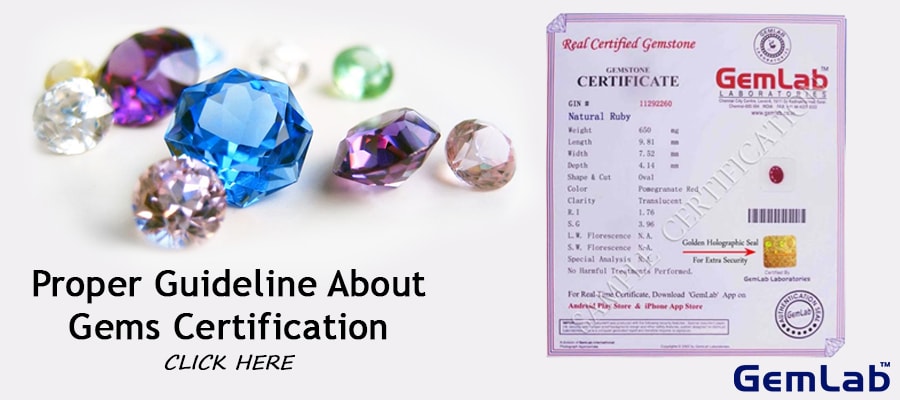
Certification is the most critical element in verifying gemstone authenticity. A recognized gemological laboratory, such as the Gemological Institute of America (GIA), the International Gemological Institute (IGI), or the American Gem Society (AGS), rigorously assesses diamonds and colored stones, detailing aspects like cut, clarity, color, carat weight, and origin. This objective, comprehensive evaluation confirms that the stone corresponds to the seller’s claims, minimizing risks of fraud or misrepresentation.
For example, a GIA grading report for a 3-carat diamond does not merely attest to its authenticity but also specifies precise information about the stone’s characteristics. This trusted certificate enhances the gemstone’s market value and simplifies resale or insurance processes. Equally, lab-grown diamonds today receive certifications underscoring their origin and quality, reinforcing buyer confidence in emerging gemstone categories.
How Certification Differs from Appraisal and Warranties
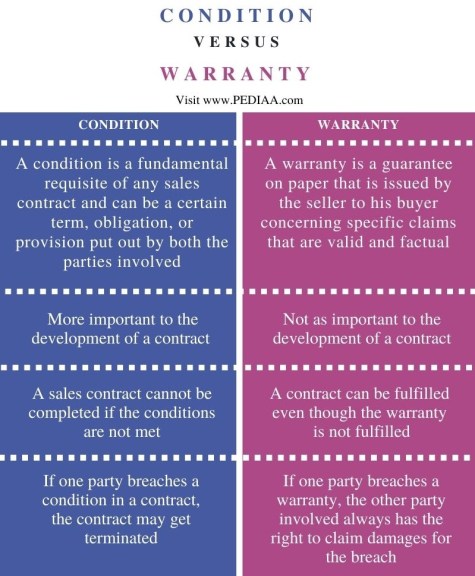
While certification focuses purely on authenticity and quality validation, an appraisal provides the market value of the gemstone often needed for insurance or resale. Warranties, contrastingly, cover repair or replacement for defects that arise post-purchase but do not guarantee the inherent qualities or genuineness of the stone itself.
The distinction is profound: a certified diamond verified by labs like GIA or IGI reduces the risk of misrepresentation, whereas a warranty by jewelers such as Tiffany & Co. or Brilliant Earth protects the buyer from unforeseen issues in craftsmanship or materials after the sale.
Warranties: Comprehensive Assurance Beyond Certification
Warranties function as a safeguard against defects and damage, often offered by reputable jewelers like Blue Nile, James Allen, and De Beers. These guarantees typically cover repairs, replacements, or servicing of your fine jewelry within a specified period. The key advantage is that warranties protect buyers’ interests beyond the initial authentication — providing ongoing confidence in their purchase.
However, warranties do not confirm the gemstone’s authenticity or quality; they rely on prior certification. This means buyers must ensure the gemstone they acquire first has a valid certification to understand the exact nature and value of their investment.
Why Both Certification and Warranty Are Essential for Protecting Your Investment
Combining certification with a reliable warranty creates a dual layer of protection. Certification serves as a passport verifying the gemstone’s authenticity, quality, and value, while the warranty safeguards against issues arising after you’ve brought your jewelry home. This synergy is especially crucial when shopping online from trusted retailers like Jewelers Mutual or acquiring bespoke pieces where clear provenance and after-sale support are non-negotiable.
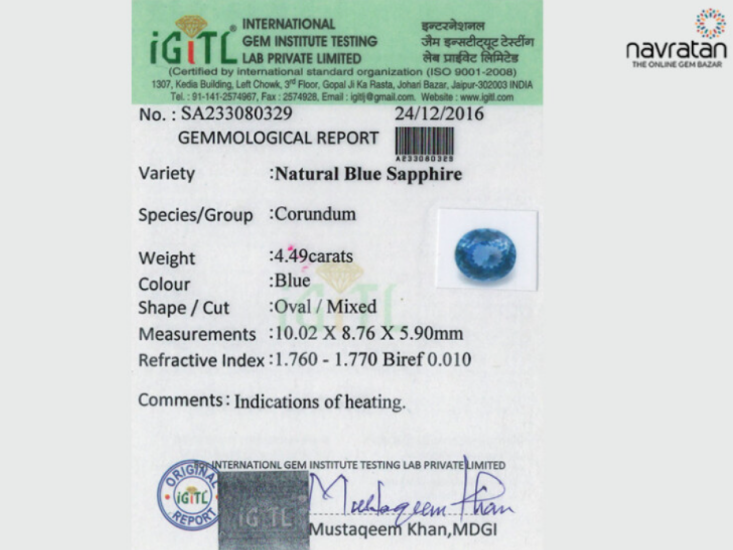
Consider a scenario where a buyer purchases a loose sapphire certified by IGI. The certificate clearly defines its characteristics, ensuring its quality and legitimacy. A warranty from the jeweler adds an extra layer, covering damages from daily wear or unforeseen defects, thus protecting the buyer’s financial and sentimental investment.
Choosing the Right Certification and Warranty Providers: What to Look For
Not all certificates carry equal weight. The reputation of the certifying laboratory is paramount; laboratories like GIA and AGS are industry gold standards renowned for their rigorous, unbiased analyses. Ensure that certification details are verifiable through the lab’s official website to prevent counterfeit certificates.
Similarly, when examining warranties, carefully study terms and limitations. Opt for those that offer extensive coverage including repairs, cleaning, and maintenance, and understand any exclusions. Jewelers such as Tiffany & Co. and Brilliant Earth often provide transparent warranty policies that complement their certification standards for a robust buyer protection scheme.