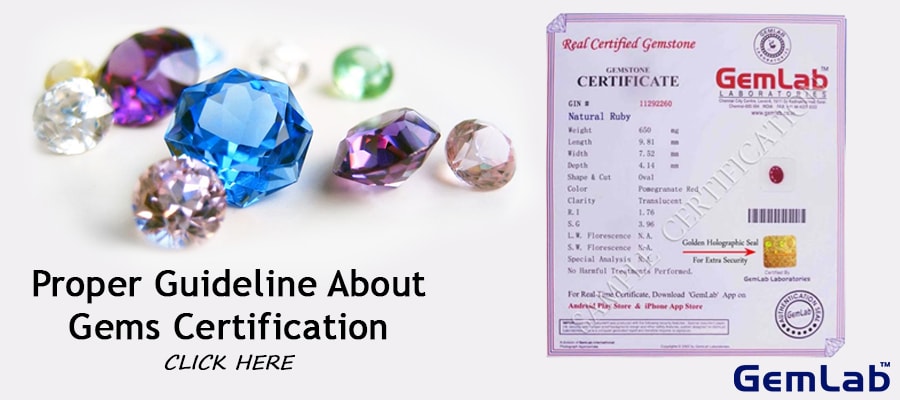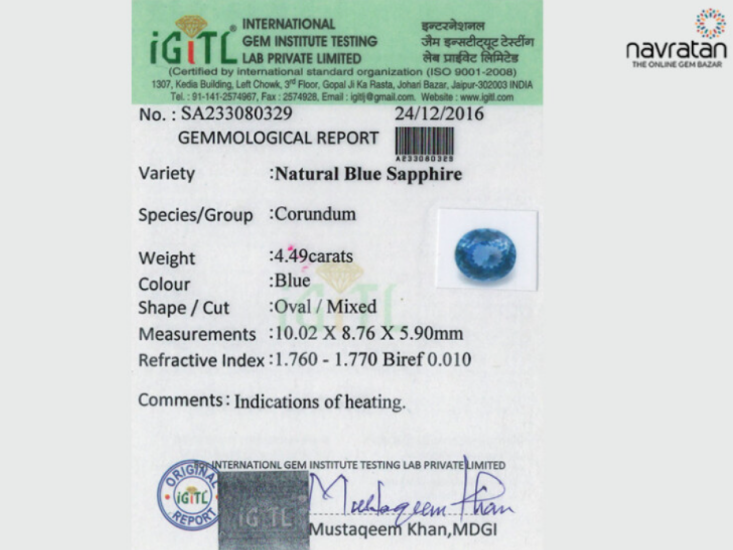
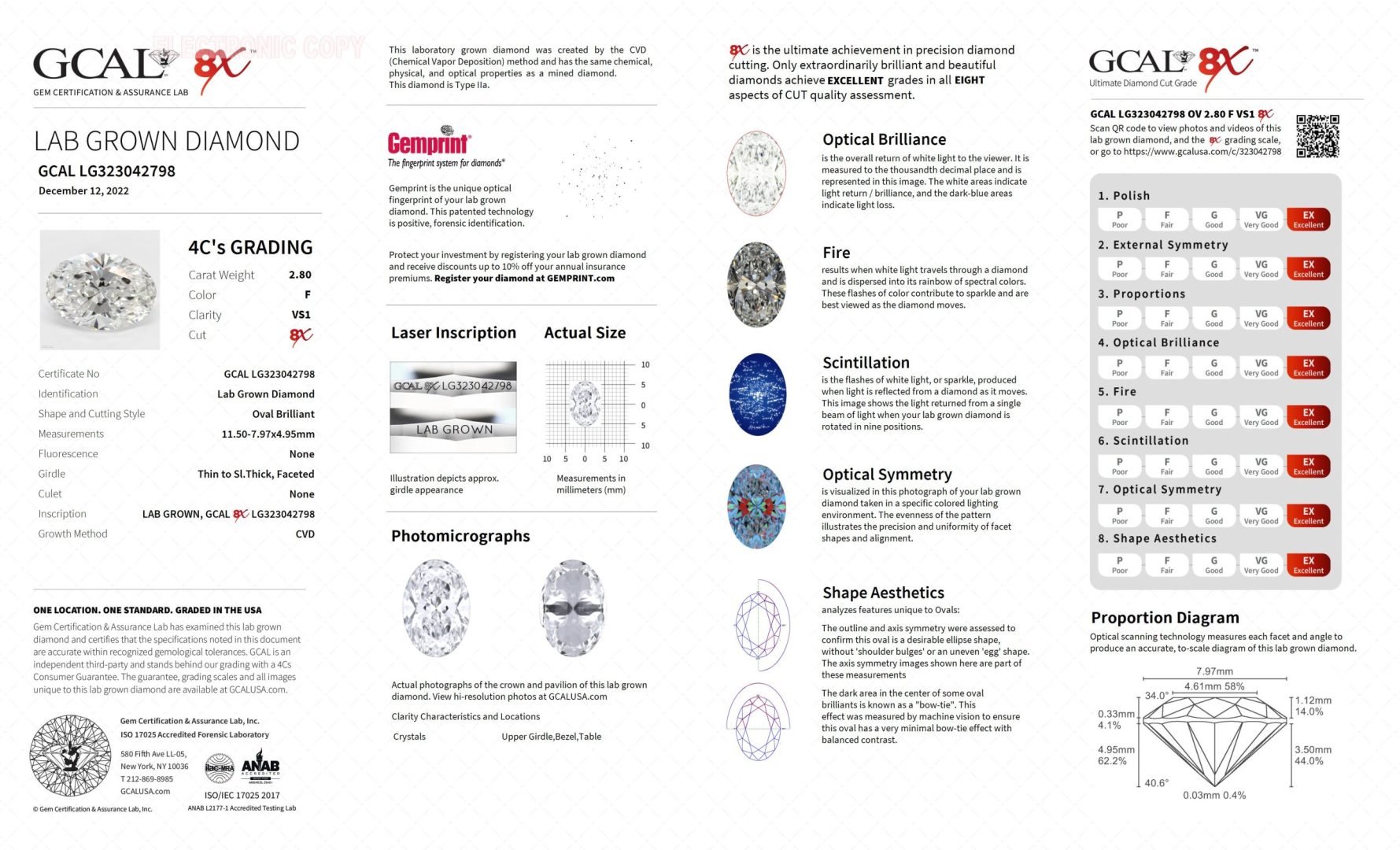
Gemstone certification plays a crucial role in the insurance landscape, offering not only proof of authenticity but also a clear framework for valuing and protecting precious stones. As the global market for fine gemstones evolves in 2025, the precision and trustworthiness of certification documents have never been more significant. These certificates, issued by reputable laboratories such as GIA, IGI, and AGS, offer detailed insights into a gemstone’s origin, treatment, and quality. This transparency enables insurers to accurately assess risk and determine the appropriate coverage to safeguard owners’ investments.
Without a credible certification, insurers face challenges in verifying the stone’s characteristics and true worth. This uncertainty can lead to underinsurance or coverage refusals, placing the policyholder at financial risk. By contrast, certified gemstones facilitate smoother and often more affordable insurance processes through providers like Jewelers Mutual and Chubb Insurance, who specialize in personal jewelry coverage. The certification effectively acts as a passport ensuring both buyers and insurers have confidence in the value and authenticity of the gem.
In an era where synthetic and treated stones are increasingly common, certification also protects consumers from deceptive practices. Detection of treatments such as heating or clarity enhancements, which directly influence appraised value, underscores the importance of third-party lab reports like those from Gemological Science International and GemCert. Losing or misplacing certificates can endanger insurance claims, so secure storage and digital verification methods, including QR codes and online databases, have become standard practice to uphold trust throughout the gemstone’s lifecycle.
- Certified gemstones consistently achieve higher insurance valuations due to verified quality and provenance.
- Insurance providers often require certification to issue or renew policies on valuable stones.
- Certification reduces risks of overpayment and fraudulent claims by clarifying treatments and origin.
- Digital verification tools enhance security for insurance documentation, addressing concerns tied to forged certificates.
How Gemstone Certification Shapes Insurance Coverage
In the complex domain of gemstone insurance, the existence of a certificate from a reputable authority such as GIA or Gemological Science International is indispensable for underwriting. These certificates provide insurers with detailed analysis of the gemstone’s physical and chemical properties. By confirming factors from the precise carat weight to geographic origin and treatment history, they allow insurance companies to more accurately price policies. For example, policies offered by specialists like GemShield are tailored based on these verified details, which reduces ambiguities during claims.
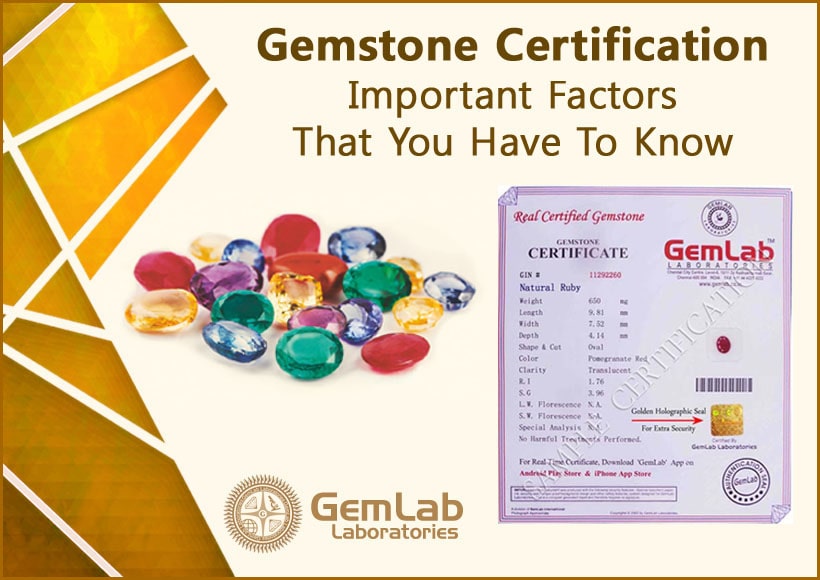
Insurance Premiums and Risk Assessment
Without certification, insurers must base valuations on market estimates or subjective appraisals, which could lead to significant discrepancies. Certified documents eliminate this guesswork, often resulting in competitive premiums with fewer disputes. For instance, insurers such as Chubb Insurance closely collaborate with gem certification labs to ensure transparency and accuracy, which supports confident underwriting. They also rely on proven reports from institutions like HRD Antwerp and EGL to confirm the gemstone’s authenticity and treatment disclosures.
This clarity benefits the insured by providing full coverage at justified rates and expedites settlements when loss or damage occurs. Moreover, the certification helps differentiate natural stones from synthetic or treated ones, which often carry reduced insurance value. Therefore, possessing a robust certificate is not merely a bureaucratic step but a strategic approach to safeguarding one’s asset against unforeseen financial losses.
The Vital Role of Certification in Claim Settlements
When insurance claims arise due to theft, loss, or damage, having an up-to-date gemstone certification transforms the claim process from complicated to streamlined. The certificate acts as a detailed appraisal that insurers use to verify the insured item’s condition pre-loss, ensuring fair reimbursement. Jewelers Mutual and similar insurers emphasize the necessity of certificates in accelerating claims and avoiding disputes regarding value or stone integrity.
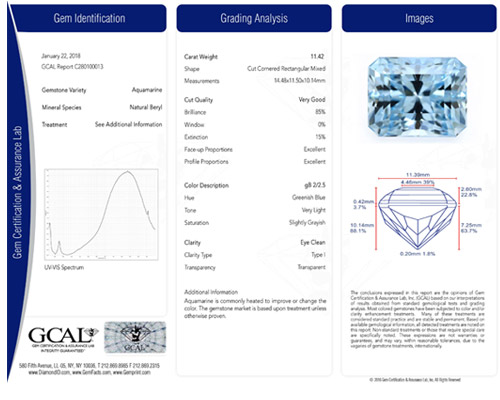
Preventing Insurance Fraud with Certified Documentation
Insurance fraud related to gemstones often involves misrepresented origin, treatment, or value. Certification counters such risks by providing an objective, third-party assessment. Laboratories such as GemCert implement stringent verification methods, and insurers leverage these certificates to detect inconsistencies or forged documents. Additionally, modern practices require cross-referencing certificate IDs via online portals, thereby improving audit trails and boosting confidence for both insurers and insured parties.
Integrating Certification into Your Gemstone Insurance Strategy
Experts recommend that owners of valuable gems maintain not only the physical certificate but also ensure its details are current and digitally accessible, as advised by GemCertify. Factoring certification into your insurance strategy can afford peace of mind and better asset protection. Insurers may also adjust coverage terms and premiums based on certification updates, reflecting any changes in market value or treatment discoveries.
Moreover, in secondary markets or auction settings, stones with authoritative certificates from well-known labs like GIA, IGI, or AGS enjoy enhanced liquidity and buyer trust, which further underscores insurance benefits. This integrated approach from certification to insurance ensures gemstones remain safeguarded throughout their lifecycle, securing both emotional and financial investments.