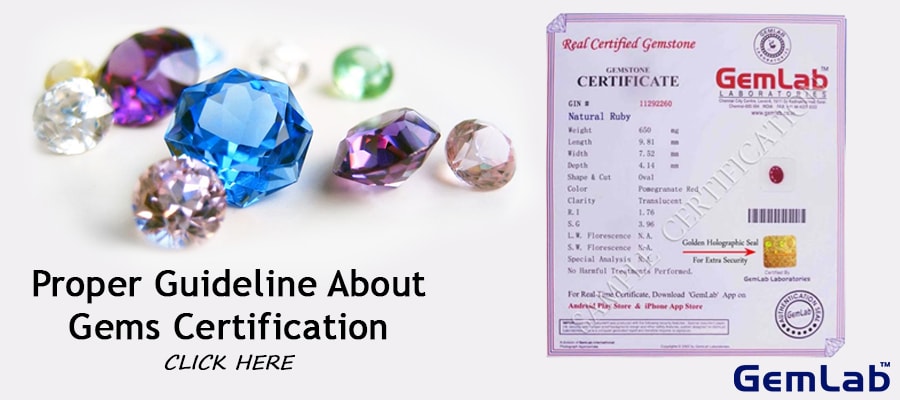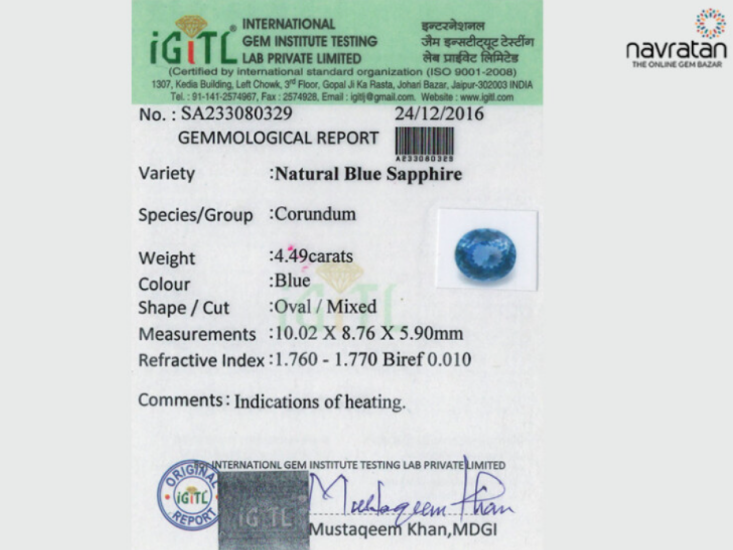
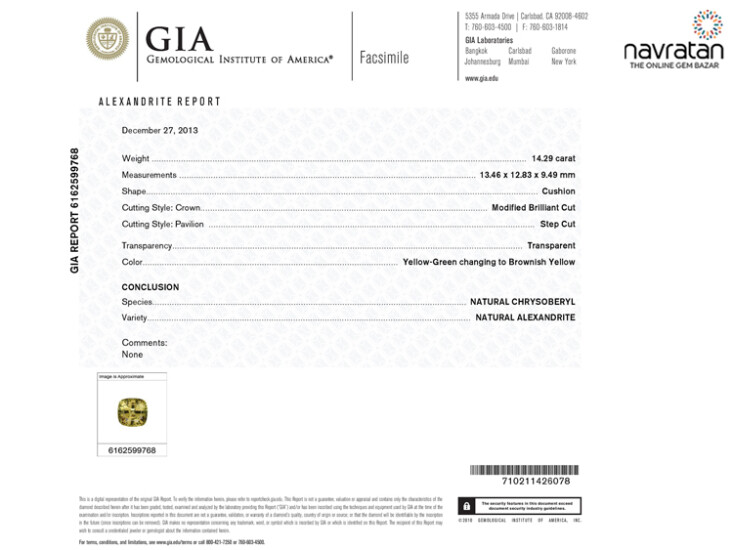
In the intricate world of gemstones, certification has emerged as the cornerstone for assuring quality and authenticity, safeguarding buyers in a market often perceived as shrouded in uncertainty. As the jewelry industry evolves in 2025, consumers and investors alike increasingly rely on trusted gemstone certificates issued by renowned laboratories such as GIA, AGS, and HRD Antwerp to navigate their choices with confidence. These certificates do more than merely verify a gem’s natural origin; they provide comprehensive scientific analyses detailing color, clarity, cut, treatments, and sometimes geographic origin—elements essential for understanding true value beyond the stone’s surface allure.
With advances in technology and grading methodologies, certificate reports have become sophisticated documents reflecting exhaustive testing by expert gemologists. Understanding the nuances within these reports empowers buyers to make informed decisions, whether selecting an engagement ring or investing in colored gemstones. The distinction between certificates from dominant labs like the Gemological Institute of America (GIA) and emerging entities such as GemLab or NGTC can significantly influence a gemstone’s marketability and resale potential. Recognizing these differences ensures that buyers are aware not only of what a certification represents but also its implications in terms of value and authenticity within the global market.
How Major Laboratories Define Gemstone Certification Standards
In 2025, the gemstone certification landscape remains dominated by a handful of prestigious laboratories, each bringing their own rigorous approaches to stone evaluation. The GIA is widely acknowledged for setting the gold standard in diamond grading with its globally respected 4Cs system—color, clarity, cut, and carat weight—offering strict, conservative appraisals that are central to international trade. Meanwhile, AGS emphasizes cut quality through advanced light performance assessments, providing unique numerical grading scales that appeal to discerning buyers focusing on brilliance.
The European market venerates institutions like HRD Antwerp, whose reputability aligns closely with GIA’s standards but offers localized terminology and industry familiarity. Not to be overlooked, laboratories such as Gübelin and SGL specialize in origin determination and treatment disclosures, critical factors influencing value especially in high-end colored stones. Commercial buyers frequently turn to globally accessible entities like IGI and GSI for their balance of speed, cost, and comprehensive reporting, while NGTC serves a growing segment with focus on Asian markets.
Each laboratory’s methodology—from spectroscopic analysis to microscopic plotting of inclusions—translates into distinctive certification reports reflecting not only the stone’s identity but also its « fingerprint. » Buyers must critically assess which certification source aligns best with their objectives, understanding that despite general consistency in standards, grading variance persists, potentially affecting valuation.
Interpreting the Complex Data Within Gemstone Certificates
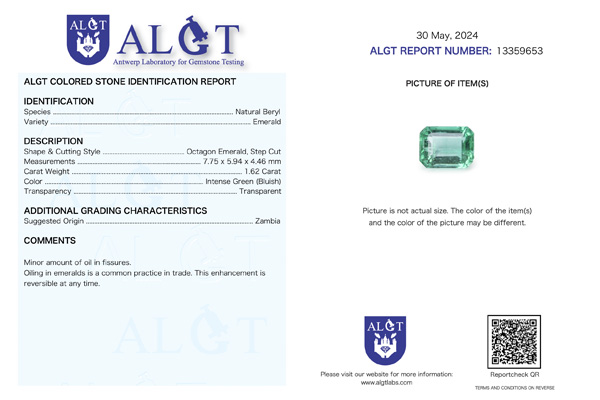
Beyond the mere confirmation of authenticity, gemstone certificates function as detailed passports through a gemstone’s intrinsic qualities. Buyers encounter specifications including carat weight measured to the hundredth, detailed dimensions, and a precise color grade—ranging from D (colorless) to Z in diamonds, or descriptive hue, tone, and saturation ratings for colored gems. Clarity grades provide insights into internal inclusions and external blemishes, often accompanied by diagrammatic plotting that visually maps these features as a unique stone identifier.
The cut quality, polish, and symmetry grades reveal how expertly the gemstone’s facets have been fashioned to optimize light interaction, directly impacting brilliance and fire. Fluorescence descriptions add another layer, documenting ultraviolet light reactions that may affect the gem’s appearance in varying lighting conditions—information crucial for valuation but often misunderstood by buyers.
Of particular importance are treatment disclosures. Many stones undergo enhancements such as heat treatment, fracture filling, or irradiation to improve their aesthetics. Certificates transparently declare these processes, clarifying their impact on durability and value. Additionally, some certifications specify geographic origin, a compelling factor in markets where provenance, like that of Kashmir sapphires or Colombian emeralds, can dramatically influence desirability.
Why Certification Variations Matter in the Market
Differences among certification laboratories extend past their evaluation techniques and grading strictness to influence price perception and resale potential significantly. For instance, stones graded by GIA often command premium prices due to the lab’s reputation for conservative and consistent grading. Conversely, certificates from labs with more lenient standards might inflate color or clarity grades, possibly enticing buyers with seemingly higher quality stones that do not match GIA’s benchmarks.
Cost and turnaround time are practical considerations that further distinguish certification options. Where IGI or GemLab offer expedited, cost-effective service, collectors and investors aiming for market confidence generally prefer the thorough analysis accompanying AGS or Gübelin certifications despite longer waits and higher fees. This disparity often compels buyers to weigh the benefits of rapid access against the long-term credibility of their gemstone’s certification.
Moreover, certificates with enhanced security features—laser inscriptions on the gem’s girdle, holographic elements on paper reports, and digitally verified certificates accessible via the issuing lab’s database—fortify against fraud and provide an indispensable layer of trust as online jewelry sales increase. Such innovations are critical in curbing counterfeit practices and maintaining market integrity.

Maximizing the Value of Your Gemstone Certificate in Transactions
To leverage the full potential of gemstone certification, buyers must actively engage with the document’s data and the lab’s verification services. Confirming report authenticity on the certifying lab’s official website protects against fraudulent papers, a safeguard essential in high-stakes transactions. Matching the plotted inclusion diagrams with the actual stone ensures correspondence, preventing mistaken identity or substitution.
Understanding grading tolerances enables buyers to rationalize price differentials when similar stones exhibit slightly varying grades. For example, a VS1 clarity stone may justify a 15-20% premium over a VS2 stone despite minimal visual difference. Awareness of treatment permanence and the impact of fluorescence further refines buyer decisions, promoting purchases aligned with both aesthetic preference and investment soundness.
For estate or vintage pieces, recertification can prove invaluable. Given evolving grading standards and potential post-certification damage, updated certificates restore market confidence and provide current assessments that inform insurance and resale. Proper storage of certificates, ideally separate from the gemstone and in archival conditions, preserves their longevity and accessibility for future owners.
For those eager to deepen their expertise in navigating gem certifications, trusted resources such as these gemstone certification platforms offer comprehensive guidance and verification tools, supporting consumers in demystifying what can initially appear an overwhelming document.