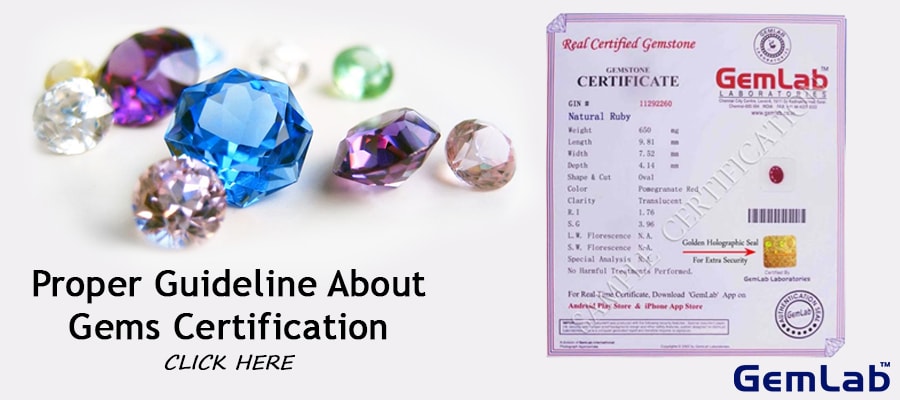

In the intricate world of rare and unusual gemstones, certification plays an indispensable role that goes far beyond mere aesthetics. Buyers and sellers alike face a market rife with complexities—where distinguishing an authentic rare gem from an imitation requires more than surface-level judgment. Certification requirements for rare gemstones ensure that each stone’s origin, quality, and unique characteristics are scientifically validated. This verification not only protects investments but also maintains the integrity of the gemstone trade in 2025. As consumer awareness grows and the demand for transparency intensifies, trusted institutions like GIA, IGI, and AGS are at the forefront, setting rigorous standards for the evaluation of these extraordinary stones.
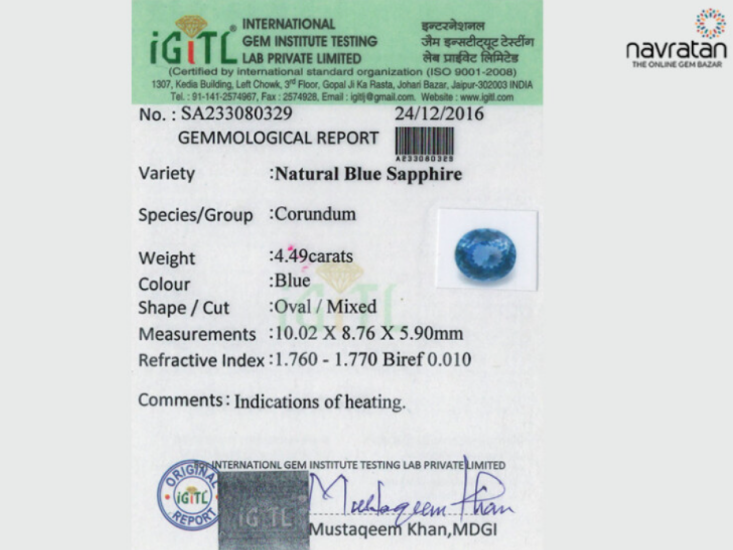
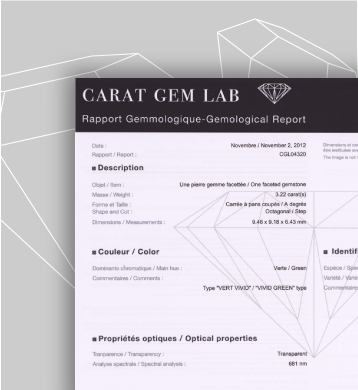
These certifications document critical details such as the gemstone’s type, provenance, color grade, clarity, and any enhancements it may have undergone. Particularly for rare gems—whether an elusive alexandrite, a rare padparadscha sapphire, or a unique mineral specimen—the origin can dramatically influence value, making origin certification a key element developed by labs like Gubelin Gem Lab and the International Colored Gemstone Association. Buyers can thus approach transactions with confidence, while sellers earn enhanced credibility. Moreover, comprehensive certificates aid in insurance appraisal and future resale, providing an indispensable reference point in a market where rarity and veracity converge.
Understanding the certification requirements for rare gemstones also means recognizing the limitations and challenges embedded in the process. For example, the sheer diversity of rare stones demands specialized gemological expertise and advanced analytical technologies. Labs like EGL USA and HRD Antwerp incorporate state-of-the-art spectroscopy, microscopy, and other techniques to differentiate natural gems from lab-grown or treated counterparts, thereby ensuring accuracy that safeguards consumers. This meticulous process plays an essential role in upholding the standards set by industry watchdogs such as the Jewelers Vigilance Committee, which promotes ethical practices in the gemstone sector.
Critical Elements of Certification for Rare and Unusual Gemstones
Certifying rare and unusual gemstones requires a meticulous approach to document every facet that influences their value and authenticity. The certification must detail the gemstone’s type, especially because many rare stones closely resemble more common varieties. Precise identification helps prevent overpaying for misrepresented gems. Additionally, the certification captures the gem’s color grade, a complex measure involving hue, tone, and saturation for colored stones, which greatly impacts desirability.
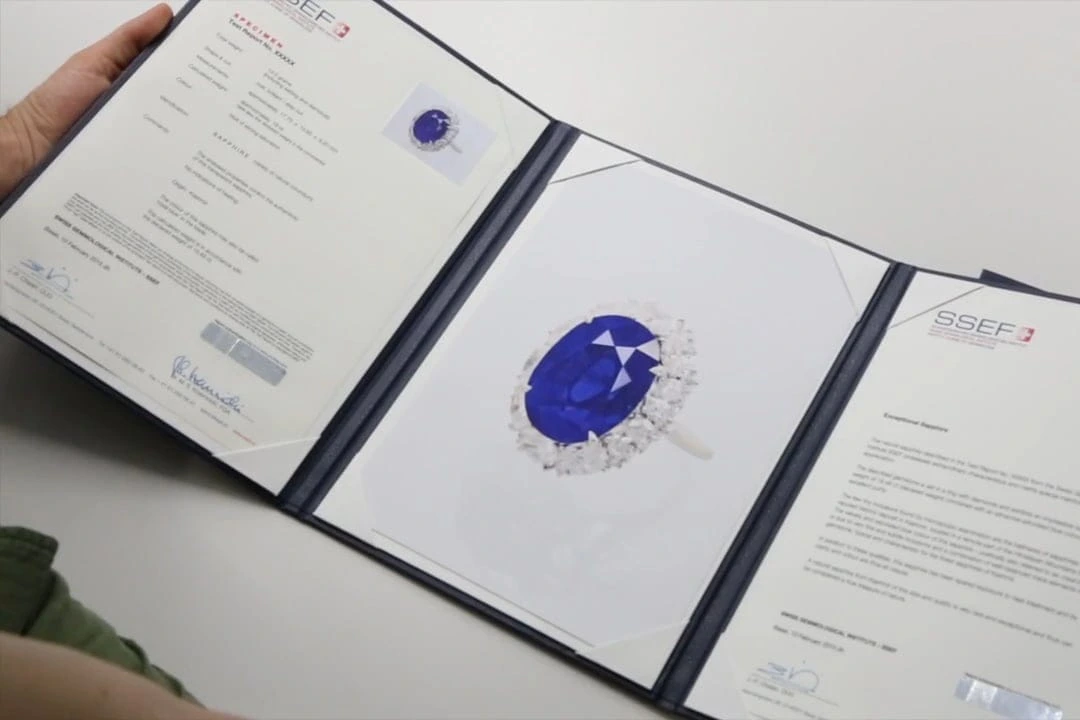
Clarity assessment is equally crucial. Rare stones often feature distinct inclusions that might be intrinsic to their identity and origin. The certificate distinguishes whether inclusions are natural markers or indications of imperfections enhanced via treatments such as heat or irradiation. Labs like the SSEF Swiss and Gemological Science International emphasize transparency around enhancements, noting even subtle treatments such as fracture filling or coating.
Another essential factor in certification is the gemstone’s origin verification, often achieved through inclusion analysis and chemical fingerprinting. Knowing whether a rare gemstone hails from a historically significant mine or a newly discovered deposit affects valuation and collector interest profoundly. This level of provenance detail is a specialty of organizations like the International Colored Gemstone Association, whose certifications are highly sought after for unique gems.
Enhancements and Ethical Considerations in Certification
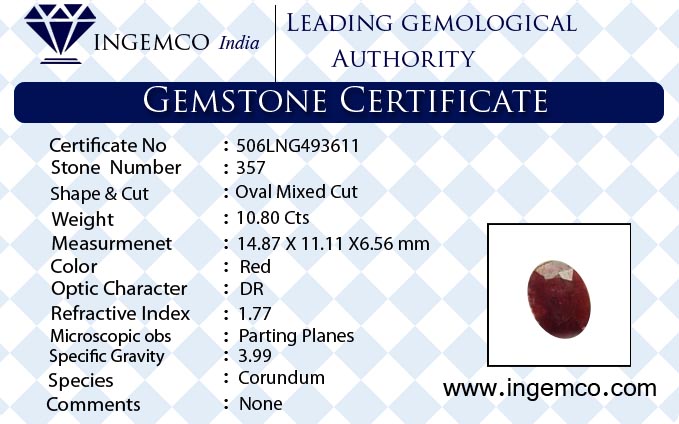
Highlighting gemstone enhancements is a cornerstone of trustworthy certification. Disclosing treatments like heat enhancement or artificial irradiation clarifies the stone’s natural state and guides fair market pricing. Gems treated through these processes generally hold less value compared to untreated stones of similar quality. Here, ethical certification practices ensure consumers are fully informed, preventing deceptive sales that could harm both reputation and market stability.
Furthermore, the rise of ethical concerns surrounding gemstone sourcing in 2025 means that certification must increasingly incorporate ethical gemstone certification standards—covering sustainable mining practices, fair labor conditions, and environmental impact. The Jewelers Vigilance Committee and other bodies have pushed for standards that authenticate not only the gem’s physical qualities but also its responsible origin. This evolving landscape reassures conscientious buyers and bolsters the demand for certified ethical gemstones.
Choosing the Right Certification Authority for Rare Gemstones
The choice of a certifying authority profoundly shapes the reliability of the gemstone certificate. Globally respected labs such as GIA, IGI, and the American Gem Society have cultivated reputations for stringent grading standards and impartiality, which are indispensable when dealing with rare and unusual stones. On the other hand, regional labs including EGL USA and HRD Antwerp provide valuable localized expertise but may vary in recognition depending on market segments.
In 2025, the gemstone market benefits from an increased focus on transparency and technology integration in certification. Digital certificates and advanced grading methods introduced by forward-thinking labs offer enhanced security and traceability, avoiding pitfalls like fraudulent documentation. For those interested in rare gemstones, understanding the nuances and reputations of certification bodies is essential to navigating the market confidently. Resources such as gemstone certifications by GIA, IGI, and AGS provide crucial comparative insights, helping stakeholders make informed decisions.
Investment and Insurance Implications of Gemstone Certification
A certified rare gemstone is not just a collectible but also an asset whose authenticity and provenance can substantially influence its investment appeal. Accurate certification facilitates precise appraisals, ensuring fair insurance coverage and enabling trustworthy resale transactions. Insurers, such as those affiliated with Jewelers Mutual, heavily rely on trusted certifications when underwriting policies.
Moreover, certification costs typically reflect the rarity and complexity involved, ranging between $50 to several hundred dollars depending on institutional standards and analysis depth. For high-value rare gems, such certification is a justifiable expense as it safeguards both buyer and seller interests within a transparent marketplace. Ultimately, the nuanced requirements of rare and unusual gemstone certification reinforce the gemstone’s story—its rarity, origin, composition, and ethical journey—providing a rich narrative that supports both valuation and collector passion.