In the high-stakes world of gemstone resale, certification emerges as the most powerful asset a seller can possess. While the allure of natural and lab-grown gemstones continues to captivate buyers globally, the presence of a credible certification—forged by esteemed institutions such as GIA, IGI, or Gemological Science International—serves as a beacon of trust and quality assurance. This document offers an unbiased, scientific evaluation that directly influences resale value, marketability, and buyer confidence, especially in a market where authenticity can never be taken for granted. As 2025 progresses, the intricate connection between certification and a gemstone’s liquidity underscores why discerning sellers should prioritize proper verification to secure premium offers.
In brief: Certified gemstones, particularly those accompanied by reputable certifications from labs like GIA or IGI, command significantly stronger resale prices and streamline buyer trust. The resale value for uncertified stones can diminish sharply, illustrating the tangible financial advantage certification brings. Moreover, certification acts as both a quality passport and a safeguard against market volatility, thereby enhancing a gemstone’s desirability among platforms like Sotheby’s, Christie’s, and Heritage Auctions. Investing in certification transcends mere formality — it’s an essential strategy in optimizing return on valuable gemstone assets.
How Certification Shapes Gemstone Resale Value in Today’s Market
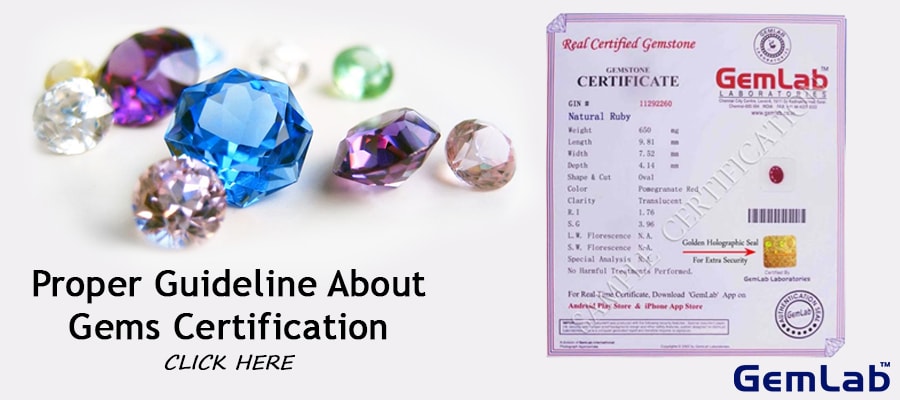
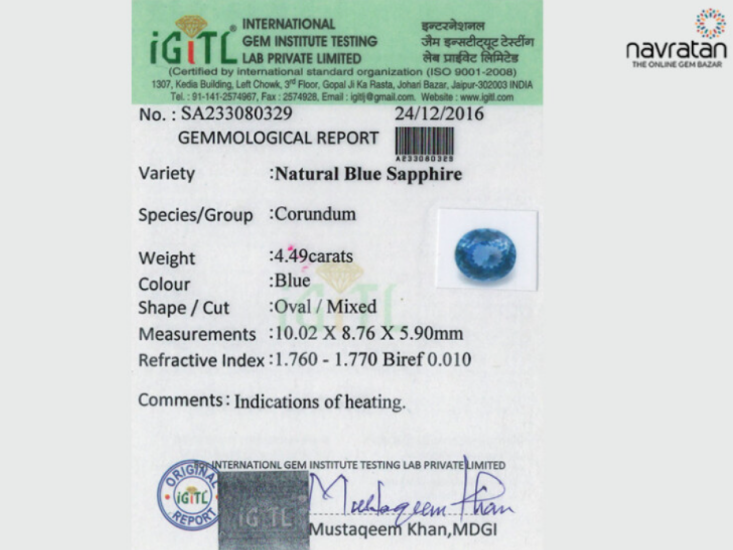
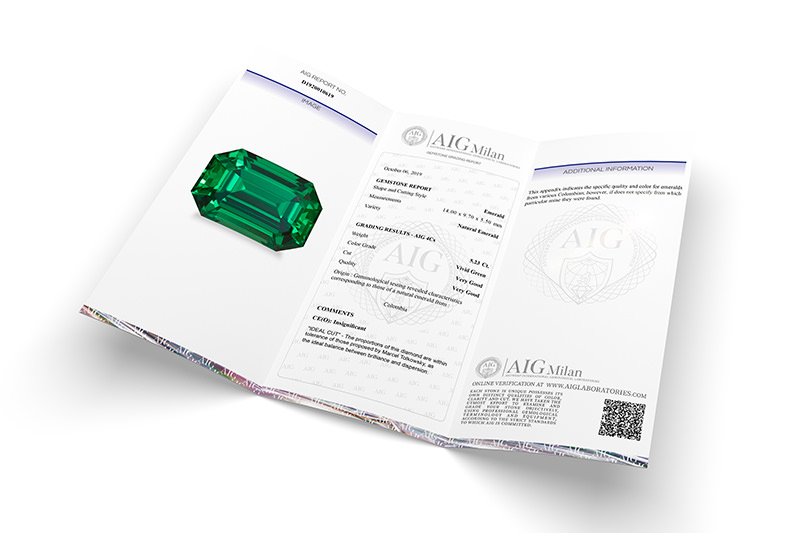
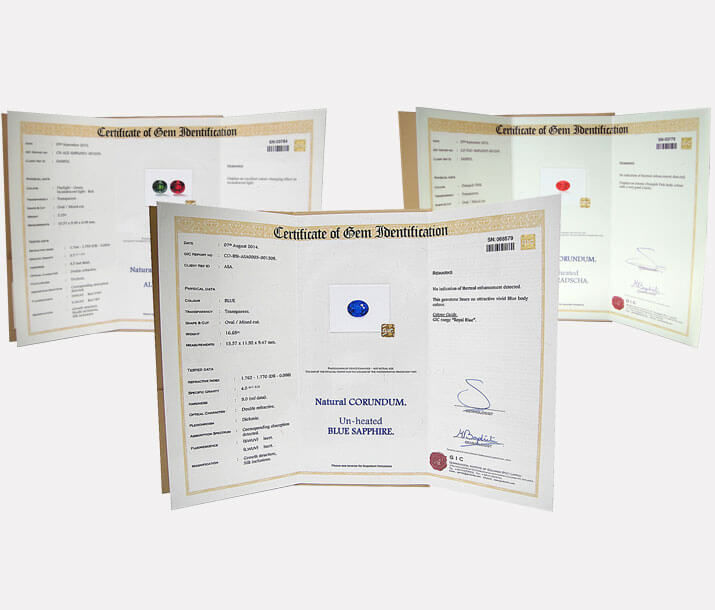
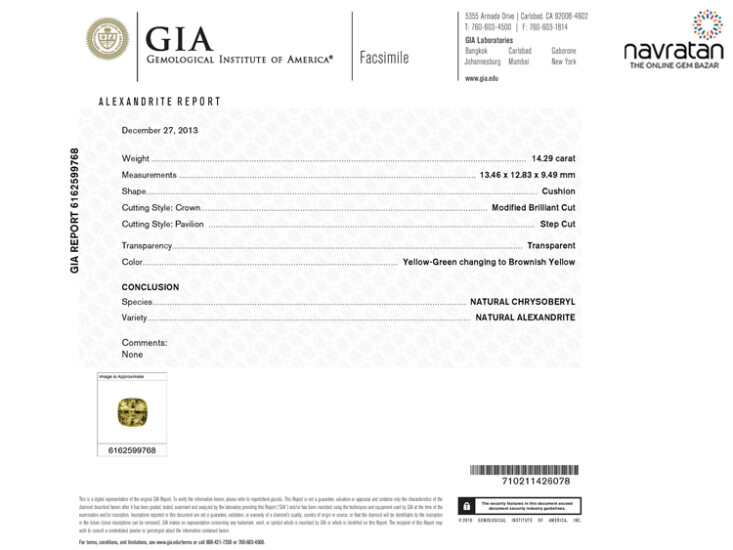
The resale value of gemstones, especially diamonds, hinges decisively on the presence of an authoritative certification. This document, often issued by organizations such as the Gemological Institute of America (GIA) or the International Gemological Institute (IGI), meticulously delineates key gemological attributes like carat weight, color, clarity, and cut. By standardizing these evaluations, certificates become indispensable tools that reduce risk for buyers and elevate seller credibility.
For example, when a diamond is certified by GIA—a name synonymous with rigorous and consistent grading standards—it garners higher bids in the resale marketplace. Comparatively, stones lacking such backing tend to fetch between 25% and 50% of their original price, whereas certified stones secure a larger share of their intrinsic value, thus attracting serious collectors and investors.
Why Trustworthy Certifications from Laboratories Like GIA and IGI Matter
In 2025, the gemstone market prioritizes transparency more than ever. Certification from highly reputable labs such as GIA, IGI, or Gemological Science International is critical because it assures buyers about a gem’s authenticity and quality. These certifications reduce uncertainties and create a marketplace where stones can be traded confidently on platforms ranging from stDibs to auction houses like Bonhams.
Moreover, these certificates often become prerequisites for listings in prestigious auctions by Sotheby’s and Christie’s, infusing the sale with increased legitimacy and higher price expectations. Certification not only mitigates risk but also represents a tangible commitment to quality that the market actively rewards.
Quantifying the Financial Impact of Gemstone Certification on Resale
The financial ramifications of certified versus uncertified gemstones cannot be overstated. Certified gemstones can command up to twice the resale price compared to those without credible documentation. This disparity stems from buyer confidence—when a certification communicates verified value, risk perception drops significantly.
For instance, an engagement ring featuring a GIA-certified diamond purchased at $4,500 may resell for approximately 40% of its original value, a figure notably higher than uncertified stones whose resale value often plummets below 25%. The difference in resale price underscores how certification fortifies the gemstone’s appeal across both individual buyers and institutional buyers including James Allen and Heritage Auctions.
Certification as a Market Differentiator Amidst Volatility
While diamond prices overall have experienced erosion since 2012, certification remains a robust method to enhance asset liquidity. Unlike other luxury assets where provenance might be murky, certified gemstones hold distinct market appeal through clear documentation. This clarity is vital in 2025’s fluctuating market environments with platforms like Rapaport and stDibs analyzing nuanced gem certification reports to determine current market trends and fair pricing.
Investment-grade stones, particularly those with provenance through certification, remain a coveted commodity for both buyers and sellers aiming to navigate volatile demand without compromising returns. Thus, sellers who secure certifications ensure their gems retain competitive standing in a crowded market.
Navigating Certification Options: GIA vs IGI and Beyond
Choosing between certification authorities impacts the prospective resale value directly. GIA certifications, viewed as the industry’s “gold standard,” are celebrated for uncompromising grading accuracy. This reputation translates into premium pricing and easier access to elite selling platforms such as Sotheby’s. In contrast, IGI certifications provide detailed reports valued by many, especially in certain market segments, but may command slightly less resale power compared to GIA.
Other recognized laboratories, including Gemological Science International, also contribute valuable grading services embraced by niche collectors and auction houses like Bonhams and Heritage Auctions, offering alternative pathways for gemstone authentication and resale potential.
Investing in Certification: The Strategic Advantage for Sellers
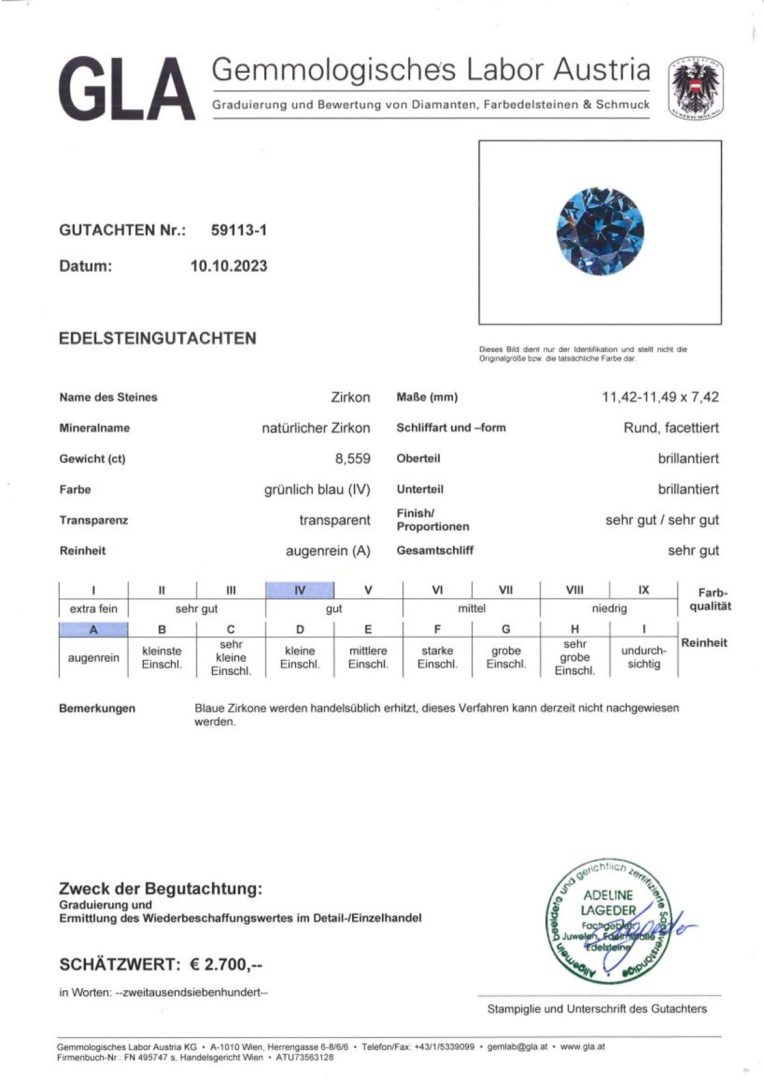
For those intending to maximize value and liquidate gemstone assets, prioritizing certification is essential. Certified stones not only attract buyers more quickly but also justify elevated price points. Sellers benefit from reduction in negotiation friction, as certifications serve as an authoritative reference for a gem’s characteristics and condition, smoothing transactions and accelerating sales.
Furthermore, certification safeguards against common pitfalls such as valuation disputes or authenticity concerns, which frequently surface in uncertified transactions. By opting for certified gemstones, owners align with best practices that reap tangible financial rewards in the resale landscape of 2025.