In 2025, the gemstone market continues to thrive, driven by both collectors and investors seeking assurance about the authenticity and quality of their precious stones. Certification plays a pivotal role in this domain, with buyers increasingly torn between traditional in-person gemstone certification and the burgeoning online certification platforms. Each method offers unique advantages and challenges shaped by technological advancements and evolving consumer needs. The choice between online and in-person certification methods directly impacts confidence, convenience, and credibility, especially as the market grows more globalized and digitalized.
The rise of trusted institutions like GIA, IGI, and HRD Antwerp has fortified the value of in-person certifications, ensuring rigorous hands-on evaluation processes. Meanwhile, online certification services backed by advanced technologies such as Sarine’s digital analysis and platforms like Gemological Science International offer unprecedented accessibility and speed. This dynamic juxtaposition reflects broader challenges faced across education, commerce, and professional validation sectors, stimulating intense debates about authenticity, efficiency, and user experience in gemstone certification.
In brief: The decision between online and in-person gemstone certification depends on accessibility, costs, quality of inspection, and recognition. In-person evaluations provide trusted, tactile examination and immediate dialogue with experts from reputed bodies like AGS and EGL USA. Conversely, online certification emphasizes flexibility, broader reach, and often quicker turnaround times supported by innovations from organizations such as NGL and the International Gemological Institute. Understanding these nuances ensures a well-informed choice aligned with both market expectations and personal convenience.
Accessibility and Convenience: Breaking Barriers or Embracing Tradition?
The primary allure of online gemstone certification lies in its unparalleled convenience. Without geographical restrictions, gemstone owners from remote areas can access certifications from top labs globally—including GIA and IGI. This approach democratizes gemstone validation, allowing for easier investment decisions and broadened market participation.
In contrast, in-person certification benefits those who prefer the reassurance of face-to-face assessments. Labs such as HRD Antwerp provide tactile inspections encompassing color grading, clarity assessments, and physical provenance verification—elements sometimes limited in virtual platforms. The immediacy of dialogue during the process fosters trust and transparency, particularly in high-value transactions. Nevertheless, in-person appointments entail travel costs and logistical planning, potentially deferring urgent certifications.

Flexibility Versus Structured Evaluation
Online certification platforms allow gemstone owners to initiate submissions and track results from their homes, making the process asynchronously manageable around busy schedules or global time zones. Such flexibility is particularly attractive to wholesalers and small retailers who need efficiency without compromising documentation quality.
Yet, this convenience may come at the expense of immediacy. Physical labs offer controlled environments for hands-on testing using advanced equipment that virtual exchanges cannot replicate entirely—such as laser inscription verification or microscopic inclusions examination. Therefore, traditional in-person certification underscores the value of a methodical, sequential review process that reassures buyers about gemstone integrity.
Cost Considerations: Affordability and Value Perception
Financially, online certifications generally present lower upfront costs. Without the overhead of physical facility maintenance, labs like Gemological Science International can offer competitive pricing schemes, often incorporating digital reports and multimedia documentation at no extra charge. This reduces barriers for entry-level gemstone collectors looking to validate their pieces economically.
On the flip side, investing in in-person certification from accredited bodies such as AGS or EGL USA reflects a premium on thoroughness and institutional reputation. Though pricier, these certifications often translate into higher resale values and stronger insurance endorsements, as properties and retailers trust these documented validations more readily. For high-stake acquisitions, many collectors deem this added expense justifiable to safeguard against fraudulent claims.
Balancing Cost With Certification Needs
Decision-makers must weigh the nature of their gemstone portfolio and long-term objectives. For instance, online certifications backed by emerging technologies such as GemPass provide tamper-proof digital records and blockchain-based provenance but may lack the tactile assurances needed for physical auctions or high-end jewelry exchanges. Conversely, hands-on inspection remains indispensable in cases involving complex treatments, rare origins, or antique revaluations.
Therefore, cost evaluation should focus beyond initial fees, incorporating the perceived and actual value that certification imparts to both personal collections and transactional liquidity within the gemstone economy.
Quality and Authenticity Assurance: Hands-On Expertise Meets Digital Innovation
The heart of gemstone certification rests on trust in the precision and honesty of the evaluating authority. In-person labs like HRD Antwerp and International Gemological Institute maintain rigorous protocols overseen by seasoned gemologists, providing thorough grading on cut, carat weight, clarity, and origin certifications.
Meanwhile, online certification services increasingly incorporate AI-enhanced analytics and digital imaging technologies pioneered by entities such as Sarine to streamline authentication. These tools can detect treatments or synthetics with remarkable accuracy, sometimes surpassing traditional subjective assessments.
The evolving landscape suggests a potential hybrid model where preliminary assessments occur online, reserving physical inspection for high-value validation. This approach optimizes resource allocation and speeds up supply chains without compromising reliability.
Interaction and Trust Building in Certification
One distinctive advantage of in-person certification is direct communication. Buyers benefit from immediate expert consultations, clarifications, and demonstrations—an essential factor when deciphering complex reports or negotiating valuations. Compared to online channels, this direct interface can mitigate misunderstandings and expedite critical dealings.
Conversely, online platforms emphasize user-friendly interfaces with comprehensive digital reports, interactive dashboards, and remote consultation options. While convenient, these can sometimes leave clients feeling distanced or reliant on self-interpretation, highlighting the need for robust customer support to maintain trust.
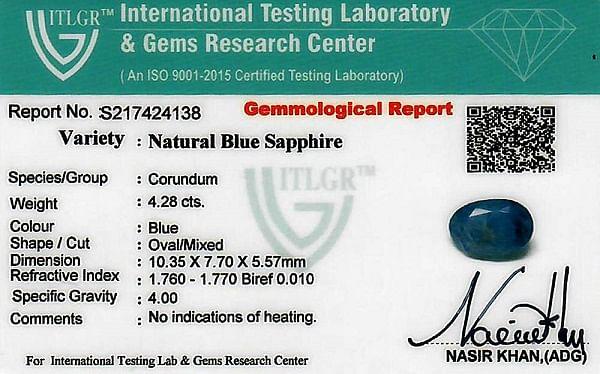
Recognition and Career Implications: Prestige of Certification Sources
In the professional realm, certification credibility significantly influences career trajectories for gemologists, appraisers, and traders. Credentials from highly regarded institutions like GIA confer a mark of expertise broadly recognized in global markets, fostering greater occupational opportunities and client trust.
Similarly, certifications from reputable labs highlight adherence to strict grading and ethical sourcing standards, increasingly vital amid 2025’s emphasis on sustainability and responsible gemstone mining certifications. Online certifications align with these priorities by offering verifiable digital tracking of stone origins and treatments, appealing to eco-conscious stakeholders.
Therefore, the choice of certification route can shape not only the immediate transactional value but also long-term professional recognition and trust within the competitive gemstone industry.