In 2025, the allure of gemstones goes beyond mere beauty; it intertwines deeply with authenticity, ethical practices, and investment security. As collectors and connoisseurs navigate this intricate landscape, understanding the gemstone certification process becomes paramount. This journey unravels the meticulous grading of stones by esteemed laboratories and the rise of ethical standards that shape modern sourcing and cutting methods. From the detailed analysis of characteristics like cut, color, clarity, and carat to the rigorous audits ensuring responsible labor and environmental stewardship, gemstone certification now represents more than verification—it is a testament to transparency and trust in a complex global industry.
Key points to grasp:
- Gemstone certifications guarantee authenticity, quality, and responsible sourcing, providing confidence to buyers and investors alike.
- Leading organizations such as GIA, IGI, and AGS offer precise grading and trusted certification frameworks.
- Responsible cutting standards and bodies like the Responsible Jewellery Council (RJC) advance ethical labor practices, environmental protection, and supply chain transparency.
- Adopting advanced technologies such as blockchain and CNC machinery optimizes traceability and reduces ecological footprints.
- Certification not only protects consumers but enhances resale value and insurance feasibility of gemstones.
Understanding the Gemstone Certification Process and Its Importance
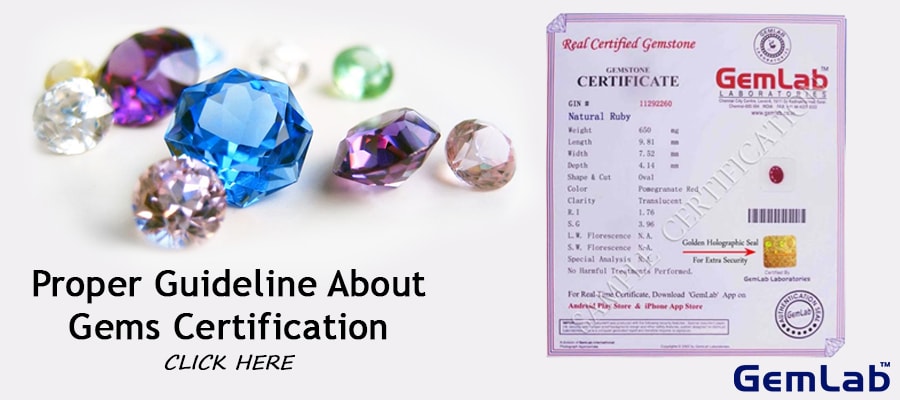
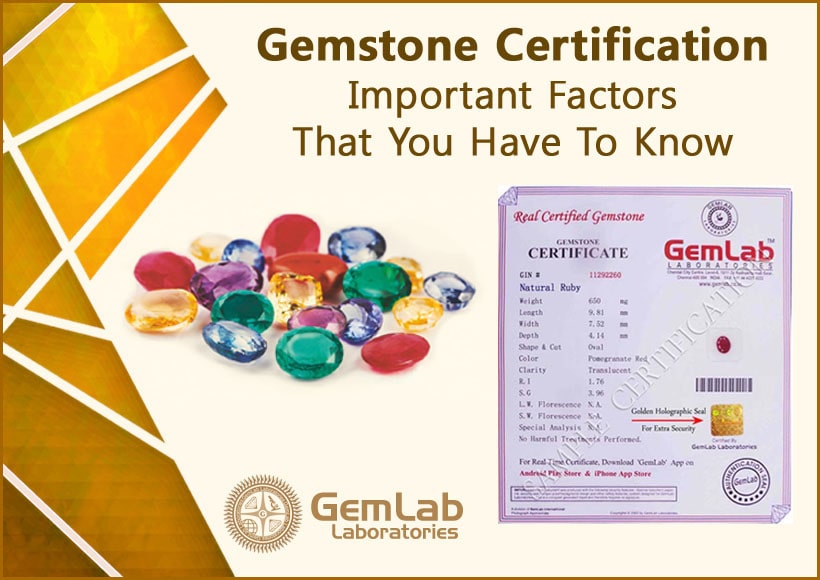
A gemstone’s journey from the mine to the market is complex, involving rigorous scrutiny to establish its authenticity and value. Certification serves as the linchpin in this process, providing collectors and investors with definitive assurance about the gem’s qualities. Laboratories like the Gemological Institute of America (GIA) and American Gem Society (AGS) lead the charge in grading gemstones using sophisticated tools that assess facets such as cut, color, clarity, and carat weight. For example, a ruby graded by the GemResearch Swisslab undergoes detailed analysis to highlight its origin and any treatments it may have endured, assuring buyers of its true nature and provenance.
The Role of Grading Labs in Ensuring Quality and Trust
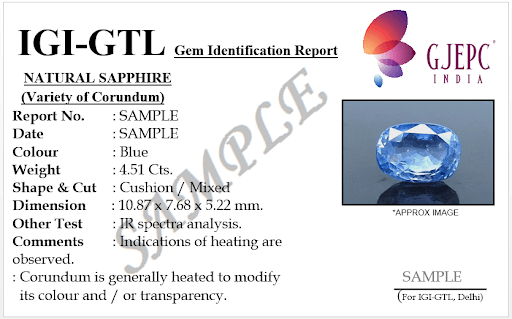
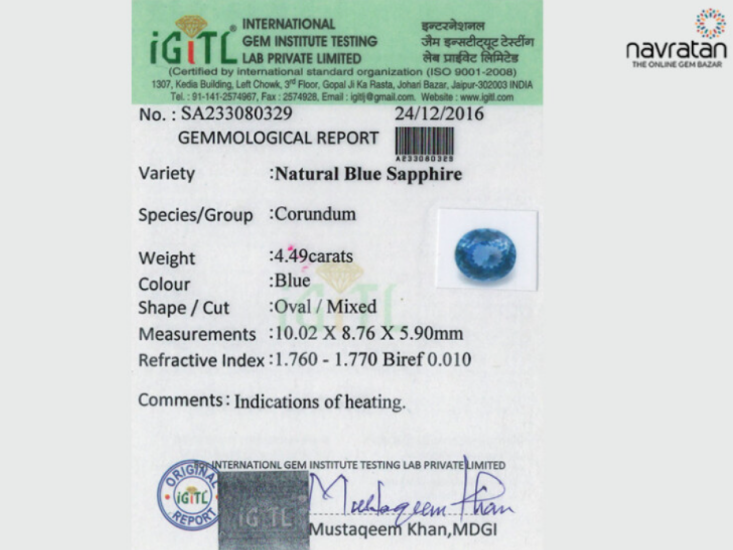
The expertise of grading labs like GIA, IGI, HRD Antwerp, and EGL is pivotal in maintaining the gemstone market’s integrity. Through advanced microscopy, spectroscopy, and origin tracing techniques, these labs distinguish natural stones from synthetics or treated varieties. Their certified reports not only document gem characteristics but also reveal treatments, enhancing transparency. The distinct grading systems, despite differences in terminologies or scales, prioritize accuracy and reliability, which are crucial for collectors discerning subtle distinctions in value and quality.
Bearing a certificate from one of these reputable labs considerably reduces doubts about authenticity and safeguards investments in a market where misrepresentation can significantly affect the gemstone’s value.
Ethical Considerations and Certification in Responsible Gemstone Cutting
Beyond physical characteristics, the modern gemstone certification process has expanded to embrace responsible fabrication and sourcing. Organizations such as the Responsible Jewellery Council (RJC) promote stringent ethical standards covering human rights, environmental conservation, and fair labor practices.
For instance, cutting facilities adhering to RJC’s Code of Practices must ensure safe working conditions, prohibit child and forced labor, and implement waste-reducing technologies that decrease environmental impact by up to 90%. These efforts not only preserve ecosystems but also uphold social justice, aligning with consumers’ growing demand for ethically sourced gems.
Certification Bodies Driving Accountability and Transparency
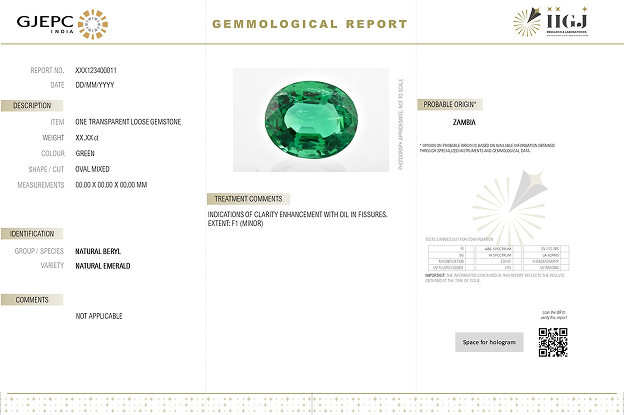
Certification entities like the RJC conduct comprehensive audits and assessments to verify compliance, including thorough on-site evaluations and detailed documentation requirements. Such certifications cover the entire supply chain from mine to market, leveraging modern tools such as blockchain to ensure traceability and authenticity. This heightened transparency generates a trustworthy industry environment, allowing buyers to track their gem’s journey and ensuring miners, cutters, and retailers adhere to responsible practices.
Echoing this trend, labs including NGTC, SGL, and JTL have integrated ethical compliance into their evaluations, further solidifying consumer trust.
How Certification Impacts Gemstone Value and Marketability
Certified gemstones command a premium due to the confidence that certification provides. Documentation from esteemed labs such as GIA and Gubelin ensures stones are accurately described, thus enhancing resale potential and ease of insurance coverage. This transparency helps investors and collectors avoid risks associated with undisclosed treatments or synthetic imitations.
Moreover, certified stones are more attractive in markets worldwide given their traceable origins and adherence to environmental and social protocols, which reflects positively on the seller’s reputation. Understanding these dynamics equips buyers to make educated decisions and realize the full value of their investments.