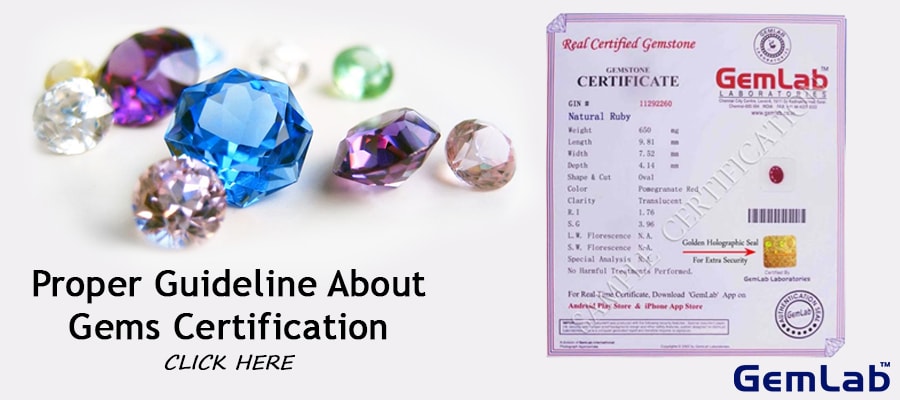

In the dynamic world of gemstones, certification stands as a critical pillar for authenticating value, origin, and quality. For buyers and investors alike, a certificate is far more than a mere document—it is a guarantee of trust amid a market brimming with variables. As the global gem trade expands in 2025, understanding the multifaceted factors influencing gemstone certification has become indispensable. These elements range from the intricate nature of the stone itself to the expertise and standards of the certifying institution. Recognizing the diverse influences that shape the certification outcome not only empowers purchasers but also fortifies the integrity of the entire industry.
En bref :
— Gemstone certification provides verified data on authenticity, quality, origin, and treatments.
— The gem’s physical properties and any enhancements directly impact certification results.
— The choice of reputable labs like GIA, IGI, AGS, or SSEF affects report accuracy and market acceptance.
— Advanced testing methods and gemologist expertise are crucial for thorough evaluation.
— Market demand and provenance information influence the valuation and certification particulars.
Understanding the Impact of Gemstone Characteristics on Certification Outcomes
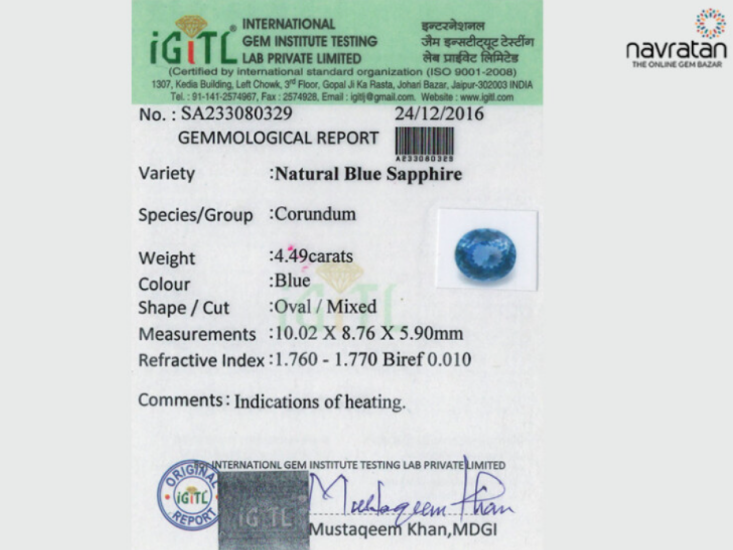
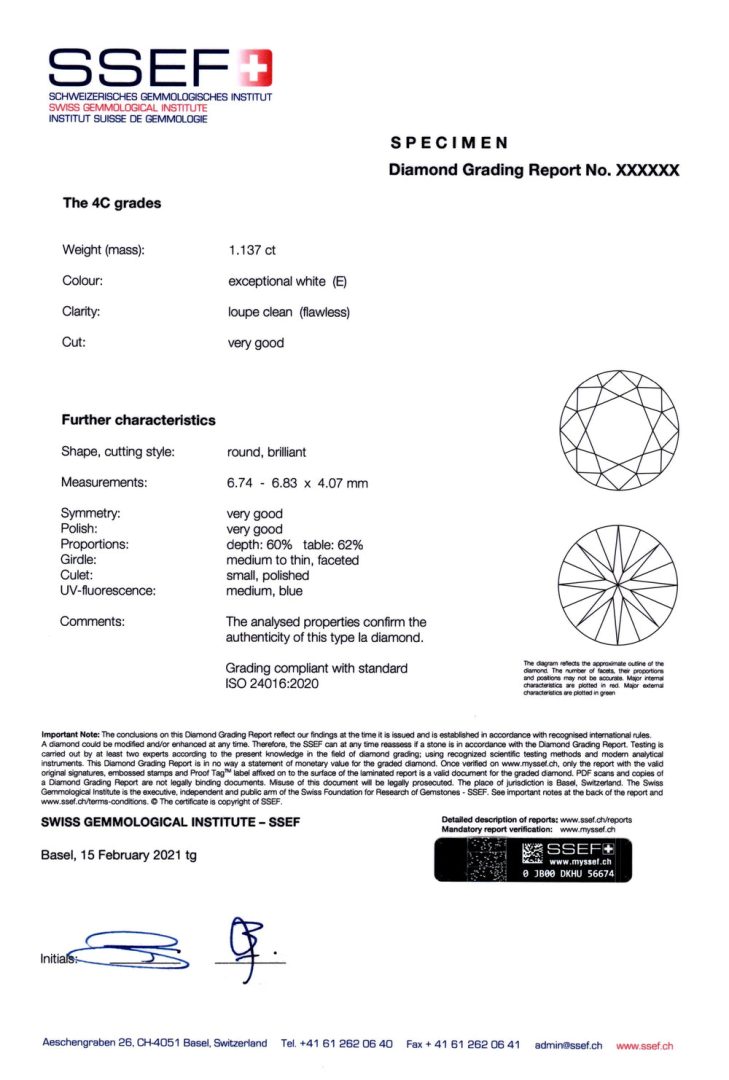
Each gemstone carries unique traits that shape its certification profile. Factors such as the type of gemstone, its carat weight, color saturation, clarity, and cut intricately influence the evaluation. For example, a rare Padparadscha Sapphire demands meticulous analysis due to its complex hue and scarcity. Clarity assessments vary depending on inclusions, which can be natural features or treatments such as fracture filling—all recorded precisely in certification reports. A gemstone’s treatment history, including heat or irradiation, is a pivotal element, as transparency in this matter ensures buyer trust and protects investment value. The presence of these variables means that no two certificates are identical, underscoring the importance of a tailored and expert grading process.
The Role of Laboratory Standards and Gemologist Expertise
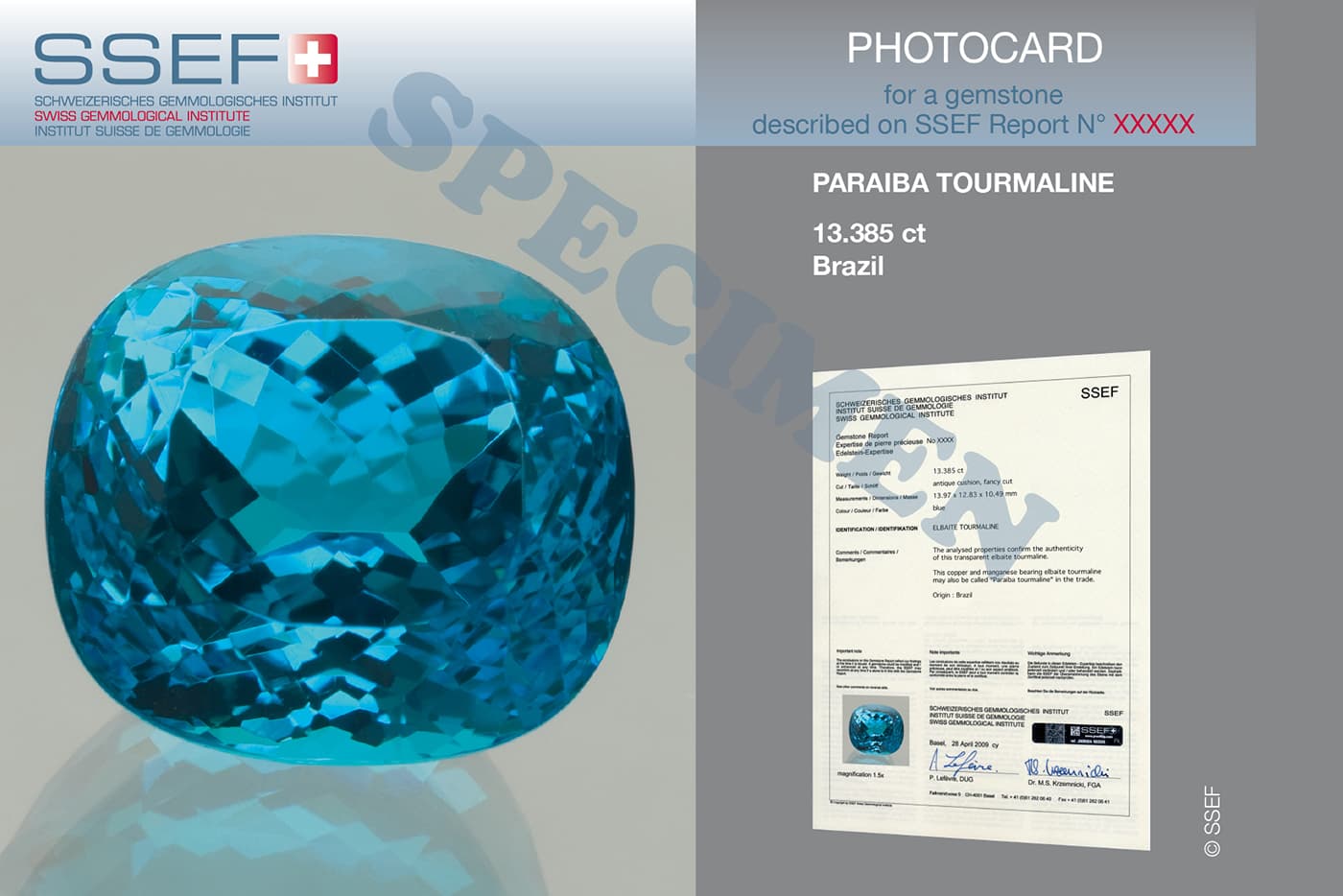
Behind every credible gemstone certificate lies the skill of expert gemologists and the rigorous standards upheld by prestigious labs. Institutions like the GIA, IGI, and AGS are recognized worldwide for their stringent evaluation criteria and use of state-of-the-art technologies. Their assessments involve advanced equipment such as UV fluorescence, infrared spectroscopy, and X-ray fluorescence, facilitating precise identification and detection of treatments. Notably, labs like SSEF and Gübelin Gem Lab specialize in high-value stones, offering enhanced scrutiny on provenance and treatment disclosures. The expertise level greatly influences certification outcomes, as well-trained gemologists can discern subtle features that might affect a stone’s value or authenticity.
How Technology Advances Shape Certification Accuracy and Transparency
The advent of sophisticated testing methodologies has revolutionized gemstone certification. Digital tools now complement traditional assessments, enabling faster and more detailed reports. Techniques like 3D imaging and digital spectroscopy contribute to comprehensive analyses, improving consistency across labs. In 2025, digital certification options provide easy verification through unique certification numbers accessible online, enhancing transparency for buyers and dealers. Moreover, integration of blockchain technology is emerging, promising immutable provenance tracking and reducing risks of fraud. These technological strides not only refine the certification process but also elevate consumer confidence in the authenticity and quality of gemstones.
The Influence of Provenance and Market Demand on Certification
Certification is not solely a technical exercise; economic and historical factors also weigh heavily. The origin of a gemstone, as certified by labs such as NGTC or CGL, can significantly affect its market value. A Burmese ruby or Sri Lankan sapphire certified for origin carries premium demand, which in turn influences the scope of the certification report. Market trends drive focus toward certain stones, pushing labs to refine grading practices to accommodate consumer expectations for transparency regarding treatments, origin, and ethics. The certification of provenance therefore plays a dual role: enhancing desirability while anchoring trust in the evolving gemstone marketplace.