Verifying the provenance of gemstones through certification has become an indispensable part of today’s jewelry and investment markets. Each gemstone carries a distinctive geological story shaped by millions of years of natural processes, yet this narrative must be reliably documented to distinguish genuine, ethically sourced stones from synthetics or misrepresented specimens. In an era where buyers demand transparency and assurance, certification serves as the crucial link between the gem’s origin and its owner’s confidence. Laboratories such as GIA, IGI, SSEF, and the Gübelin Gem Lab provide rigorous, science-backed evaluations that detail a gemstone’s identity, qualities, and geographic source. This verifiable documentation ensures that gemstones transcend mere aesthetics, embodying integrity, authenticity, and lasting value in the marketplace.
En bref :
- Certification is fundamental to establishing a gemstone’s authenticity and origin, leveraging advanced techniques like EDXRF and spectroscopy.
- Leading gemological institutions such as GIA, IGI, and HRD Antwerp ensure standardized and credible evaluation.
- Traceability and provenance certification protect both ethical sourcing and financial investment in gemstones.
- Understanding how to interpret certification reports and verify authenticity in official laboratory databases is essential for any buyer.
- Professional gemologists and comprehensive lab reports enhance confidence by bridging scientific analysis with the gem’s story.
How Certification Establishes Gemstone Provenance and Builds Buyer Confidence
Every gemstone’s story begins deep within the Earth, but it is certification that translates this natural history into trust for the modern buyer. Beyond the visual beauty of a diamond’s brilliance or the captivating color of a sapphire, provenance—authenticated through certification—represents the gem’s verified journey from source to market. Accredited bodies such as the Gemological Institute of America (GIA) and IGI apply standardized criteria to measure cut, color, clarity, and carat weight, while integrating advanced tests that disclose geographic origin. These certifications act as immutable records, providing assurance against synthetic imitations or undisclosed treatments that remain prevalent in today’s gemstone industry. Without such certification, discerning buyers risk acquiring stones that lack authenticity or ethical transparency.
Scientific Techniques Behind Provenance Verification
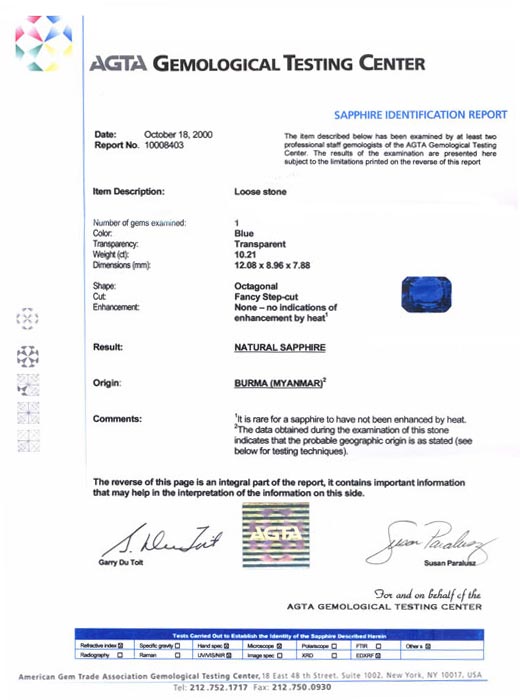
The crux of origin verification lies in advanced laboratory methods capable of unearthing a gemstone’s chemical and structural fingerprint. Tools such as Energy Dispersive X-ray Fluorescence (EDXRF) and optical spectroscopy analyze trace elements within gemstones, which vary according to their unique geological environments. These scientific signatures allow laboratories like the Gübelin Gem Lab and SSEF to determine if a gemstone originated in famed mining regions, be it the sapphires of Sri Lanka or the emerald deposits of Colombia. This non-destructive testing ensures the gem remains intact while supplying concrete data about both authenticity and provenance.
Such methods complement expert gemologist assessments, creating a synergy of science and human expertise. The use of refractometers to measure refractive index, polariscope birefringence, and laser inscription technologies further enhance traceability and provide robust layers of verification that uphold the reputation of certified gemstones.
Trusted Laboratories and Their Role in Upholding Certification Standards
Not all certification agencies carry equal weight. The reliability of gemstone provenance hinges on selecting accredited laboratories that comply with international standards—such as ISO certification—and employ certified gemologists professionally trained in the field. Highly respected labs including HRD Antwerp, GemCert, and Ward Gem Lab maintain stringent testing protocols designed to safeguard transparency and accuracy. They also integrate digital verification systems that enable buyers to cross-reference report numbers against official databases, providing an immediate check on authenticity.
Consumers seeking to navigate the complex landscape of gemstone certification benefit greatly from understanding the different agencies’ reputations and scopes. The choice of a reputable lab directly influences the gemstone’s recognized market value and insurability, underscoring the financial and ethical implications coupled with accurate provenance validation.
Interpreting Certification Reports to Verify Gemstone Origin
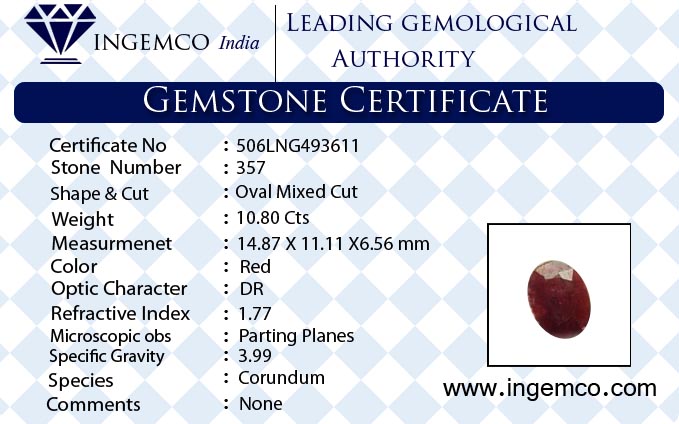
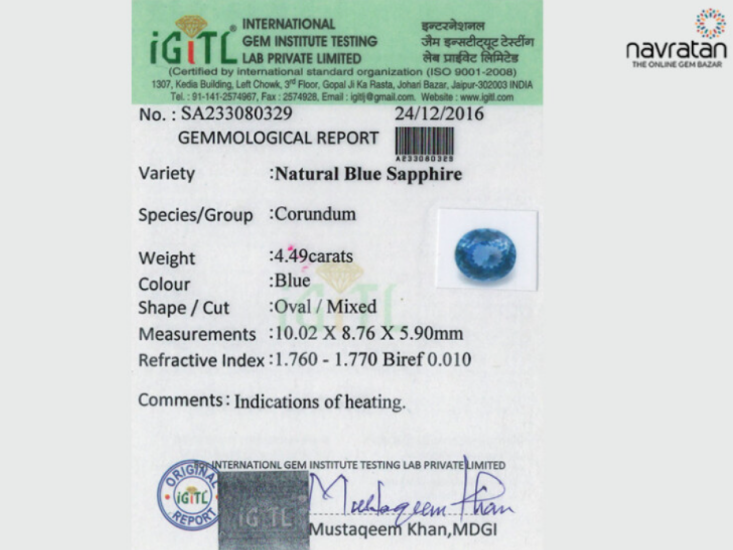
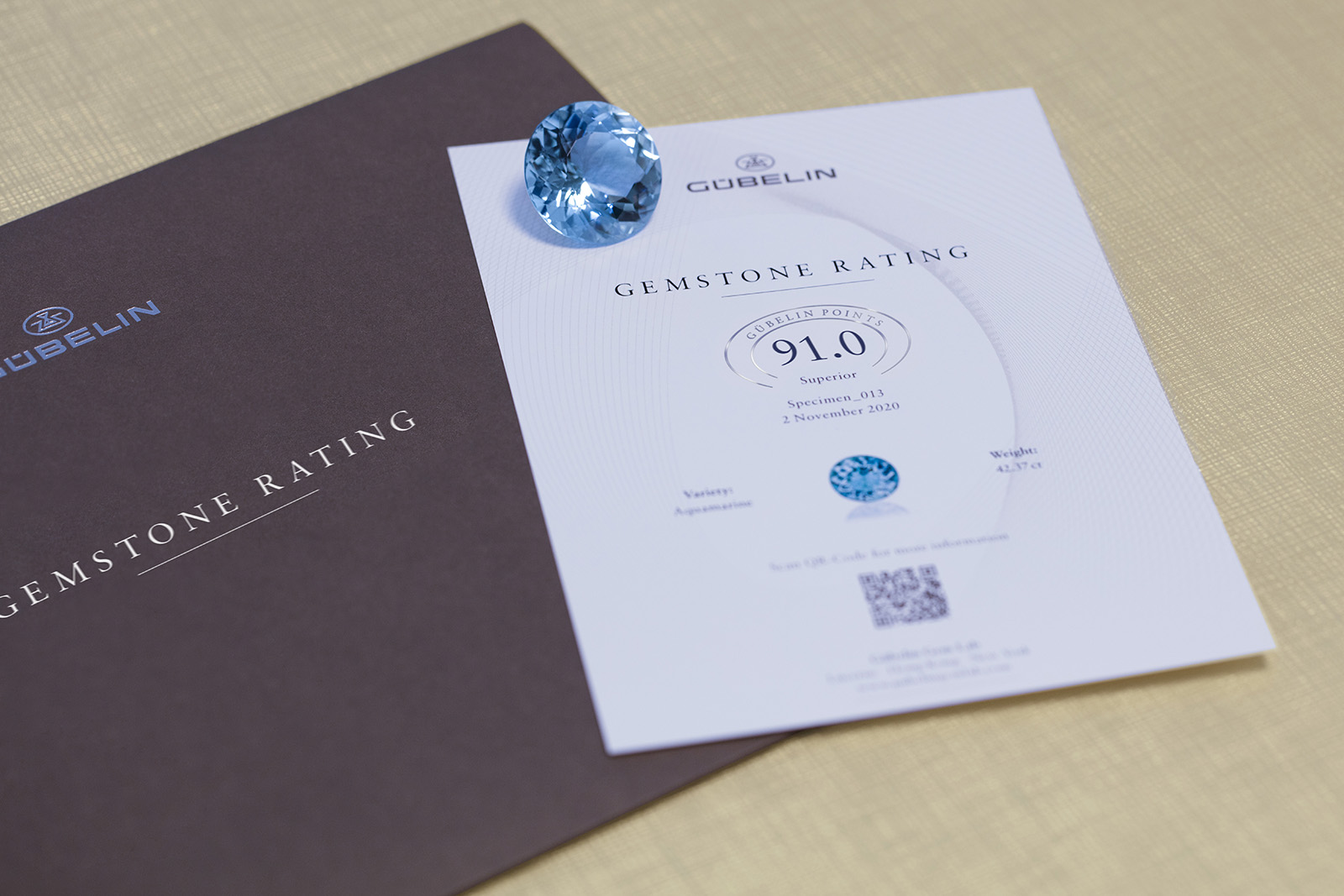
Certification reports serve as comprehensive passports for gemstones, detailing not just their physical qualities but crucially their geographic origin and treatment history. Buyers equipped with the knowledge to read and interpret these documents avoid costly pitfalls. Reports from GIA or IGI, for instance, include coded data like species, color grade, clarity, and notes on enhancements. Recognizing the significance of these entries and understanding legitimate origin certifications are vital steps that every purchaser should master. Guides on certification interpretation help decode complex terminology, facilitating confident decisions rooted in scientific clarity.
Moreover, cross-verifying the certificate number through laboratory online portals is an indispensable practice that confirms the document’s legitimacy. This layered verification diminishes the risk of forgery and underlines the necessity of reputable certification when investing in precious stones.
Ethical Sourcing and Transparency: Cornerstones of Modern Provenance
The significance of provenance extends beyond authenticity to encompass ethical considerations in the gemstone supply chain. In a landscape increasingly sensitive to issues like conflict diamonds and environmental impact, provenance certification signals responsible sourcing. Jewelers such as Tiffany & Co. and mining organizations like Gemfields champion strict compliance with fair-trade practices, integrating provenance verification as a hallmark of integrity.
Certification not only legitimizes the gem’s physical origin but also substantiates the ethical journey it has undergone, assuring buyers that their acquisition supports sustainable and humane mining. This transparency fosters consumer trust and elevates the cultural and financial value of certified gemstones.