Disputing an incorrect gemstone certificate can be a critical process for protecting your investment and ensuring the authenticity of your gemstone. In the elaborate and sometimes opaque world of gemstones, certification serves as a benchmark for quality, origin, and treatment disclosure. Yet, inaccuracies or fraudulent certificates cloud the market, compelling buyers and sellers alike to understand how to address disputes effectively. In 2025, with more sophisticated gemological technologies and increasingly intricate fraud schemes, knowing when and how to challenge questionable gemstone certificates is essential for maintaining transparency and trust in the industry.
Buying a gemstone without reliable certification or discovering discrepancies in existing documents may severely affect the stone’s market value and resale prospects. The distinction between natural and synthetic stones, or untreated versus treated gems, often hinges on precise details listed in official certificates issued by recognized entities such as GIA, IGI, AGS, EGL, and HRD Antwerp. Understanding the reliability, scope, and verification protocols of these certificates empowers consumers to safeguard their interests and make informed decisions.
The process of disputing an incorrect certification involves a careful examination of the report’s content, verification through trusted gemological laboratories, and potentially seeking expert re-evaluations. Amid growing discussions around counterfeit certificates and improper grading practices, consumers need a clear framework to navigate certificate disputes in 2025.
Key aspects to consider when disputing a gemstone certificate:
– Authentication of the issuing body and report through official channels.
– Verification of the gemstone’s physical characteristics against the certificate.
– Engaging independent gemological experts for a second opinion.
– Awareness of the impact of treatments and enhancements on certificate validity.
– Proper documentation and communication during the dispute resolution process.
Identifying errors and inconsistencies in gemstone certificates to ensure authenticity
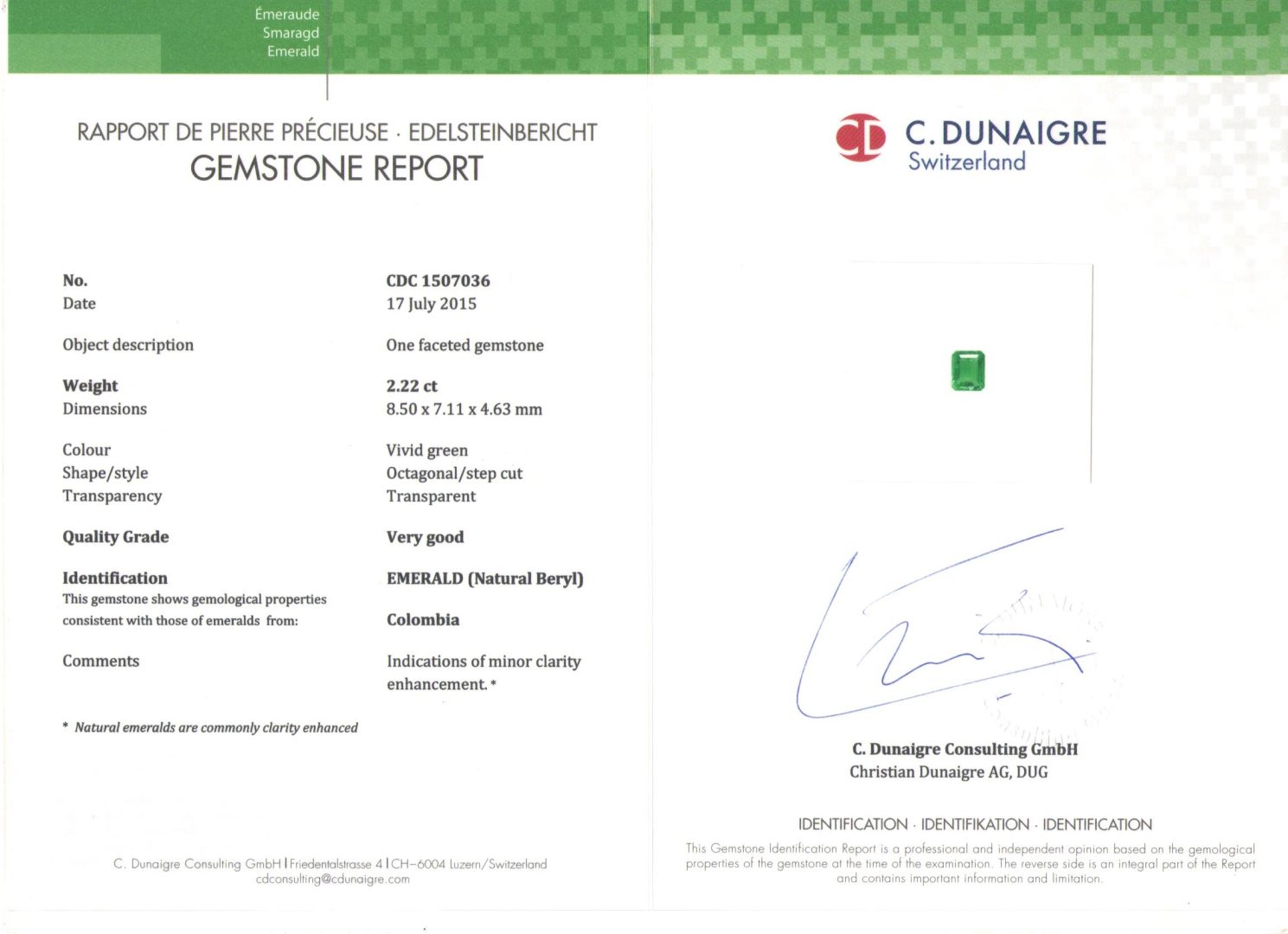
Incorrect or misleading information on gemstone certificates can significantly misrepresent a gem’s true nature. A certificate without verifiable authority or signature does not inherently invalidate a gemstone, but it should raise a red flag to seek a second opinion from a reputable institution. For instance, misclassification between natural and synthetic stones, or omission of heat treatments, can unjustly alter the gemstone’s perceived worth.
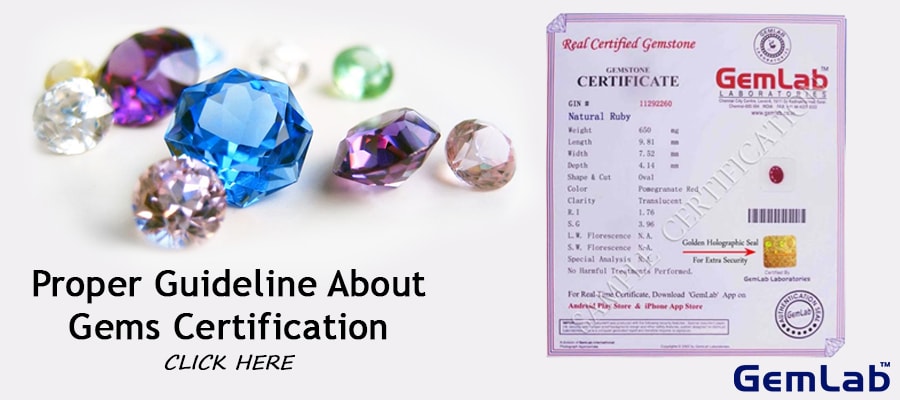
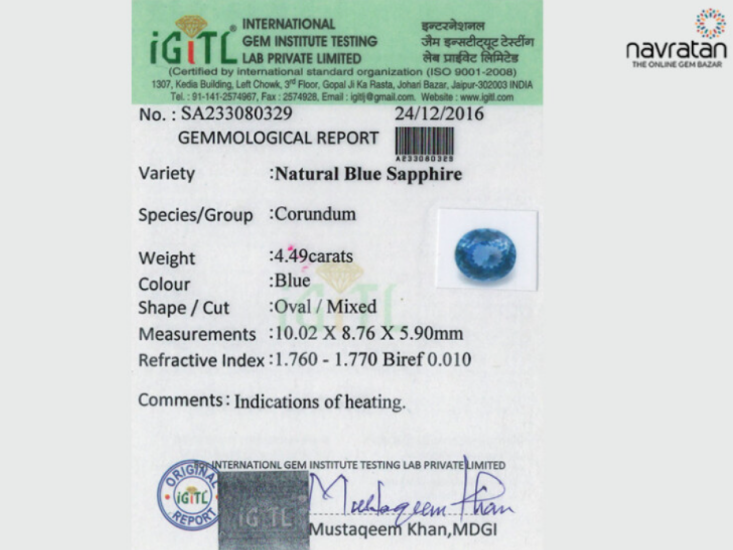
Reputable labs such as Gemological Science International or Antwerpsche Diamantkring offer rigorous analysis leveraging advanced techniques to certify stones accurately. Buyers must cross-reference details like carat weight, color grade, refractive index, and specific gravity against the certificate’s report and the physical gem. Discrepancies in these parameters likely indicate errors or potential fraud.
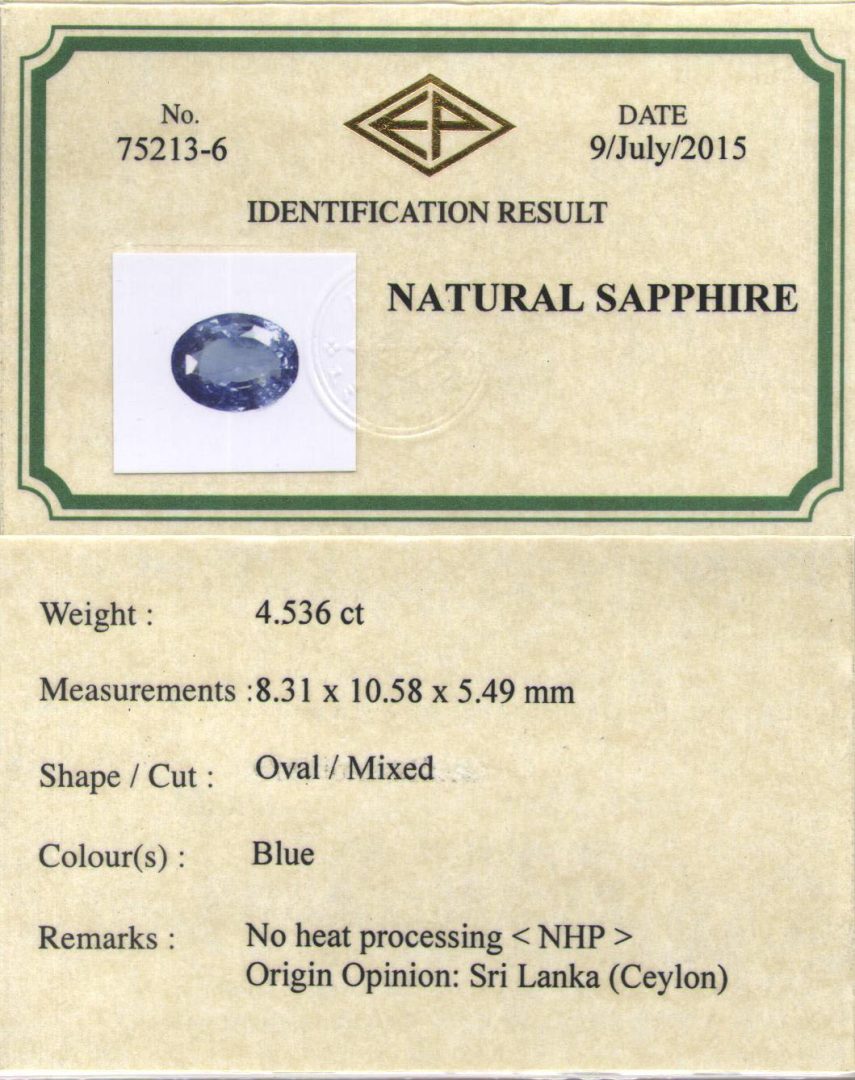
Understanding gemstone certification nuances for dispute resolution
The industry distinguishes between independent laboratory certifications and in-house certifications issued by sellers. The former generally provides more impartiality, making them more reliable for dispute investigations. Misleading statements by jewelers or incomplete disclosures on certificates—such as failing to mention enhancements or treatments—can give grounds for dispute and demands for re-certification.
In 2025, technology platforms allow seamless online verification of certificates by entering certification numbers on the official lab websites. This innovation reduces the risk of counterfeit certificates circulating in markets worldwide, particularly from platforms like Rapaport and organizations governed by standards such as the Jewelers Vigilance Committee.
Steps to dispute an incorrect gemstone certificate effectively
To challenge a questionable certificate, start by collecting all relevant documentation related to the purchase and certification. Then, request a comprehensive reassessment from a certified laboratory—preferably one recognized globally, such as GIA or IGI. Maintain transparent communication with the seller to address discrepancies and document all correspondences.
In cases where fraud is suspected, reporting the issue to regulatory bodies and gemstone certification authorities is crucial. This may involve presenting evidence of inconsistencies or fraudulent grading practices. Several services specialize in certification upgrades and gemstone re-evaluations to correct errors and restore rightful value to your investment. For additional insight, see gemstone certification upgrades.
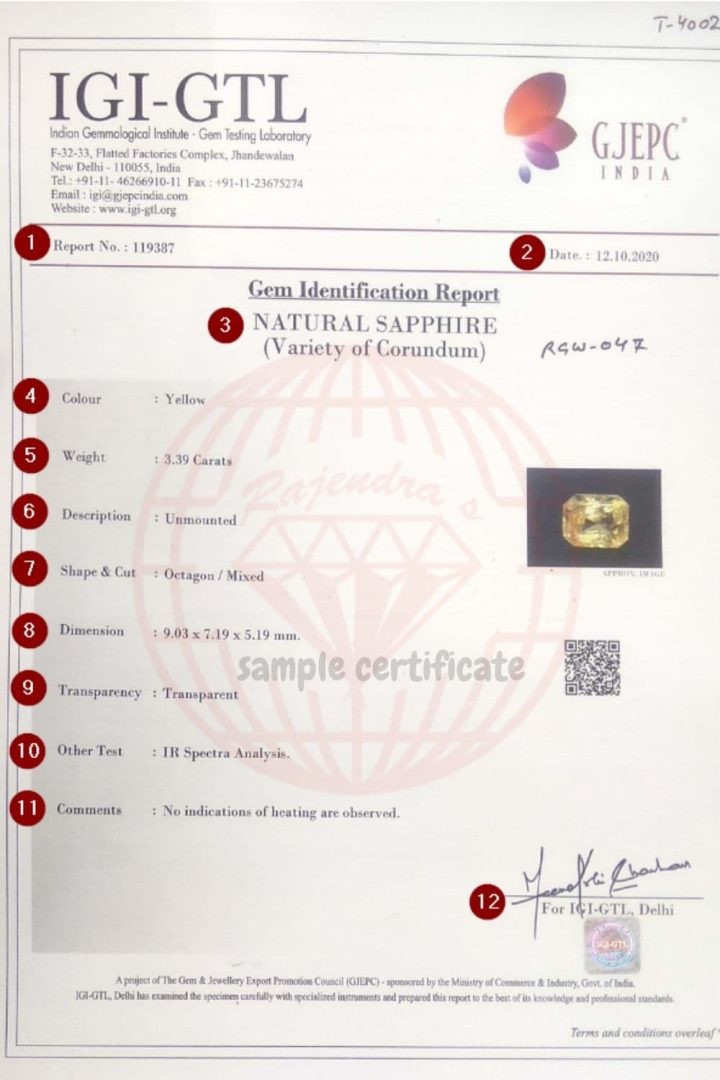
Disputing a certificate is not only about recovering value but preserving the integrity of the gemological market. Buyers can also consult resources to understand the typical features and security elements incorporated in authentic certificates, like holograms and watermarking, which help spot counterfeits. Secure storage and transfer of certificates play a pivotal role in maintaining ownership legitimacy — learn more about secure storage of certificates.

When to seek insurance claims for gemstone certification disputes
Insurance claims related to gemstone certification often require valid, trusted certificates to substantiate the valuation of insured items. If your certificate is proven incorrect, insurers may deny claims or reduce insured amounts. Buyers should familiarize themselves with policies that necessitate certification proofs—resources like jewelry insurance claims and certification provide essential guidance in these scenarios.
Additionally, insurance firms may require annual re-certification or verification of gemstones to maintain coverage. Expertise from trusted labs ensures that the insured value matches the market and intrinsic worth accurately, preventing costly surprises during loss or damage claims.
Implications of disputes on gemstone resale and market trust
Incorrect certification can severely hinder resale opportunities and diminish market confidence. Certified gemstones garner more trust among buyers, as certificates provide transparent, reliable information about the gem’s attributes and origins. Disputes tarnish the perceived reliability of certificates and challenge sellers to demonstrate authenticity credibly.
Studies reveal a growing trend in gemstone buyers demanding certificates from prestigious laboratories like GIA, Sarine, and Gemlab before purchase in 2025, illustrating the market’s increasing insistence on verified quality. For those seeking to sell or buy, understanding the nuances of certificate credibility is critical—find further guidance at tips for buyers and sellers on gemstone certificate credibility.