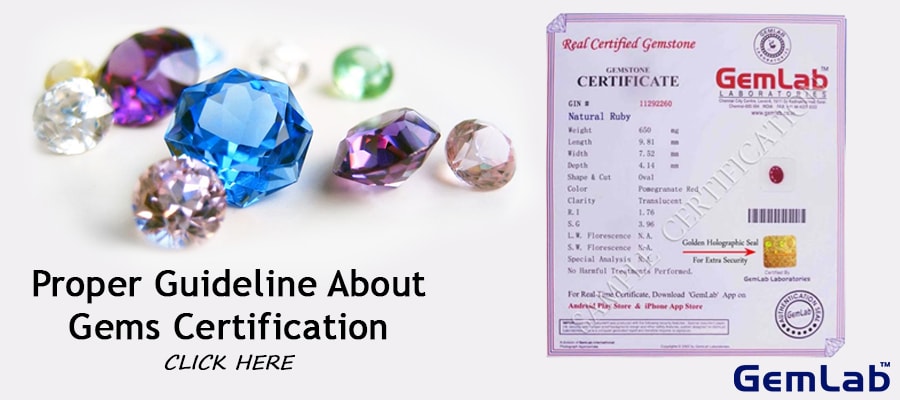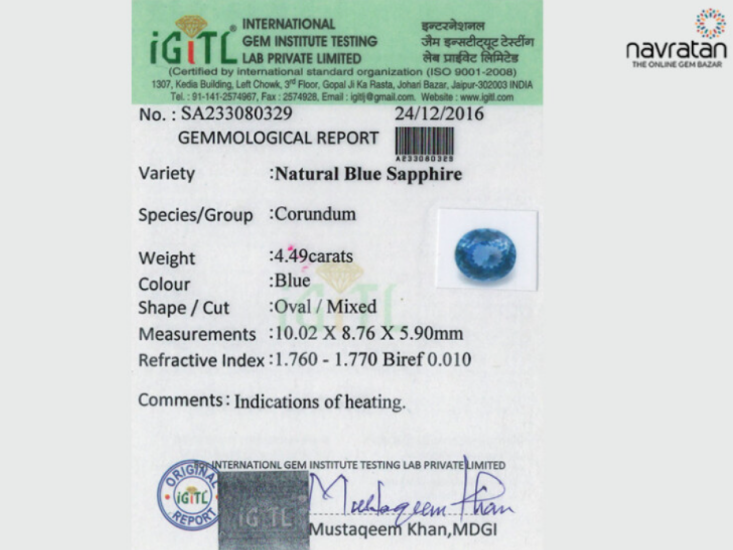
In the high-stakes world of gemstone trading in 2025, authenticity, trust, and precision form the backbone of every transaction. A credible gemstone certificate acts as the definitive identity proof for a gem, offering buyers and sellers transparent, reliable information about the stone’s origin, quality, and treatments. Beyond mere verification, these certificates empower seasoned jewelers, collectors, and investors with the knowledge needed to distinguish truly valuable gems from imitations or treated stones of lesser worth. As the market grows globally interconnected, the value of reputable certification from renowned institutes such as GIA, AGS, and GRS has become indispensable, enabling smooth negotiations and safeguarding investments on an international scale. This guide dissects the essential attributes that underpin trust in gemstone certificates, revealing how these documents influence pricing, buying decisions, and resale value in today’s refined gemological landscape.
In brief: The essence of a credible gemstone certificate hinges on several critical elements. First, it guarantees the gem’s authenticity and specifies its type, weight, color, clarity, shape, cut, and any treatments applied. Second, a trustworthy certificate originates from an independent, globally recognized laboratory like GIA, AGS, IGI, or Gubelin, ensuring unbiased evaluation. Third, understanding the certificate’s detailed parameters, including the origin’s impact on value—such as a Mogok ruby’s premium price—is key to informed buying. Lastly, armed with a legitimate certificate, stakeholders benefit from clearer valuation, enhanced insurance options, and straightforward resale, reinforcing the certificate’s role as the gem’s indispensable “passport” in the global market.
What defines the credibility of a gemstone certification in 2025?
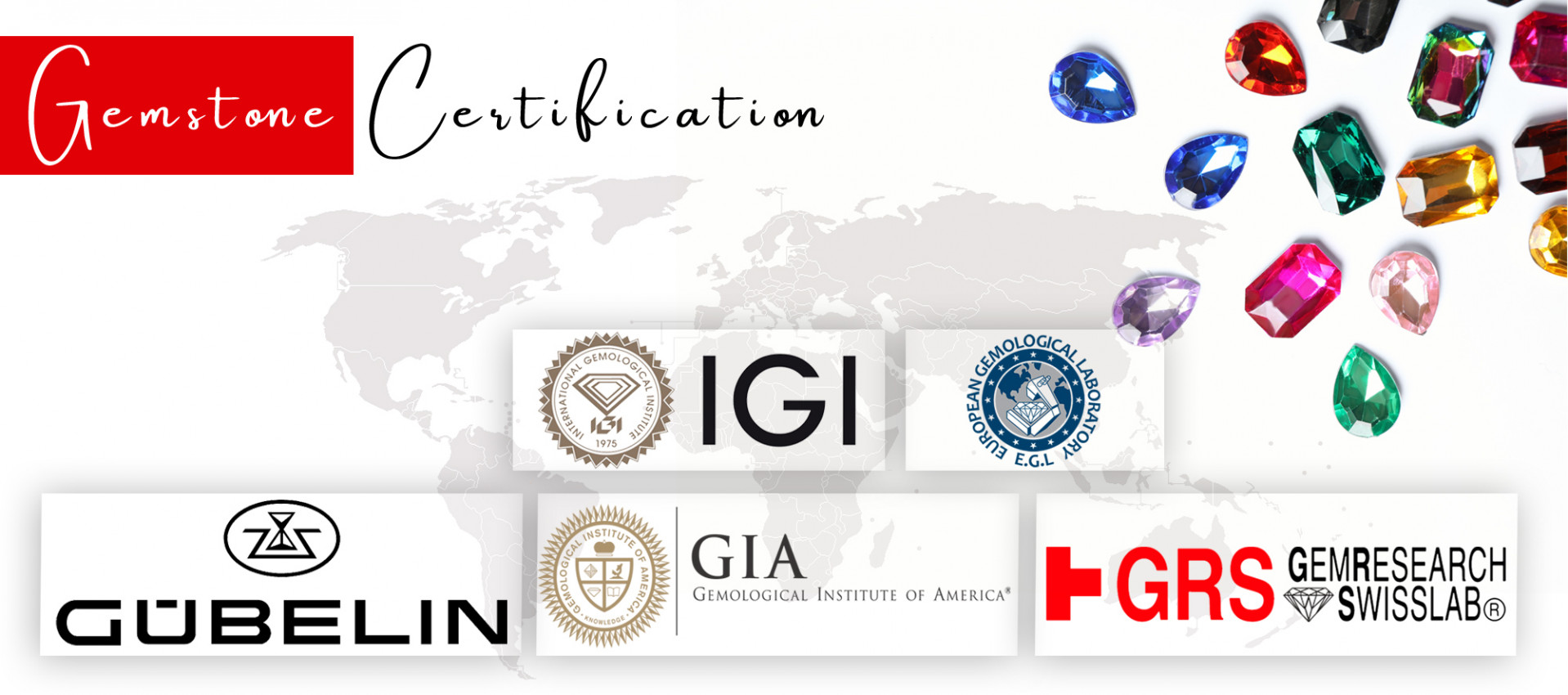
In a complex industry defined by nuances of color, clarity, and provenance, the credibility of a gemstone certificate is not merely about listing facts; it is about the integrity behind those facts. Genuine certificates are issued by distinguished laboratories such as the GIA, AGS, IGI, and Gubelin. Their global reputation stems from rigorous testing protocols, ethical grading standards, and transparent disclosure. These labs employ advanced gemological instruments, including spectroscopes and polariscope analyses, to thoroughly document each gem’s unique characteristics and detect treatments or enhancements that might affect value.
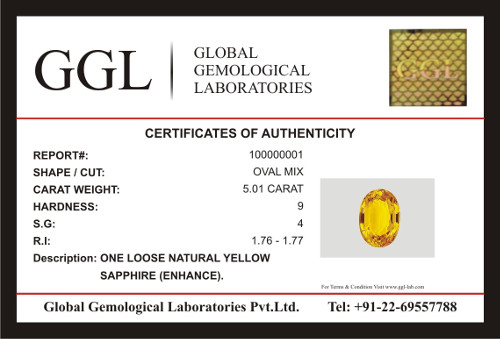
By contrast, certificates issued by sellers themselves or lesser-known labs without independent verification often raise red flags, potentially misleading buyers about a gemstone’s true nature. Recognizing trustworthy certificates helps consumers avoid pitfalls common in gemstone certification, such as inflated quality claims or undisclosed treatments, which ultimately impact resale prospects.
The parameters that influence certificate trustworthiness and gem pricing
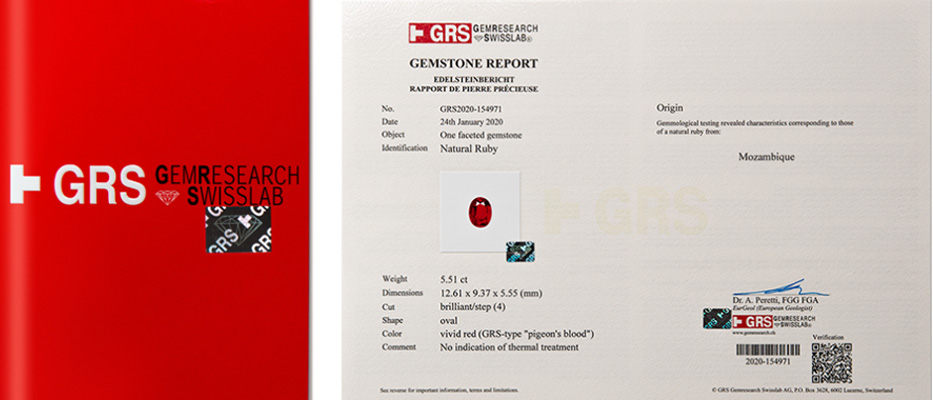
Not all details on a certificate carry equal weight. For instance, a natural, untreated sapphire from a prestigious origin such as Sri Lanka commands far higher prices than a heat-treated counterpart. Similarly, the origin plays a pivotal role: rubies with the coveted “Pigeonblood” color from Burma’s Mogok Valley can fetch prices exponentially greater than identical stones mined elsewhere. This differentiation is documented precisely on certificates from respected labs like GRS and NGTC. Treatment disclosures — heating, irradiation, fracture filling — also shape market value and consumer confidence.
It’s equally critical to understand the famous “4Cs” for diamonds certified by entities such as HRD Antwerp and EGL: carat, color, clarity, and cut. These dimensions are rigorously analyzed and provide an objective basis for pricing and comparison, setting a global benchmark.
Verifying and choosing the right gemstone certificate
With the proliferation of certification bodies, gemstone buyers in 2025 must exercise discernment. Certificates should originate from labs with recognized credentials and readily accessible verification systems. For example, the GIA and HRD Antwerp provide online platforms allowing buyers to confirm certification numbers and diamond specifics instantly — a critical step in avoiding counterfeit certificates or misrepresented gems.
When deciding which gemological lab’s certificate to trust, consumers can consult resources like expert guides on appraiser selection. These insights help navigate the sometimes overwhelming array of certification reports. Transparency in treatment history and origin, combined with precise measurements and grading, distinguishes credible certificates fiercely from generic paperwork used solely for sales hype.
Moreover, laboratories such as SGL and PGGL, alongside stalwarts like GRS and Gubelin, continually update their methodologies to include state-of-the-art testing techniques, reinforcing their certificates’ reliability and acceptance worldwide.
Enhancing value and security through certified gemstones
Aside from establishing authenticity, a credible gemstone certificate strengthens the jewel’s investment merit. Certified stones easily integrate into appraisals and insurance documentation, streamlining protection efforts. Jewelers and collectors alike find certificates indispensable when reselling or trading gems internationally, as they assure buyers of consistent standards and prevent disputes.
The certification also plays a strategic role in safeguarding heirlooms or upgrading old gemstones. Valuable stones can be re-evaluated under modern, stringent lab criteria, often increasing their documented worth and appeal, as outlined in practical advice found on certification upgrades resources.