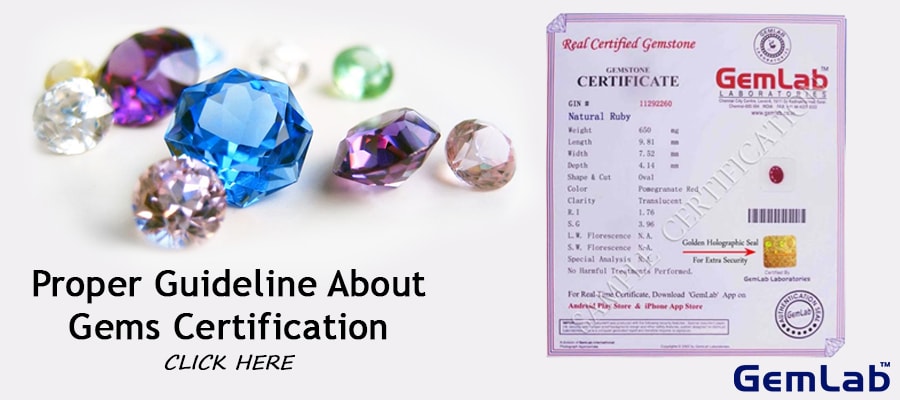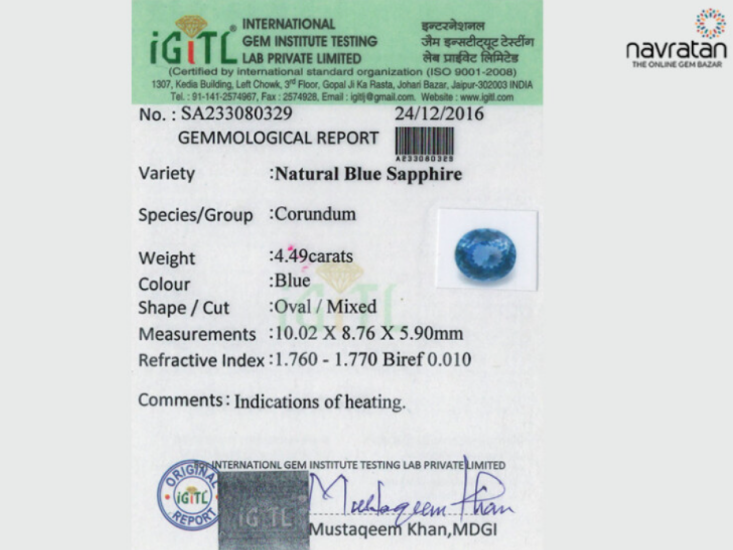
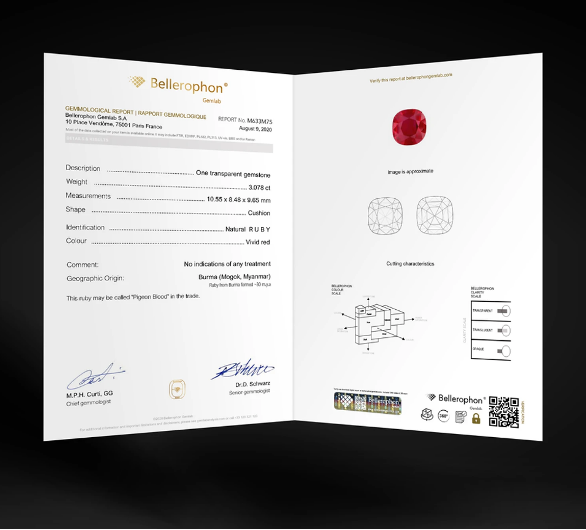
In the intricate world of gemstones, where beauty intertwines with immense value, trustworthy certification agencies act as guardians of authenticity. With technological advances and sophisticated treatments making it increasingly challenging to discern genuine stones from synthetic or enhanced ones, certification has emerged as the cornerstone for confidence in the market. Whether a rare sapphire or a dazzling diamond, buyers and sellers around the world rely on authoritative institutions to provide meticulous evaluations and unbiased reports. As of 2025, the gemstone industry firmly leans on these trusted authorities to uphold transparency and guarantee that every precious stone bears a truthful story of its origin and quality.
En bref :
– Gemstone certification ensures authenticity, quality, and fair valuation
– Renowned labs like GIA, IGI, and Gübelin Gem Lab set global grading standards
– Certification reports disclose origin, treatments, and precise grading details
– Ethical sourcing and lab-grown stone certifications are gaining prominence
– Verified certificates protect both buyers and sellers from fraud and deception
Why gemstone certification is a vital pillar for buyers and sellers
In an industry marked by rarity and value, gemstone certification serves as an independent verification process that secures trust for all parties involved. With the rise of advanced treatments and the production of lab-grown diamonds and colored stones, it is no longer enough to rely on visual inspection. Certified gemstones undergo thorough analysis, encompassing color, clarity, cut, carat weight, and proven origin, which directly influences market value.
A certificate from reputable labs such as the GIA or Gübelin Gem Lab acts as a passport, not only assuring authenticity but also easing the path for insurance, resale, and legal matters. Moreover, certification empowers buyers to make informed decisions by comparing stones with objective data rather than subjective impressions. Without it, the risk of overpaying or acquiring treated or synthetic gems masquerading as natural becomes high.
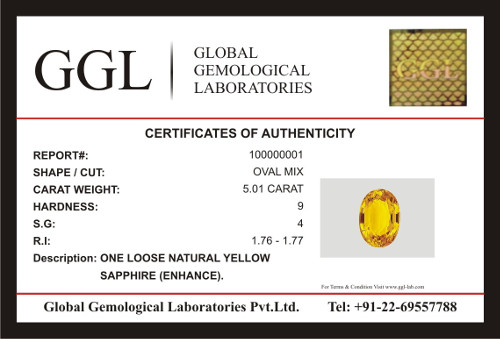
The multifaceted content of a gemstone certification report
A comprehensive certification report dives deep into a gemstone’s unique traits. Beyond the basic grading of color, clarity, cut, and carat weight, it offers:
- Gemstone identification: Differentiating natural stones from synthetics or imitations.
- Origin analysis: Tracing geographic provenance, crucial for gems like rubies from Myanmar or sapphires from Kashmir.
- Treatment disclosure: Detailing any enhancements such as heat treatment, irradiation, or fracture filling.
- Photographic evidence: High-quality images for comparison and record keeping.
- Public credibility: Credentials of the issuing lab such as IGI, AGS, or HRD Antwerp marked clearly on the report.
Such detailed reports convert abstract beauty into quantifiable information, providing a foundation for pricing and trust.
Leading gemstone certification agencies defining industry excellence
Among the sea of laboratories worldwide, certain institutions have stood out through decades of unwavering rigor and cutting-edge methodologies.
The Gemological Institute of America (GIA), founded in 1931, remains the gold standard, pioneering the widely accepted 4Cs grading system. Its non-profit status reinforces its impartiality, making its certifications highly coveted globally. The GIA’s reports comprehensively cover diamonds, colored stones, and pearls with transparency that few can rival.
Similarly, the Gübelin Gem Lab in Switzerland has built a reputation over 90 years, especially prized for origin determination using exclusive spectroscopic and microscopic techniques. The lab’s detailed and independent analyses serve collectors and top auction houses worldwide.

The International Gemological Institute (IGI), established in 1975, offers extensive grading services known for efficiency and growing acceptance in retail markets. Meanwhile, the American Gem Society (AGS) distinguishes itself through a strict cut grading system and commitment to ethical standards in grading and jewelry retailing.
European institutes like HRD Antwerp and the Swiss Gemological Institute (SSEF) cater specifically to diamonds and high-value colored stones, respectively, with HRD’s laser inscription technology adding an extra layer of security.
Emerging labs like NGTC, BGL, CGL, and GLC contribute to the growing global infrastructure of trustworthy certification, expanding accessibility in Asian markets.
The verification process: How to trust your gemstone certificate
In the era of digital records, laboratories often provide online verification portals where buyers can input unique report numbers to confirm authenticity. Additionally, consulting organizations like gem-certify.com offers comprehensive guides and tips to identify genuine certificates. Meticulous cross-checking physical attributes against report details remains indispensable, particularly in high-stakes purchases.
Certified versus non-certified gemstones: understanding the critical differences
Choosing certified gemstones ensures that buyers receive documented proof of a stone’s qualities, greatly reducing the risk of fraud. Certified stones also generally enjoy higher liquidity in resale markets and provide insurers clearer risk assessments. On the contrary, non-certified stones can conceal treatments, synthetic origins, or flaws, leading to potential losses and buyer distrust.
Certification therefore functions not merely as an appraisal but as a protective shield, aligning market forces toward fairness and transparency.
Emerging focus: Certification and ethical sourcing in a global context
With the gemstone industry under increasing scrutiny regarding ethical sourcing, labs such as the GIA and SSEF emphasize conflict-free provenance and responsible mining practices in their certification parameters. In parallel, the certification of lab-grown gemstones offers eco-conscious consumers verified pathways that align with sustainability goals. The market’s evolution toward ethical accountability signals not just a trend but an imperative for long-term industry integrity.
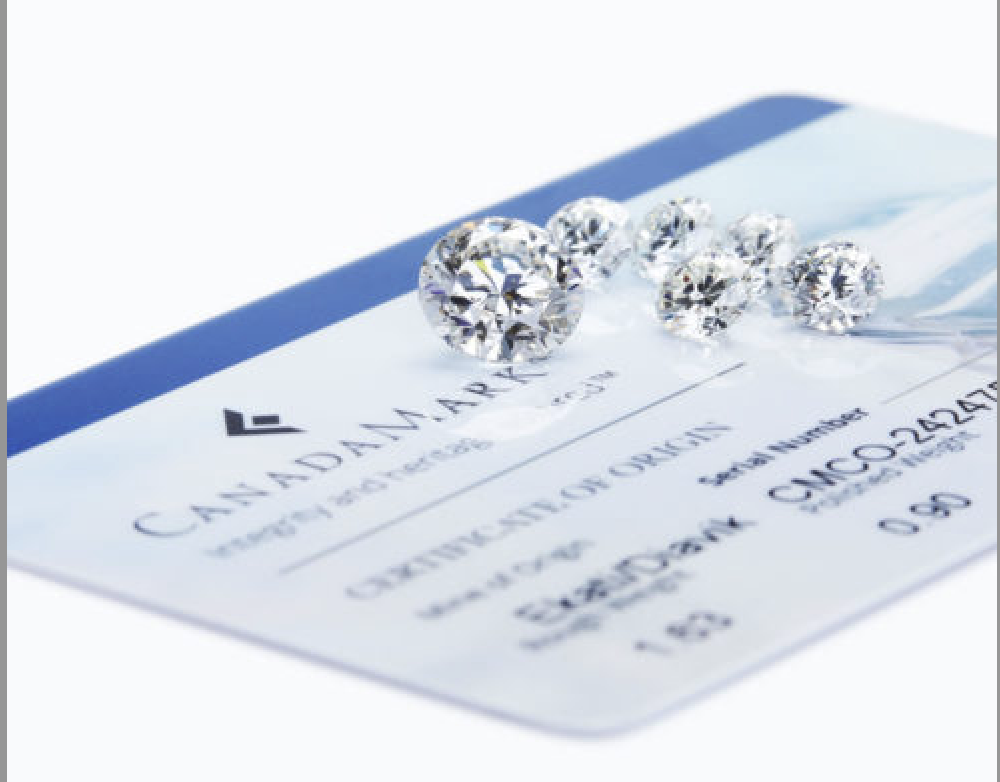
For anyone navigating gemstone acquisition or sale, engaging with established authorities like trusted gemstone certification agencies remains a wise investment in security and clarity. Their expert evaluations safeguard financial interests and preserve the mystique and allure that precious stones deserve.