In the intricate realm of gemstones, distinguishing between a mere shiny stone and a truly valuable gem hinges on reliable certification. As the global market for precious stones expands in 2025, understanding gemstone certifications is not just a privilege but a necessity for jewellers, collectors, and enthusiasts alike. These certifications, often regarded as the gem’s passport, detail critical attributes that authenticate and evaluate the stone’s worth. However, beyond owning such a document lies the essential skill of interpreting its nuances. This guide unpacks the fundamental components of gemstone certificates issued by renowned labs such as GIA, IGI, AGS, and EGL, enlightening readers on how these certificates serve as indispensable tools for informed investment and protection against fraud.
In brief:
- Gemstone certification validates authenticity and provides a detailed breakdown of a stone’s quality and enhancements.
- Recognized laboratories like GIA, HRD, SSEF, and GCAL issue certificates, each employing rigorous scientific testing methods.
- Key certificate components include gemstone type, carat weight, cut, treatments, origin, and security features to prevent forgery.
- Interpreting certificates equips buyers to assess value, ensure authenticity, and make smarter purchasing decisions in a marketplace vulnerable to counterfeit certificates.
- Reliable certification institutions not only authenticate gemstones but also bolster resale value and buyer confidence.
Decoding the Essence of Gemstone Certificates
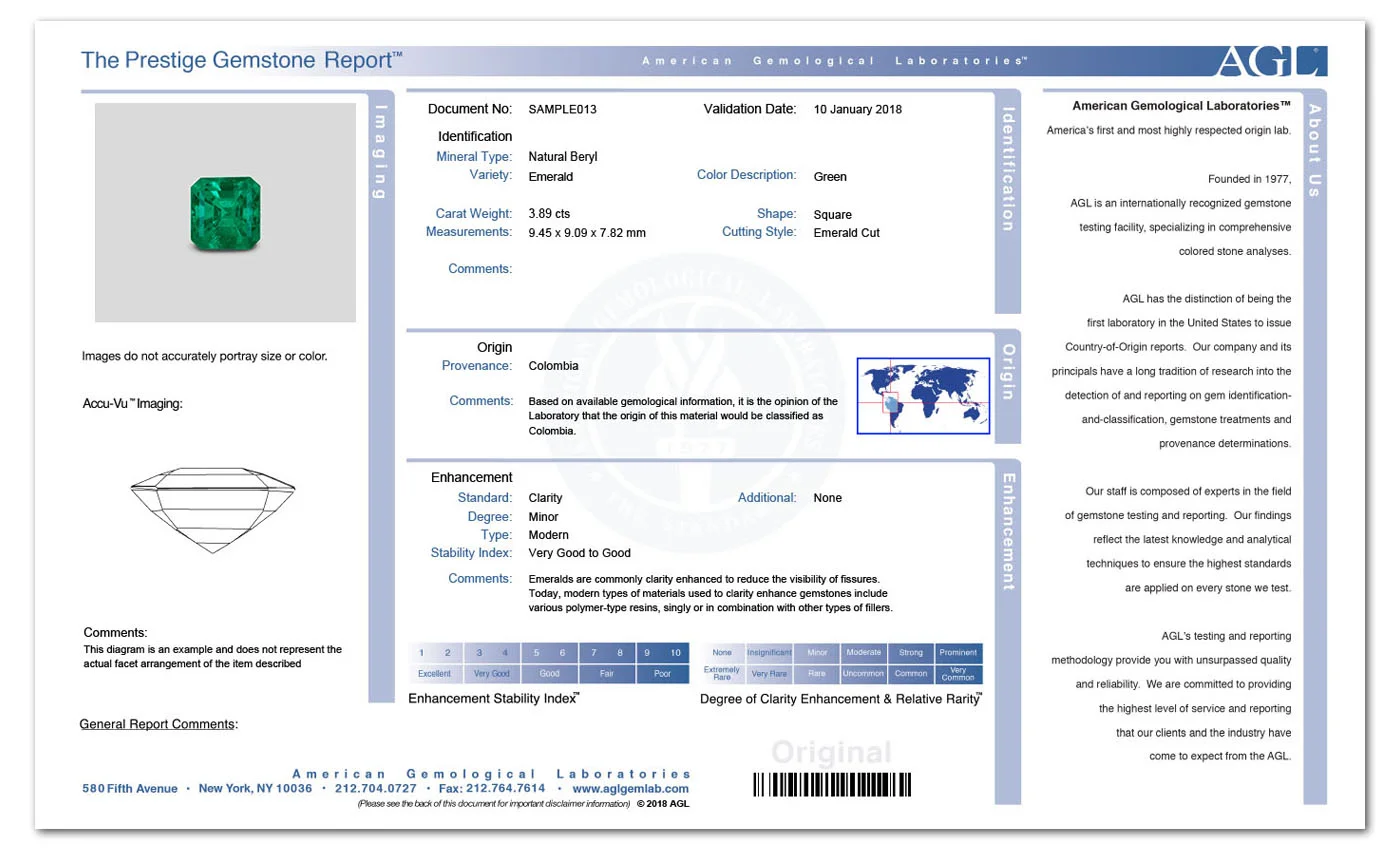
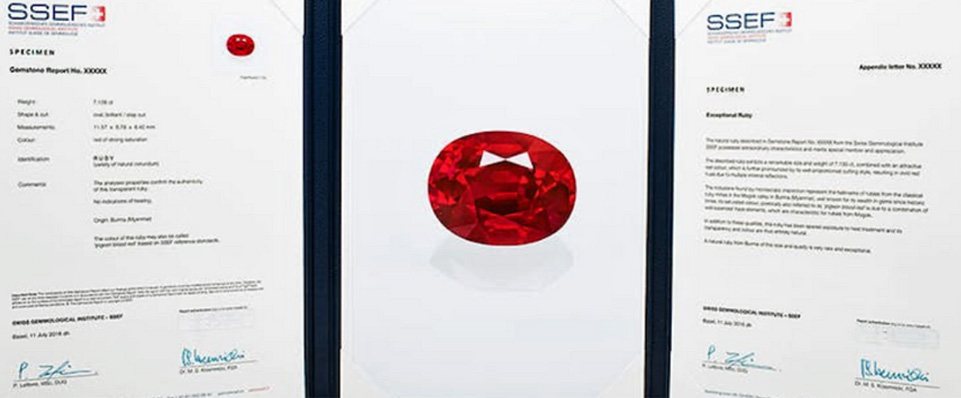
At the heart of gemstone evaluation is the gemmological report issued by accredited laboratories. These certificates, offered by prestigious institutions such as GIA, IGI, AGS, EGL, SSEF, Gubelin, and NGTC, provide a meticulous scientific inspection of a gemstone’s properties. From the gemstone’s identity to its physical measurements and any treatments applied, the certificate encapsulates vital data. This information is indispensable for distinguishing a natural from a synthetic stone, or an untreated gem from one that has undergone enhancements like heating or coating.
One must consider the advanced testing methods incorporated into the certificates. Techniques such as refractive index (RI), specific gravity (SG), ultraviolet fluorescence (UV), infrared spectroscopy (IR Spectrum), laser ablation-inductively coupled plasma-mass spectrometry (LA-ICPMS), and X-radiography collectively ensure precision. These technologies underpin the authenticity and quality claims presented, reflecting the gemstone’s unique characteristics within a reliable framework.
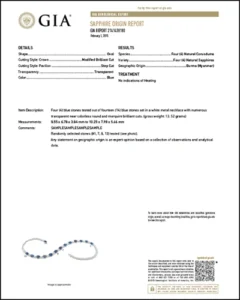
Essential Elements to Identify in a Gemstone Certificate
Reading a gemstone certificate involves understanding its structured components:
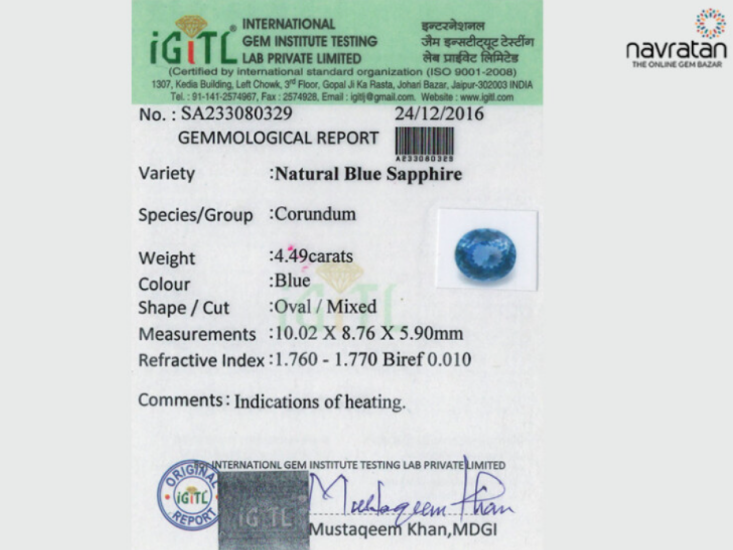
Identification: The name and variety of the gemstone, clarifying whether it is natural, synthetic, or treated.
Weight and Measurements: Precise carat weight alongside detailed dimensions like length, width, and depth, critical for valuation.
Cut Quality: A comprehensive evaluation of the gemstone’s cut, including symmetry, proportions, and polish impacting brilliance and visual appeal.
Treatment Disclosure: Any enhancements—such as heating, dyeing, fracture filling, or irradiation—are clearly documented, which directly affects value and buyer trust.
Origin Information: Some certificates provide the geographic source of the gem, which can add provenance value, particularly in stones like sapphires and emeralds.
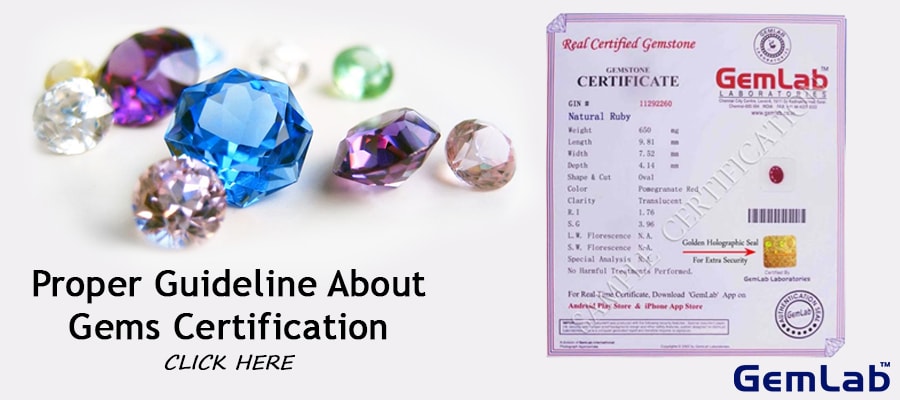
Security Features: Modern certificates often include holograms, QR codes, and embossed seals to authenticate the document itself, guarding against counterfeit certificates.
The Importance of Choosing a Trusted Gemstone Certifying Laboratory
With the rise of gemstone trading platforms and increasing demand, selecting a reputable certification agency is paramount. Laboratories such as GIA, IGI, AGS, EGL, HRD, and SSEF, among others, are internationally recognized for their stringent evaluation standards and scientific rigor.
These agencies not only provide reliable authentication but also influence the gemstone’s market value by setting consistent grading standards. For instance, the GIA Identification Report clarifies whether a gemstone is natural or lab-grown, and the presence of any treatments, ensuring transparency for buyers and sellers alike.
Moreover, trusted labs offer online verification services that enable buyers to confirm certificate authenticity instantly. This service is vital to counteract the increasing circulation of fake certificates which tarnish the gemstone trading market. Engaging with certifiers linked to reputable entities instills confidence in investment decisions and supports ethical gemstone sourcing.
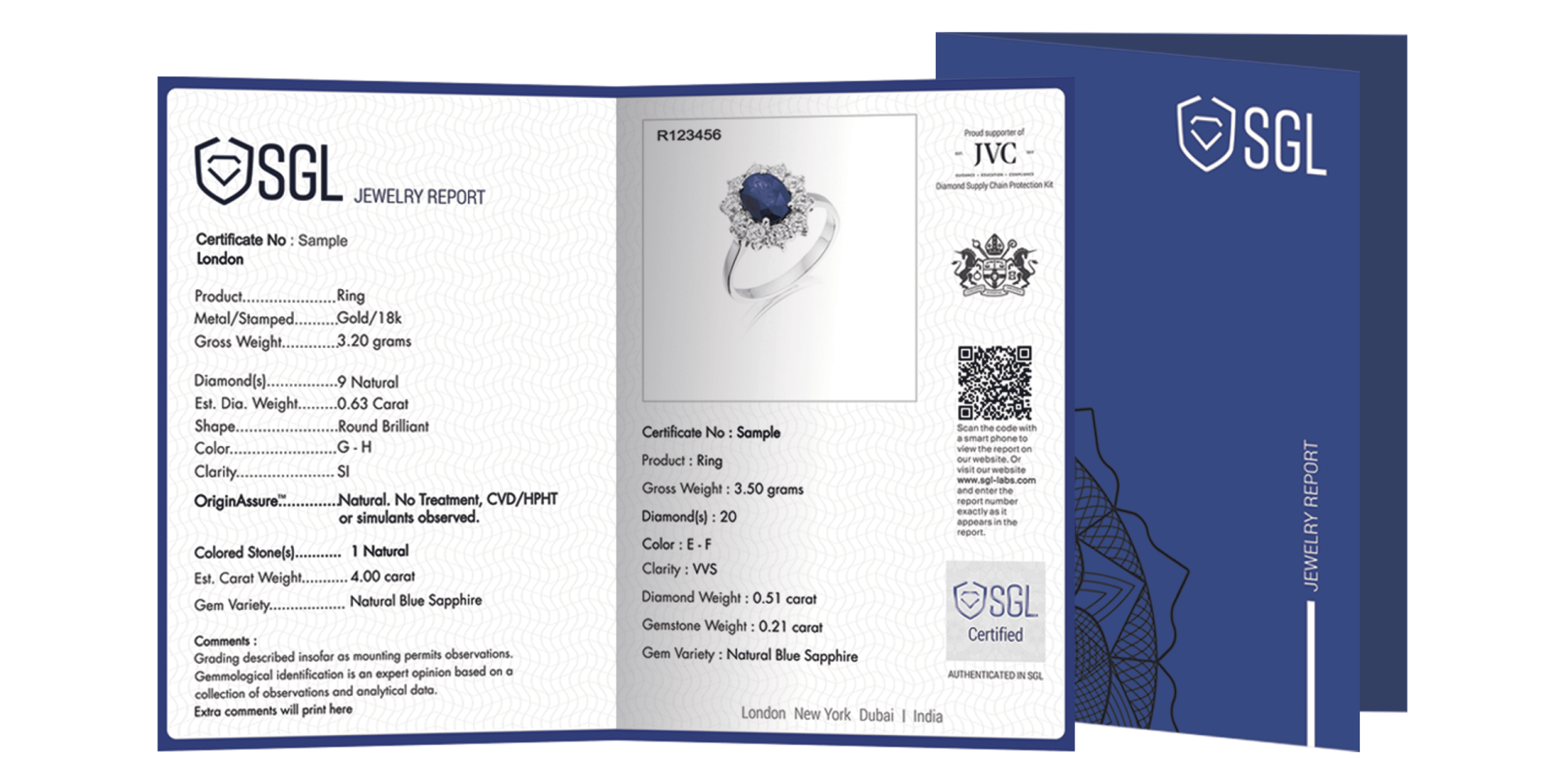
How to Verify and Validate Your Gemstone Certificate
To protect your investment, always verify the certificate against the issuing lab’s records. Most top-tier labs provide online portals where certificate numbers can be entered to confirm details. It’s essential that the gemstone’s physical characteristics match those listed on the certificate to avoid discrepancies that could indicate tampering or fraudulent activities.
Additionally, consider the document’s issuance date and ensure it aligns with current grading practices, as certification standards evolve over time. Keeping your certificate safely stored enhances its role as a guarantor of your gemstone’s authenticity and value in resale or insurance processes.
Investing in Certified Gemstones: Safeguarding Your Jewelry Assets
Certified gemstones represent not only luxury and beauty but also security and investment value. Having an official certificate from prominent labs ensures that your jewelry investment is protected and can be confidently insured or resold. According to recent market trends, certified stones maintain higher liquidity and demand in secondary markets.
Beyond investment, certification serves as an educational tool, enabling collectors to grasp the nuances of different gemstones and appreciate their rarity and quality. For professionals in the jewelry industry and avid collectors, credentials from institutions like the IIGJ Research & Learning Centre further authenticate expertise and promote transparency.