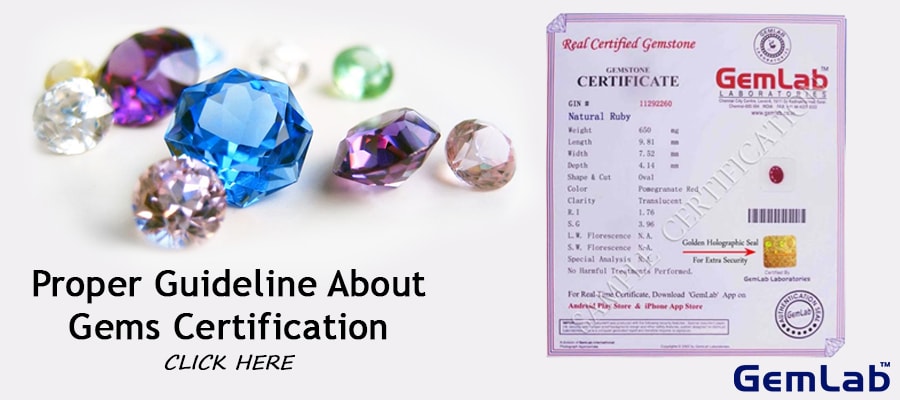

In the evolving landscape of precious stones, certified gemstones have become a beacon of trust and quality for investors and collectors alike. The gemstone market, vibrant yet complex, demands transparency to distinguish genuine treasures from imitations and synthetics. Certification from esteemed institutions like the Gemological Institute of America (GIA) provides that transparency, elevating confidence for buyers worldwide. Whether through emerging platforms such as Gem Certify or established auction houses like Sotheby’s and Christie’s, the availability of certified gemstones has reshaped how enthusiasts approach investment in these timeless assets.
The significance of certified gemstones in 2025 cannot be overstated. Buyers benefit from detailed reports that authenticate gemstone identity and disclose any enhancements or treatments. This rigor in certification minimizes uncertainties in what remains a traditionally opaque market. Integrating such gemstones into a portfolio taps into a rich heritage of value appreciation, accessible through reputable retailers including James Allen, Blue Nile, and luxury brands like Tiffany & Co. Investors today can navigate the market equipped with expert guidance, vastly reducing risks tied to fraudulent or misrepresented stones.
Essential Reasons to Choose Certified Gemstones for Investment
In an era where synthetic and imitation stones flood the market, choosing certified gemstones ensures authenticity and proven quality. This is crucial because trust underpins the entire investment process in rare gemstones. Reputable labs like the Gemological Institute of America (GIA) employ advanced technologies and expert gemologists who meticulously assess stones to confirm their natural origin and grade their quality accurately. Consequently, certification serves as an assurance, not only of the gem’s attributes but also of ethical sourcing, a concern increasingly relevant in today’s conscientious market.
Ethical certification aligns investors with responsible sourcing initiatives, reassuring that their investments support sustainable practices. Moreover, marketplaces such as Gem Rock Auctions exemplify how offering a broad range of certified stones enhances buyer confidence substantially. For first-time buyers and seasoned collectors alike, relying on certified gemstones is an indispensable strategy to safeguard value and authenticity.

Navigating Gemstone Certifications: Trusted Laboratories and Verification
Not all certifications are created equal, which makes understanding and verifying gemstone certificates essential. While labs like GIA remain highly esteemed in the USA, international hotspots such as Asia favor institutions like GRS, Lotus Gemology, AIGS, IGI, and AGL. Each of these laboratories applies stringent testing protocols to ensure that gemstones meet established grading standards.
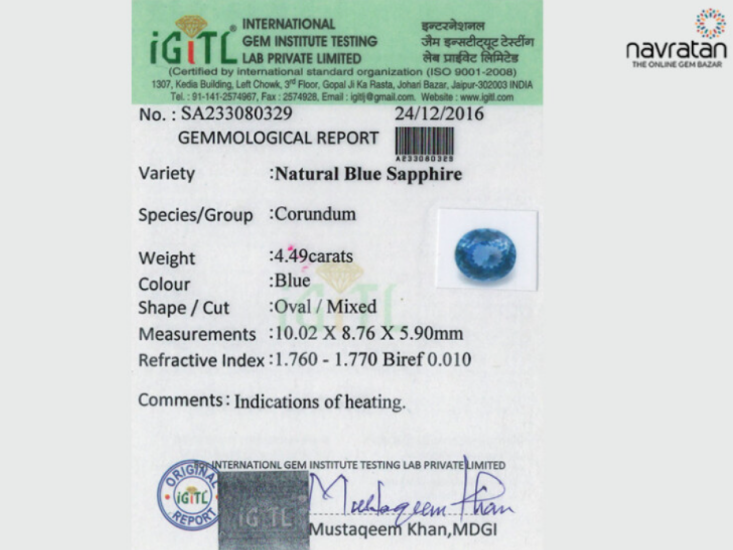
Verification is simplified by the availability of unique report numbers linked to online databases, allowing investors to authenticate reports with ease. This system reduces the chances of encountering counterfeit certificates, an unfortunate reality in the gemstone market. Leading platforms recommend always checking gemstones against lab databases before purchase, as detailed in Gem Certify’s gemstone authentication guide. Such diligence provides the patron with enduring assurance in their acquisition.
The Diverse Spectrum of Certified Gemstones for Discerning Investors
Certified gemstones span a wide array, from the rich reds of rubies and the majestic blues of sapphires to the classic brilliance of diamonds. While diamonds often dominate public attention, other stones like emeralds from Colombia or rare tanzanites also offer promising investment opportunities. Global jewelers and specialists like Leibish & Co. and Bvlgari curate collections that highlight this diversity, reflecting both luxury and investment value.
Moreover, the rise of Gemfields as a source of ethically mined colored gemstones has added fresh vigor to the market. These stones, accompanied by certification from trusted labs, appeal to investors focused on both aesthetics and sustainable practices. Collectively, such diversification within the certified gemstone universe mitigates risk and caters to various investor preferences, from portfolio beginners to seasoned connoisseurs.
Investment Strategies Emphasizing Certified Gemstone Certificates
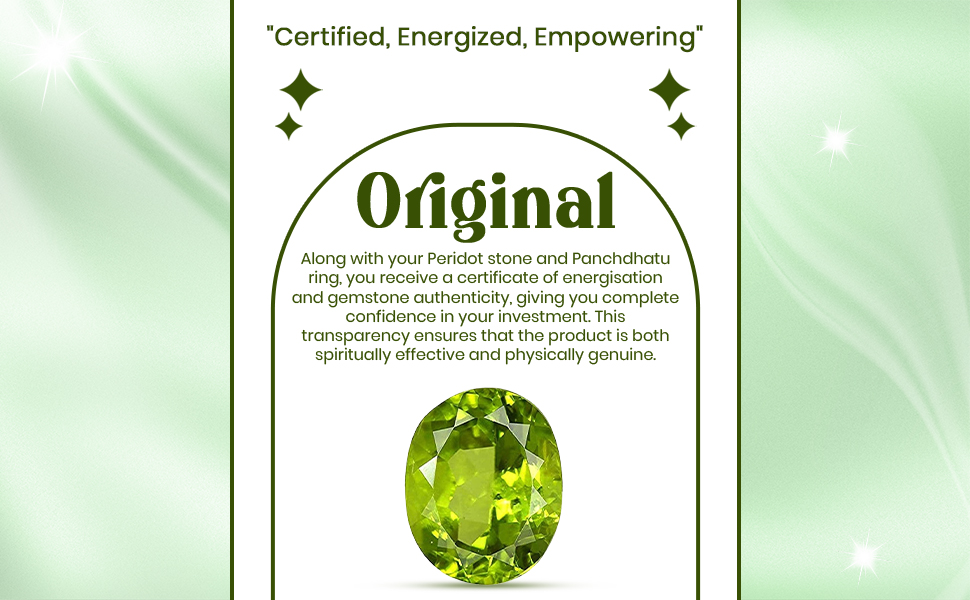
Success in gemstone investment lies in combining deep knowledge with reliable certification. Experts advocate establishing a portfolio that begins with widely recognized stones like diamonds and rubies before gradually incorporating rarer certified gems. Reports such as those provided by GIA or IGI not only detail the stone’s quality but also influence its perceived value in auctions and private sales.
Engaging with platforms linked to certified gemstone collectors enables investors to gain insights and strategic support. Auction houses like Heritage Auctions further validate the importance of certification, often requiring such documentation for consigned pieces. This system ensures liquidity and confidence within the market, offering investors both protection and potential appreciation.