As the gemstone market flourishes in 2025, the demand for certified gemstones among collectors has never been greater. Certified gemstones provide an indispensable layer of trust and transparency, particularly in an era where online trading platforms like RapNet dominate the global landscape. From the precise grading standards of GIA to the provenance studies heightened by pioneering labs such as Gemfields, collectors today are equipped with unprecedented tools to authenticate and assess the true value of their treasured stones. Whether sourcing rare rubies, sapphires, or emeralds, comprehending the nuances of gemstone certification is essential to navigate the complexities posed by treatments, origin verification, and grading criteria. This guide unpacks these critical elements, spotlighting how certification elevates confidence and secures investments in a market admired by prestigious houses from Tiffany & Co. to Bvlgari.
In brief:
- Certified reports form the backbone of gemstone trust, revealing identity, treatments, and origin.
- The 7Cs framework, including Color, Clarity, Cut, Carat, Certified report, Confidence, and Character, guides quality assessment.
- Origin verification by labs like GIA and Gübelin adds value and ethical assurance, especially for stones from Kashmir and Colombia.
- Enhanced transparency accelerates online sales and trade confidence through platforms such as RapNet and reputable auction houses like Christie’s and Heritage Auctions.
- Collectors benefit from industry networks like the American Gem Trade Association to build expertise and connections.
Understanding the Crucial Role of Gemstone Certification for Collectors
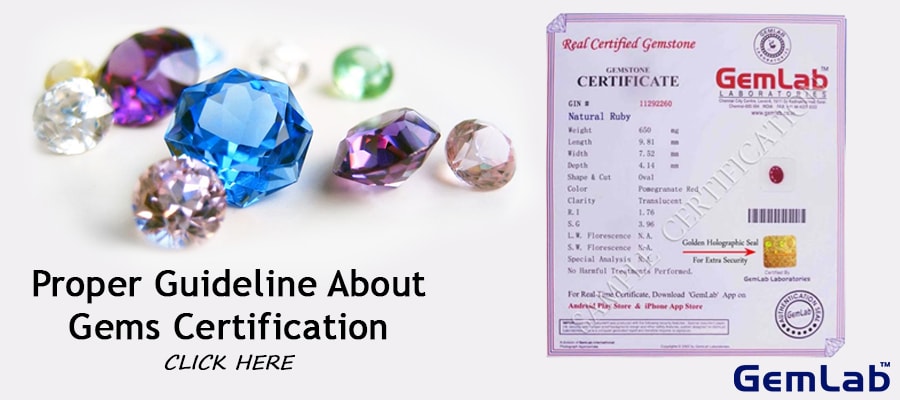
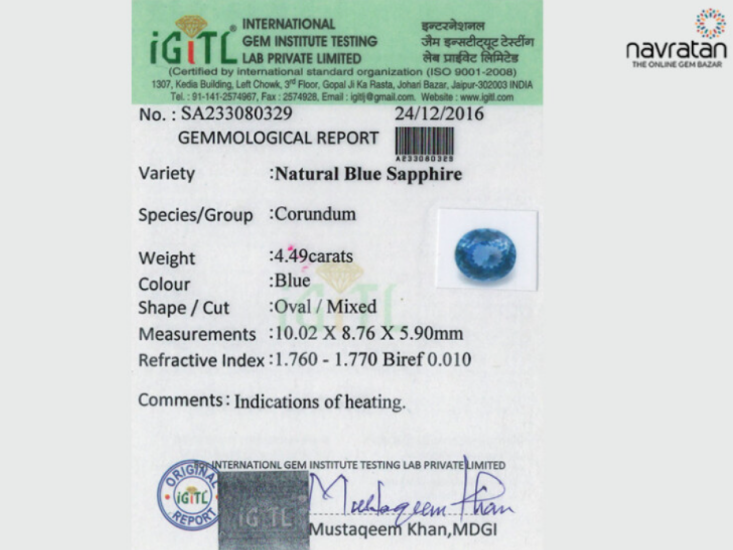
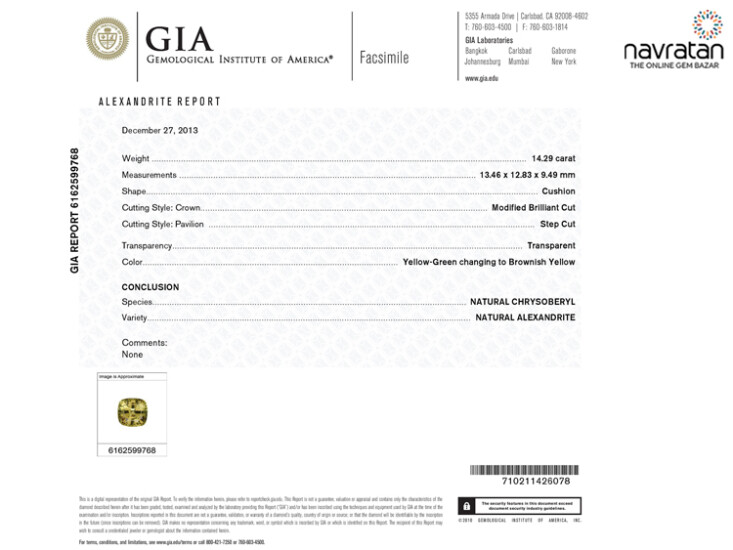
In a market where visually similar gemstones can differ dramatically in value and authenticity, certification serves as an irreplaceable compass. Leading laboratories provide comprehensive gemological reports that define a gemstone’s species and variety—such as distinguishing a ruby or sapphire within the corundum species or confirming an emerald’s lineage in the beryl family. These reports illuminate not just the physical characteristics but also any treatments applied, like heat enhancement, which is widespread yet must be fully disclosed by law. For collectors, this transparency eliminates guesswork and fosters informed purchasing decisions.
Grading Standards Beyond the 4Cs: The 7Cs Approach
Unlike diamonds, colored gemstones lack a uniform grading scale. Mining giant Gemfields innovated the 7Cs guide, expanding traditional assessment beyond Cut, Carat, Color, and Clarity to include Certified report, Confidence, and Character. This holistic approach prioritizes certified documentation to substantiate the subjective evaluations that naturally arise with unique gemstones. It emphasizes the consumer’s confidence in the stone’s authenticity and character, turning a purchase into a safeguarded investment.
For example, a collector examining an emerald should review its inclusions and certificate details provided by trusted labs to appreciate its natural formation and treatment history, much like Gemfields’ “This Is An Emerald” campaign emphasizes the journey from rough to polish.
How Provenance and Origin Influence Gemstone Value
The gemstone’s country of origin is paramount, often dictating price premiums and desirability among aficionados. Kashmir sapphires and Colombian emeralds exemplify stones valued far above similar varieties due to their unique geological and cultural histories. Scientific techniques—such as spectral analysis and inclusion identification—allow experts in labs like Gübelin and GIA to authenticate origins accurately.
This provenance authenticates a gemstone’s story, enhancing its allure at sales by prestigious auction houses like Sotheby’s and Christie’s, where origin documentation not only appeals to ethics-conscious consumers but also assures long-term investment quality.

Leveraging Grading Reports to Safeguard Online Purchases
With online gemstone trading surging, collectors face new challenges in verifying the authenticity of remote purchases. It is essential to validate both the supplier’s credibility and the gemstone’s certified report through trusted services like gem-certify authentication guides. Reliable grading reports detail the stone’s specifications and any enhancements, ensuring buyers receive exactly what is promised.
Platforms such as RapNet facilitate this transparency and trust, connecting collectors with verified sellers and enriching their network through partnerships with industry organizations like the American Gem Trade Association.
Industry Leaders Shaping Certification Standards and Market Trust
The dominance of laboratories such as GIA, Gübelin Gem Lab, Gemological Science International (GSI), and the International Gemological Institute (IGI) cannot be overstated. Each lab employs state-of-the-art methodologies to assess natural versus synthetic origins, treatments, and comprehensive grading. Their reports form the gold standard, sought not only by collectors but also by luxury brands like Cartier and Tiffany & Co., and respected auction houses including Heritage Auctions.
These institutions enrich the market’s knowledge base and transparency, fostering an environment where gemstone collecting continues to evolve with confidence and precision.
Building Expertise and Networks to Excel as a Collector
Engagement with industry groups such as AGTA and utilizing trading platforms like RapNet are essential steps for collectors aiming for enhanced security and market insight. These forums offer educational resources and connections to peers, facilitating access to rare stones and informed trade. Participating actively in events such as the JCK Show provides firsthand exposure to market trends and gemstone varieties, cultivating a more discerning and confident collector’s approach.
For further insights and detailed guidance, collectors are encouraged to explore resources such as the comprehensive gemstone certification guide that elucidates grading intricacies and authentication processes.