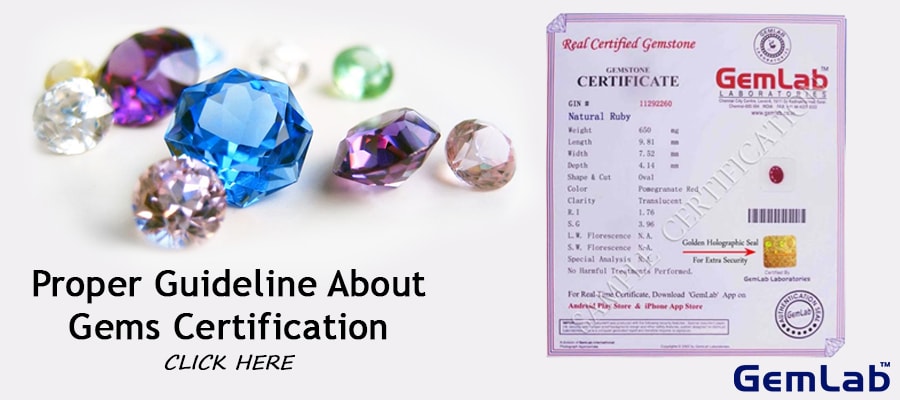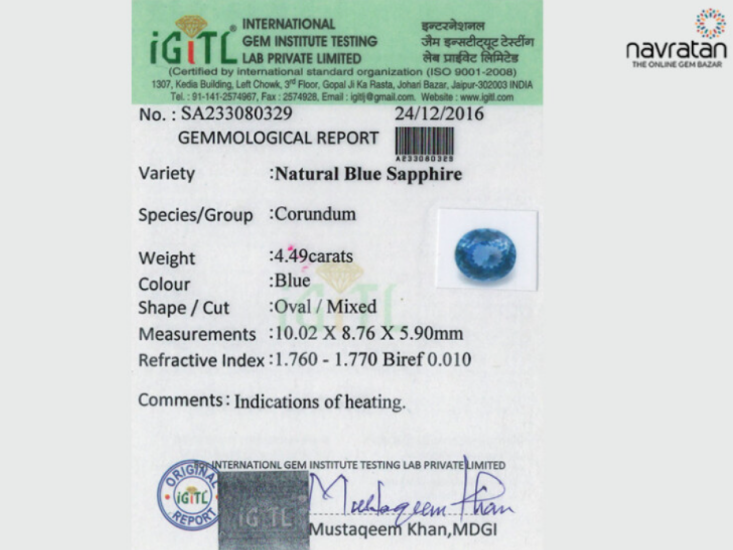
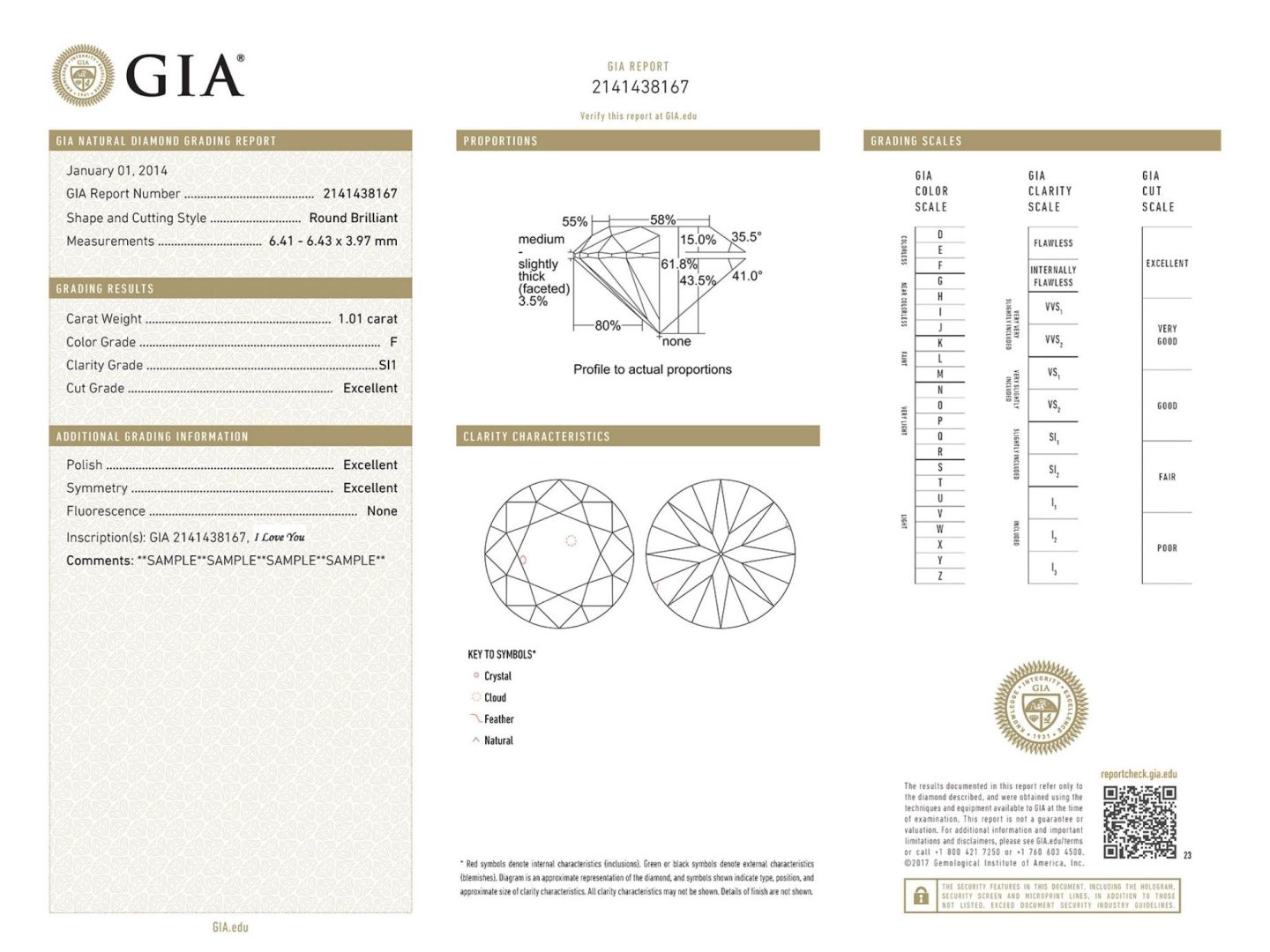
Choosing between certified and uncertified gemstones often presents a crucial dilemma for buyers who seek the perfect blend of authenticity, value, and assurance. In the world of precious stones, certification from reputed laboratories like GIA or IGI serves as a trusted hallmark of quality, confirming the gem’s authenticity and characteristics. Meanwhile, uncertified stones, often offered at a lower price, attract budget-conscious buyers yet pose inherent risks, including uncertainty about origin and quality. Understanding these distinctions shapes smarter purchasing decisions, especially in 2025’s competitive and increasingly transparent market where brands like Cartier, Tiffany & Co., and Blue Nile emphasize certified gems to uphold their excellence.
In brief:
– Certified gemstones come with verified documentation ensuring the stone’s authenticity and quality, which simplifies insurance and resale.
– Uncertified gemstones can be more affordable but lack official verification, thus requiring buyer vigilance and trust in reputable jewelers.
– Certification agencies such as GIA, IGI, and SGL provide standardized grading that impacts market value.
– Insurers prefer certified stones due to clear, reliable reports.
– The growth of online platforms like James Allen and Blue Nile has increased demand for certified gems, enhancing buyer confidence.
The Crucial Difference Between Certified and Uncertified Gemstones
Purchasing gemstones without certification is akin to accepting a mystery wrapped in an enigma. Certified stones come with detailed reports from authoritative labs such as GIA or IGI, which meticulously assess the 4Cs—cut, color, clarity, and carat weight—alongside origin and specific measurements. These certificates make verification straightforward for buyers and provide a standard market language that supports transparent pricing and trade transparency.
Uncertified gemstones, in contrast, may not have undergone such established scrutiny. While some stones may still be genuine and satisfactory, their quality claims rely largely on the seller’s discretion. This absence of formal appraisal introduces uncertainty. Shoppers seeking a secure investment or heirloom would benefit significantly from certification, particularly when purchasing rare or expensive stones.
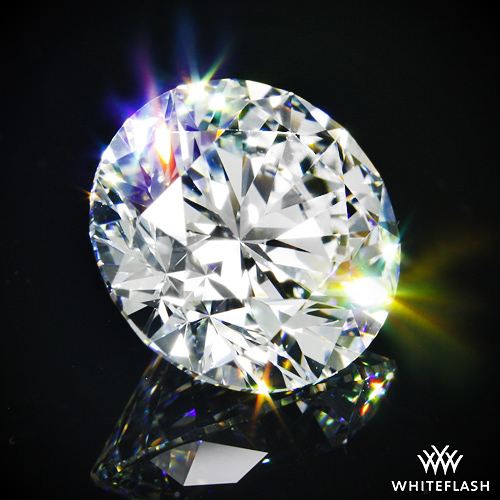
Why Certification Guarantees Authenticity and Trust
When investing significant sums, buyers need more than mere verbal assurances. Certified gemstones provide a record of their journey from the mine to the market, vetted by trusted institutions. This transparency is invaluable when compared to uncertified gems, where a diamond’s weight or clarity may be exaggerated or misleading. Reputable retailers and brands such as Bvlgari and Harry Winston consistently offer certified collections to guarantee authenticity, fostering lasting confidence in their clientele.
Moreover, in bustling diamond hubs or online marketplaces like Blue Nile, checking credentials from grading entities ensures the buyer is not swayed by marketing hype but supported by factual and comparative data. This reduces the risk of acquiring costly fakes or overvalued stones, ultimately protecting buyers’ investments.
Insurance and Appraisal Advantages of Certified Gems
One often overlooked yet critically important benefit of certified gemstones is their eligibility for insurance coverage. Insurance providers generally demand detailed grading reports to quantify the value and qualities of the gem. Without such documents, securing comprehensive coverage for an expensive stone can become challenging. Certified certification thus safeguards not only the investment but also peace of mind.
Additionally, certified diamonds and gemstones make professional appraisals more accurate and credible. Appraisers rely heavily on these documents to assign realistic market values, which is essential for both resale and estate planning. Sellers of uncertified stones might face undervaluations or disputes without these certifications, adding complexity to future transactions.

Multiple Certifications: Enhancing Confidence and Verification
Reliable buyers sometimes seek multiple certification reports from different laboratories, such as both GIA and IGI, to confirm the gemstone’s quality and grading. This cross-verification adds layers of assurance, with discrepancies between reports signaling the need for closer inspection. Luxury brands like De Beers and Graff often leverage such multiple certifications to underline their commitment to excellence and foster client trust.
Uncertified gemstones, lacking such documentation, close off this critical avenue of verification. Hence, they become less attractive to buyers prioritizing transparency and long-term value.
How Certifications Educate Buyers and Influence Market Trends
Beyond verification and value assessment, certification documents serve as educational tools, demystifying the complex attributes of gemstones. Buyers learn to appreciate not just the size or sparkle but subtleties like cut precision and clarity levels. This knowledge elevates consumer expectations and encourages more informed decisions.
Brands including Tiffany & Co. and Cartier leverage these insights to curate collections that meet discerning client criteria. Given the surge in e-commerce platforms such as James Allen, where customers zoom in on high-resolution images and certification details before purchasing, certification has become indispensable to modern gemstone trade dynamics.
Ultimately, certified gemstones offer a transparent, trusted choice backed by global standards. Buyers navigating today’s diversified market will find that insisting on certification aligns not only with legal and financial prudence but also with the evolving expectations of luxury and authenticity.