Choosing the right gemstone certificate is paramount in 2025’s sophisticated jewelry market. As consumers and collectors become increasingly savvy, the authenticity and quality of diamonds and colored gemstones must be transparently documented. With a diverse array of gemstone certifications available globally—from established leaders like GIA and AGS to specialized labs such as Gübelin Gem Lab and GRS Gemresearch—navigating these options demands careful consideration. This article delves deep into the strengths and limitations of prominent certification bodies, examining their grading methods, industry reputation, and the specific assurance they provide to buyers and sellers alike. In doing so, it highlights how gemstone certificates not only authenticate but influence market value, investment potential, and consumer confidence in 2025’s dynamic gemstone landscape.
En bref :
– GIA and AGS dominate as globally trusted authorities offering rigorous 4Cs-based grading for diamonds and colored stones.
– Specialized labs like Gübelin and GRS Gemresearch excel in provenance determination and treatment detection, critical for colored gemstones.
– International Gemological Institute (IGI) stands out with its extensive global presence and detailed certifications suitable for varied market needs.
– Indian laboratories like GII and GTL are essential regional players ensuring transparency in a rapidly growing market.
– Understanding certification intricacies empowers consumers to differentiate between value-driven and aesthetics-driven reports, an increasingly important skill as markets evolve.
Understanding the Role of Gemstone Certification in the Modern Market
In the complex world of gemstones, certification serves as the golden standard verifying authenticity, quality, and ethical provenance. A certification document verifies a gemstone’s identity, grading its color, clarity, cut, and carat weight, alongside treatment disclosures and origin details when applicable. Such transparency protects consumers against counterfeit or misrepresented stones, enabling informed investment decisions. The importance of verifying gemstone authenticity cannot be overstated, especially as synthetic and treated stones gain market presence in 2025.
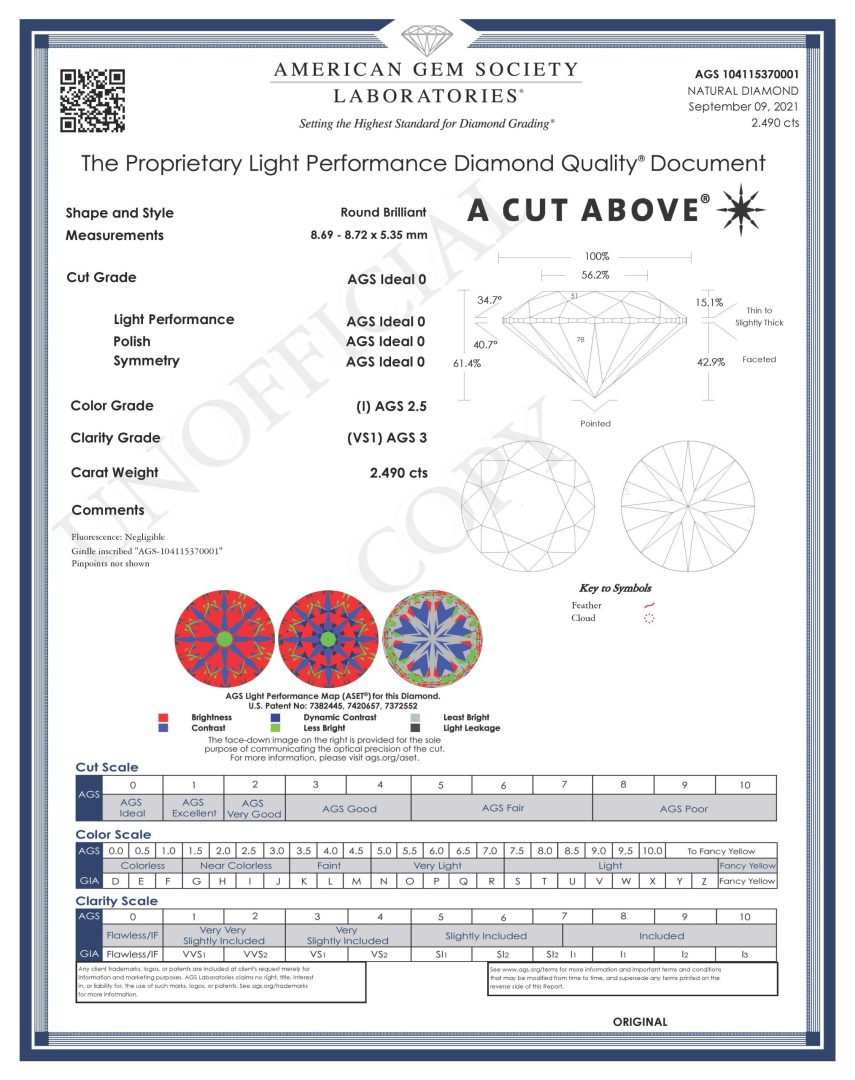
Leading organizations like the Gemological Institute of America (GIA) revolutionized the industry by standardizing grading through the 4Cs, a system now followed worldwide. The GIA’s impartial evaluations and globally recognized certificates have become the benchmark for determining a gemstone’s market value. Meanwhile, the American Gem Society (AGS) combines scientific rigor with detailed disclosure policies, enhancing buyer confidence through transparent reports that include treatment and origin disclosures. These organizations underscore a shared commitment to ethical practices and the highest grading standards, reassuring buyers that a certificate is more than just a piece of paper.

Differentiating Certifications for Diamonds and Colored Gemstones
While diamond grading largely centers on the universally recognized 4Cs, colored gemstone certification demands additional expertise. Gems such as sapphires, rubies, and emeralds require detailed analysis of origin and treatment, elements pivotal to valuation. Laboratories like Gübelin Gem Lab and GRS Gemresearch have earned reputations for advancing provenance research and treatment detection, providing reports that go beyond conventional grading parameters. Their expertise ensures clients know not only a gemstone’s physical quality but also its geological narrative, an increasingly valued attribute in modern collections.
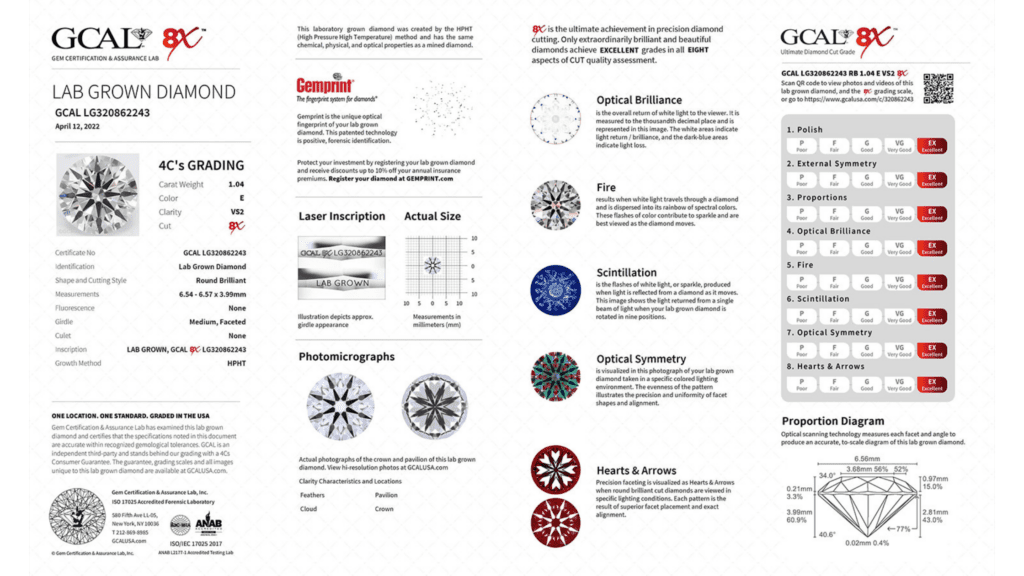
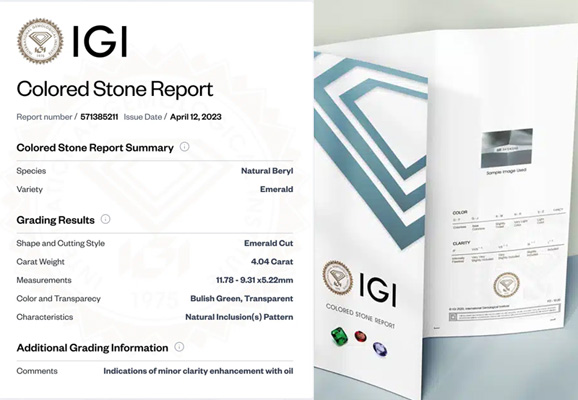
On the other hand, international labs such as IGI offer broad services including certification for natural and lab-grown diamonds, plus a spectrum of colored gemstones, backed by a global footprint. This global accessibility supports a more fluid international trade and provides consumers everywhere with reliable documentation. For example, IGI’s detailed grading reports are favored by jewelers seeking concise yet thorough documentation to aid both sales and investment appraisal.
Key Industry Leaders and Their Certification Approaches
The landscape of gemstone certification includes different approaches, each catering to unique facets of gemstone expertise. The GIA’s 4Cs grading remains the gold standard, prized for its strict impartiality and exhaustive assessment. AGS, similarly rigorous, adds scientific measurements emphasizing cut quality and light performance, particularly for diamonds.
Gübelin Gem Lab and GRS Gemresearch are pioneers in origin verification and treatment detection, offering a layer of authentication vital to colored gems’ authenticity and market ranking. Their work aligns with increasing consumer demand for ethically sourced stones, providing laboratory insights that directly impact resale certification and value appraisal.
Other notable labs include the European Gemological Laboratory (EGL USA), American Gemological Laboratories (AGL), and SGL, each offering varying focuses—from beauty assessments to comprehensive quality reports. In India, institutions such as the Gemological Institute of India (GII) and Gem Testing Laboratory (GTL) play crucial roles ensuring the integrity and quality of gemstones within the country’s vibrant market, reflecting the global reach and local specialization prevalent in 2025.
Impacts on Buyer Confidence and Market Dynamics
Certification does more than authenticate; it significantly influences consumer trust, resale potential, and insurance valuation. Buyers in 2025 rely heavily on certificates from recognized bodies—especially when investing in high-value stones—since these documents underpin market credibility. Furthermore, with certification reports now integrating advanced testing technologies, the gap between market perception and actual gemstone quality narrows, enabling more accurate valuations.
Retailers and collectors can access reliable gemstone certificate transfers and resale services supported by robust certification chains of custody. This transparency aids in avoiding certification scams and ensures the gemstone’s documented quality travels with it, thereby safeguarding customer investments and promoting ethical trade.
Choosing the Right Gemstone Certification: Factors to Consider
Selecting the optimal certification involves evaluating the gemstone type, purpose of acquisition, and the reputation of certifying authorities. For diamonds, certificates from GIA and AGS provide unmatched industry acceptance and precision grading. Conversely, for colored gemstones, certificates from specialized labs like Gübelin Gem Lab or GRS Gemresearch might better capture the nuances necessary for accurate appraisal.
The certification’s scope—whether focusing on cut and clarity or emphasizing origin and treatment—is equally critical. Consumers benefit from understanding these distinctions, as a certificate focused solely on aesthetics might not fully disclose treatment information that impacts value. Consulting guides on comparing gemstone certificates and choosing qualified appraisers can greatly mitigate risks associated with gemstone purchases.
The 2025 gemstone certification market embodies both tradition and innovation, combining established grading principles with cutting-edge provenance research. As the market matures, informed consumers equipped with reliable certification data will continue to drive ethical practices and confidence in their gemstone acquisitions.