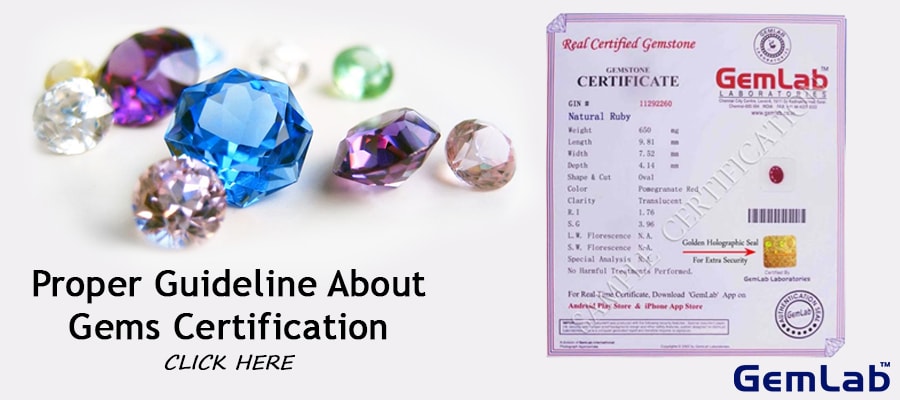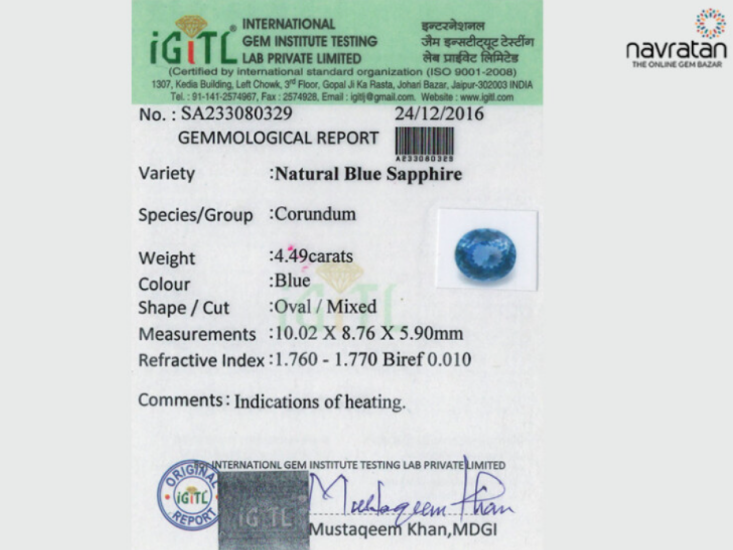
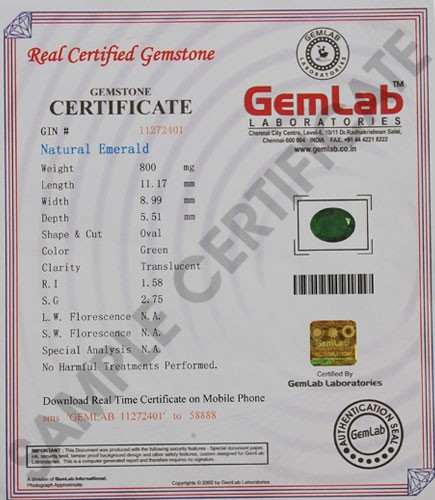
In today’s dynamic gemstone market, the surge in online trading has heightened demand for reliable gemstone certification. This certification not only confirms authenticity but also unlocks critical details about a gemstone’s color, clarity, treatment history, and origin, providing essential transparency that fortifies buyer confidence. As the gemstone trade expands globally, understanding the nuances of certificates from prominent labs like GIA, AGS, IGI, and others becomes indispensable for investors, collectors, and retailers alike. With varying grading scales, terminologies, and focus areas across laboratories, navigating this intricate landscape is crucial to ensure value maximization and avoid costly misjudgments.
Key points summarized: Certification rates have surged alongside online sales, creating a transparent marketplace through platforms such as RapNet. Recognizing differences in grading approaches among labs like GIA, AGS, IGI, and Gübelin guides buyers in evaluating gemstone quality accurately. Origin verification and treatment disclosures substantially influence pricing, especially for colored gemstones. Ensuring certificates come from reputable sources, understanding their security features, and requesting additional testing when necessary protects buyers from fraud. Finally, premium certifications often enhance resale potential, affirming their role as sound investments.
Understanding the Critical Role of Gemstone Certification in 2025 Markets
The recent decade has witnessed a groundbreaking intertwining of gemstone certification with the rise of e-commerce, propelling both wholesale traders and consumers toward unparalleled access and trust. This transformation benefits heavily from certification reports issued by leading laboratories like the Gemological Institute of America (GIA) and American Gem Society (AGS), which set stringent standards. While online trading platforms demand detailed and accurate gem descriptions, it is the certification that seals the transaction’s legitimacy.
Unlike diamonds, colored gemstones lack a universal grading standard, complicating comparisons. Here, certifications illuminate factors such as species classification – for example, rubies and sapphires belong to the corundum species, while emeralds are part of the beryl family. Using methods like spectroscopy and inclusion analysis, labs like Gübelin and the Swiss Gemological Institute (SSEF) excel at origin authentication, a key determinant of value.
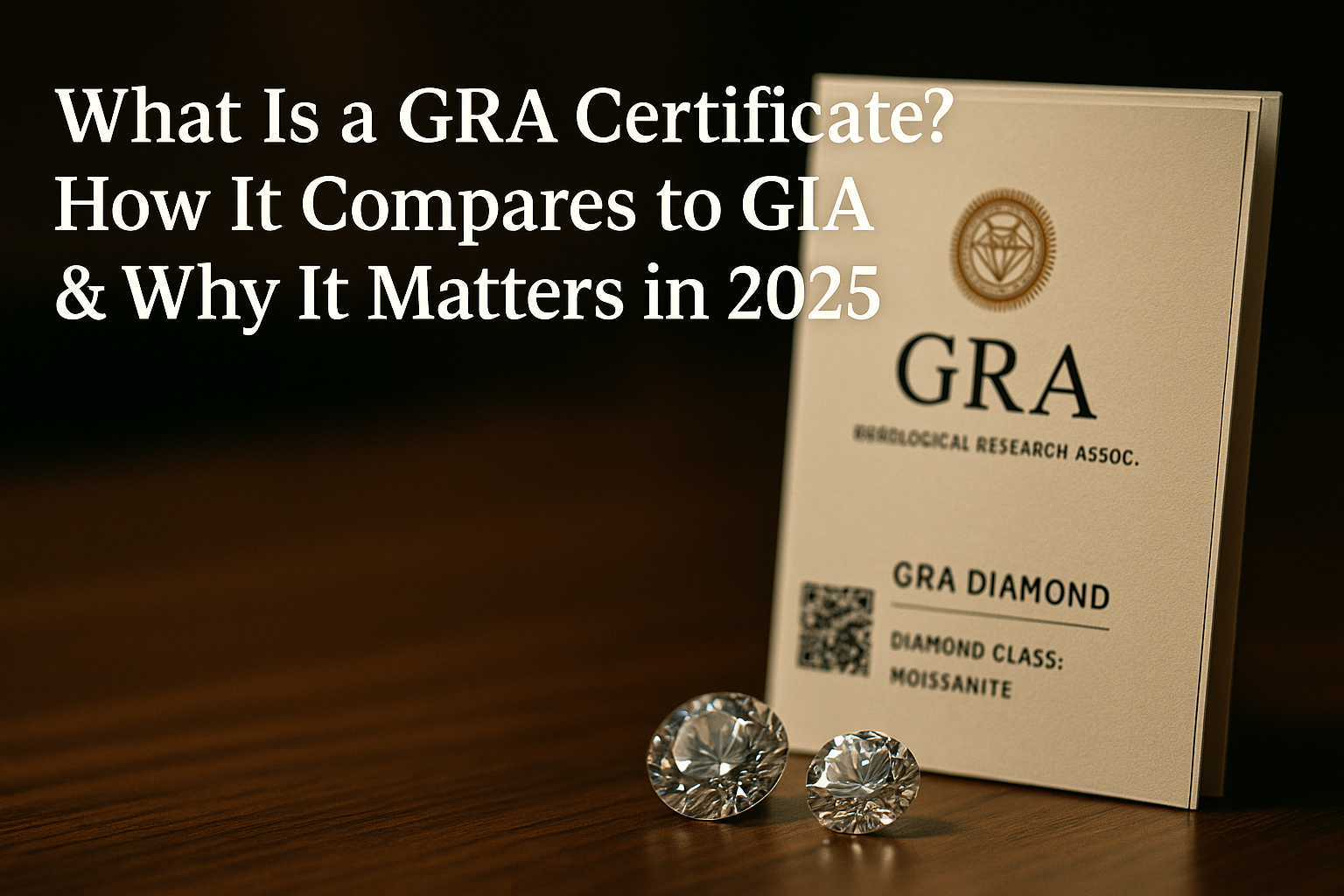
Decoding Gemstone Variety and Treatment Disclosure: Why It Matters
The trustworthiness of a gemstone’s certificate hinges on two pivotal elements: precise identification of the stone’s species and clear disclosure of any treatments. Treatments such as heat or clarity enhancements are prevalent, and their full transparency is a legal and ethical necessity in the trade. Laboratories like IGI and GIA systematically document these interventions on reports, ensuring buyers understand the impact on the stone’s durability and market value.
These details influence consumer confidence, particularly in digital marketplaces where physical inspection is impossible. Investing in certified stones from verified sellers mitigates risks, a point underscored by platforms partnering with industry leaders like the American Gem Trade Association (AGTA) and RapNet’s verified network.
Comparative Analysis of Top Gemological Laboratories: GIA, AGS, IGI, and Beyond
Not all gemstone certificates are created equal. The GIA remains the benchmark, revered for its rigorous application of the 4Cs grading and its detailed origin reports for select colored gems such as sapphires and rubies. Meanwhile, AGS is distinct for its focus on cut quality, utilizing a 0-10 numerical scale that appeals to buyers prioritizing brilliance and craftsmanship.
On the other hand, the International Gemological Institute (IGI) offers a faster service with cost-effective certification, a preferred choice in high-volume retail markets. European buyers might lean toward HRD Antwerp certificates, which mirror GIA’s precision but align with distinct continental standards. Labs like Gübelin and PGTL emphasize origin disclosures and scientific authenticity, especially for gems of exceptional provenance.
Understanding these laboratories’ unique approaches aids purchasers in selecting the appropriate certification aligned with their objectives, whether maximizing resale value, ensuring ethical sourcing, or confirming treatment histories.
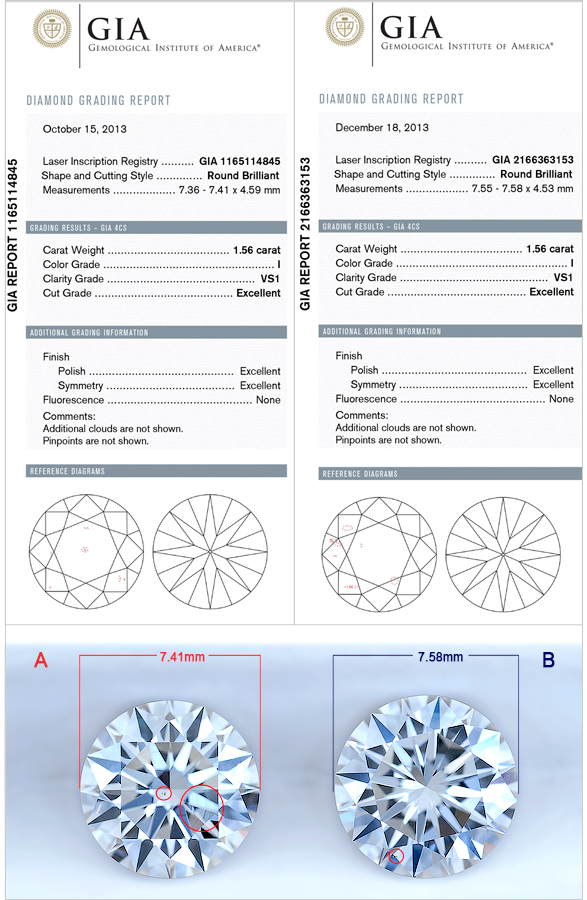
Interpreting Grading Terminology and Security Features Across Laboratories
A major challenge in comparing certificates is the variance in color and clarity grading. For instance, GIA uses a D-Z alphabetical color scale, while AGS prefers a numerical ranking emphasizing cut and brilliance. IGI’s standards can sometimes diverge from these established scales, reflecting the differing methodologies. Security markers such as holograms, QR codes, and unique certificate numbers are critical for preventing fraud and validating authenticity.
Notably, clarity evaluations differ in categorization; GIA’s meticulous system ranges from flawless (FL) to included (I), whereas other labs may apply more lenient or alternative criteria. Knowledge of nomenclature disparities is vital to avoid overpaying for a stone whose exact quality differs according to the issuing lab’s scale. Guidance on these complexities is covered in detail by specialized resources for buyers and sellers.
Investment Insights: How Certification Influences Gemstone Value and Resale
In the investment arena, certificates from prestigious labs like GIA and AGS often command a price premium and elevate a gem’s resale potential substantially. Documentation that verifies a stone’s untreated status, confirmed origin, and comprehensive grading creates undeniable market trust. Dealers and insurers alike demand such certificates for accurate appraisals and risk mitigation.
The correlation between certification quality and gemstone value underscores the importance of selecting labs with strict treatment disclosure policies, such as EGL, NGTC, and SSEF. Transparent certification marks a stone as a secure investment, while inconsistent or vague reports can signal red flags—emphasized by expert warnings detailed in industry alerts.
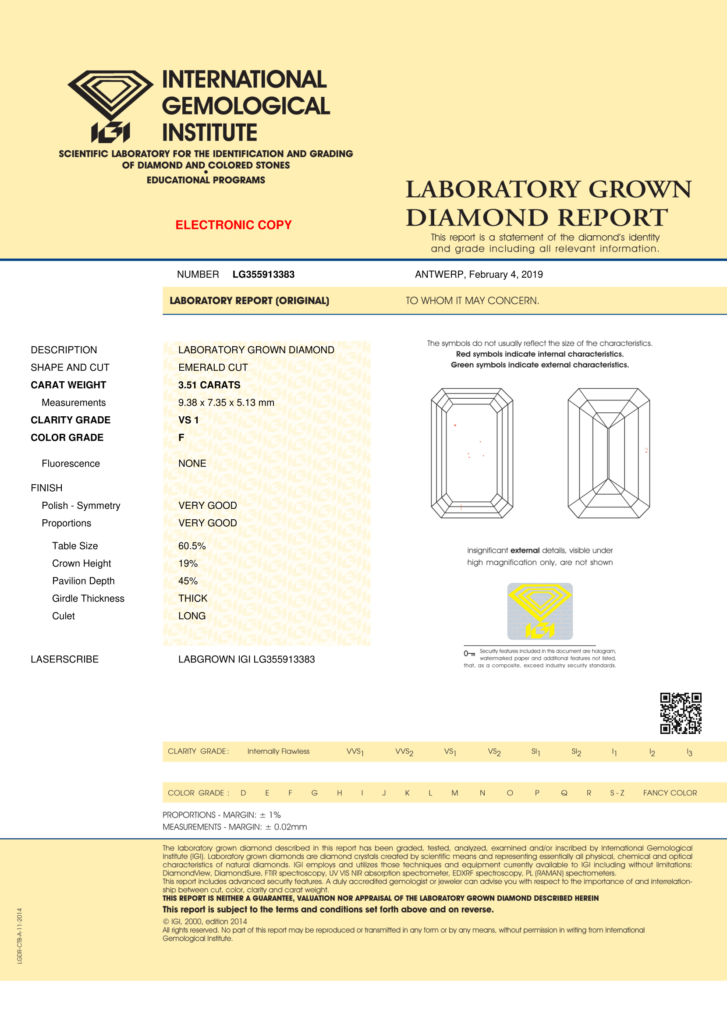
For comprehensive engagement in this market, joining organizations like the AGTA or leveraging the RapNet trading platform promotes networking with verified, trustworthy partners. Participation in international trade shows also provides hands-on exposure to certified gemstones, an invaluable complement to reliance on documentation alone.
Ultimately, as showcased through leading gemstone certification labs, rigorous standards and transparent communication remain the pillars supporting a thriving, trustworthy colored gemstone market in 2025.