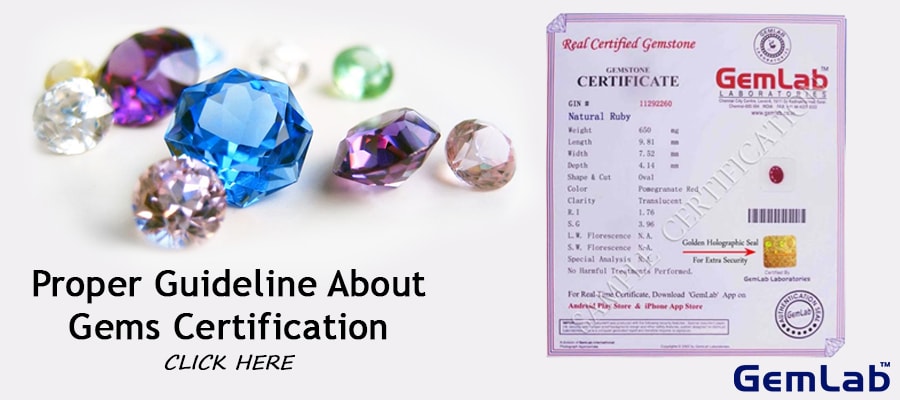

In the intricate world of jewelry, understanding the certification of gemstones is essential for making informed decisions. Diamonds and colored gemstones represent two major categories in this sector, each with distinct certification processes that reflect their unique qualities and market demands. As 2025 unfolds, the scrutiny towards authenticity, quality, and ethical sourcing has never been greater, prompting buyers to demand transparent evaluations from reputable labs such as GIA, IGI, AGS, and HRD. While diamond certification focuses heavily on the internationally recognized “4 Cs” — cut, color, clarity, and carat weight — the certification of colored gemstones incorporates additional factors like origin, treatment disclosures, and sometimes mine certification, critical to understanding their true value.
Certified diamonds come with third-party verification from expert gemologists who meticulously grade each stone’s attributes, ensuring buyers receive precise details free of sales bias. On the other hand, colored gemstone certification involves a more complex assessment process due to the vast variety of stones, their diverse treatment methodologies, and the importance of sourcing information. Laboratories such as Gübelin, GRS, NGTC, and SSEF have become indispensable for providing comprehensive reports that detail these parameters, ensuring the authenticity and quality of stones like sapphires, rubies, and emeralds. Consequently, grasping the differences in certification protocols between diamonds and colored gemstones is vital for investors, collectors, and consumers seeking reliable verification in today’s sophisticated gemstone market.
En bref :
– Diamond certification is predominantly centered on the “4 Cs” and issued by globally recognized labs such as the GIA and AGS, providing a standardized grading system.
– Colored gemstone certification additionally emphasizes origin, treatment, and mining source, which are critical for accurate valuation and ethical assurance.
– Trusted labs like IGI and HRD certify both diamonds and colored stones, but modalities differ due to stone characteristics.
– Certified diamonds generally have stronger resale value and easier market comparability than non-certified stones.
– Colored gemstones require more detailed provenance information, with agencies like Gübelin and GRS offering key origin certification to guarantee authenticity.
– Understanding these distinctions can protect consumers from misleading claims and enhance confidence in gemstone investments.
Understanding Diamond Certification: The Foundation of Gemstone Authenticity
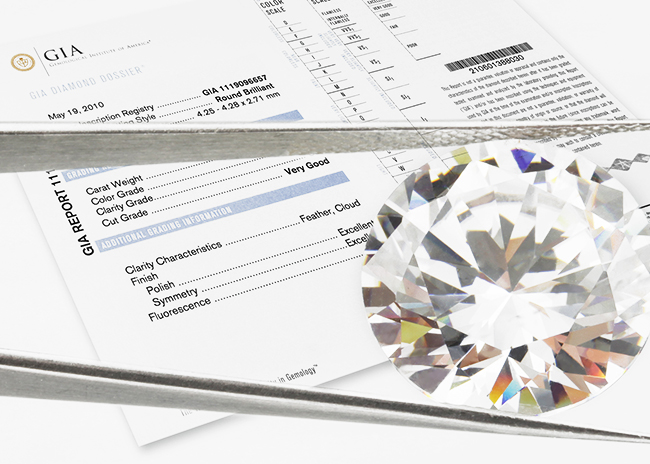
Diamond certification has been refined over decades to become the benchmark for assessing a diamond’s quality, primarily through the rigorous evaluation of its cut, color, clarity, and carat weight. Laboratories such as the Gemological Institute of America (GIA), American Gem Society (AGS), and the International Gemological Institute (IGI) issue detailed documents that distinctly categorize these parameters. The GIA, often regarded as the gold standard, provides several types of grading reports, including the Diamond Grading Report, Diamond Dossier, and Diamond Focus, all designed to assure buyers of the stone’s attributes without ambiguity.
What distinguishes the diamond certificate is its scientific approach and global acceptance, which simplifies the comparison and valuation of diamonds. Certified diamonds carry higher market trust and liquidity, especially since these labs employ trained gemologists who use microscopic analysis and advanced instruments. This level of scrutiny offers buyers peace of mind when selecting loose diamonds or pairing them with jewelry settings.
How Certification Enhances Market Transparency for Diamonds
Unlike appraisals that assign estimated monetary values, diamond certificates document the precise quality attributes independent of fluctuating market prices. This emphasis on documentation versus valuation helps demystify diamond purchasing, particularly for online sales where physical inspection is not possible. The presence of a lab report from esteemed labs such as GIA, IGI, and AGS ensures that buyers are not solely reliant on seller descriptions.
For example, a GIA Diamond Grading Report explicitly states the diamond’s color grade ranging from D (colorless) to Z (light tint), clarity grades indicating the presence and size of internal inclusions, and cut quality that directly influences the stone’s brilliance. This level of detail brings clarity and confidence to each transaction, making certified diamonds synonymous with reliability in the jewelry market.
Colored Gemstone Certification: Navigating Complexity and Provenance
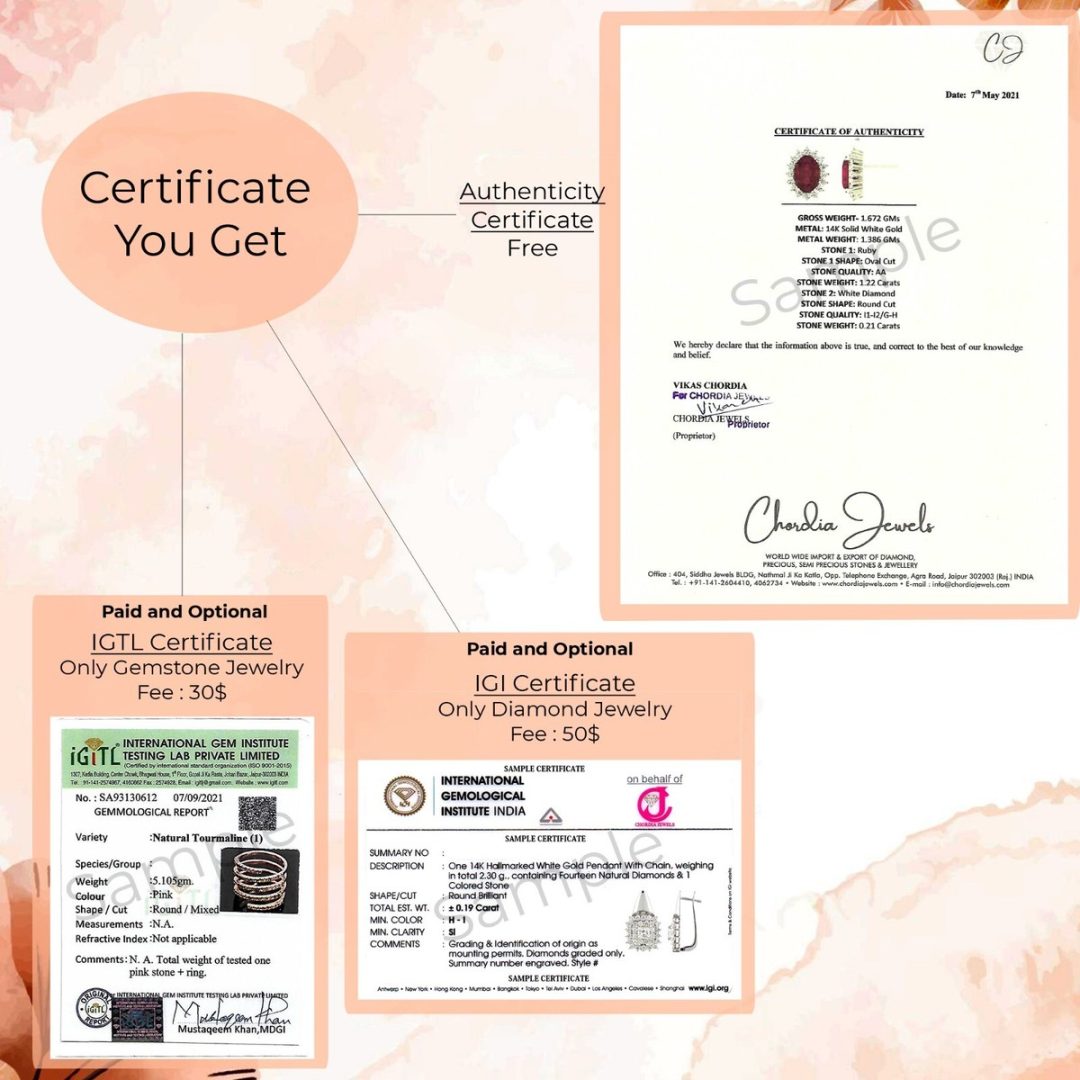
Colored gemstones — including sapphires, rubies, emeralds, and less common varieties — present unique challenges in certification due to their broad spectrum of colors, geographic origins, and treatment histories. Unlike diamonds, which follow a relatively uniform grading system, colored gemstones must be authenticated with additional scrutiny around their origin and enhancements such as heating or oiling. Laboratories like Gübelin, GRS, and SSEF specialize in providing origin certification and treatment disclosures that significantly affect the stone’s value and integrity.
This provenance data becomes essential because certain geographic origins, such as Burmese rubies or Colombian emeralds, carry a premium due to their rarity and superior qualities. Furthermore, treatments disclosed in certification reports ensure buyers understand if the stone’s appearance is natural or has been artificially enhanced. Transparency in these areas is pivotal in avoiding overvaluation or misrepresentation.
The Role of Treatment Disclosure in Colored Gemstone Certification
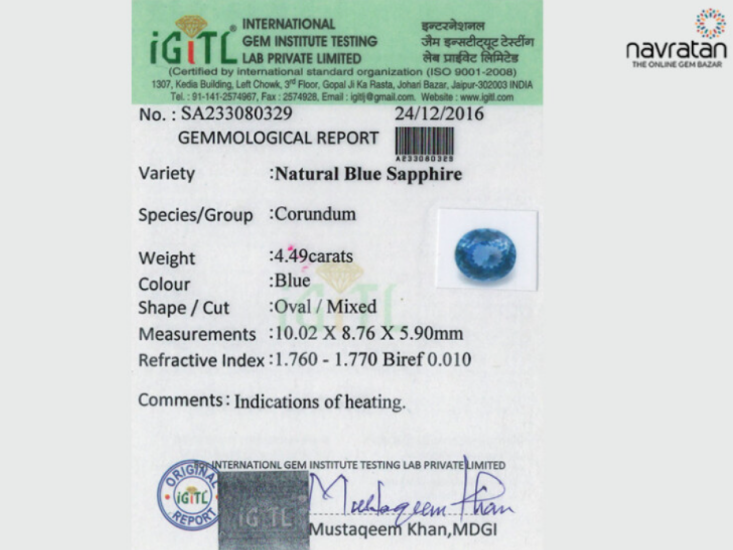
A key differentiator in colored gemstone certification is the mandatory disclosure of any treatments the stone may have undergone. This transparency is critical since treatments can range from heat enhancement, fracture filling, to dyeing, all of which impact both the stone’s durability and market value. For example, a sapphire that is heat-treated to enhance color will often be less valuable than an untreated specimen certified by a lab such as Gübelin or GRS.
Certification reports on colored gemstones will provide detailed descriptions of any such treatments alongside color grading based on hue, tone, and saturation, as well as clarity evaluations. This multifaceted grading allows consumers and investors to make informed choices, ensuring that their gemstone’s beauty aligns with its appraisal and ethical sourcing standards.
Comparing Labs and Their Roles in Diamond and Colored Gemstone Certification
When it comes to authoritative grading and certification, several laboratories have established themselves as leaders. Beyond the well-known GIA, IGI, and AGS, there are niche labs that specialize in colored gemstones and offer origin certification crucial for high-value colored stones. Labs like HRD and GCAL provide robust diamond grading services, whereas SSEF, Gübelin, and NGTC are renowned for their expertise in colored gemstones.
These organizations often collaborate with the jewelry industry to improve transparency and trust by offering detailed certification that bridges the gap between gemological science and market realities. Additionally, the rising interest in lab-grown gemstones has prompted labs such as IGI to expand certification services for these stones, offering buyers clear identification and grading distinctions.
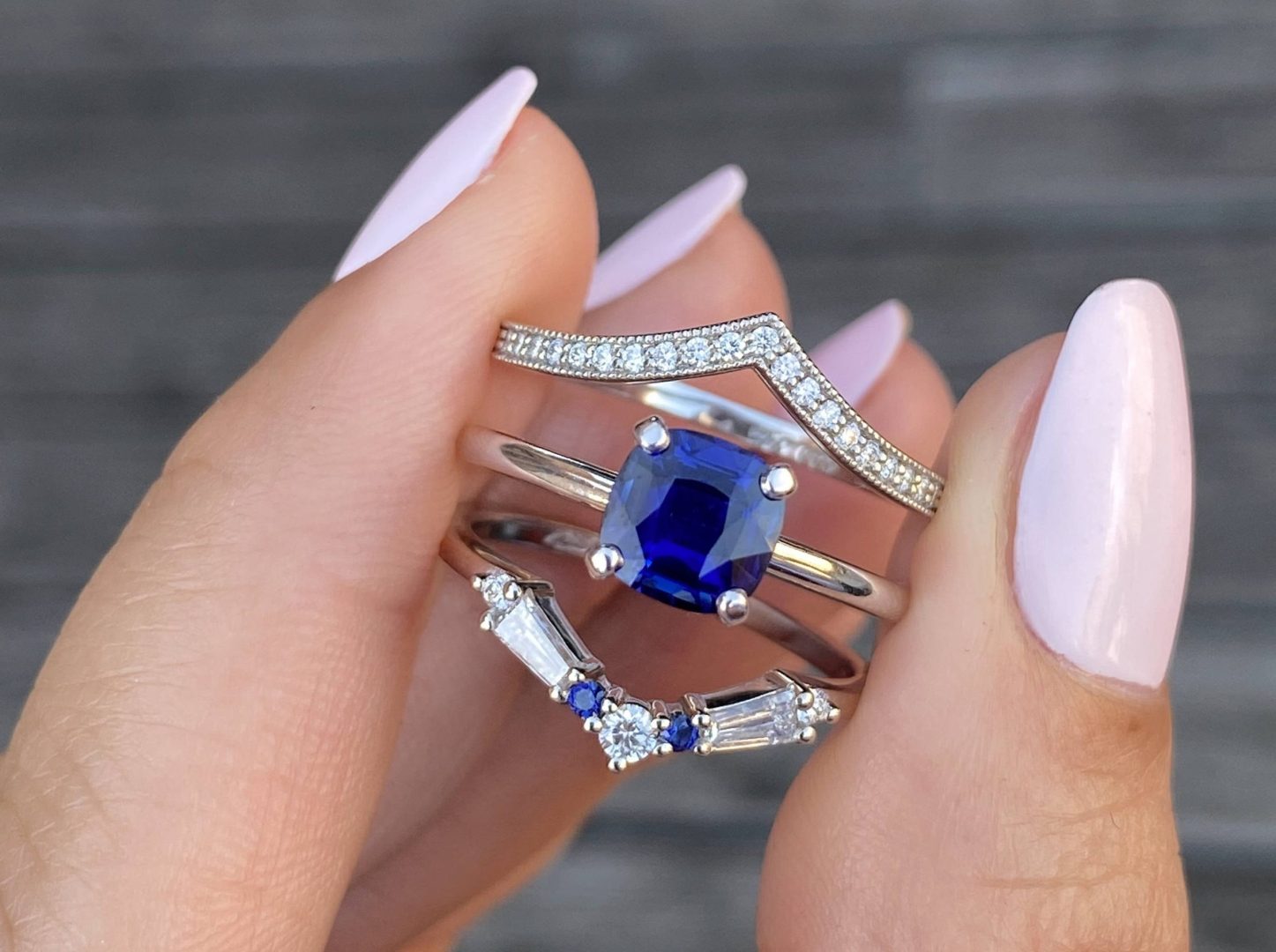
Insights Into Lab-Grown Gemstone Certification
With the expansion of lab-grown gemstones in the market, certification has adapted to include clear identification that differentiates them from natural stones. The IGI and GCAL laboratories issue reports that explicitly state whether a gemstone is lab-grown, often with laser inscriptions on the stone for verification purposes. This transparency is vital to maintaining market integrity and providing consumers with confidence in their purchases, whether for investment or personal enjoyment.
As demand increases for sustainable and ethically sourced alternatives, lab-grown stones are gaining traction, making understanding their certification processes increasingly relevant for buyers in 2025 and beyond.