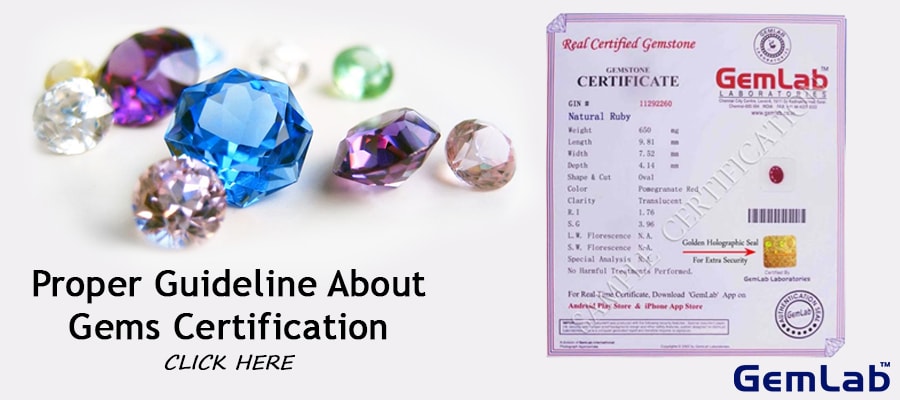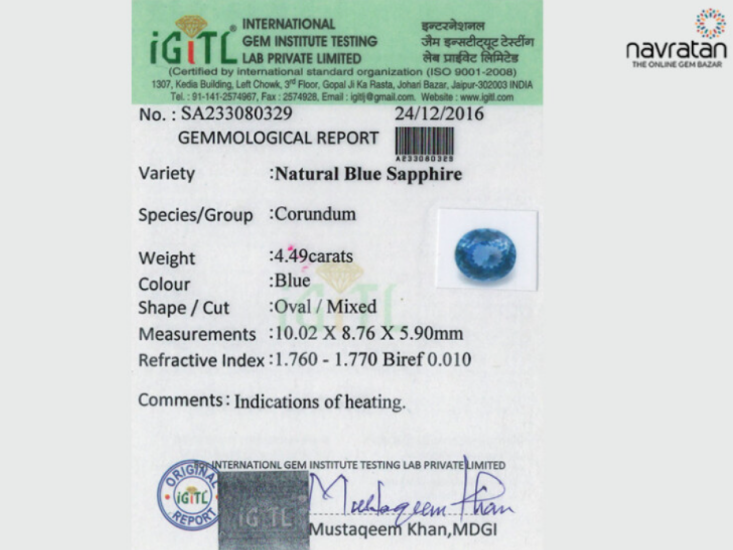
In the evolving world of gemstones, lab-grown stones have carved a niche that blends innovation with tradition, offering consumers a sustainable and ethical alternative to natural gems. As of 2025, the market is increasingly sophisticated, with buyers demanding transparency and certification to ensure value and authenticity. Certification has become the cornerstone for making informed purchases, distinguishing between quality, origin, and treatment—an essential filter in an industry where trust governs price and perception.
Buyers today are not only interested in the aesthetic appeal of lab-grown gemstones but also in their provenance and the authenticity guaranteed by reputable laboratories. With the rise of industry leaders such as GIA, IGI, and brands like Brilliant Earth and James Allen, understanding certification details is critical. This knowledge empowers buyers to differentiate between similar stones, assess worth accurately, and avoid potential pitfalls such as inflated valuations or counterfeit claims. The landscape also includes innovative players like Swarovski Created Diamonds, Diamond Foundry, and DeBeers Lightbox, each influencing consumer expectations and certification standards.
Ultimately, purchasing lab-grown gemstones in 2025 requires a robust understanding of certification roles, differences, and reliability among labs. This article dives into the heart of gemstone certification, unpacking what every buyer must know to secure value, trust, and confidence in their investment.
In brief:
- Certification is vital: Lab-grown gemstones must come with detailed certification to ensure authenticity and quality.
- Reputable labs vary: GIA and IGI are leading laboratories, each with distinct roles and reputability in grading lab-grown stones.
- Price vs. certification: Certification influences price, but buyers should also evaluate physical quality alongside certificates.
- Market leaders: Vendors like James Allen and Brilliant Earth offer certified lab-grown gemstone options with transparent grading.
- Beware of red flags: Understanding common pitfalls in certification can prevent costly mistakes.
Understanding Lab-Grown Gemstone Certification: The Foundation of Informed Buying
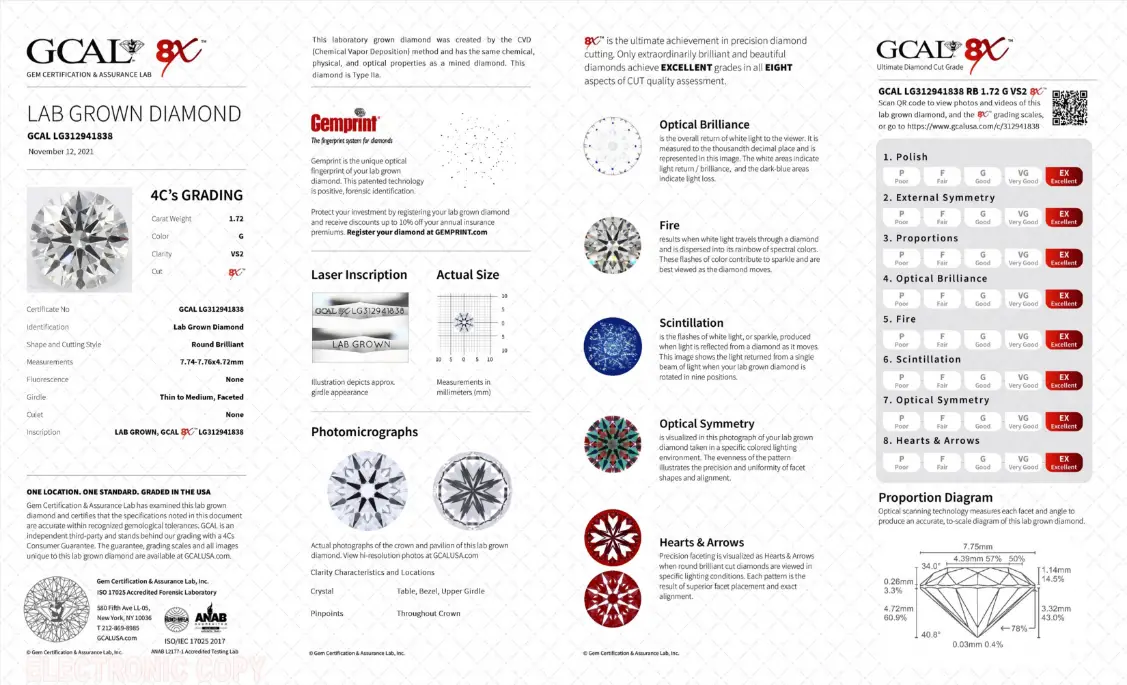
Lab-grown gemstones, unlike their natural counterparts, offer a remarkable advantage: controlled creation processes allow for precise quality assessments. However, the cornerstone for buyer confidence remains the certification provided by independent and reputable gemological laboratories. A lab-grown gemstone certificate is an objective third-party document detailing the stone’s characteristics such as cut, color, clarity, and carat weight—parameters essential for assessing value.
Experts from well-established entities like IGI (International Gemological Institute) and GIA (Gemological Institute of America) carefully scrutinize lab-grown gems. Though both provide grading reports, their approach slightly differs. IGI, often preferred for lab-created stones, offers detailed gradations that enable side-by-side stone comparisons. Conversely, GIA, regarded as the gold standard for natural diamonds, has recently expanded its certification to lab-grown stones, though these remain less common in market supply.
For buyers, it means that having a certificate is indispensable for navigating offers from vendors including James Allen and others who showcase high-quality lab-grown diamonds and gemstones online. Such transparency assures that consumers are not merely charmed by brilliance but are buying documented, verifiable quality.
The Critical Differences Between GIA and IGI Certifications for Lab-Grown Gems
Distinguishing between GIA-certified and IGI-certified lab-grown gemstones can influence purchasing decisions significantly. While the GIA is lauded for stringent grading and consistency in natural diamonds, IGI has emerged as the primary certification body for synthetic stones, appreciated for its precision and accessibility.
IGI’s grading reports detail subtle nuances in color and clarity that matter in lab-grown diamonds, enabling more accurate valuation in the secondary market. In contrast, GIA’s newer lab-grown grading services combine its hallmark rigor with evolving standards that aim to unify grading for natural and lab-created gems under a single framework. This ongoing development provides buyers with increasing options but also underscores the need for clear understanding of each lab’s grading nuances when selecting stones.
When shopping, particularly at trusted vendors like Brilliant Earth, buyers often find IGI certification more readily available for lab-grown diamonds, whereas GIA certificates are sought for their unmatched credibility, especially in natural stones. This disparity affects both pricing models and long-term value retention.
Ensuring Value and Authenticity: What Buyers Should Watch in Certification Reports
Certification reports provide a blueprint to assess gemstone quality meticulously, but not all certificates carry equal weight. Buyers must critically analyze key certification components and be alert to common red flags outlined in resources like gem-certify.com. For instance, detailed grading on cut, clarity, and color is non-negotiable for determining the true beauty and quality of a gemstone.
Additionally, the market reality dictates that while lab-grown diamonds boast similar physical properties to natural diamonds, their pricing and resale value often differ dramatically. Unlike natural diamonds, which retain significant resale value bolstered by fierce demand and traditional trust in entities like GIA, lab-grown gems typically experience rapid price depreciation.
This distinction pushes buyers towards making purchase decisions balancing their priorities: a lab-grown gem certified by IGI from vendors like James Allen offers exceptional beauty and budget-friendly prices, whereas investing in a natural, GIA-certified diamond may appeal more to those focused on long-term value and inheritance.
The Role of Certification in Ethical and Sustainable Jewelry Choices
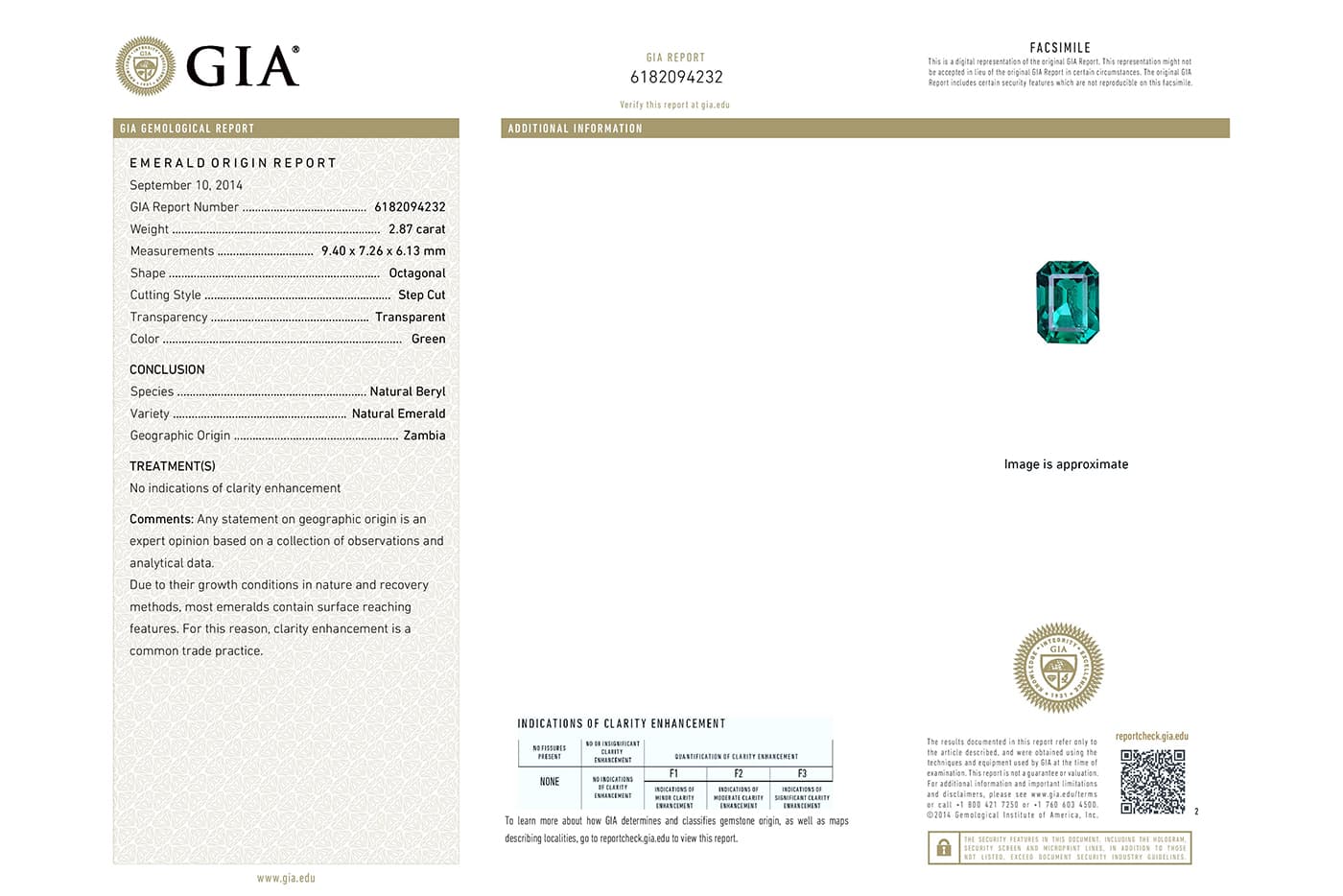
In 2025, consumer emphasis on ethical sourcing and environmental impact elevates the importance of certification beyond quality metrics. Certifications now often include information regarding gemstone origin—which can verify eco-friendly production processes—and treatments, addressing growing concerns about authenticity and sustainability.
Brands like Miadonna and Chatham showcase their commitment to transparency by providing certification that reflects responsible practices alongside gem grading. Similarly, DeBeers Lightbox promotes certified lab-grown diamonds with clearly communicated origin stories, helping customers align purchases with their values.
In this context, certification is not merely a document but a testament to intentional consumerism, allowing buyers to make choices that resonate with personal ethics while securing high-quality investment pieces.