As global awareness of sustainability intensifies in 2025, the scrutiny of environmental and ethical practices through certification programs has become increasingly pivotal. Consumers and businesses alike are seeking assurances that products and organizations uphold genuine commitments to sustainable development, beyond superficial claims. Certification schemes now serve as critical gatekeepers, distinguishing between authentic sustainable actions and mere greenwashing. Their role stretches from validating organic agricultural products with labels like Certified Organic and Soil Association seals to assessing entire organizational practices via standards such as B Corp certification. These frameworks not only facilitate market trust but actively encourage enterprises to embed responsible environmental stewardship and ethical governance into their operations.
In the face of diverse global regulations and market demands, sustainability certifications address a complex set of challenges. Firms must navigate costly and often intricate certification processes while striving to maintain transparency and inclusivity. Importantly, certifications like Rainforest Alliance and Fairtrade focus on social equity alongside environmental criteria, ensuring labor rights and equitable resource management are not sidelined. Moreover, building certifications such as LEED spotlight energy efficiency and eco-friendly construction methods, emphasizing the holistic nature of sustainability.
- Certifications provide verified proof of environmental and ethical compliance to combat greenwashing in a landscape saturated with marketing claims.
- Global variations in standards require businesses operating internationally to adapt certification strategies, balancing local regulations with corporate responsibility.
- Ethical implementation of certifications demands inclusivity and impartial evaluation processes to guarantee fairness and avoid reinforcing existing inequalities.
- Leading certifications cover everything from product lifecycle impacts to social justice considerations, underscoring their comprehensive scope.
- Ongoing verification and transparency mechanisms are essential to sustain trust and credibility over time.
Significance of Sustainability Certifications in Establishing Environmental and Ethical Integrity
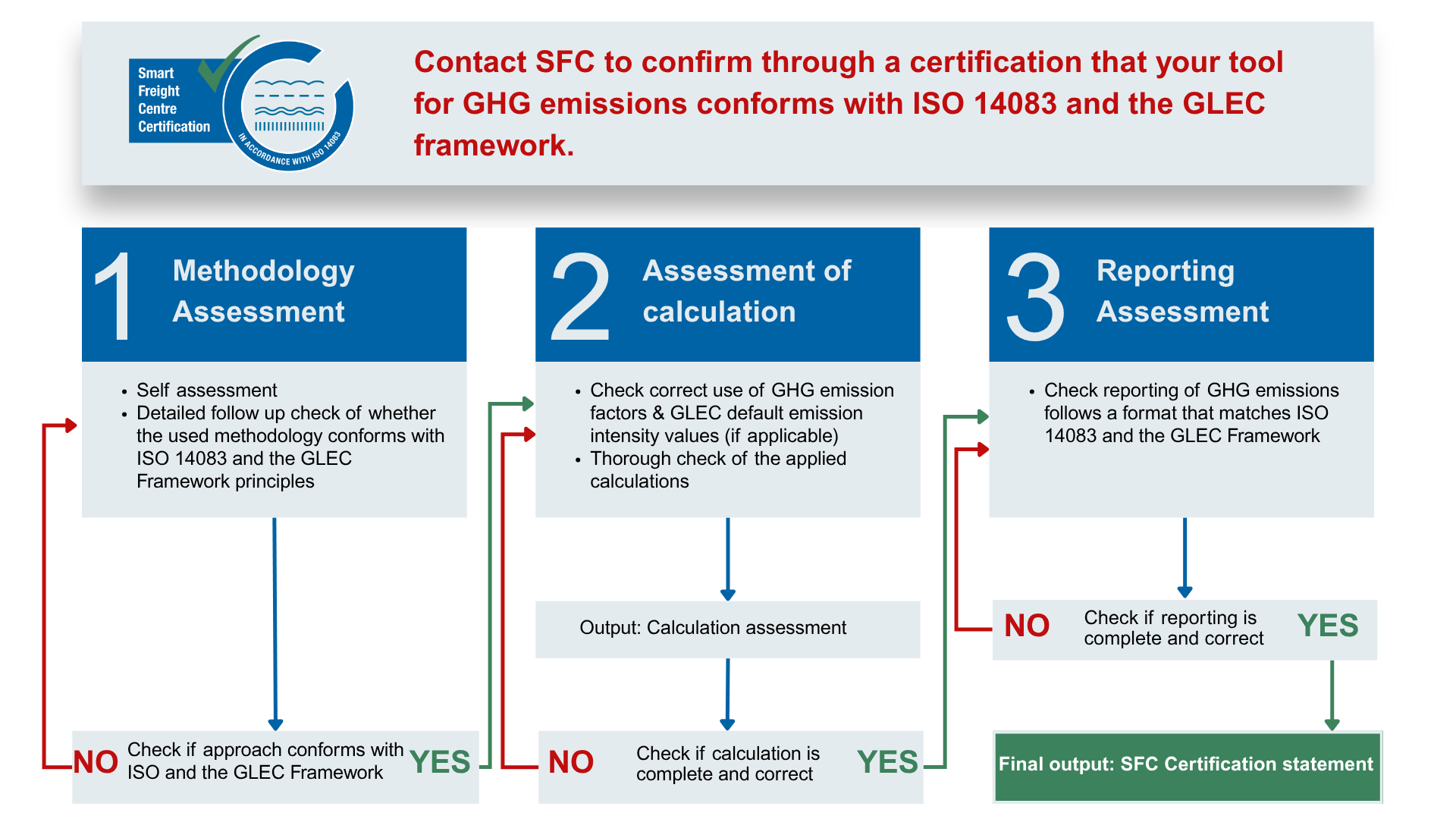
In an age where environmental challenges dominate business considerations, sustainability certifications signify more than just labels—they embody commitments to measurable positive impact. Independent verification provided by these certifications supports consumer confidence, reassuring stakeholders that claims such as reduced carbon footprints or sustainable sourcing are robust. For instance, entities adhering to Carbon Trust or EcoCert standards actively demonstrate their dedication to lowering greenhouse gas emissions and promoting ecological harmony.
These certifications facilitate access to discerning markets where eco-consciousness influences buying patterns, fostering a competitive edge grounded in genuine accountability. Moreover, the certification process stimulates organizations to scrutinize and refine their operations, integrating sustainable resource management, fair labor practices, and transparent governance. The growing preference for comprehensive schemes like B Corp, which assess social and environmental performance, reflects a trend toward holistic sustainability encompassing both planetary health and societal well-being.

Classification and Scope of Environmental and Ethical Certifications
Certifications bifurcate across various domains to address specific sustainability criteria effectively. Product certifications, such as Certified Organic or Cradle to Cradle, validate the origins and lifecycle impacts of goods, assuring minimal environmental footprint and safety for consumers. Building certifications like LEED evaluate energy efficiency, material sourcing, and waste reduction during construction and operational phases.
Organizational certifications introduce a broader evaluation, measuring a company’s overarching environmental management through standards like ISO 14001 or social responsibility via B Corp. Additionally, certifications focused on responsible resource stewardship, including FSC (Forest Stewardship Council), ensure sustainable forestry practices that balance ecological preservation with economic viability.
End-of-life certifications guarantee that products sustain their environmental promise beyond use, encouraging recyclability and compostability in line with circular economy principles. This diversity in certification types equips businesses with tailored paths to demonstrate their sustainability credentials comprehensively.
Overcoming Barriers in Pursuit of Ethical and Environmental Certification
Despite their benefits, achieving certification poses significant challenges. Financial constraints often deter smaller enterprises from initiating the process, while the complexity of criteria demands specialized expertise and extensive documentation. This can inadvertently favor larger corporations equipped with more substantial resources, potentially marginalizing smaller players and destabilizing market equity.
Moreover, inconsistent global standards complicate compliance, as businesses juggling multiple certifications may face conflicting requirements. This complexity necessitates strategic approaches and sometimes compromises, yet the ethical imperative remains strong—to foster transparency and uphold true sustainability values without succumbing to superficial certification acquisition.
Maintaining Ethical Standards: Transparency, Accessibility, and Impartiality
At the core of credible certification systems lies unwavering ethical commitment. Programs must deliver accessible pathways that transcend financial or geographic barriers, offering tiered pricing or group certification options to include diverse participants. Additionally, language inclusivity and clear communication enhance global reach and participatory fairness.
Impartial evaluation relies on independent auditors free from conflicts of interest, ensuring decisions rest on objective, transparent criteria. Stringent oversight and accountability mechanisms fortify these arrangements, building resilience against manipulation or greenwashing. Such ethical frameworks not only establish trust but also trigger continuous improvement cycles, encouraging certified entities to uphold standards rigorously over time.
Addressing Power Dynamics and Holistic Assessment in Certification Programs
Certification programs inherently navigate complex power dynamics. Entities setting standards often wield significant influence over those seeking certification, raising concerns about legitimacy and inclusivity. Ethical certifications must therefore foster multi-stakeholder governance, integrating voices from affected communities, workers, and consumers to democratize decision-making.
Programs adopting a holistic lens consider not only isolated environmental metrics but also social justice, labor rights, and economic equity. Incorporating life cycle assessments and stakeholder engagement ensures that sustainability claims reflect pervasive and integrated responsibility. This comprehensive approach deters narrow or cynical compliance aimed solely at marketing advantages.
Such vigilance safeguards certifications from becoming mere barriers to entry or tools for exacerbating inequalities, instead positioning them as enablers of systemic, positive transformation aligned with the evolving expectations of 2025 society.

Global Impact and the Future Trajectory of Environmental and Ethical Certifications
In 2025’s interconnected economy, the reach of sustainability certifications transcends borders, influencing supply chains and consumer choices worldwide. As global environmental and social challenges intensify, the demand for robust, transparent, and adaptable certification frameworks grows alongside. This trajectory includes expanded use of digital verification technologies and more dynamic standards reflecting the latest scientific insights and cultural values.
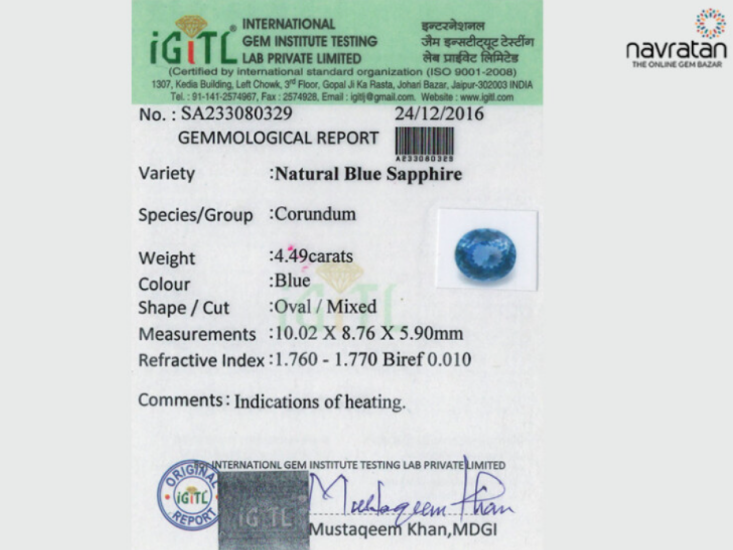
The ongoing refinement of certifications, including acclaimed systems like Gemstone Certification Guide, highlights the importance of continuous learning and ethical vigilance. Programs must evolve to address emerging issues, uphold stringent governance, and contribute to a more sustainable and equitable global future.