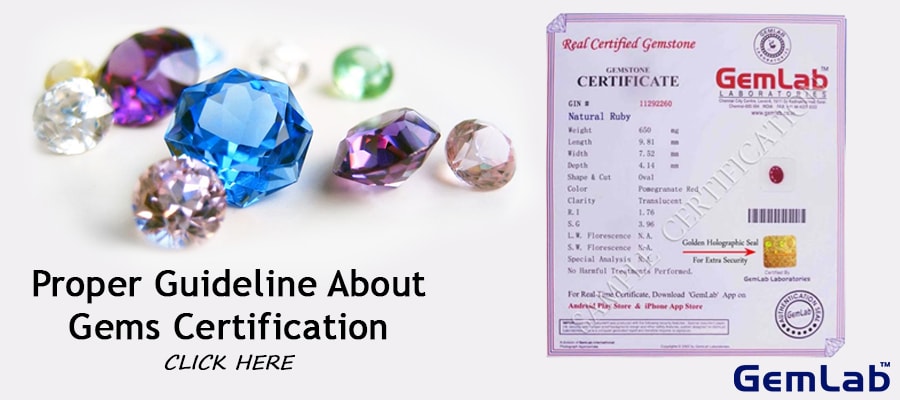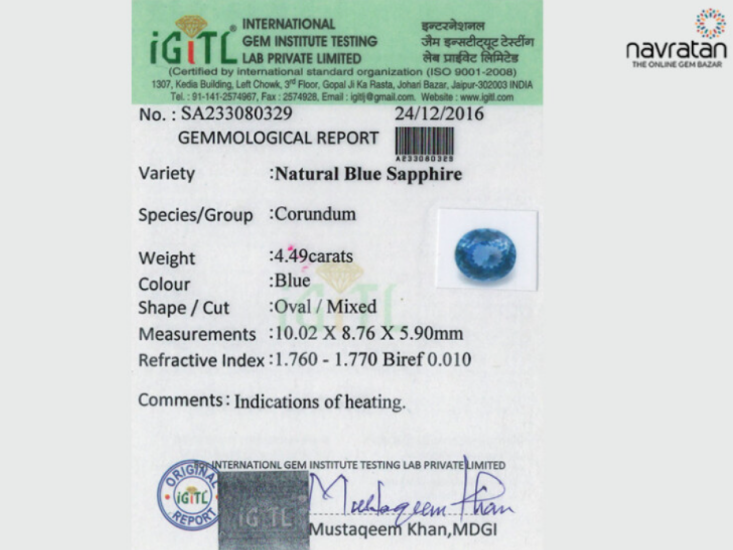
In the ever-evolving world of gemstones, certification stands as a powerful tool that significantly influences both value and resale potential. By 2025, the gemstone market has embraced a higher level of sophistication where certificates are no longer mere documents but critical assets that authenticate quality, origin, and rarity. Buyers and sellers alike depend heavily on these certifications to navigate a marketplace that demands transparency and trust. Institutions such as GIA, IGI, AGS, HRD Antwerp, EGL USA, SGL, Gubelin Gem Lab, Lotus Gemology, SSEF, and PGTL lead the landscape of trusted grading, shaping buyer confidence and impacting price tiers.
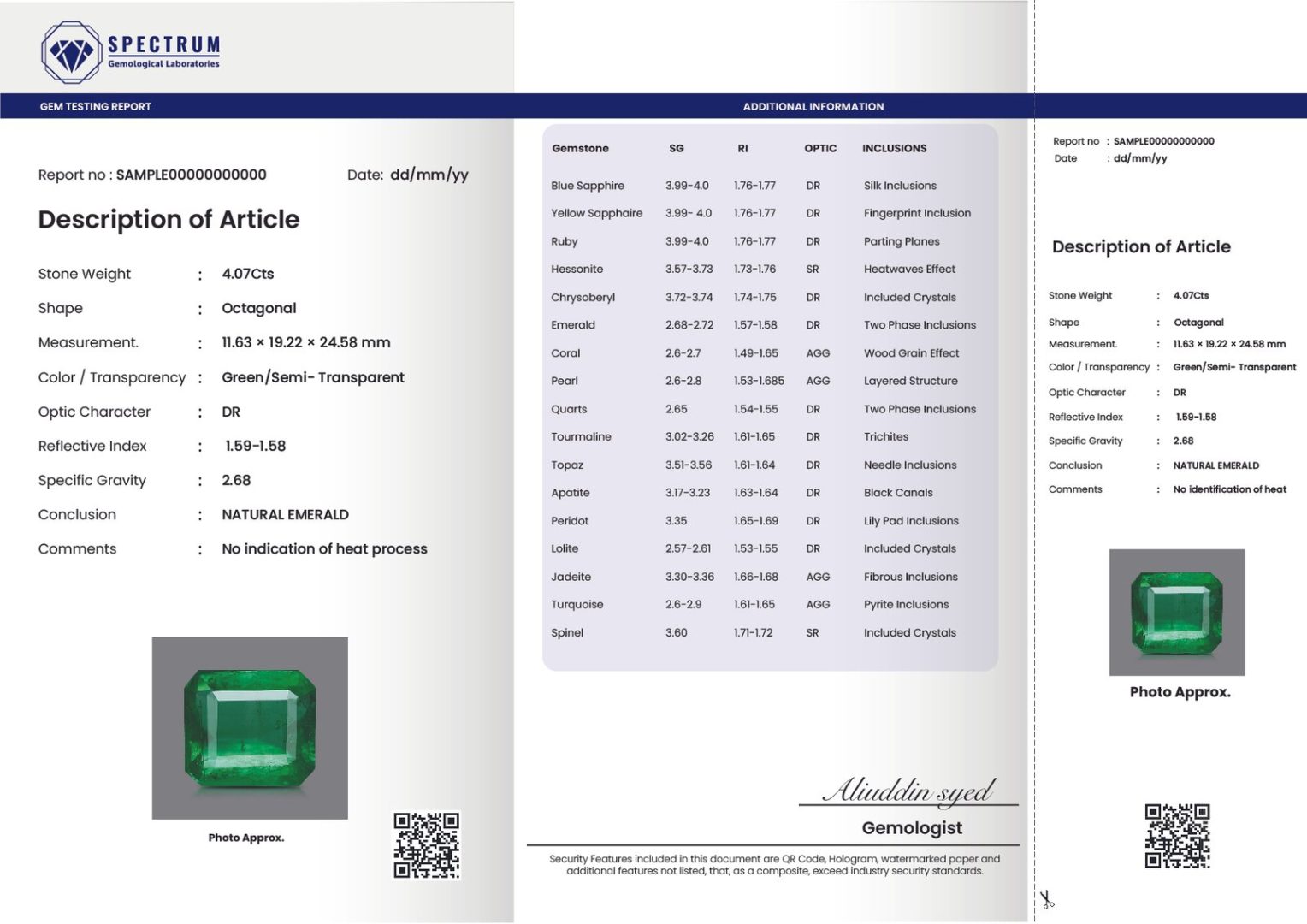
The role of gemstone certificates has expanded beyond simple verification to become essential in establishing market credibility. Certified gems not only command superior prices—often 15-25% more for diamonds from reputable labs like GIA—but also facilitate smoother transactions by reducing uncertainties that typically challenge resale. This effect is particularly pronounced in online marketplaces and auction houses, where the ability to verify a stone’s characteristics swiftly can make or break a deal. The intricacies of grading reports, detailing attributes such as carat weight, color, clarity, and cut, feed into an ecosystem where precision and proof dictate value.
Moreover, lab-grown diamonds and gemstones illustrate a nuanced dynamic within certification’s influence. While lab-grown stones are gaining popularity, their resale value remains comparatively lower, affected by supply fluctuations and market perceptions. Yet, for investors and collectors, certificates from prestigious laboratories serve as a safety net, documenting provenance and ensuring investment protection even amidst shifting trends.
Understanding how gemstone certification affects value and resale is critical for consumers, collectors, and professionals alike. This knowledge empowers stakeholders to make informed decisions, maximizing returns and preserving the heritage of precious stones. In this exploration, we delve into the profound impact of certification, evaluate leading grading bodies, and provide actionable insights on harnessing certificates to bolster both trust and market position in 2025’s dynamic jewelry landscape.
En bref:
- Certified gemstones consistently command higher resale values, with GIA-certification leading the premium.
- Certification establishes market confidence, enhancing buyer trust and facilitating transactions.
- Recognition of grading labs varies—GIA, AGS, HRD Antwerp, and GCAL are highly regarded, while EGL USA and some others have less influence on price.
- Lab-grown gems retain lower resale value compared to natural stones despite certification.
- Proper documentation and secure record keeping are essential to preserving certificate integrity and resale potential.
Why Gemstone Certificates Are Essential for Establishing Value in 2025
Certification of gemstones has evolved into a cornerstone of the industry, providing a scientifically grounded evaluation of a gem’s characteristics. Without such authoritative verification, the task of assessing value relies heavily on subjective judgment, often leading to undervaluation or mistrust. The presence of a certificate from a reputable lab such as GIA, AGS, or the HRD Antwerp signals to the market that a gem has undergone rigorous and standardized testing.
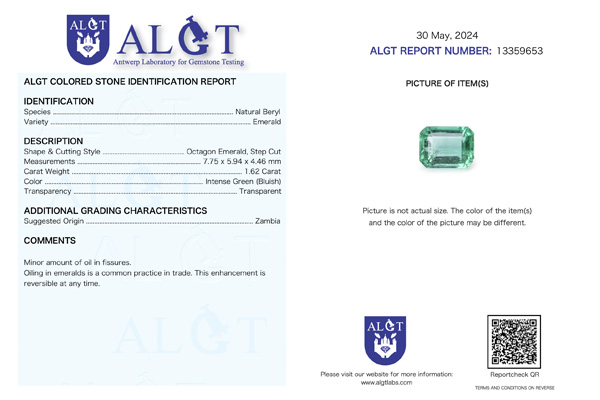
This formal validation reassures buyers that they are acquiring precisely what is described, minimizing the risk of misrepresentation or fraud. Importantly, certification extends beyond natural diamonds to colored gemstones like rubies, sapphires, and emeralds, where origin insights from labs such as Lotus Gemology or Gubelin Gem Lab further influence price and desirability by highlighting provenance—an element gemologists recognize as crucial for value.
The Impact of Reliable Certification on Market Confidence
Buyers today demand transparency and reliability. Certificates foster confidence by detailing critical grading elements — including carat, color, clarity, and cut — that collectively set a gemstone’s market price. Laboratories like the Gemological Institute of America have become the industry benchmark, with their reports providing an additional layer of security that empowers purchasers to bid confidently, especially in remote or online sales.
Market participants who possess certificates from well-established labs can expect a significant competitive advantage. For example, diamonds certified by GIA often fetch premiums of up to 25% compared to uncertified stones. This gap reflects not just quality assurance, but also easier comparability and liquidity on trading platforms such as RapNet and myGemma.
Comparing Certification Bodies: Influence on Value and Resale Potential
The hierarchy of certification laboratories shapes the resale ecosystem. GIA’s reputation for strict grading standards means its certificates often command the highest resale values. AGS, HRD Antwerp, and GCAL follow closely, offering reliable certification that still positively impacts pricing. Lesser-known or controversial entities like EGL USA typically result in reduced resale prospects and buyer trust issues.
Emerging laboratories including PGTL and SSEF contribute to a diversified landscape, particularly in colored gemstones. Collectors seeking provenance and unique characteristics may rely on Gubelin Gem Lab or Lotus Gemology certificates to confirm rarity and origin — factors which solidify investment appeal. Understanding these distinctions helps sellers position their gemstones effectively within the competitive 2025 market.
Certification’s Role in Pricing Lab-Grown vs. Natural Gemstones
While certificates validate gem quality regardless of origin, the resale value disparity between lab-grown and natural diamonds remains significant. Lab-grown stones tend to have resale values ranging from 10-30% of retail price, whereas natural diamonds retain 20-60% when certified by top labs. This discrepancy can be attributed to market demand, rarity, and perceived investment stability.
Certification labs like GIA and IGI provide grading for lab-grown gems, improving transparency but not fully bridging the valuation gap. In 2025’s expanding market, investors and collectors are advised to weigh the benefits of certification alongside intrinsic market dynamics when considering resale potential.
Strategies for Maximizing Resale Value Through Certification and Marketing
Preserving the integrity and accessibility of gemstone certificates is a strategic necessity. Secure storage—both physical and digital—protects these documents from damage or loss, which can otherwise lead to diminished resale prices. Maintaining original packaging and high-quality documentation further streamlines the selling process.
Marketing efforts should emphasize certified attributes, leveraging quality imagery alongside transparent information about a gemstone’s certification lab and grading details to attract discerning buyers. Platforms like Gem Certify serve as trusted resources to verify authenticity and showcase the benefits of certification in facilitating resale.
Choosing the Right Sales Channels for Certified Gemstones
Optimal resale outcomes depend on trading venues that cater to informed buyers who value certification. Industry platforms such as RapNet connect sellers to an international network of dealers, sustaining liquidity and competitive pricing. Alternatively, consignment services including myGemma offer accessible options with proven success rates for reaching attentive collectors in a shorter timeframe.
Ultimately, the marketplace in 2025 rewards sellers who integrate quality certification, secure record-keeping, and strategic marketing. This synergy not only enhances trust but also positions gemstones at the pinnacle of their value potential, transforming certificates from paper documents into powerful assets that drive profitability.