In the intricate realm of custom jewelry, the allure of gemstones lies not only in their beauty and rarity but also in the assurance of their authenticity and value. By 2025, as consumers become increasingly savvy and markets more transparent, gemstone certification represents a pivotal element in both emotional attachment and financial investment. Originating from esteemed institutions such as GIA and IGI, certification offers an independent validation of a gemstone’s identity, treatments, and quality parameters. This trust directly influences buyers’ confidence, informs pricing strategies, and enhances the resale potential of bespoke jewelry pieces. Without this formal recognition, investors and collectors risk encountering misrepresented stones or inflated valuations, compromising both heritage and capital preservation.
The role of certification transcends mere documentation; it underpins the entire ecosystem of the fine jewelry market. Certified gemstones frequently fetch premiums of 30–50% compared to uncertified counterparts, underscoring the industry’s reliance on verified quality. Furthermore, prominent certification bodies like AGS, HRD Antwerp, and GemCert incorporate rigorous analysis that includes origin verification and treatment disclosures, indispensably shaping custom jewelry’s marketability and long-term value. Through certification, stakeholders ensure transparent transactions and sustain ethical standards that today’s discriminating consumers demand.
How gemstone certification transforms the value proposition of custom jewelry
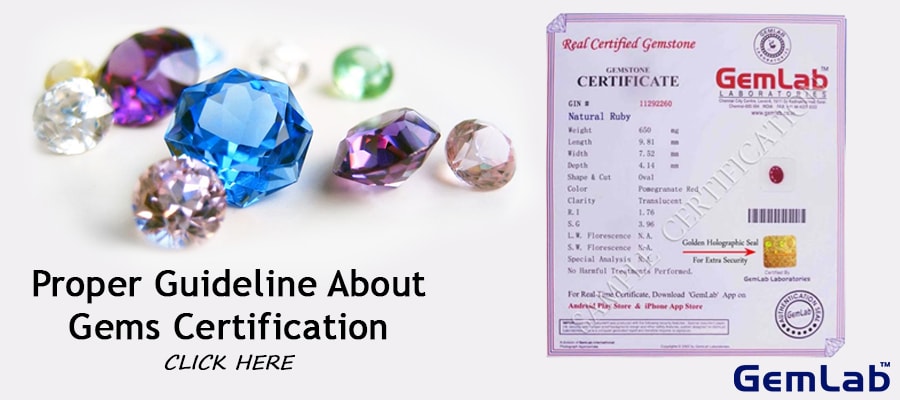
Certification acts as an indispensable passport for custom-made jewelry, offering definitive proof of a gemstone’s natural origin, cut quality, color grading, clarity, and any enhancement treatments applied. Leading laboratories such as GIA, IGI, and AGS adhere to stringent grading protocols that protect consumers and investors from the pitfalls of synthetic or treated stones misrepresented as natural. This third-party verification guarantees that each gemstone in a bespoke piece carries verifiable integrity, essential for appraisal and insurance purposes.
Custom jewelers leveraging certified gemstones can confidently justify elevated price points and cater to clientele seeking investment-grade assets fortified by trusted reports. The demand for such certification aligns with broader market trends emphasizing provenance and ethical sourcing, enforced by tools like Sarine technology to trace the journey from mine to masterpiece. This traceability reassures the end customer of responsible sourcing, potentially amplifying the perceived and intrinsic value of custom creations.
Certification’s influence on consumer trust and market dynamics
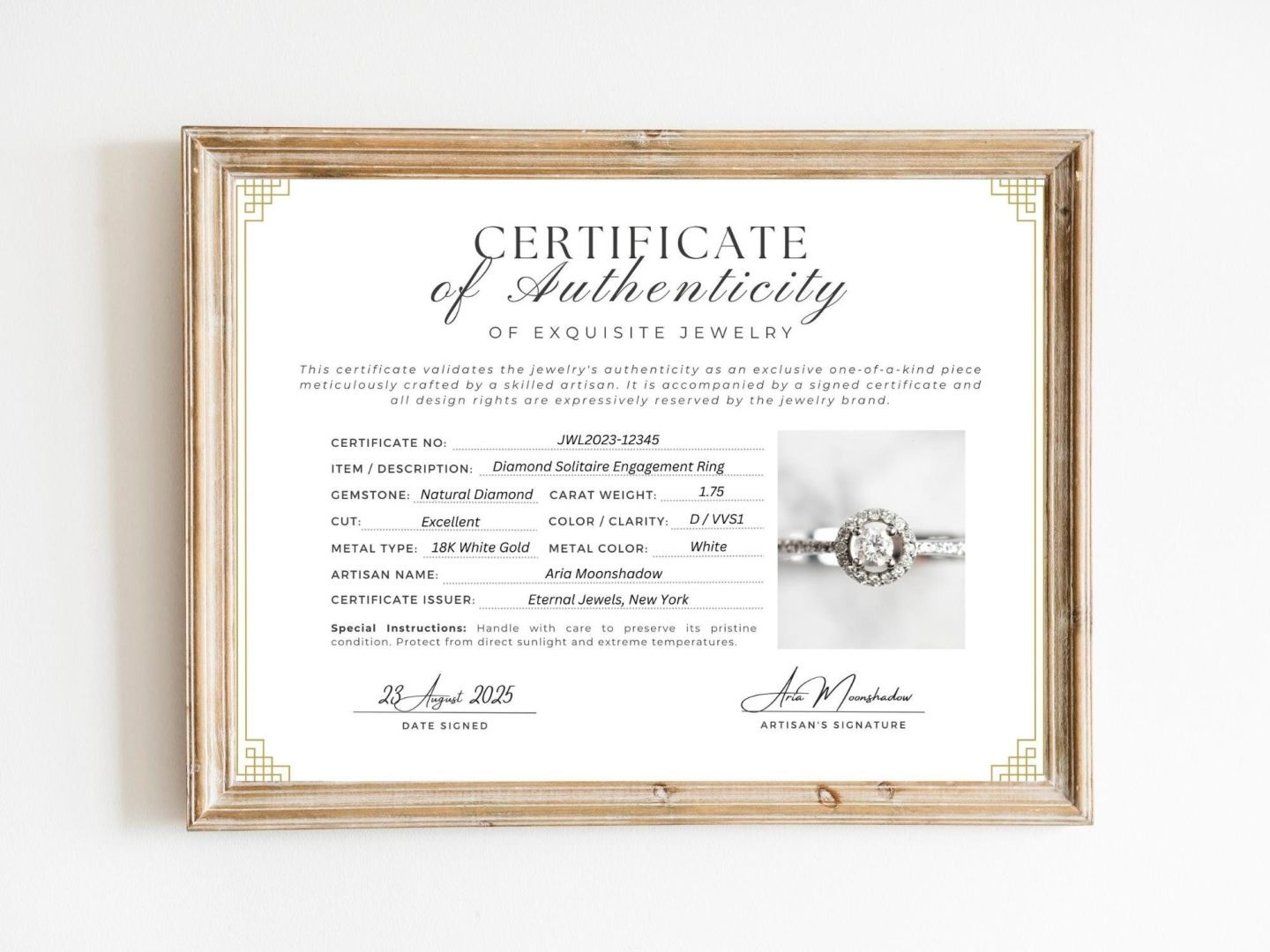
In 2025, gemstone certification is becoming a non-negotiable factor within the luxury jewelry industry. Retail buyers and collectors increasingly insist on transparency and verifiability, making certificates crucial for building trust. Institutions such as Jewelers Mutual and market price reference entities like Rapaport often require certification for claim validation and pricing accuracy. The absence of certification can detrimentally affect intangible value and impede access to secondary markets.
Moreover, buyers educated about certification — including lab-grown gemstone disclosures through Gemological Science International — navigate purchases with greater assurance. Certifications reinforce a sense of emotional security and facilitate ethical consumption, increasingly vital as awareness of labor practices and environmental impact influences buyer behavior. Consequently, certified custom jewelry not only meets aesthetic expectations but also satisfies sophisticated ethical and financial criteria.
Interpreting gemstone certification: Key data that redefine jewelry valuation
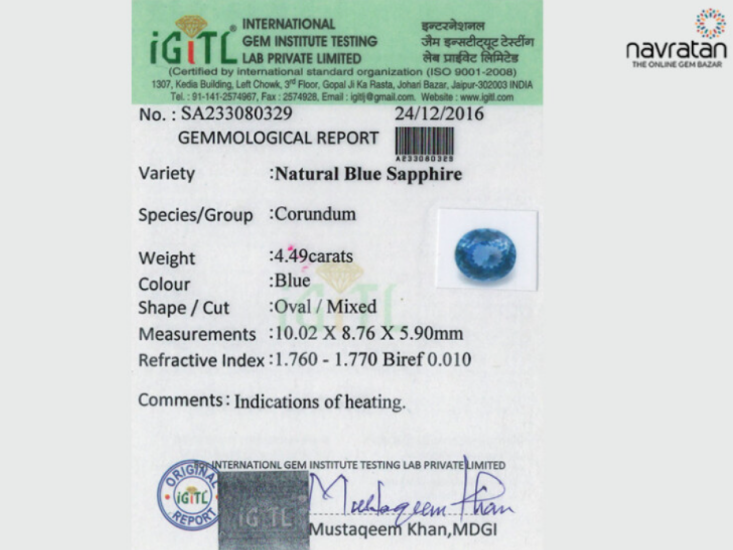
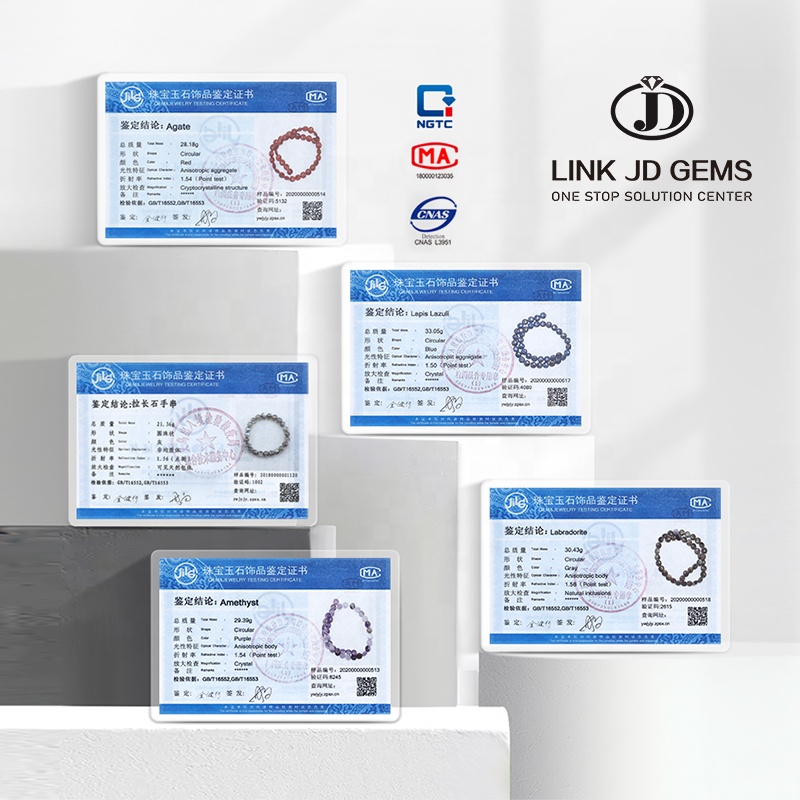
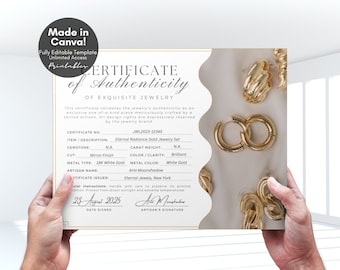
Every certified gemstone comes with a detailed lab report, elucidating critical characteristics indispensable for accurate valuation of custom jewelry. Such reports typically feature:
- Authenticity and origin verification: Confirming if the gemstone is natural or synthetic, with geographic origin clarified, an important factor for rarities like Burmese rubies or Colombian emeralds.
- Treatment disclosures: Highlighting enhancements such as heating or clarity adjustments that can affect value and maintenance requirements.
- Precise grading of color, clarity, cut, and weight: Essential for determining overall worth.
- Photographic evidence and inclusion mapping: Providing visual confirmation of the gem’s internal structure.
Understanding these elements empowers buyers and custom jewelers to approach valuation with a nuanced perspective grounded in scientific analysis, reducing uncertainties inherent in subjective assessment. Accessing trusted resources like the Gemstone Certification Guide further facilitates interpreting these complex reports.
Avoiding pitfalls: Ensuring authenticity through recognized certification agencies
The market is fraught with potential certification pitfalls, from accepting in-house or dubious certificates to losing documentation or overlooking lab credibility variations. Only certificates issued by established entities such as GIA, IGI, HRD Antwerp, EGL USA, and GemCert provide reliable assurance.
Buyers should employ verification tools that cross-check certificate IDs with issuing laboratories through online databases, a method vital to prevent fraud and maintain transparency. Knowing the relative strictness of grading standards among agencies helps avert overvaluation and ensures realistic pricing. For more insight, consulting expert discussions on certification reputations and avoiding gemstone certification scams is recommended.
Strategic advantages of integrating certified gemstones into custom designs
Incorporating certified gemstones into custom jewelry elevates design prestige and market leverage. Clients appreciate not only the uniqueness of bespoke pieces but also the security that certifications offer in terms of authenticity and traceability. Custom jewelers equipped with access to certifications from reputable sources, including Gemological Science International and AGS, stand out in a competitive market.
This transparency enables personalized storytelling — an increasingly sought-after element — where each stone’s journey can be narrated, linking craftsmanship with legacy and ethical values. Moreover, with technologies supported by Sarine tools enabling instant certificate verification via QR codes, trust is enhanced at the point of sale.
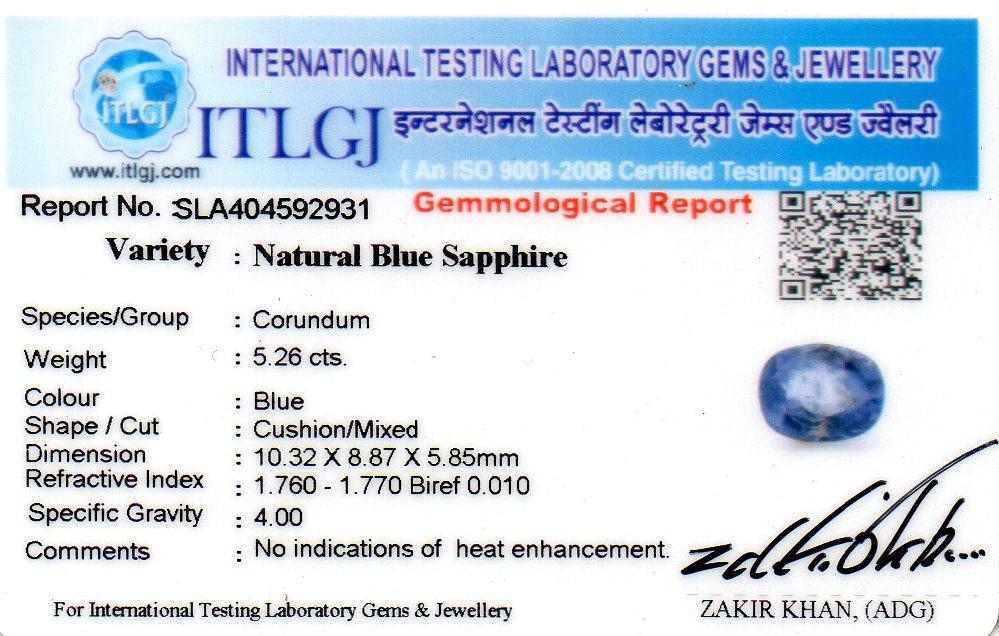
Together, these certification practices solidify custom jewelry not merely as ornamental but as an investment-worthy asset, bridging the gap between artistry and financial acumen in 2025’s discerning market.