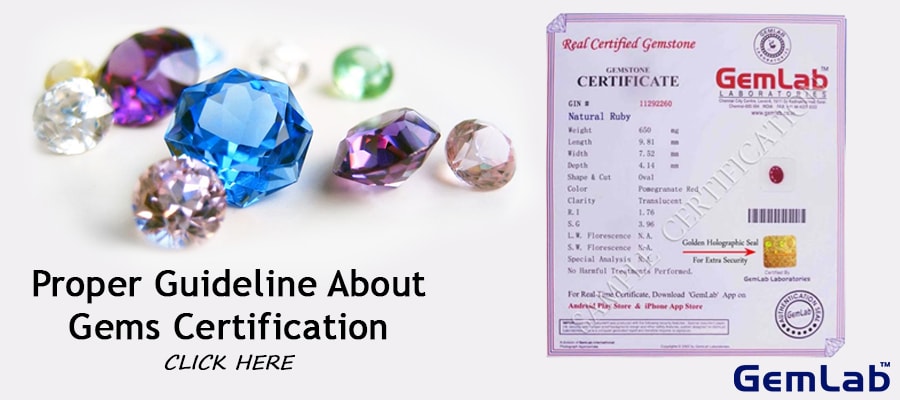
In the vast and often intricate world of gemstones, the allure of acquiring a radiant ruby, a deep blue sapphire, or a shimmering aquamarine online is stronger than ever. However, 2025 brings with it evolving challenges where counterfeit stones, misleading certifications, and deceptive sellers thrive behind screens. The critical weapon against these risks is gemstone certification, which verifies authenticity, quality, and origin. Buyers today must be savvy, understanding that not every dazzling gem is as genuine as it seems, and that robust certification from reputable labs like GIA, IGI, and the venerable Sarine or HRD Antwerp ensures both security and peace of mind in investments.
Gemstone scams have become more sophisticated, targeting not only first-time buyers but also seasoned collectors and investors lured by promises of rare acquisitions or exceptional returns. These threats manifest in fake or synthetic stones sold as natural gems, manipulated certificates, and hidden treatments that drastically affect the actual value. Only through stringent third-party certification can buyers discern truth from artifice. Trustworthy certification entails comprehensive grading on the Four Cs — color, clarity, cut, and carat weight — along with a transparent treatment history. Empowered with this knowledge, individuals are better equipped to avoid the common pitfalls that lead to financial loss and heartbreak.
Identifying Genuine Gemstones Through Reliable Certification
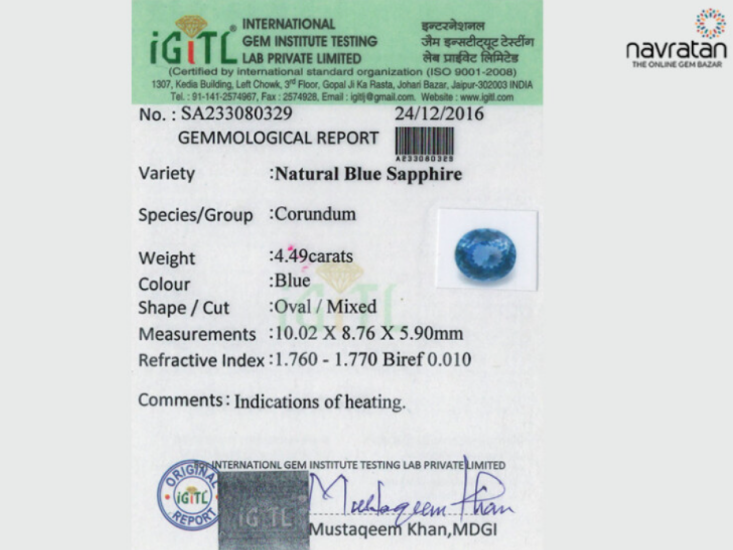
Buying gemstones without proper certification is akin to walking blind through a minefield of potential fraud. Trusted organizations such as GIA, IGI, AGS, and SSEF provide detailed and independent assessments of gemstone authenticity and quality. These certificates are more than just documents; they are the buyer’s safeguard, revealing the stone’s precise characteristics, origin, and disclosures about treatments or enhancements, which are critical in setting accurate market expectations. For example, a certified blue sapphire accompanied by a report from the Gubelin Gem Lab offers an additional layer of authenticity, ensuring the buyer confronts no surprises post-purchase.
Navigating the Risks of Online Gemstone Purchases
The surge of online gemstone marketplaces in recent years has coincided with a spike in fraudulent transactions. Common scams include selling synthetic sapphires, heavily treated emeralds misrepresented as natural, and certificates issued by unverifiable laboratories. The digital realm lacks the tactile and visual inspections buyers depend on, making accurate certification indispensable. Platforms such as Gem-Certify emphasize the necessity to authenticate every gemstone before committing financially, a step that can prevent incidents where a buyer receives a stone considerably different in size or clarity from what was promised.
Moreover, understanding the treatment processes—whether heat treatments for durability or dyeing for color enhancement—helps buyers contextualize certification findings properly. Transparency from sellers, backed by respected certifications, mitigates the risk of investing in a stone whose value is artificially inflated. In this process, organizations like the Jewelers Vigilance Committee and the Jewelers Security Alliance provide ethical oversight and educational resources, encouraging consumer vigilance and responsibility.
Essential Tips to Protect Yourself Using Gemstone Certification
The cornerstone of secure gemstone buying is insisting on certification from recognized laboratories such as GIA, IGI, and others like HRD Antwerp or the Sarine certification lab. Buyers should verify these certificates through official websites to safeguard against forged documents. Additionally, it is critical to be wary of prices that seem too good to be true—a signal often associated with fake stones or dubious sellers.
In high-value transactions, engaging a professional gemologist to appraise and validate the stone beforehand is invaluable. Certified experts provide a thorough analysis that goes beyond the paper, examining physical properties and cross-referencing certification data to ensure complete authenticity. This professional viewpoint, aligned with the certification, forms a robust defense against scams, extracts clarity on gemstone grading standards, and equips the buyer with the confidence necessary for sound investments.
Beware of Red Flags and Scam Tactics in Gemstone Transactions
Sellers employing aggressive pressure tactics or offering unusually large discounts should immediately raise suspicion. Scam artists often target inexperienced tourists, survivalists, bargain hunters, and get-rich-quick dreamers with promises that defy market realities. A genuine marketplace does not reward impulsive decisions or secretive sales. Further, understanding the nuances of certification, such as those described at Gem-Certify’s guide to red flags, enables buyers to recognize inconsistencies in documentation or seller claims before falling victim to fraud.
Engaging with certified stones, verified by reputable organizations including the Gemfields and Gubelin Gem Lab, fortifies a buyer’s position. These entities uphold strict standards for ethical sourcing and transparency about gemstone origins, which echoes the growing consumer demand for accountability in 2025’s gemstone market.