In the intricate and often opaque world of jewelry, gemstone certification stands as a beacon of transparency and trust. As buyers in 2025 grow increasingly savvy and discerning, the demand for clear and reliable information about the pieces they purchase has never been more pronounced. Certification plays a pivotal role, offering concrete proof of a gemstone’s authenticity, quality, and origin, which directly influences both consumer confidence and pricing strategies.
Without certification, jewelry buyers risk acquiring items that may be misrepresented, undervalued, or even counterfeit, which can lead to significant financial and emotional disappointment. In contrast, certificates issued by respected entities like GIA, IGI, AGS, and HRD Antwerp provide an objective assessment that bridges the gap between emotional attachment and expert validation. This practice ultimately protects both buyers and sellers, ensuring market integrity and long-term value retention.
How Gemstone Certification Enhances Jewelry Purchase Confidence and Value
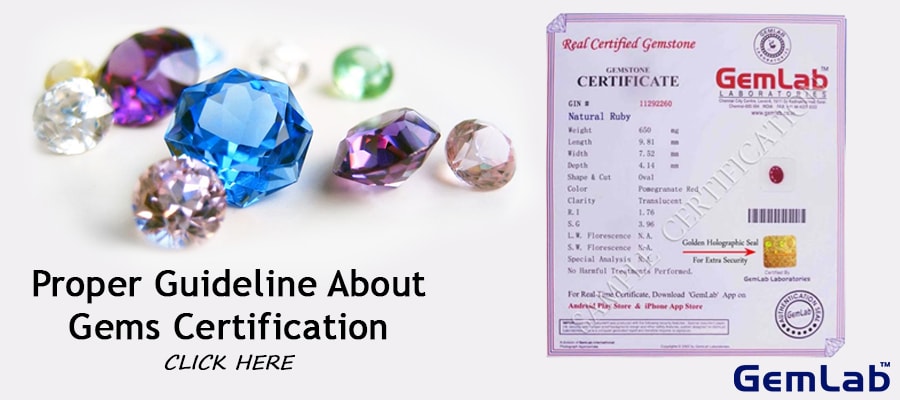
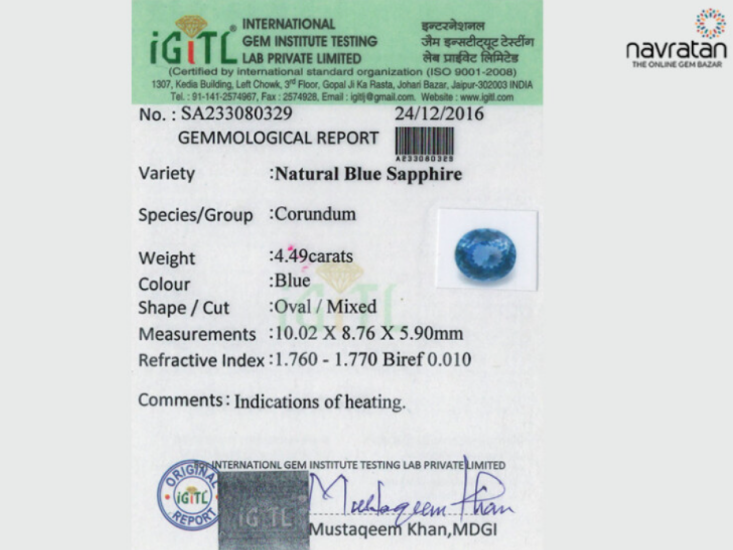
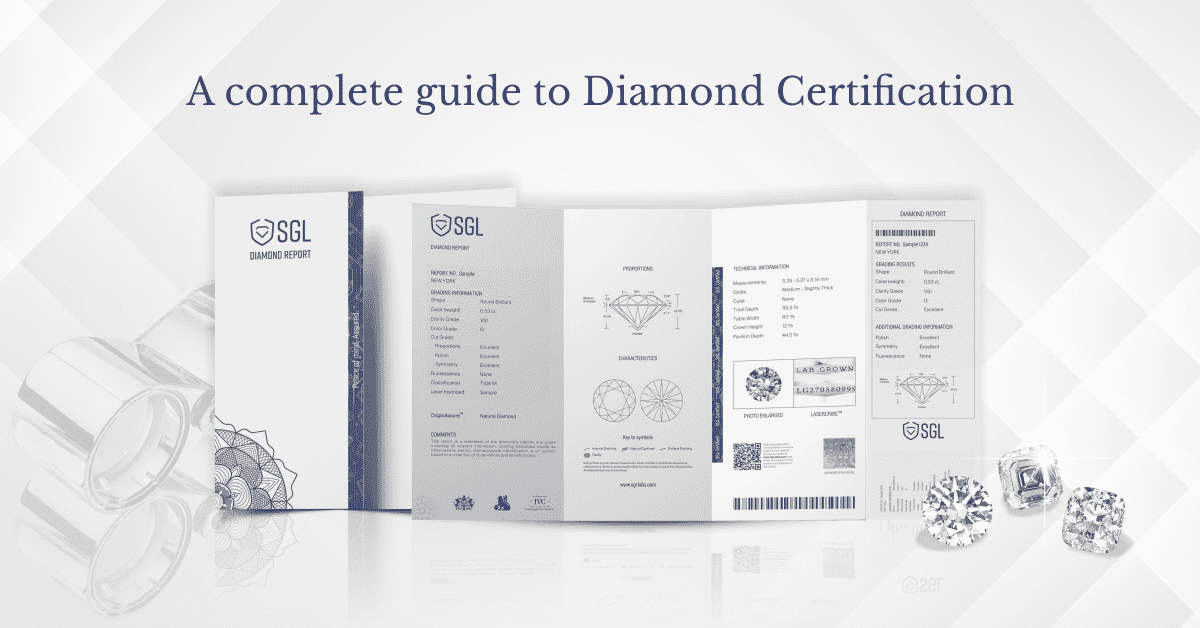
Certification is not merely a formality; it is an assurance of quality that underpins the entire buying experience. When consumers request a certificate from reputable institutions such as the Gemological Institute of America (GIA) or the International Gemological Institute (IGI), they receive detailed information about the gemstone’s color, clarity, cut, and carat weight. Such transparent disclosures enable informed decisions that balance aesthetics with investment merit.
Moreover, certification validates that the gemstone is natural and not a synthetic or imitation, a distinction that profoundly affects value. This is particularly critical when dealing with high-stakes transactions, where gemstones certified by organizations like AGS, EGL, or SGL command a premium due to their verified legitimacy. As jewelry pieces gain provenance and documentation, their desirability and resale value rise accordingly, a point well recognized by collectors and investors alike.
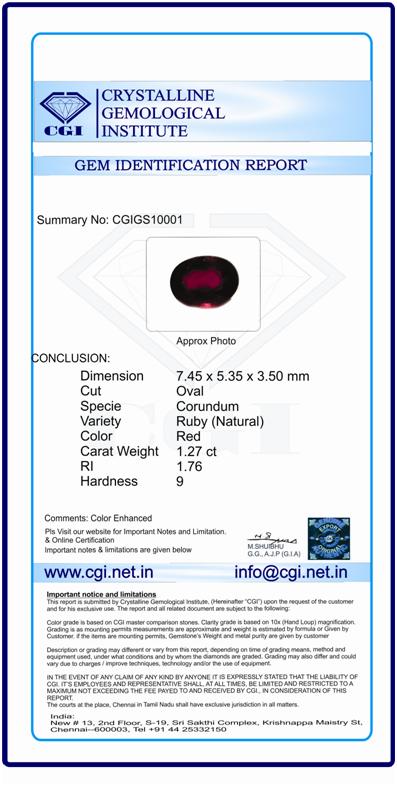
The Role of Certification Agencies and Industry Standards in Establishing Trust
The variety of gem certification bodies can be confusing, as each employs unique grading criteria and report formats. Institutions such as the Gubelin Gem Lab and SSEF, renowned for precise origin verification, complement the evaluations by GIA and the HRD Antwerp, who focus on grading consistency and accuracy. Buyers must understand these distinctions to properly assess the quality and authenticity of their jewelry purchases.
Reliable certification is also integral to maintaining industry standards and combating fraud. Jewelry sellers who offer third-party certification demonstrate commitment to transparency and customer satisfaction, enhancing their credibility. Consumers, on the other hand, can utilize resources like gem-certify.com to verify the legitimacy of certificates and deepen their understanding of gemstone grading systems.
Certification’s Influence on Jewelry Pricing and Market Perception
Pricing fine jewelry is complex, considering factors such as gemstone quality, craftsmanship, brand provenance, and market demand. However, without certification from authoritative bodies like the Accredited Gemological Laboratories, pricing becomes speculative and vulnerable to disparities. Certified gemstones invariably achieve higher valuations because the accompanying documentation substantiates their attributes.
Market perception heavily favors certified pieces, as buyers associate certification with authenticity, ethical sourcing, and long-term investment security. Jewelers Mutual and other insurance providers base their appraisals and coverage premiums on certification reports, which reduce ambiguities related to replacement costs. Consequently, a certified gemstone’s resale market remains vibrant and trustworthy compared to uncertified counterparts.
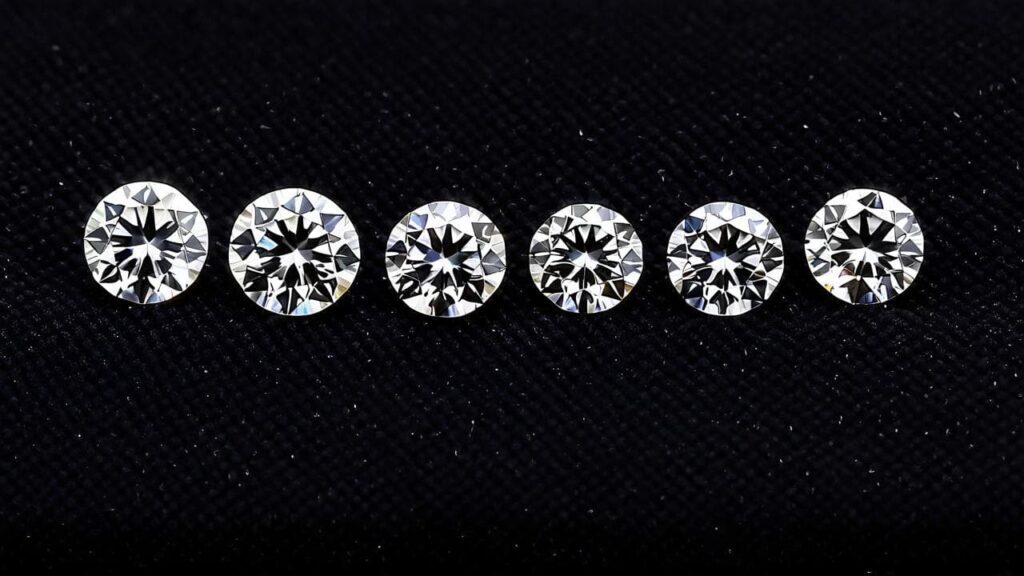
Technological Innovations in Gemstone Verification and Their Impact on Certification
Advances in technology have revolutionized how gemstones are certified and authenticated. Blockchain technology is increasingly employed to generate immutable ownership and authenticity records, providing a digital trail accessible to buyers and sellers alike. Artificial intelligence assists gemologists in grading by applying precise algorithms to assess gemstone characteristics rapidly and accurately.
These innovations reduce the risks associated with fraudulent certificates, which remain a pressing concern in the industry. Identifying fake documents requires vigilance regarding inconsistencies, lack of transparency, or unverified logos that counterfeiters often misuse. Buyers eager to protect their investments can consult comprehensive verification resources, such as gem-certify.com, to authenticate certificates and avoid scams.
Why Consumers and Collectors Should Prioritize Certified Gemstones in 2025
In today’s jewelry market, certified gemstones are not a luxury but a necessity. They provide peace of mind to buyers, ensuring that the sentimental and financial value encapsulated in a piece is accurately represented. Transparency through certification also aligns with growing consumer demands for ethically sourced and environmentally responsible jewelry, as some certification bodies have begun incorporating sustainability metrics into their assessments.
Collectors and investors increasingly turn to certification agencies like the Gemstone Institute and Gubelin Gem Lab to authenticate their acquisitions, preserving legacy and facilitating future sales. By choosing certified gemstones, buyers in 2025 position themselves to benefit from enhanced security, assured quality, and greater liquidity in an otherwise complex market.