
In the dazzling world of gemstones, the allure of sparkling sapphires, fiery rubies, and radiant diamonds often leads buyers to ponder one crucial question: are all gemstones certified? This query is not merely academic but strikes at the heart of what defines trust and authenticity in the jewelry market. Certification, offered by respected institutions like the Gemological Institute of America (GIA), the International Gemological Institute (IGI), and the American Gem Society (AGS), serves as an official passport validating the origin, quality, and treatment of each gemstone. Yet, misconceptions abound. Many believe that every precious stone naturally comes with a certification, yet actual industry practices reveal complexities. The certification landscape is varied, with not all gemstones bearing the endorsement of recognized labs, and even among certifications, reliability can diverge sharply. Understanding these nuances is vital for consumers aiming to invest wisely and avoid the pitfalls of counterfeit or misrepresented stones. Alongside global leaders like HRD Antwerp and pioneering technology innovators such as Sarine, laboratories are constantly evolving in their methodologies to safeguard the authenticity and value of precious gems. Through this guide, we unpack myths surrounding gemstone certification, explore the roles of various organizations including Gemfields, Leibish & Co., and The Natural Sapphire Company, and illustrate how the certification process empowers both buyers and sellers in today’s gemstone market.
En bref :
- Not all gemstones come with a certification; high-value stones are most likely to be certified to verify authenticity and quality.
- Certification varies significantly between labs like the authoritative GIA and others with less rigorous standards.
- Certified gemstones provide transparency regarding origin, color, clarity, and treatments, essential for trustworthy transactions.
- Certification helps protect consumers from counterfeit ownership claims and inflated values.
- Technological advances from labs and companies such as Sarine enhance the accuracy and trustworthiness of gemstone grading.
Understanding the Essentials of Gemstone Certification: What It Really Means
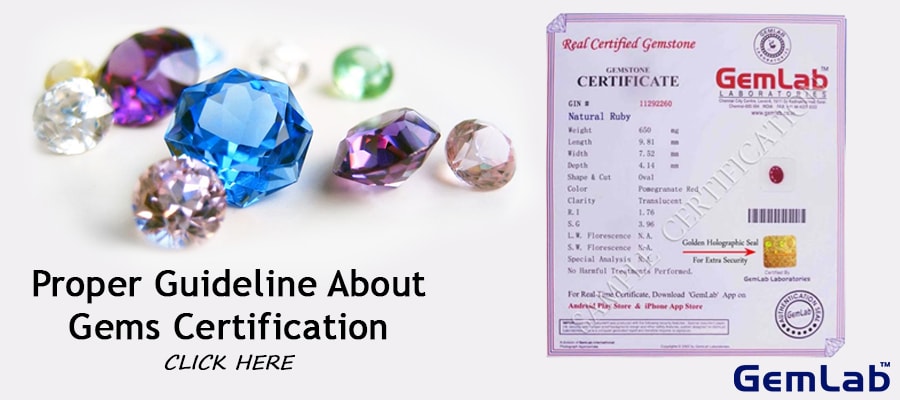
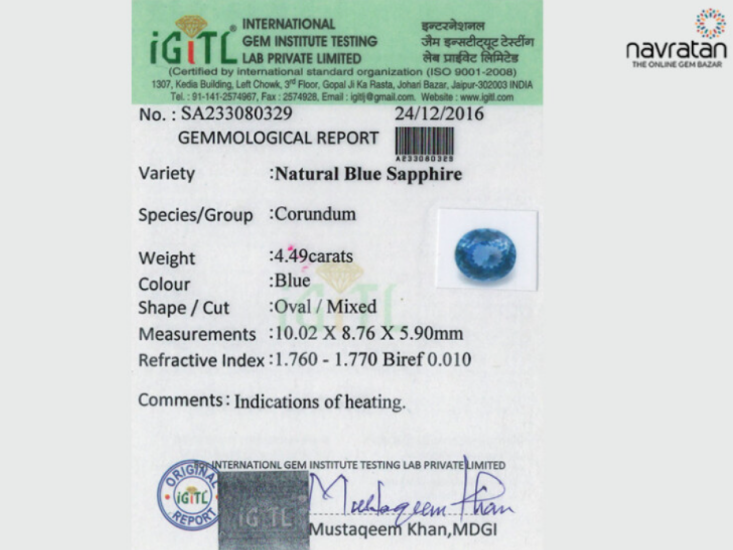
The fascination with gemstones is as timeless as human history itself. Yet, the assurance that a gem is genuinely pure and valuable hinges significantly on certification. A gemstone certificate, issued by professional and independent gemological laboratories, constitutes an official document confirming a stone’s identity, quality, and sometimes provenance. Leading institutions such as the Gemological Institute of America and International Gemological Institute have set global standards that many buyers and sellers depend upon. These certificates contain essential facts—the gemstone’s type, dimensions, color grading using established scales, clarity rating, and disclosures of any treatments or enhancements.
Despite these benefits, not all gemstones carry such documentation. This is largely because certification entails additional costs and effort that may not be justified for every stone, particularly less costly or mass-market ones. Moreover, some certificates are issued by labs with differing rigor or commercial stakes, affecting their credibility. Awareness and due diligence, therefore, become paramount for consumers who want genuine assurance rather than mere appearance.

The Role of Trusted Gemological Labs in Ensuring Transparency
Among the foremost laboratories, the GIA is renowned worldwide for its non-profit status and exacting standards in grading based on the 4Cs—color, clarity, cut, and carat weight. Similarly, the AGS has pioneered scientific methods that emphasize cut quality and certification accuracy. Their reports provide objective insights, which collectors and investors highly value. The IGI laboratory has an authoritative presence globally, often providing essential certifications for retail diamonds and colored stones alike.
Meanwhile, specialized entities like SGL and HRD Antwerp bring regional expertise and additional layers of verification. The rise of companies like Sarine, deploying cutting-edge scanning and imaging technologies, further enhances the ability to detect treatments and confirm inclusions invisible to the naked eye. Collectively, these organizations and tech innovators ensure gemstone certification in 2025 remains one of the most effective mechanisms to prevent fraud and safeguard value.
Disentangling the Myths: Are All Gemstones Certified?
Contrary to popular belief, not all gemstones come with certificates. While consumers often assume every precious stone is validated, various factors influence whether a certification accompanies a stone. For example, some gemstones purchased in informal markets or in lower price brackets are less likely to be certified. This absence does not inherently mean the gems are fake, but it calls for heightened scrutiny.
Importantly, the myth that certification is universal can lead to complacency, thereby increasing risk for buyers unaware of the critical importance of independent verification. On the other hand, some certificates on the market, especially those issued by lesser-known agencies, may exaggerate quality or fail to reveal treatments, necessitating careful evaluation of which lab performed the grading.
Such nuances raise a pivotal question: how to identify reliable gemstone labs? Resources like trusted certification listings highlight reputable entities whose standards align with or surpass international benchmarks. Awareness empowers buyers to insist on certificates from labs like GIA or AGS rather than accept uncertified stones or questionable documentation.
Why Certification Can Affect Investment and Resale Value
Certification critically impacts a gemstone’s market perception and economic worth. Gems certified by institutions with established reputations generally command higher prices and offer liquidity advantages. Buyers are less hesitant to invest in stones authenticated by the Gemological Institute of America or verified by experts affiliated with the American Gem Society. This confidence spills over to resale, insurance, and appraisal processes where certification can simplify and legitimize transactions.
A gemstone without a certificate—or bearing one from an unrecognized lab—may struggle to prove its value or face skepticism, leading to diminished resale or insurance prospects. Understanding this dynamic helps collectors and casual buyers alike appreciate the tangible benefits beyond mere aesthetics that certification affords.
How Certification Standards Differ and What to Watch For
It is paramount to recognize that not all certification standards are equal. Organizations vary in their grading rigor, testing protocols, and transparency. For instance, some labs apply more conservative clarity grades or disclose treatments more diligently, which can influence perceived value significantly. The Gemfields initiative, for example, emphasizes ethical sourcing and traceability, adding further layers of assurance beyond traditional grading.
Additionally, retailers such as Leibish & Co. and The Natural Sapphire Company often combine certification with guarantees about origin and treatment to provide comprehensive buyer protection. However, consumers must remain vigilant about certificates issued by commercial jewelers directly, as these may not reflect the same independence as third-party laboratory reports.
Understanding these intricacies facilitates informed decision-making and reduces the risk of overpaying or purchasing misrepresented gemstones. When in doubt, consulting reliable sources and insisting on certification from widely recognized gemological institutions enriches the buying experience and preserves long-term value.