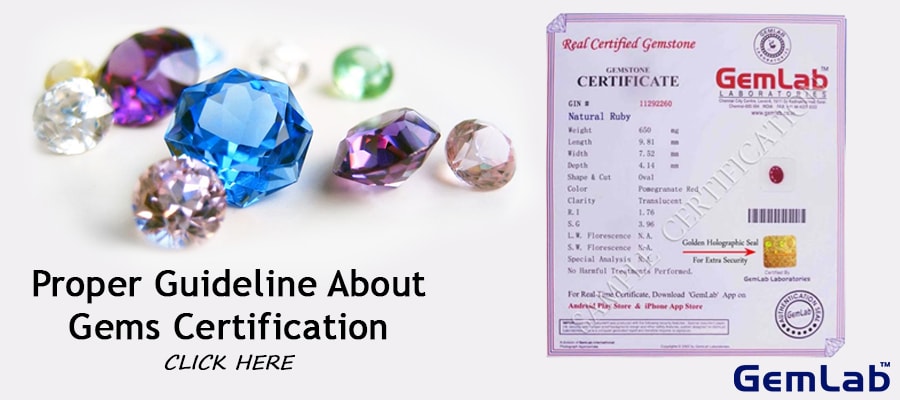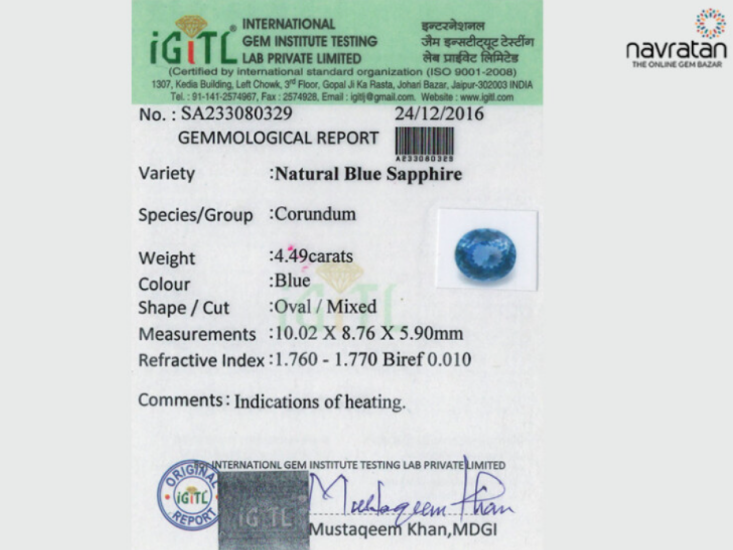
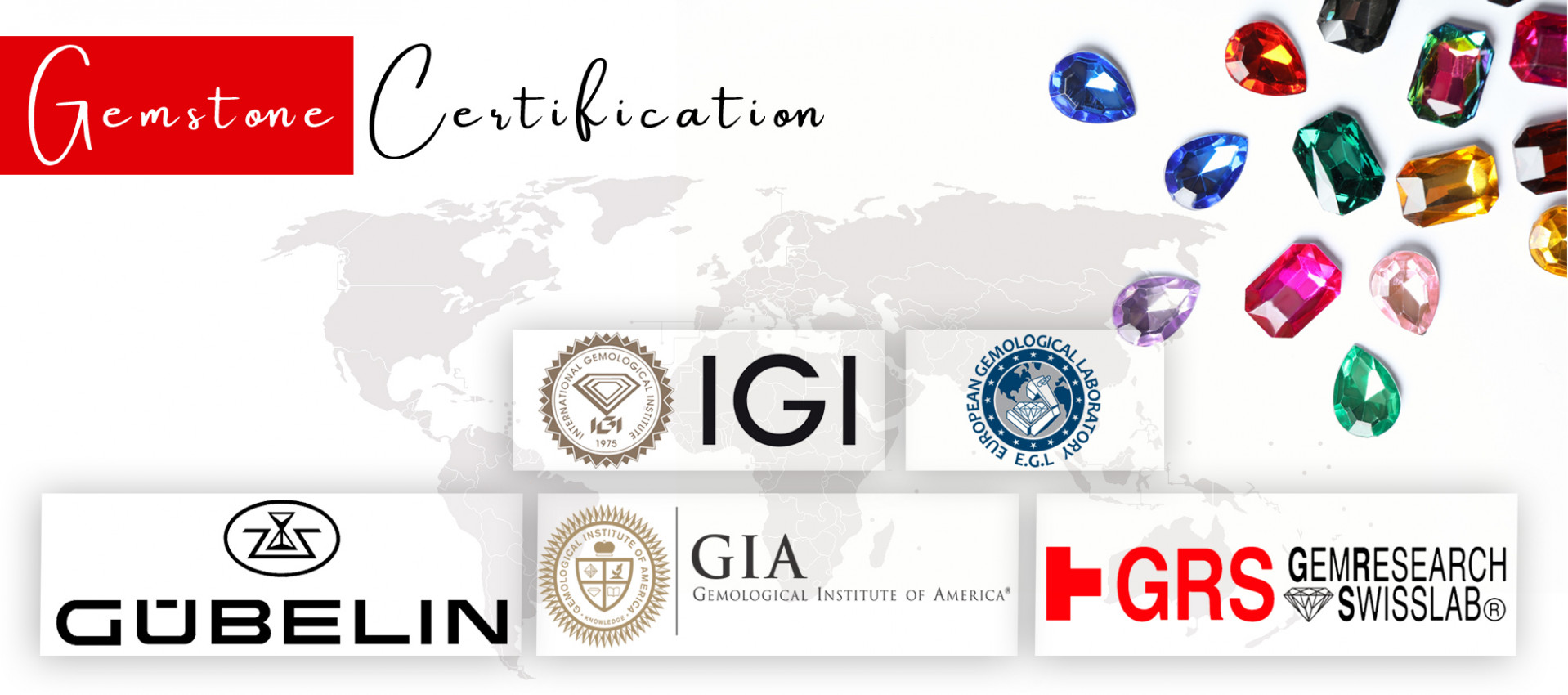
When choosing a gemstone as a gift, ensuring its authenticity and quality should be paramount. In 2025, the marketplace for loose gemstones is more complex than ever, influenced by emerging technologies and the increasing sophistication of synthetic alternatives. For buyers seeking peace of mind, gemstone certification becomes an indispensable element. Documents issued by reputable institutions like GIA, IGI, and Gemological Science International provide a thorough analysis of a gemstone’s characteristics, confirming its identity, origin, color, clarity, and treatments. This not only secures the buyer’s financial investment but also preserves the emotional value attached to such precious gifts. Whether sourcing from renowned jewelers such as Tiffany & Co., Jared, or Blue Nile, or exploring options at Helzberg Diamonds or Kay Jewelers, buyers are encouraged to prioritize certificates that reassess gem attributes with transparency and accuracy. Certification serves as a shield against common pitfalls, such as undisclosed treatments or misrepresented origins, notoriously prevalent in the gemstone industry. Understanding these certificates empowers buyers to make informed choices, ensuring their heartfelt gift becomes a lasting treasure rather than a cause for regret.
In brief, for the discerning gemstone gift buyer in 2025:
- Certification guarantees gemstone authenticity and quality, reassuring recipients and buyers alike.
- Trusted labs like GIA and IGI provide standardized reports that detail key gem features, preventing costly mistakes.
- Purchasing from reputable sellers such as James Allen and Brilliant Earth enhances the likelihood of receiving certified, ethically sourced stones.
- Certification details disclose treatments and origin, protecting buyers from deception.
- Retaining certificates helps with future appraisals, insurance, and resale value.
Understanding the Importance of Gemstone Certification for Gifts
When buying a gemstone as a gift, the emotional and financial stakes are high. Without proper certification, even experienced buyers can be misled by visually similar stones of vastly different value and authenticity. This is particularly critical in 2025, as increasingly convincing synthetic gems and treated stones penetrate the market. Certification from established gemological laboratories serves as a rigorous verification of authenticity and quality. For example, the Gemological Institute of America (GIA) is internationally renowned for its comprehensive grading system, covering the “Four Cs” — color, clarity, cut, and carat weight — alongside origin and treatment disclosures. Similarly, the International Gemological Institute (IGI) provides detailed reports offering transparency for consumers seeking assurance. Sellers like Blue Nile and Tiffany & Co. routinely furnish such documentation, which enhances buyer confidence and safeguards the sentimental intention behind the gift. Without these certifications, buyers risk paying premium prices for stones that may have undisclosed treatments such as heating or dyeing, which can compromise both the value and integrity of the gemstone. Therefore, understanding how to interpret and trust a gemstone certificate is essential to ensuring gifting is a satisfying and secure experience.
Key Components Included in Gemstone Certification
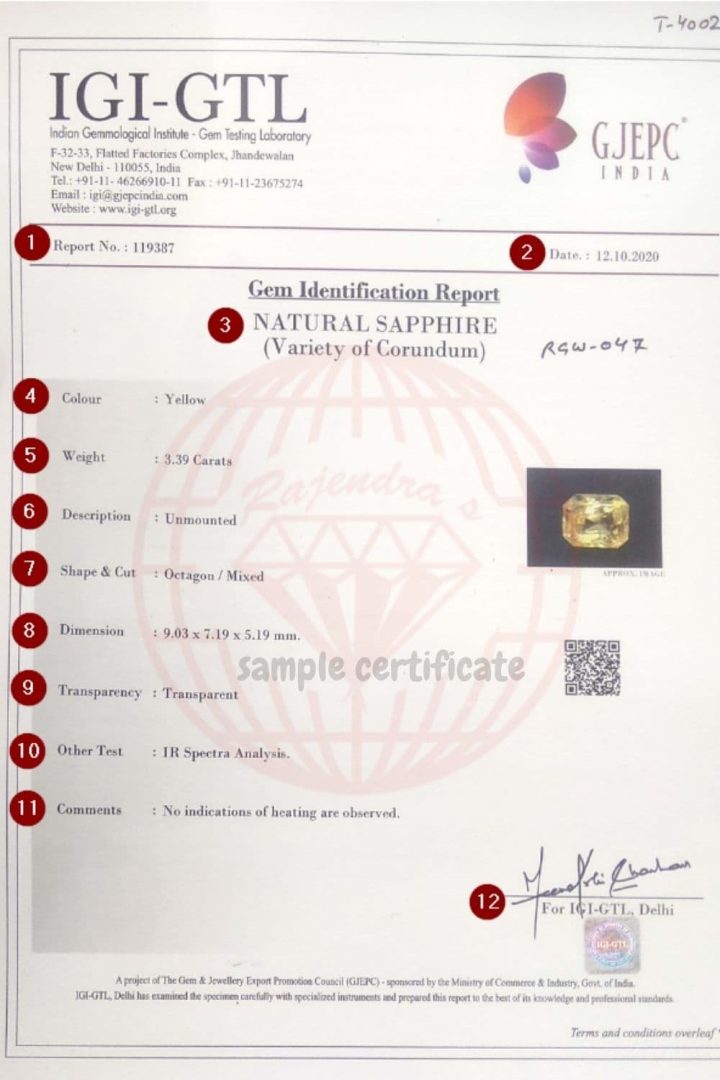
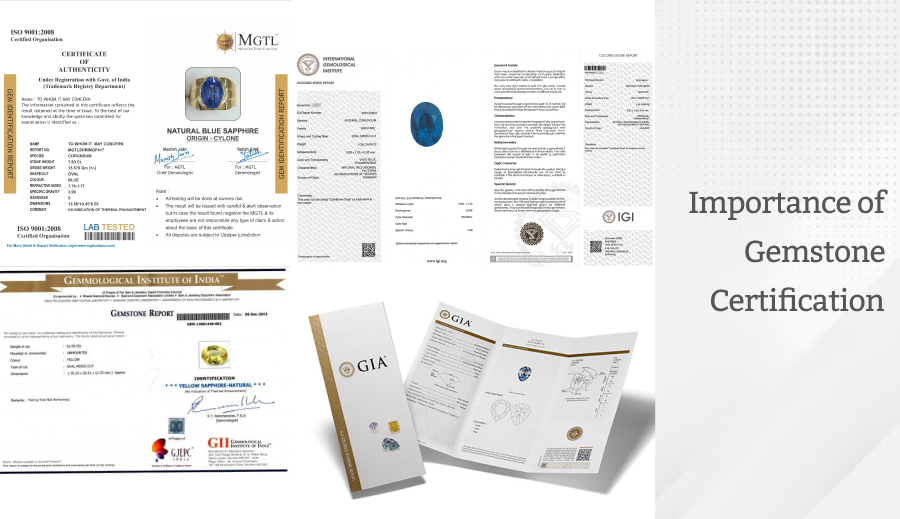
A gemstone certificate functions as a detailed map of a gem’s characteristics. Among the critical information provided, buyers will find the precise type of gemstone, crucial for differentiation — for instance, distinguishing a rare alexandrite from a more common emerald. Origin information, often deduced from inclusion analysis, pinpoints the geographical source, which greatly affects value. Color grading for colored gemstones examines hue, saturation, and tone, identifying stones with vibrant, uniform shades versus those with dull or uneven colors. Clarity grading ranges from flawless to included, evaluating visibility of internal features. Further, certificates disclose any enhancements like heat treatments or fracture fillings, which can reduce value and influence care requirements. Precise measurements, including carat weight and dimensions, authenticate the stone’s identity. Finally, the cut style provides insights into craftsmanship and brilliance potential. Such detailed certification—offered by labs associated with sellers such as James Allen or Helzberg Diamonds—helps buyers feel confident they are acquiring what the seller claims.
How Certification Protects Buyers and Enhances Value
Certification not only protects buyers from fraud but also enhances the gemstone’s market value. In 2025’s gemstone economy, a GIA or AGS certificate can increase a stone’s price premium by up to 30%, reflecting buyer confidence backed by verified documentation. This premium is evident across platforms like Brilliant Earth, where a certified ruby or sapphire commands significantly more trust and buyer willingness to invest. Besides confirming authenticity, certification details provenance and treatment history, vital for insured appraisal and resale. Without certification, buyers face risks exemplified by frequent cases of undisclosed synthetic gems or treated emeralds being misrepresented, as discussed in industry analyses at gemstone certification scams. Trustworthy sellers understand that transparent certification is pivotal to maintaining long-term reputation and customer loyalty, making it a non-negotiable aspect of responsible jewelry commerce.
Essential Certification Tips When Buying from Popular Retailers
While retailers like Kay Jewelers and Jared provide convenient access to gemstones, buyers must actively request certification to avoid ambiguity. Reliable certification should come from independent third-party labs such as the Gemological Science International or the GIA, and should comprehensively cover treatment disclosures and origin verification. Buyers should compare certificates carefully, ensuring weight, measurements, and other attributes correspond exactly with the stone purchased. Awareness of certification limits is important; not all labs assess the same qualities to the same depth, so understanding these nuances helps consumers avoid overpaying or being misled. Visiting trusted online platforms like James Allen or Brilliant Earth can provide access to detailed certification and even interactive technology to inspect the stone digitally before purchase, thus blending tradition with modern assurance in gemstone buying.