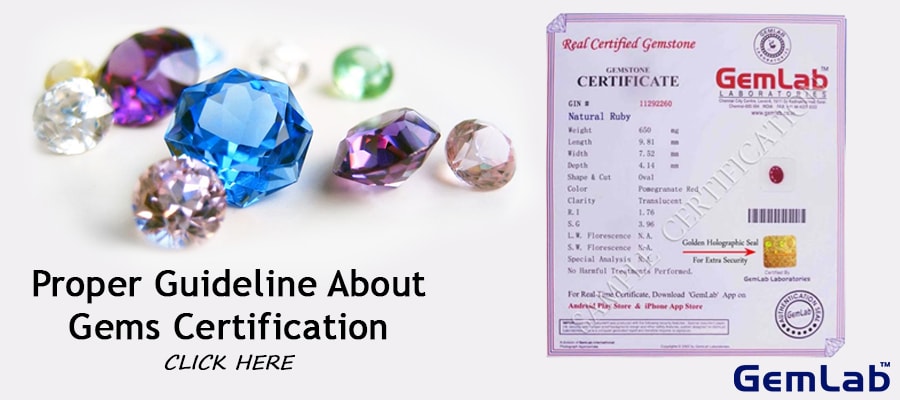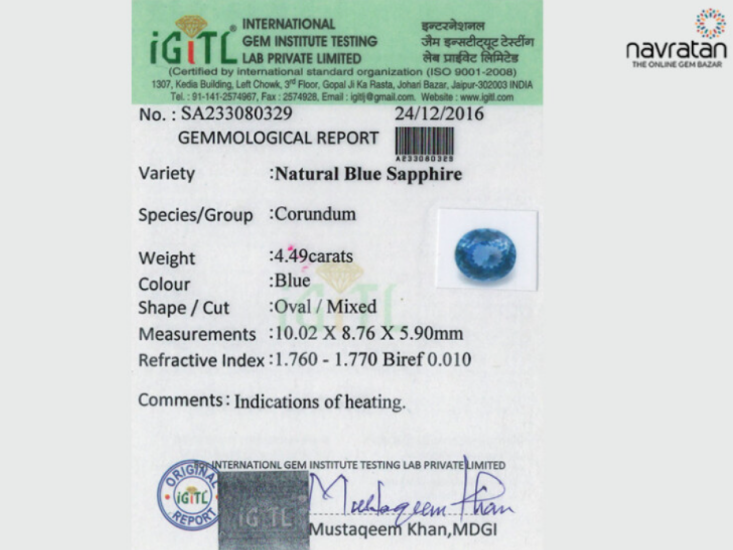
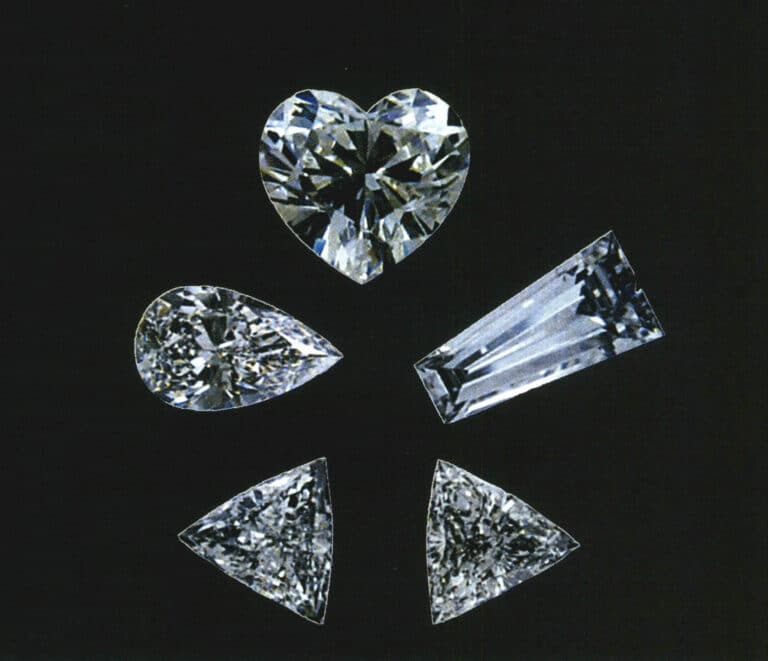
In the refined world of jewelry design, selecting the perfect gemstone is both an art and a science. As the market burgeons with an array of dazzling gemstones, the critical factor often overlooked is gemstone certification. This vital element bridges trust and transparency between buyers and sellers by validating authenticity, quality, and value. The process of certification offers jewelers invaluable assurance, underpinning their creative choices with verified data on the gemstone’s origin, color grade, clarity, and cut. Major houses like Tiffany & Co. and Cartier increasingly rely on certified stones to uphold their reputations for excellence. With such certificates, designers ensure that every gem not only enhances aesthetic appeal but embodies integrity, whether crafting an heirloom or a modern masterpiece.
Certification transcends a mere label; it is a comprehensive evaluation by independent laboratories such as the Gemological Institute of America (GIA) and the American Gem Society (AGS). These reports provide detailed insights into gemstone characteristics, empowering designers to make informed decisions that balance beauty with durability and ethical sourcing. Recognizing treatments or enhancements indicated on certificates assists designers in maintaining transparency with discerning clients, further reinforcing trust. In 2025, as consumers grow increasingly knowledgeable and proactive about gemstone provenance and authenticity, certification stands as a cornerstone of responsible and sophisticated jewelry design.
The Importance of Certified Gemstones in Jewelry Design
For jewelry designers, selecting gemstones goes beyond mere aesthetics; it implicates value, durability, and ethical considerations. Certified gemstones provide a documented guarantee that supports these multifaceted demands. The certification process meticulously details the gem’s type, color grading—including hue, saturation, and tone—as well as clarity ratings such as FL (flawless) or VS (very slightly included). Experts from leading labs employ advanced methods to detect treatments like heating or irradiation that influence the gem’s natural state. For revered brands like Van Cleef & Arpels and Harry Winston, certifications validate every gem’s authenticity, ensuring customer confidence and enhancing the piece’s legacy.
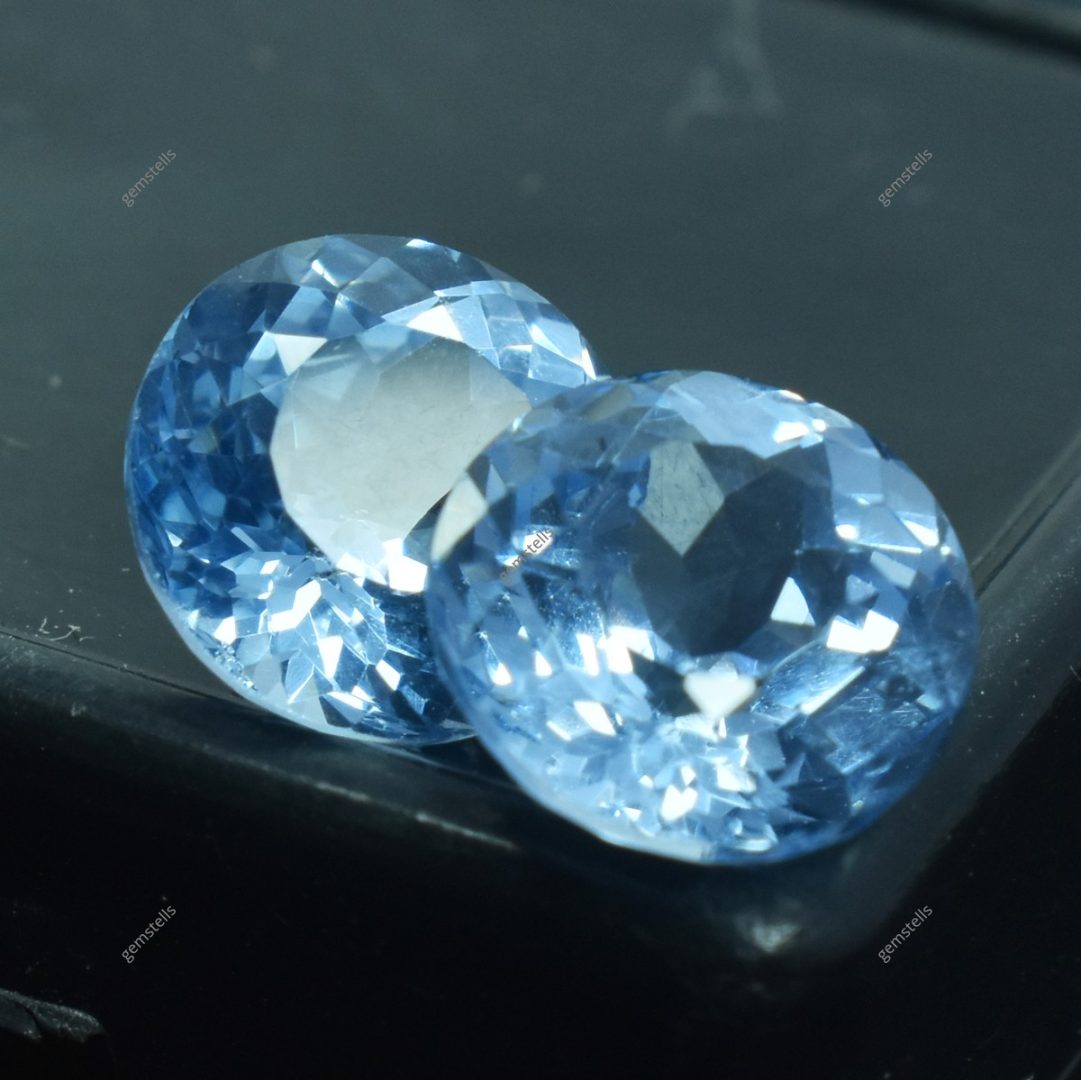
Ensuring Quality and Authenticity through Laboratory Certification
The gemological certification process is an exacting journey involving microscopic analysis, refractometer readings, and spectral assessments. These scientific evaluations culminate in comprehensive certificates that not only authenticate but also highlight a gemstone’s provenance—the geographic origin, which can significantly impact value. An origin certification provided by institutions like the International Colored Gemstone Association helps designers authenticate stones sourced from regions famed for quality, augmenting the value of creations by brands similar to Bulgari and Chopard. Transparency about gemstone origin resonates with today’s clients who prioritize ethical and sustainable sourcing, a commitment further endorsed through thorough certification processes.
Selecting Gemstones: Balancing Beauty, Durability, and Certification
Each gemstone’s attributes, such as its cut and shape, play crucial roles in the final jewelry design. Certifications provide detailed information about these elements, informing designers how well the brilliance of the stone is maximized through cutting techniques. This level of detail is indispensable when creating pieces that must withstand daily wear while retaining exceptional appeal. Brands like Graff and De Beers often emphasize the cut’s precision in their certifications to assure clients of the stone’s superior craftsmanship and longevity.
The Strategic Role of Certification in Client Trust and Market Value
For renowned jewelers such as David Yurman and Piaget, certification is integral to establishing credibility in competitive markets. Certified gemstones support accurate appraisals and insurance—critical for protecting valuable collections and facilitating resale with assured value. Moreover, certification acts as a safeguard against counterfeit or misrepresented gems, strengthening customer relationships through transparency. Jewelers advocating for certified gems strengthen their market reputation and align with increasing consumer demand for provenance and authenticity, as detailed in resources like guides for buyers and sellers.
Evaluating Certification Costs and Choosing Trusted Providers
Costs for gemstone certification vary, typically ranging from $50 to several hundred dollars depending on the gemstone’s complexity and value. Designers must balance these expenses against the benefits of certification, which include enhanced marketability and client confidence. Selecting certificates from reputable, independent laboratories such as the GIA, IGI, or AGS ensures impartiality and industry recognition—a must for collections destined for esteemed retailers or discerning clientele. Jewelry houses that neglect certification risk diminished transparency and credibility, which can tarnish their brand equity in an increasingly educated marketplace.