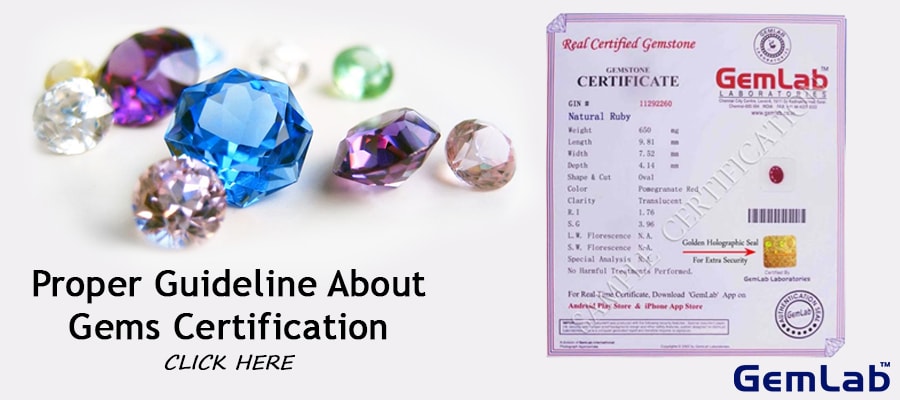
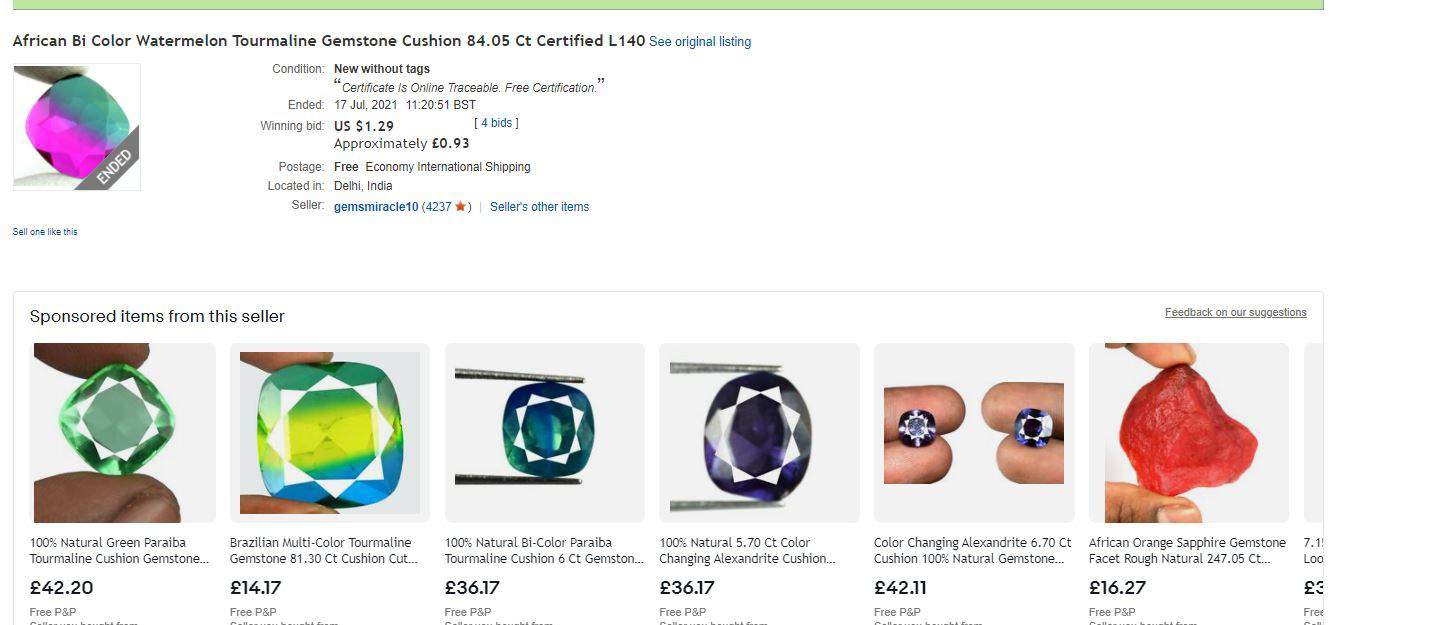
In today’s gemstone market, authenticity is paramount yet increasingly challenged by sophisticated counterfeits. Genuine gemstones, cherished for their rarity, beauty, and cultural significance, often command high prices that entice fraudulent practices. Understanding red flags in gemstone certification is essential for safeguarding your investments and ensuring you acquire true gems. This article explores why counterfeit stones proliferate, the common types of fakes found in the market, and how to scrutinize certificates from leading labs such as GIA, IGI, and AGS to avoid deception.
Gemstone certifications from reputable institutions provide a critical layer of protection, verifying a stone’s quality and provenance. However, fraudulent certificates and inconsistencies pose risks even for vigilant buyers. Whether you’re a seasoned collector or new to gemstone purchasing, recognizing warning signs like unrealistic pricing, absence of credible certificates, or unusual disclosure in reports can prevent costly mistakes. Learning to decipher both the stone’s physical attributes and its official documentation is key to identifying genuine gemstones amidst counterfeits.
Common Red Flags in Gemstone Certification: What Every Buyer Should Spot
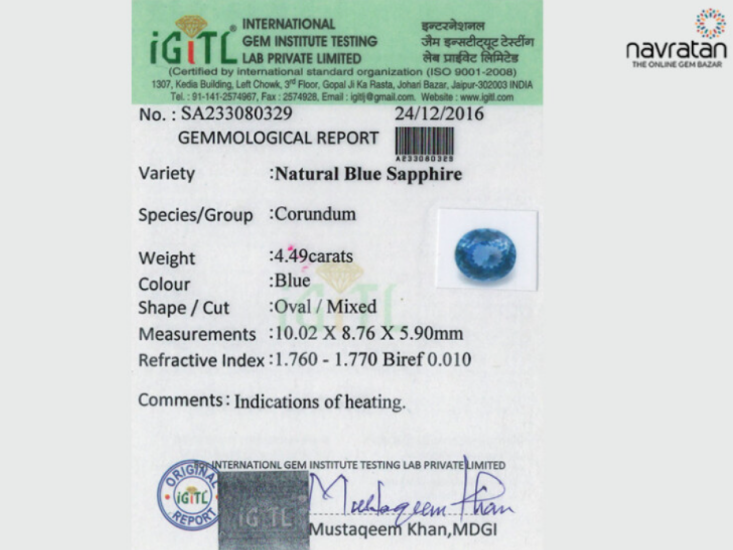
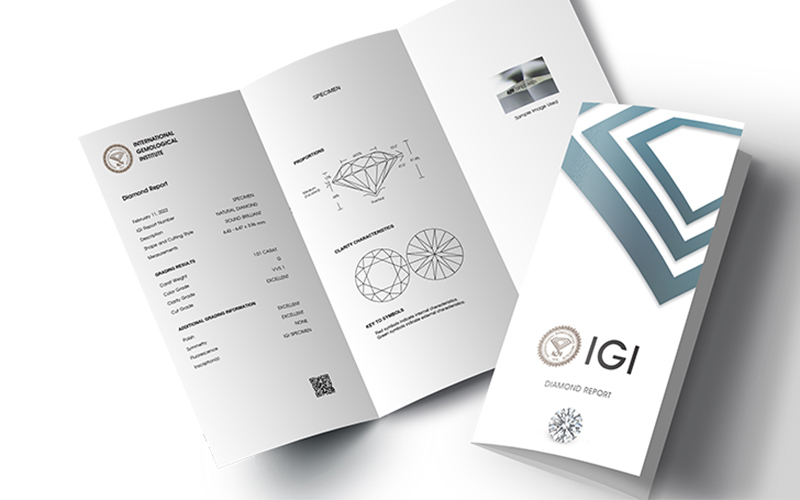
Identifying red flags in gemstone certification reports is vital for any buyer navigating the complex gemstone marketplace. A first indication of trouble lies in the certificate itself. Authentic certificates issued by respected gemological institutes—such as GIA, IGI, and AGS—maintain strict grading standards and feature unique identification numbers linked to the stone. Beware of sellers presenting certificates from less known or dubious labs like HRD, SGL, or EGL without corroborating details, as these might be associated with inflated or inconsistent grading.
Another prominent red flag is discrepancies between the gemstone’s physical attributes and the certification descriptions. For example, if a report mentions specific color grades or clarity but the stone visually contradicts these claims—either appearing overly flawless or suspiciously included—this mismatch signals potential fraud. Similarly, certificates lacking detailed plotting diagrams or omitting treatments raise concerns, as authenticity hinges on transparent disclosure.
How Inconsistent Documentation Undermines Trust in Certifications
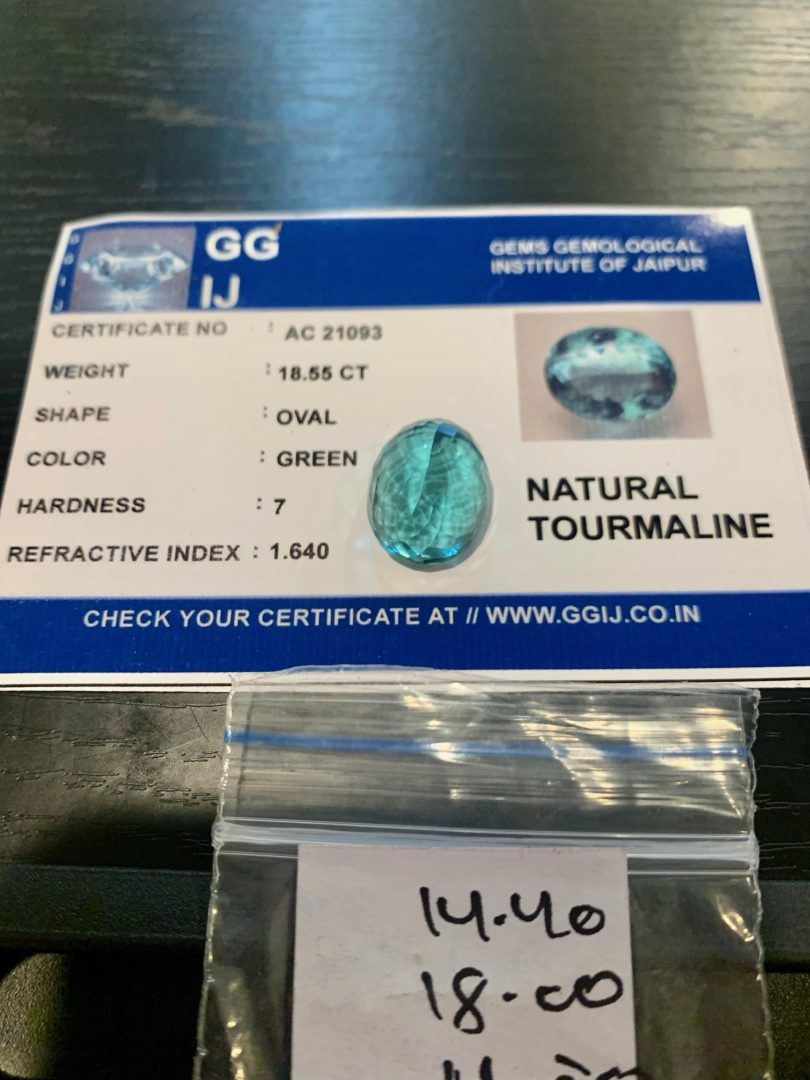
False or altered certificates deceive many buyers who rely heavily on these documents. Instances where the certificate’s serial number does not match any database records from trusted labs (like Gubelin or AIGS) or where documentation looks crudely edited should immediately prompt skepticism. Verifying authenticity through official platforms—for example, visiting websites specialized in gemstone verification—can expose fabricated credentials.
Furthermore, some sellers provide certificates that seem excessively generic or omit crucial details about treatments such as dyeing, heat enhancement, or fracture filling. Genuine labs conduct comprehensive analyses and openly disclose such information. The absence of these disclosures is often a deliberate attempt to conceal manipulations that affect the value and integrity of the gemstone.
Understanding the Role of Leading Gemological Labs in Certification Reliability
While many laboratories globally issue gemstone certificates, only a handful consistently uphold rigorous standards recognized in 2025. The GIA, IGI, and AGS certification systems stand as pillars of credibility, providing exhaustive reports that enable buyers to make informed decisions. These labs use advanced technology to classify gemstones by carat, color, clarity, and cut while detailing any treatments the stone has undergone.
On the other hand, labs such as CGL, NGTC, and others vary in their grading strictness and transparency. Some might issue certificates that do not compare favorably to those from GIA or AGS, leading to confusion or overvaluation. As a buyer, demanding certifications from these noted institutions and consulting official databases helps ensure you receive a legitimately graded gemstone.
Why Ignoring Certification Nuances Can Cost You
Failing to scrutinize the certification details exposes buyers to inflated prices for subpar stones. For example, a ruby certified by a less reputable lab without disclosing extensive clarity enhancements may appear more valuable on paper than in reality. Insurance claims and resale value depend heavily on such certified authenticity, thereby emphasizing that a certificate is far more than a mere paper—it is a documented guarantee of quality and trustworthiness.
Practical Tips to Safeguard Your Purchase from Fake Gemstone Certifications
Before finalizing a gemstone purchase, engage in thorough due diligence. Always insist on viewing an original certificate, verify the gemological lab’s credibility, and cross-check details online when possible. If the seller hesitates to provide verifiable documentation or pressures you into a quick deal based on “exclusive” pricing, you are likely facing a red flag. Physical inspection—evaluating the gemstone’s hardness, weight, and color under magnification—can complement certificate analysis to confirm authenticity.
Additionally, trusted vendors typically provide transparency about treatment disclosures and warranty policies. Choosing sellers who offer comprehensive information and are recognized in the industry mitigates the risk of falling prey to counterfeit stones or forged certificates. Learn how to spot fake gemstone certificates and confirm legitimate authenticity through expert corroboration.
For further insights and reliable gemstone authentication resources, visit platforms dedicated to verification that discuss distinctions among labs like GIA, IGI, and AGS, providing detailed guidance on certification interpretation and red flags avoidance strategies.