In the intricate and often dazzling world of gemstones, not all that glitters is genuine—especially when it comes to certificates meant to verify authenticity. In 2025, the gemstone market continues to evolve, presenting both opportunities and challenges for buyers who seek to invest in precious stones with confidence. However, the rise in counterfeit gemstone certificates adds a layer of complexity that demands careful scrutiny. Beyond the allure of color and clarity lies the critical need to discern real certification from fraudulent duplicates. The implications of failing to detect fake certificates extend beyond financial loss; they affect consumer trust and the integrity of the entire industry.
Essentially, when considering an investment in gemstones, the certificate should be your trust beacon. Yet, deceptive certificates flood the market, masquerading as endorsements from reputable gemological authorities like GIA, IGI, and AGS. This proliferation of forgeries calls attention to the importance of knowing how to spot these counterfeit documents. Informed buyers can protect themselves by understanding the hallmarks of genuine certification—features that are as vital as the gem itself.
Understanding Why Identifying Fake Gemstone Certificates Is Crucial
Gemstone certificates act as passports for stones, detailing their origin, characteristics, and quality. Without authentic certification, purchasing a gemstone is akin to buying a luxury item blindfolded—potentially exposing oneself to fraud. The economic repercussions for both consumers and businesses are substantial, as counterfeit certificates not only jeopardize personal investments but also tarnish the reputation of the legitimate gem trade. Recognizing the risks tied to fake certificates is the first step in safeguarding your purchases and ensuring the gemstone’s integrity.
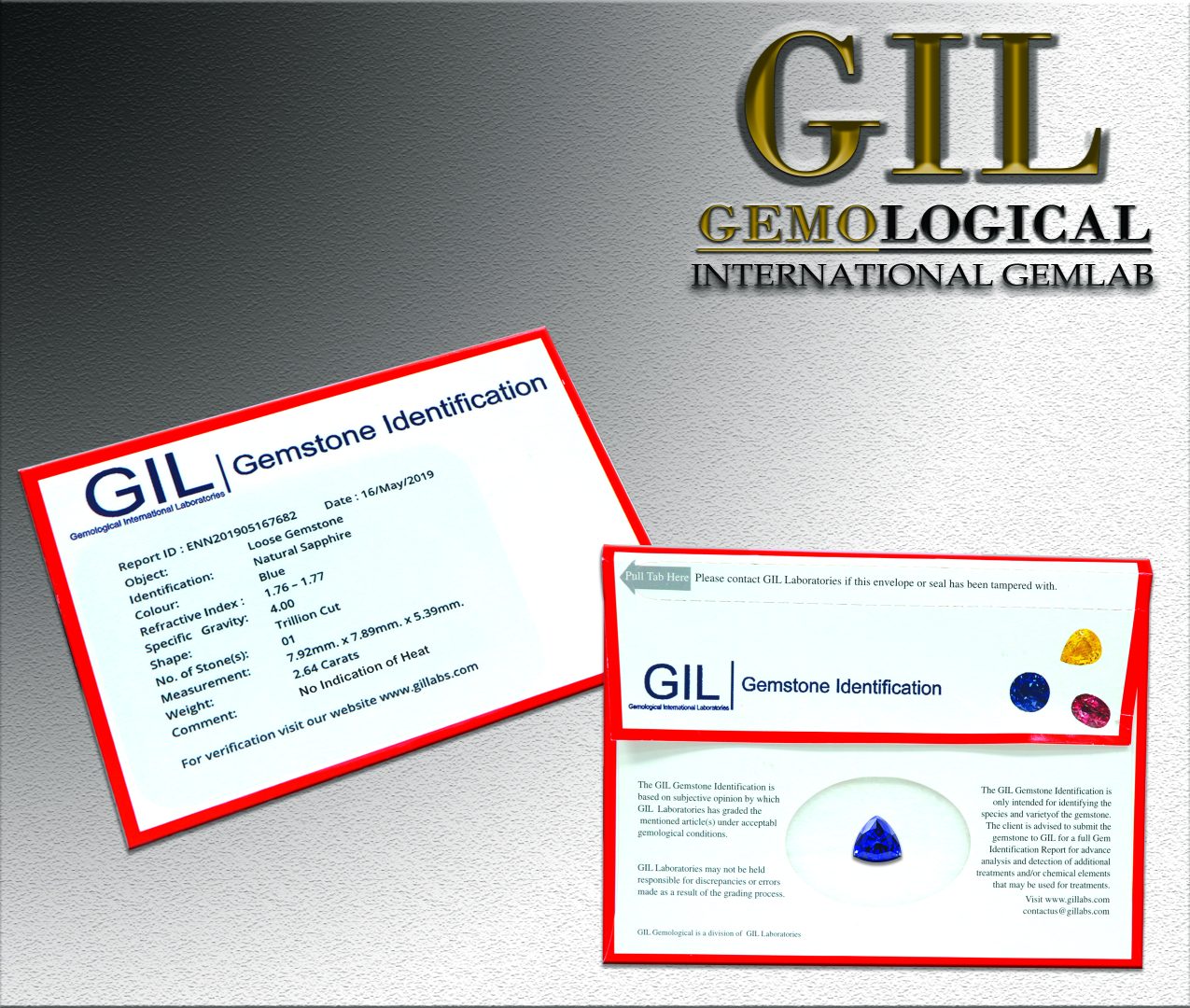
Common Types of Gemstone Certificates and Their Security Features
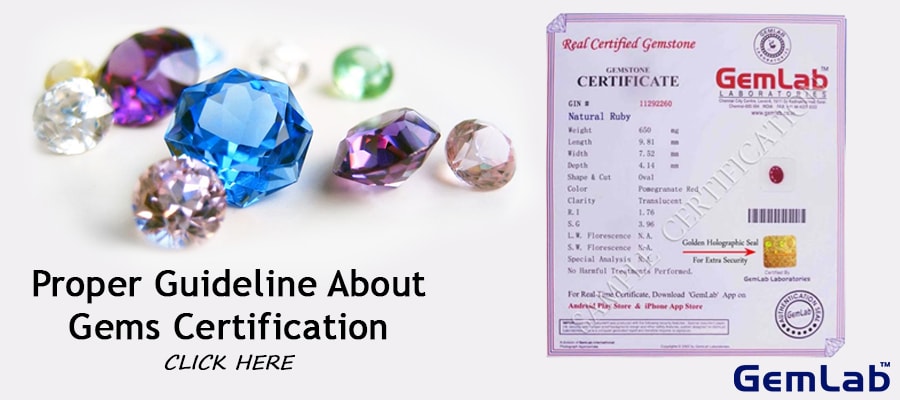
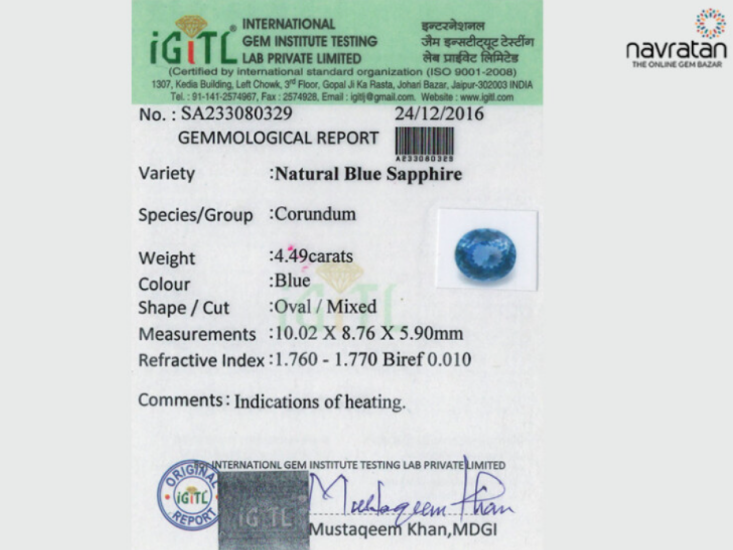
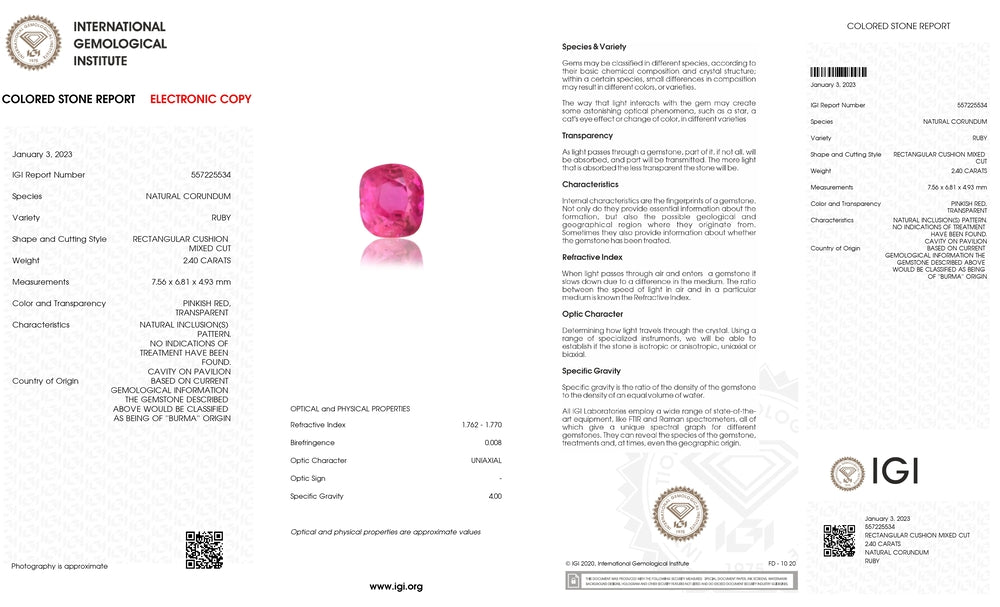
Trusted gemological laboratories like HRD Antwerp, SGL, EGL, GemCert, GRS, BGL, and SSEF issue certificates that contain a variety of security measures. These may include holograms, unique serial numbers, gemstone diagrams, and detailed descriptions. A legitimate certificate will match the gemstone perfectly in terms of weight, cut, color, and clarity, ensuring no parameter is left ambiguous. When certificates lack these attributes or contain typographical errors and inconsistent formatting, it’s a strong indicator of counterfeit documentation.
Additionally, many genuine certificates provide QR codes or online verification options—a feature to cross-check details with the issuing laboratory’s database. Buyers should never hesitate to verify certificates online for authentication; tools such as those provided by gemstone verification services are essential in this process. This real-time verification helps distinguish genuine from fake reports quickly.
Practical Tips to Detect Fake Gemstone Certificates
Since forged certificates can often appear convincing, knowing the subtleties that set real certificates apart is important for any gemstone buyer. First, compare the certificate closely to known templates from recognized labs like GIA or IGI. Pay attention to the font style, logo placement, and paper quality. Genuine certificates are printed with superior materials and often include watermarks or embossed seals.
Scrutinize the certificate’s content carefully—each detail, from carat weight to the cut style, should align perfectly with the actual gemstone. Discrepancies here reflect red flags. Also, counterfeit certificates might reveal poorly translated terminology or inconsistent grading language, which are telltale signs of fraud. Cross-checking the certification number on the issuer’s official website is one of the most foolproof ways to ensure legitimacy.
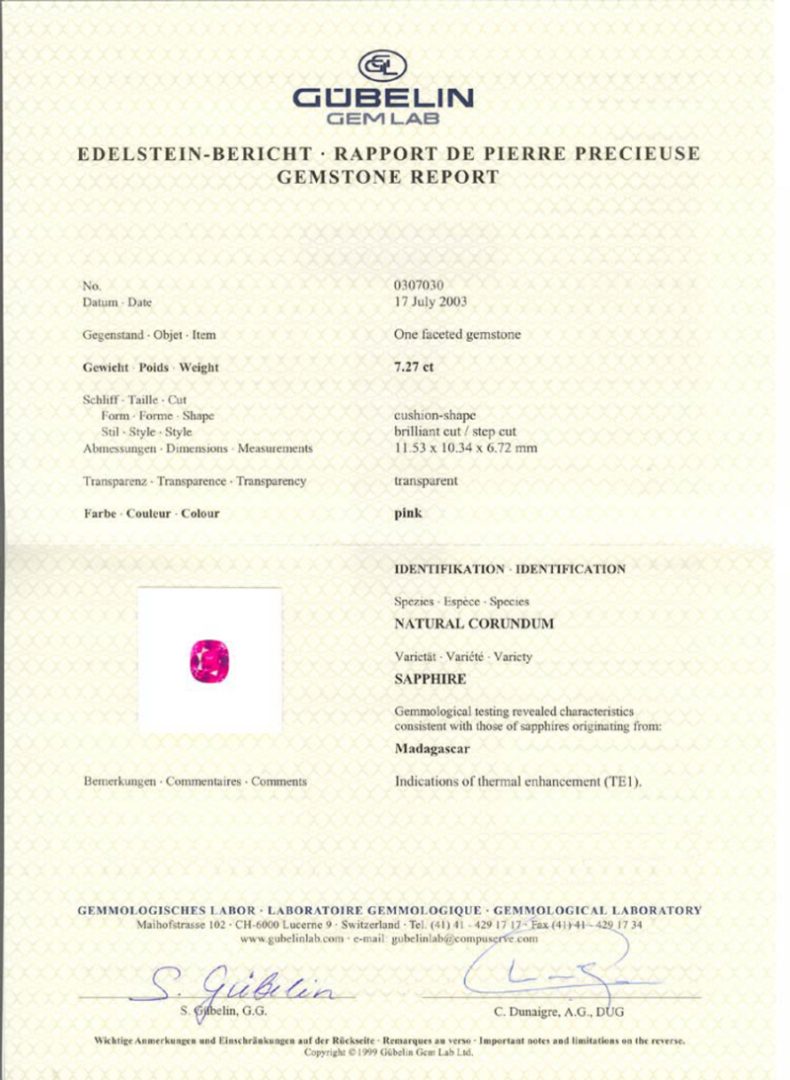
Correlating the Certificate with the Gemstone: The Key to Confidence
A certificate’s value lies in its accuracy and the credibility of its issuer. Beyond document examination, the gemstone itself should correspond with the certificate’s specifications. For example, if a certificate states a diamond’s color as D (colorless) and clarity as VVS1, but the gemstone shows visible imperfections or a yellow tint, the certificate may be fake or unrelated to the stone presented.
Purchasers can also rely on independent appraisals from reputed gemologists or laboratories to confirm these details. Resources like authenticated versus uncertified gemstones provide critical insights into what differentiates genuinely certified stones from uncertified or misrepresented counterparts. Laboratory certification is not just paperwork but a cornerstone of trust in the gemstone market.
Choosing Certified Gemstones from Reliable Sources for Peace of Mind
When acquiring gemstones, it is paramount to prioritize buyers with transparent practices offering certificates from prominent certifications authorities such as GIA, AGS, or HRD Antwerp. Reliable sellers understand the value of certification and ensure all documentation is verifiable and matches the stone perfectly.
To enhance buyer protection, consider sellers who provide access to certification inquiry portals like those hosted on gemstone certification platforms. Transparency in the transaction reduces the risk of counterfeit stones and certificates, fostering a marketplace of integrity bound by verified information.