The journey of a gemstone from mine to certification unveils a captivating tale of patience, expertise, and rigorous standards that transform mere rocks embedded in the earth into coveted jewels admired worldwide. In 2025, the global gemstone industry continues to thrive, yet it demands transparency and trust more than ever. Renowned names like De Beers, Tiffany & Co., and Cartier accentuate the importance of ethical sourcing and meticulous certification processes, elements that reassure buyers amidst concerns over authenticity and provenance.
From the initial extraction by mining giants such as Rio Tinto Diamonds and Alrosa to the refinement and authentication stages overseen by authoritative bodies like the GIA (Gemological Institute of America), every phase carries critical significance. The final certification not only guarantees a gemstone’s quality but also validates its ethical journey, safeguarding consumers against counterfeit risks and fostering confidence in their acquisitions. The sophisticated grading methodologies applied today elevate the jewelry industry’s integrity, ensuring pieces from trusted retailers like Signet Jewelers or Graff are backed by verifiable authenticity certificates.
Understanding the detailed path from mine to certification empowers customers to appreciate the efforts invested in each gemstone, embodying craftsmanship, sustainability, and transparency — qualities that define modern luxury and ethical responsibility.
In brief: In 2025, the gemstone journey is audited meticulously from extraction by established miners like Alrosa to artisan cutting and grading certified by institutions such as GIA. Leading brands including Chopard, Leviev, and Tiffany & Co. uphold stringent provenance standards. Rigorous certification processes and laboratory analyses mitigate risks of fraud, with certificates serving as key tools in authentication and valuation. Ethical sourcing certifications from initiatives endorsed by major players reinforce consumer trust, making certified gemstones the cornerstone of informed and secure purchases.
Tracing the Origins: From Mining to Raw Gemstone Extraction
Every gem’s extraordinary journey begins deep beneath the earth’s surface, where mining corporations like De Beers and Rio Tinto Diamonds play instrumental roles in unearthing raw stones. Mining is an intricate operation combining geological science, advanced technology, and strict environmental stewardship to responsibly extract precious minerals and gemstones. The role of ethical mining practices cannot be overstated, as companies move towards sustainability and transparency commitments to address historical concerns about conflict stones.
Once extracted, these uncut gems hold within them the promise of transformation. Their provenance – the documented origin and extraction method – becomes a foundational piece in the gemstone story, which firms like Alrosa ensure is traceable. The importance of provenance documentation is so significant that buyers today insist on verified origin certifications, which can be cross-checked through resources such as origin certification gateways to guarantee conflict-free stones.
The Role of Ethical Mining and Provenance
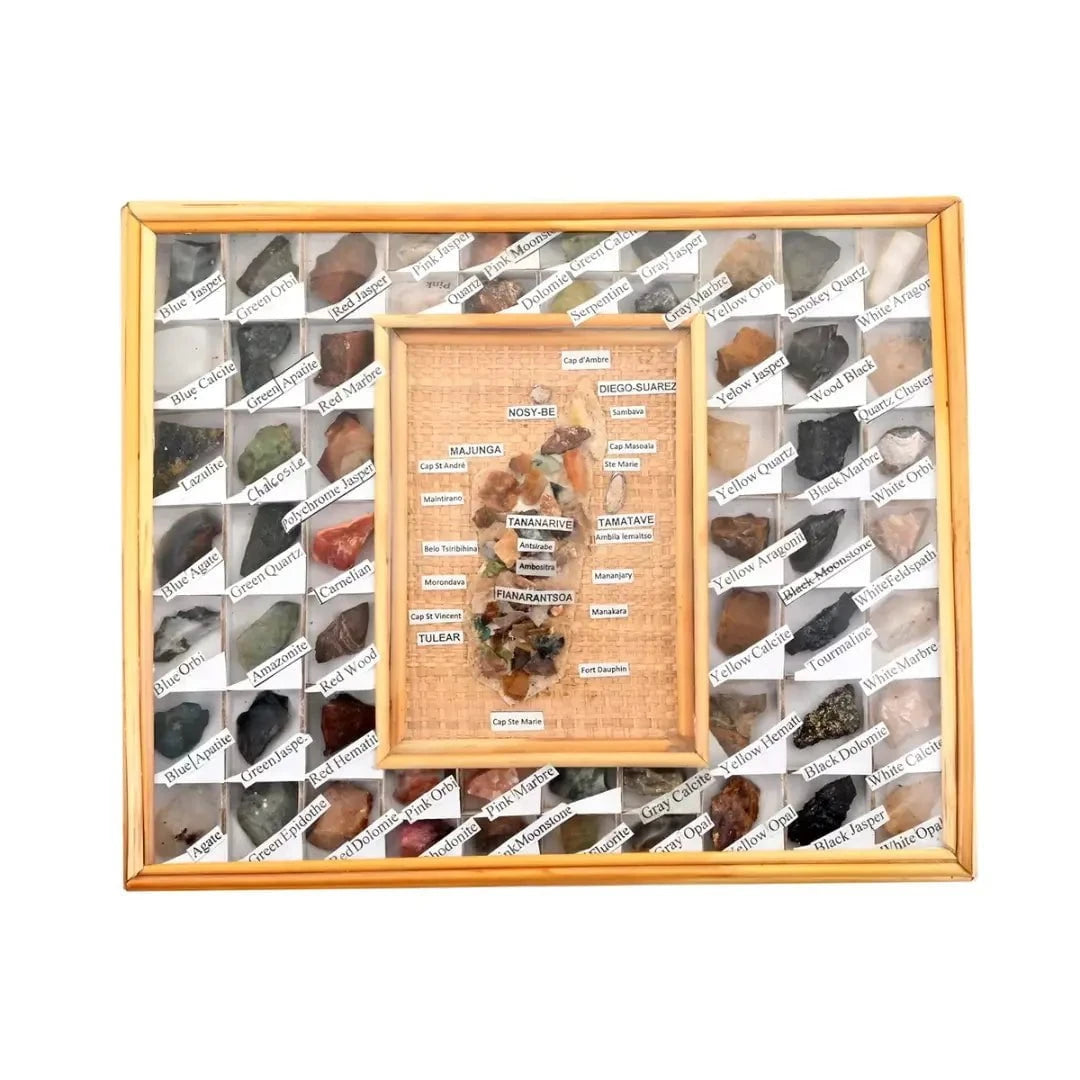
Ethical mining not only helps protect the environment but also guarantees social responsibility by ensuring fair treatment and benefits for local communities. Transparency in gemstone provenance is fundamental, creating a lineage that validates gemstones’ authenticity and underpins the industry’s credibility. Certification agencies and certifications documented in trusted platforms are integral in preventing undisclosed treatments or illicit sources.
The Art and Science of Gem Cutting and Polishing
Turning an unpolished stone into a radiant jewel requires both skill and artistry. Master cutters and polishers, often employed by prestigious houses like Graff and Chopard, collaborate meticulously to expose the gemstone’s inherent brilliance and fire. This stage is where science meets craftsmanship, involving precise calculations of angles and facets to maximize light reflection and color depth.
Such refined techniques decisively impact a gemstone’s subsequent grading and certification. Whether a diamond processed by Leviev or a sapphire set in a Tiffany & Co. collection, polished gems undergo rigorous evaluation of the Four Cs — color, clarity, cut, and carat weight — criteria established and standardized by authorities like the GIA (Gemological Institute of America).

Certification Processes Validating Craftsmanship
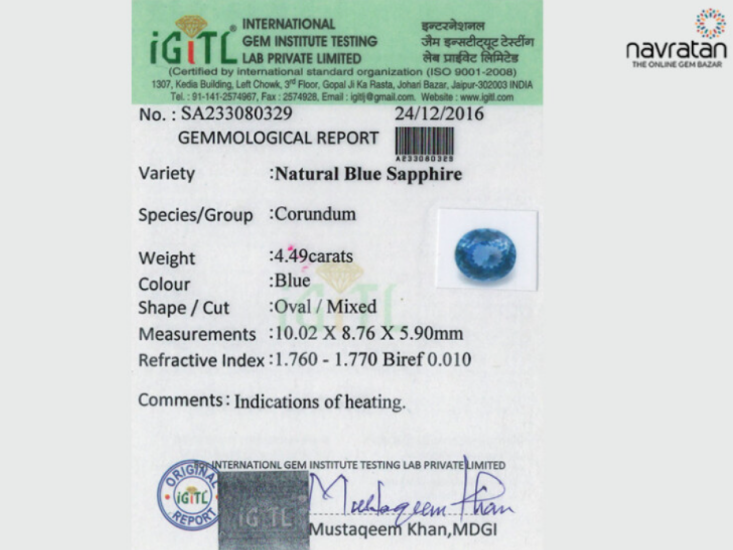
Certification labs apply advanced technology to thoroughly inspect the gemstone for cut quality and enhancements, ensuring the final piece meets exacting industry standards. The certification procedures evaluate authenticity and detect any treatments or synthetics, which are clearly disclosed on the accompanying certificates. The authenticity confirmation legitimizes jewelers like Signet Jewelers to offer customers transparent and reliable products.
From Certification to Consumer Confidence: The Final Assurance
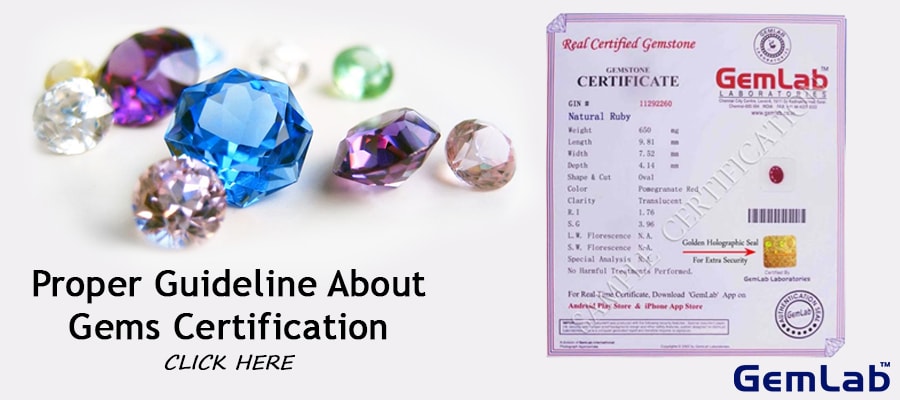
After passing through mining and meticulous craftsmanship, a gemstone’s final vital phase is its certification — the official document that communicates its quality and verified origins to the consumer. Trusted certificates issued by reputable labs such as GIA or verified through services like gemstone certificate verification websites authenticate the gemstone’s unique characteristics and confirm absence of undisclosed treatments.
Jewelry brands with long-established reputations, including Cartier and Tiffany & Co., emphasize certified gemstones in their collections to maintain confidence and safeguard tactile heritage. In a market where counterfeit gems persist as a risk, certification acts as the buyer’s strongest shield against fraud, allowing for precise valuation at point of purchase and during insurance claims.

How Certification Elevates the Value and Ethical Standards
Certified gemstones have proven to carry greater monetary and emotional value, especially for collectors and investors. With global certification standards advancing into 2025, the linkage between certification and ethical sourcing ensures consumers receive not just beauty, but integrity and accountability. This unwavering commitment from miners like Alrosa, cutting artisans, and resellers like Signet Jewelers secures gemstones’ futures as cherished heirlooms.