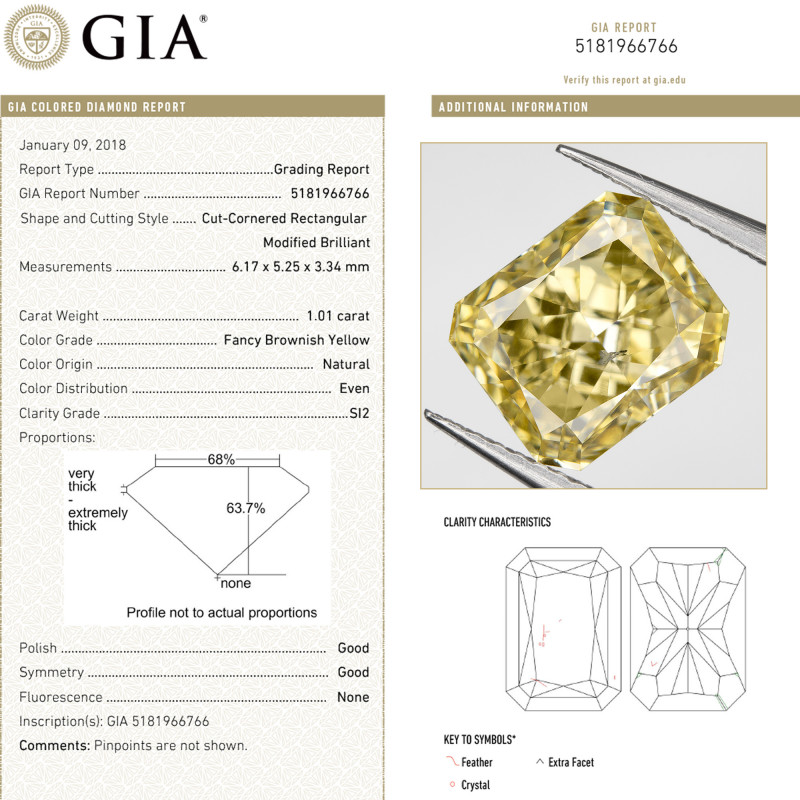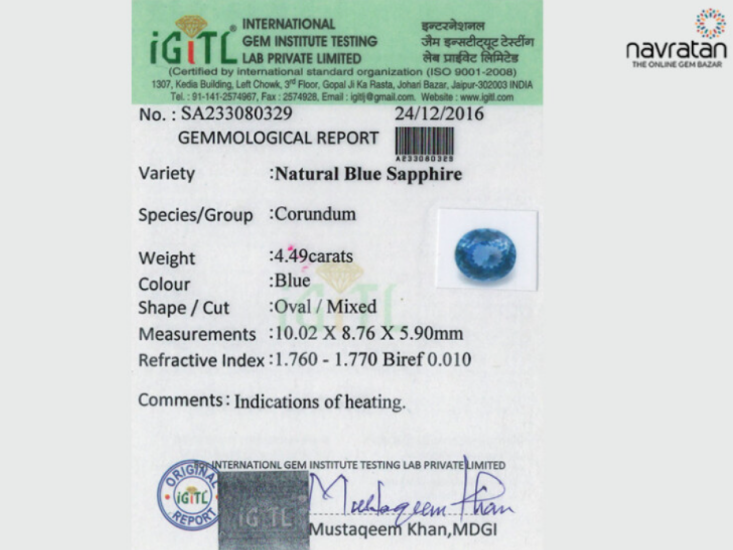
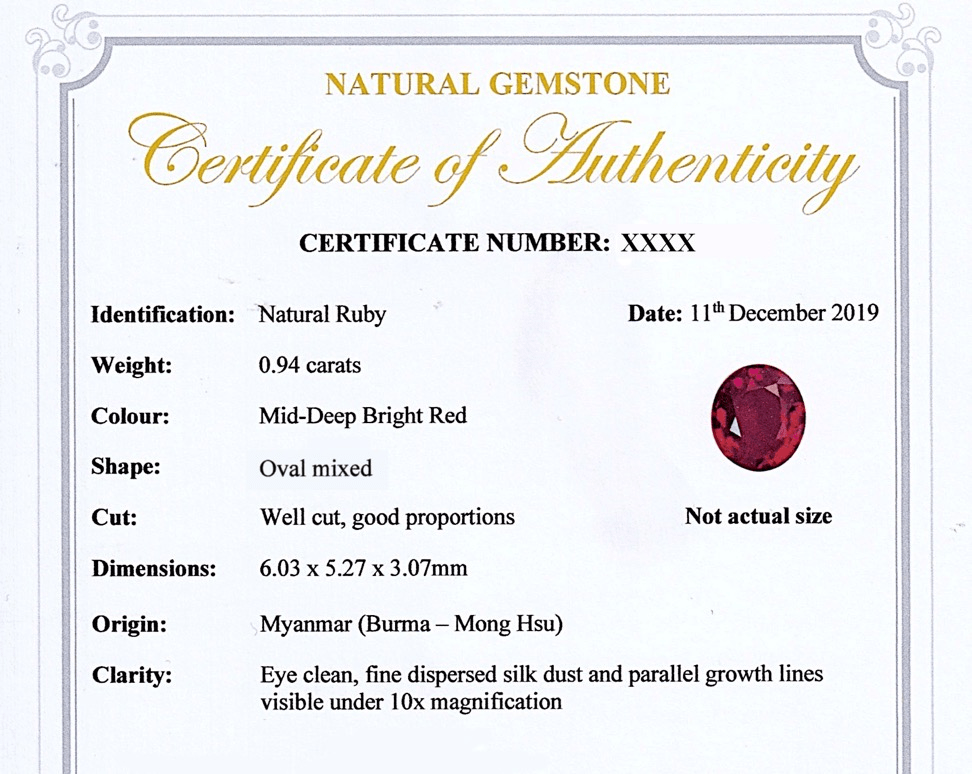
In the complex world of gemstones, verifying the authenticity and specifics of a gemstone certificate has become indispensable. With the rise of new market players and increasing sophistication in gemstone treatments and enhancements, ensuring the legitimacy of a gemstone through reliable certification is paramount. Trusted agencies like GIA, IGI, and HRD Antwerp have elevated industry standards by providing detailed, scientifically backed gemstone reports that protect buyers and sellers alike from counterfeit or misleading claims. These certificates not only authenticate a gemstone’s qualities—such as cut, clarity, color, and carat weight—but also disclose any treatments or enhancements, thereby safeguarding investments and collection integrity. As the gemstone market evolves, employing modern verification tools and understanding certification reports comprehensively empowers consumers to make informed decisions and uphold transparency in their transactions.
En bref :
- Gemstone certificate verification is essential to confirm authenticity and protect against fraud in the gemstone market.
- Leading labs like Gemological Science International and Gemporia offer trusted report verification services.
- Verification ensures precise grading on important factors such as carat, clarity, color, and cut, whether the gemstone is loose, rough, or set in jewelry.
- Awareness of treatment disclosures from labs like GemLab and AIGS Lab helps buyers understand the true nature and care requirements of gemstones.
- Online platforms provide accessible tools for checking certificates, enhancing market transparency and buyer confidence.
Essential Techniques to Verify Gemstone Certificates and Ensure Authenticity
The key to confident gemstone acquisition lies in thorough certificate verification. Each report issued by reliable laboratories such as GIA, IGI, and HRD Antwerp contains a unique report number that serves as an entry point for verification. By entering this number into the respective laboratory’s online verification system, buyers can access detailed information about the gemstone’s characteristics and confirm the certificate’s legitimacy. This process reassures that the gem’s documented attributes—ranging from origin to treatments—are genuine and have not been altered post-certification.
Take, for instance, the verification tools offered by Sarine, which incorporates advanced technology to cross-check physical gemstone data against certification details. Such integration of cutting-edge analytics illustrates how the industry is refining authenticity confirmation methods, helping buyers and collectors avoid counterfeit stones or fraudulent documentation. The importance of these tools is magnified by the existence of counterfeit certificates that can be easily produced without robust verification protocols. Through trusted verification platforms, investors secure their interests and uphold the integrity of the gemstone market.
Verifying Reports for Loose and Rough Gemstones: What to Look For
Loose gemstones, whether diamonds, rubies, or sapphires, undergo stringent analysis before certification. A legitimate certificate ensures the gemstone’s cut, color, clarity, and carat weight are accurately represented. The same applies to rough gemstones, where the authenticity of origin and raw weight are critical factors verified through initial lab assessments. Labs like Gemological Science International and Gem-A Instruments specialize in providing precise grading and origin determination, which is crucial for stones prior to any cutting or treatment.
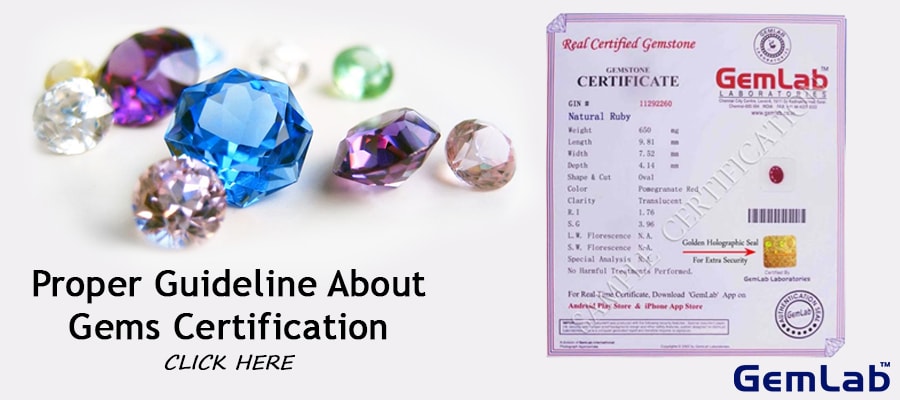
Verification steps typically involve locating the report number visible on certification documents and inputting it into the lab’s online system, such as GemLab’s online portal. A successful match confirms that the report is original and details correspond accurately to the physical characteristics of the gemstone, providing assurance to both buyers and sellers regarding its value and authenticity.
Special Considerations for Set Gemstones and Treated Stones
When a gemstone is set in a piece of jewelry, additional factors need verification beyond the stone itself. Certificates from authorities like Presidium include detailed descriptions covering the gemstone’s provenance alongside the workmanship quality of the setting. This ensures no substitutions or alterations have occurred since certification. Buyers can thus trust that the entire jewelry piece retains its certified value and authenticity.
Treated gemstones present a unique set of verification challenges. Treatments such as heating or irradiation affect a gem’s value and care instructions. Trusted laboratories like Gemporia and AIGS Lab provide full transparency by disclosing any treatments in their certificates. Without such clarity, buyers risk investing in stones with undisclosed enhancements, which may affect longevity or insurance coverage. The importance of verifying treatment details cannot be overstated in safeguarding one’s investment and understanding the gemstone’s true nature.
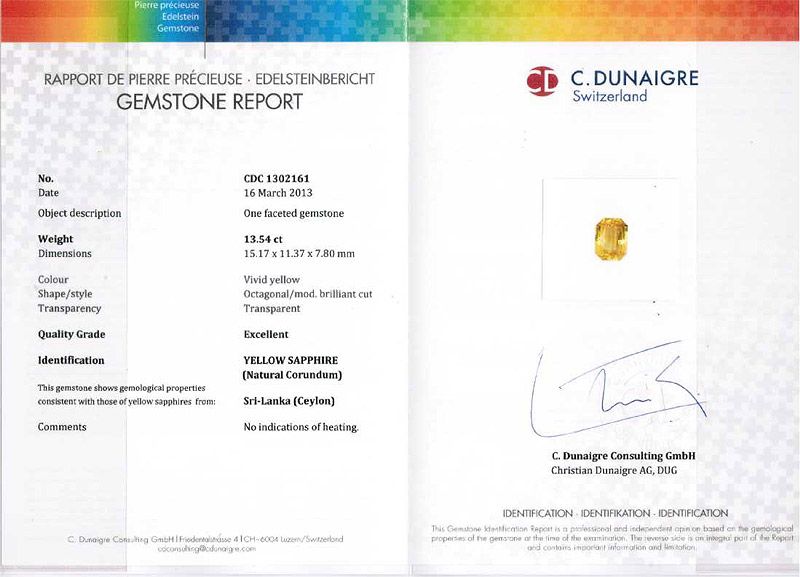
Building Confidence Through Trusted Certification and Verification
In a fast-evolving marketplace, the ability to authenticate gemstones with confidence results from leveraging reputable laboratories and digital verification tools. Institutions renowned for their expertise, including GIA, IGI, and HRD Antwerp, continue to innovate certification methods, blending expert gemological assessment with technology-driven verification. Educating oneself about recognized labs and certifications is vital—a strategy underscored in detailed gemstone certification guides.
Moreover, consumers and investors can protect themselves by consulting resources that expose common misconceptions surrounding certification and alert buyers to potential red flags. For a deeper understanding of gemstone certification value and safeguarding investments, referencing platform insights such as Gemstone Certificates Value proves invaluable. Such informed vigilance sustains trust and transparency across the global gemstone trade.