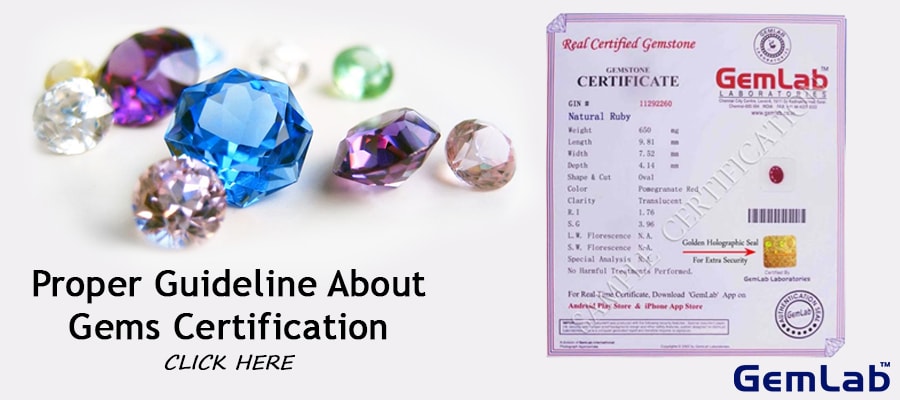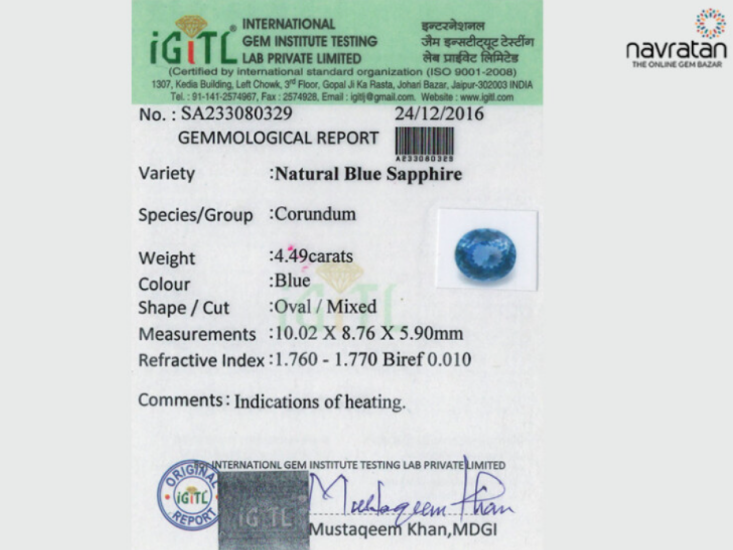
In the intricate world of gemstones, ensuring the authenticity of a gemstone certificate is paramount for collectors, investors, and jewelry enthusiasts alike. As the gemstone market grows increasingly sophisticated, so do the methods of certification verification, demanding that buyers remain vigilant and informed. The rise of reputable certification agencies—GIA, IGI, AGS, and HRD Antwerp among them—provides valuable security in gemstone transactions, yet the proliferation of fake certificates poses a constant challenge. Understanding the nuances of gemstone certification goes beyond accepting a certificate at face value; it involves a critical assessment of the issuing institution, the details included in the report, and the verification process itself. This knowledge empowers buyers to protect their investments against counterfeit and substandard stones, securing both monetary value and peace of mind.
En bref :
Recognize the most reputable gemstone certification agencies like GIA and EGL to avoid counterfeit certificates.
Verify gemstone report numbers through official online portals to confirm authenticity.
Understand the types of certificates relevant to loose, rough, or set gemstones, and check for treatment disclosures.
Request a certificate of authenticity for jewelry that details the metal composition and gemstone specifics.
Consult trusted educational resources to learn about red flags and common myths in gemstone certification.
Identifying Reliable Gemstone Certification Laboratories
When acquiring a gemstone certificate, the source is as important as the gem itself. Laboratories with long-established reputations such as GIA (Gemological Institute of America), IGI (International Gemological Institute), AGS (American Gem Society), and HRD Antwerp are globally recognized for their rigorous standards and impartial grading. Each institution employs expert gemologists who assess the gemstone’s cut, clarity, color, carat weight, and treatments with precision. In contrast, less reputable entities may issue certificates lacking comprehensive details or authenticity, which can mislead buyers. By prioritizing certificates from these known agencies, buyers ensure adherence to strict grading systems, significantly reducing the risk of purchasing fraudulent stones. More information about trusted labs and their roles can be explored at reliable gemstone labs.
What You Should Verify on Your Gemstone Certificate
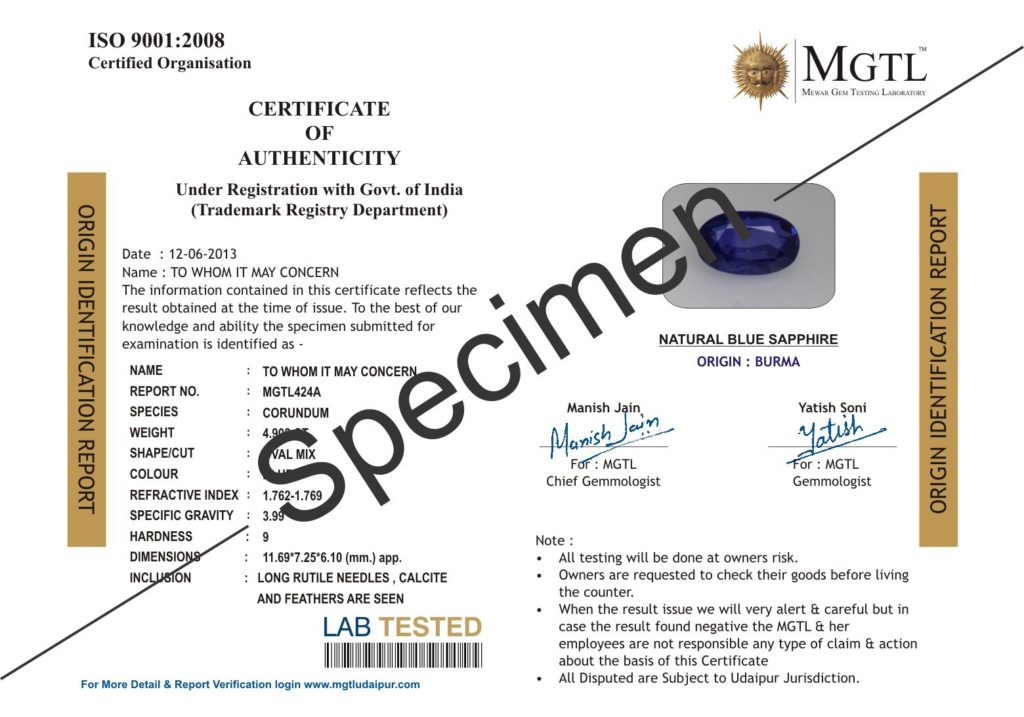
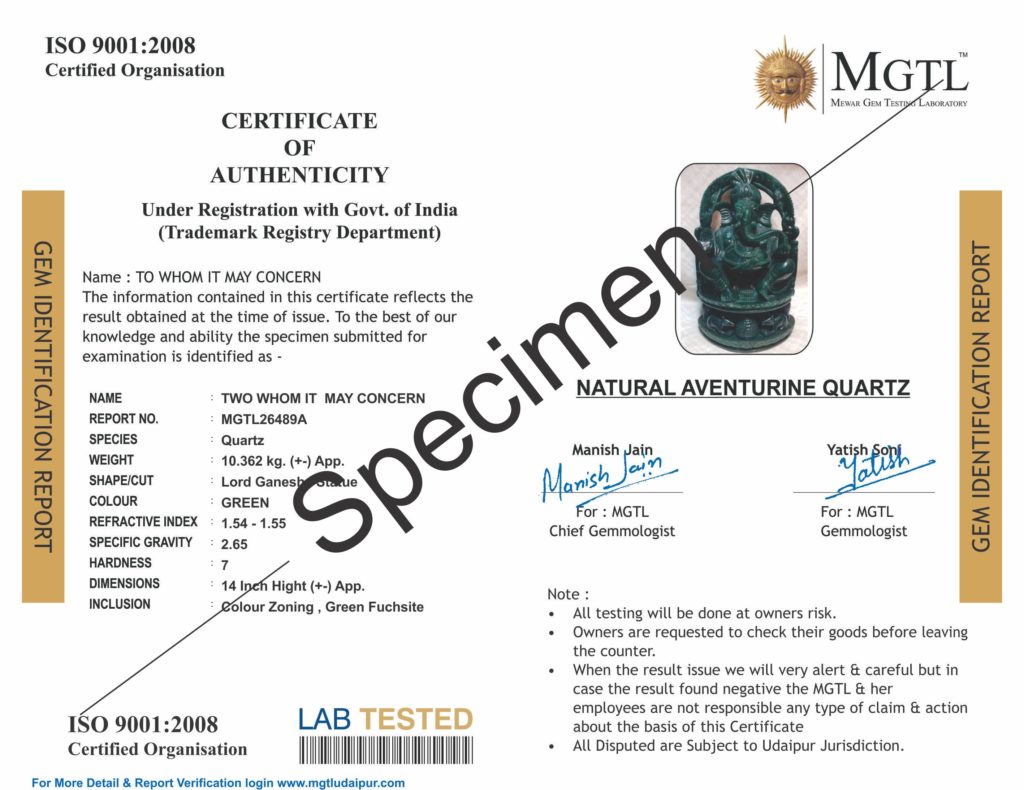
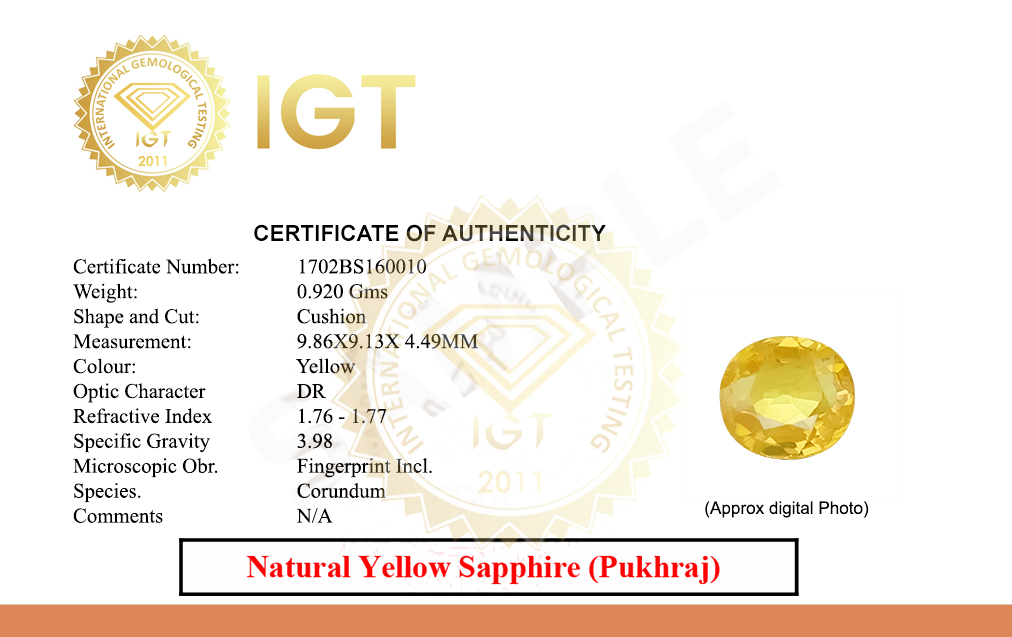
Authenticating a gemstone certificate involves more than acknowledging the presence of a laboratory logo. Buyers must confirm the certificate carries a unique report number which can be cross-checked against the issuing lab’s database. This verification assures that the document corresponds to the physical gemstone and details such as carat weight, color, clarity, and any treatments are accurately recorded. Additionally, a thorough certificate will disclose any enhancements like heating, radiation, or filling—a common practice with many colored stones—and their impact on value or care instructions. To avoid pitfalls, familiarize yourself with the red flags indicating fake gemstone certificates. Performing such due diligence is crucial in safeguarding your purchase from fraud.
Verifying Different Types of Gemstone Reports
Gemstone certificates can vary depending on the gem’s state and setting, each presenting unique verification requirements. Reports from agencies like Girgem provide systems to check loose gemstones, rough stones, and set gemstones, ensuring a comprehensive assessment across forms. Verifying a loose gemstone report includes the examination of the stone’s precision cut and grading, while rough gemstone certificates focus on origin and preliminary analyses before processing. For set gemstones embedded in jewelry, the certificate must validate both the gemstone’s authenticity and the quality of the craftsmanship. Buyers should locate the specific report number and use official verification portals to ensure the certificate matches the gem involved. This approach is also essential for colored gemstones like rubies or sapphires where aspects such as color origin and treatment disclosures affect rarity and value, a subject more thoroughly covered in gemstone certification for ruby, sapphire, and emerald.
Importance of Certificates for Treated Gemstones
Many gemstones on the market today undergo enhancements to improve appearance or durability, thus impacting their value and care. Certificates detailing these treatments offer transparency essential for fair valuation. GIA, IGI, and other agencies include specific treatment notes, allowing buyers to understand what interventions the stone has undergone, such as heating or filling. This honesty prevents misleading sales and provides guidance for long-term gemstone maintenance. For more insights into certified treated stones and how to evaluate them, consider visiting gemstone treatments certificates.
Certificate of Authenticity for Jewelry: Beyond the Gemstone
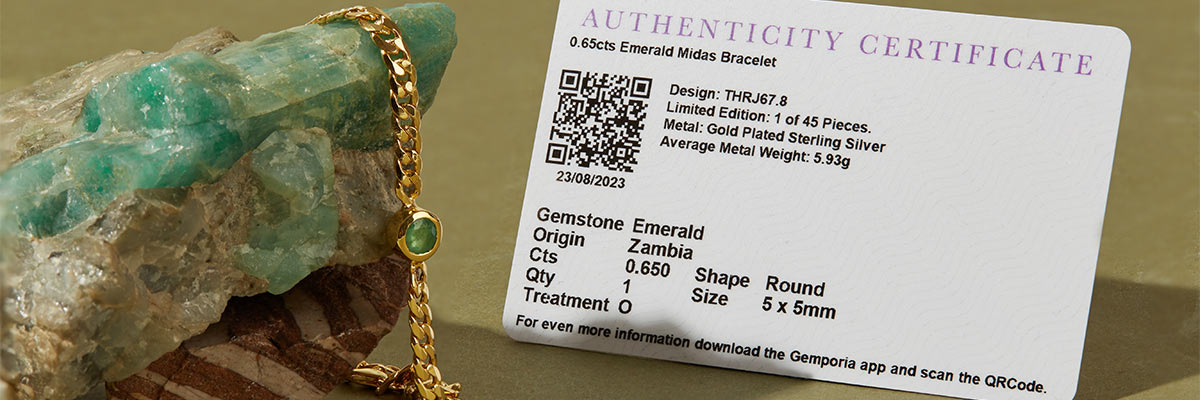
In cases where gemstones are set into jewelry, certificates expand their focus to include details about the metals and design craftsmanship. Authenticity certificates issued by reputable jewelers like Emerald Jewelers ensure that the jewelry piece not only contains a genuine gemstone but also features precise metal content, weights, and manufacturer info. This certificate serves both as proof of authenticity and a warranty that safeguards the buyer’s investment over time. In the absence of such documentation, buyers risk acquiring pieces with inferior or misrepresented metal content, which might compromise resell value or insurance coverage. To understand why an authenticity certificate for jewelry is indispensable and how it influences insurance claims, explore detailed explanations found at jewelry insurance claims certification.
By equipping themselves with knowledge on how to verify gemstone certificates, buyers become proactive participants in maintaining the integrity of the gem market. Leveraging trusted labs like GIA and utilizing verification portals fortify one’s position against counterfeit certificates, ultimately preserving the true value of these precious stones.