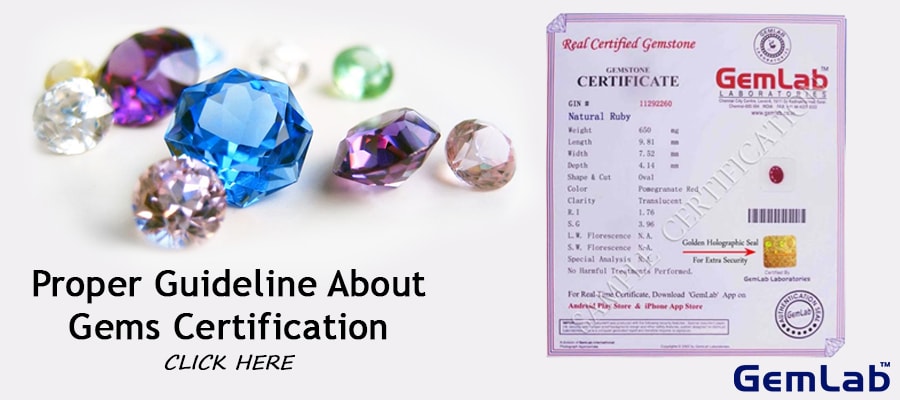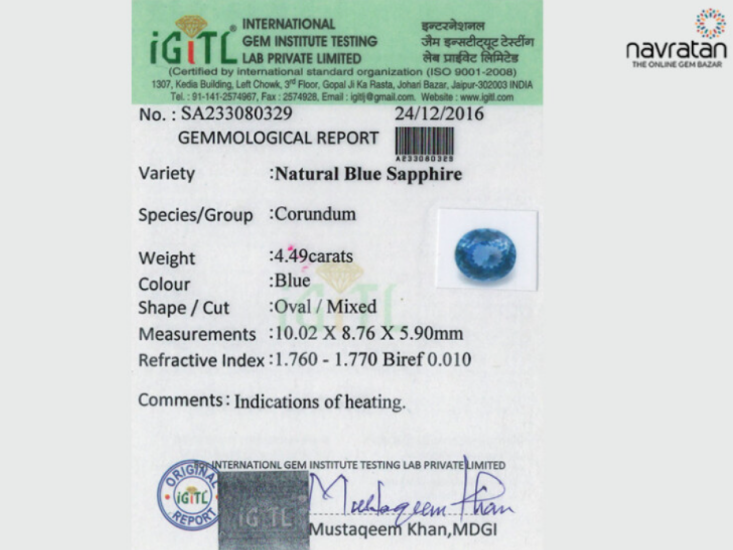
In a market where colored gemstones like rubies, sapphires, and emeralds command prestige and substantial investment, certification has become indispensable. These gemstones are more than just beautiful; their value hinges on distinct factors such as color, clarity, origin, and treatments, which certification meticulously details. Unlike diamonds, whose grading may be more standardized, colored stones present a complex challenge for appraisal, necessitating expert laboratories specialized in their unique characteristics. By 2025, securing a certificate from a reputable gemological lab has evolved into a critical step to authenticate, assure quality, and uphold the worth of these treasures in the luxury market and among collectors.
En bref :
- Certification focuses on four pillars: color grade, clarity & inclusions, origin determination, and treatment disclosure.
- Premium labs like SSEF, Gübelin Gem Lab, and GRS lead in providing trusted, detailed reports essential for high-value stones.
- Origin is a major factor: for example, Burmese rubies and Kashmir sapphires fetch higher prices due to rarity and desirable provenance.
- Treatments such as heating or oiling significantly impact value and must be transparently disclosed in certificates.
- Certification is not a substitute for appraisal but provides critical groundwork for investment and insurance claims.
Understanding Colored Gemstone Certification: Key Differences for Ruby, Sapphire, and Emerald
The certification of colored gemstones involves a nuanced process that differs notably from the diamond grading system. The primary elements assessed include color grade—addressing hue, tone, and saturation—clarity and visible inclusions, geographic origin determination, and any treatments applied to enhance the stone. Rubies, sapphires, and emeralds each have distinct grading criteria that reflect their inherent properties and market expectations.
For instance, with emeralds, a deep green color with vivid saturation is highly prized, often overshadowing clarity concerns since emeralds commonly exhibit ‘jardin’ or garden-like inclusions. In contrast, rubies and sapphires are prized for their vivid red and blue hues respectively, and clarity alongside color impacts their valuation significantly.
Gemstone certification is vital because these stones often undergo treatments such as heating for rubies and sapphires or oiling for emeralds, affecting both appearance and value. Transparency about such treatments is non-negotiable in certification, helping buyers and collectors make informed decisions.
The Role of Origin in Gemstone Certification and Value
The geographic origin of a gemstone can dramatically influence its market value and desirability. For example, a ruby from Burma (Myanmar) is universally esteemed due to its superior color and rarity, while emeralds sourced from Colombia often command higher prices than those from other locations. Similarly, sapphires from Kashmir or Sri Lanka (Ceylon) are regarded as benchmarks of quality.
Leading laboratories employ advanced techniques to authenticate the origin listed on certificates, a feature crucial for investors and collectors. This origin determination process has become increasingly sophisticated by 2025, aided by extensive research and comparative analysis conducted by labs such as SSEF (Swiss Gemmological Institute) and GRS (GemResearch Swisslab).
Premier Laboratories: Ensuring Accuracy and Trust in Gemstone Certification
Choosing a lab with robust methodologies and industry respect enhances the reliability of gemstone certification. Among the frontrunners are SSEF, Gübelin Gem Lab, and GRS, known for their precise origin assessments and thorough treatment disclosures essential for high-value rubies, sapphires, and emeralds. For colored stones certification tailored specifically to origin and treatment history, the GIA (Gemological Institute of America) and IGI (International Gemological Institute) offer comprehensive grading services widely trusted worldwide.
The American Gemological Laboratories (AGL) appeals to buyers seeking detailed color grading and clarity information, focusing exclusively on colored stones. Labs like ALGT (Antwerp Lab for Gemstone Testing) and regional centers such as BGL (Bahrain Institute for Pearls & Gemstones Lab) also serve niche markets by providing dependable certification with a local touch. Meanwhile, institutions like Lotus Gemology and Danat are becoming known for their ethical certification pathways, addressing investor concerns around sustainability and provenance.
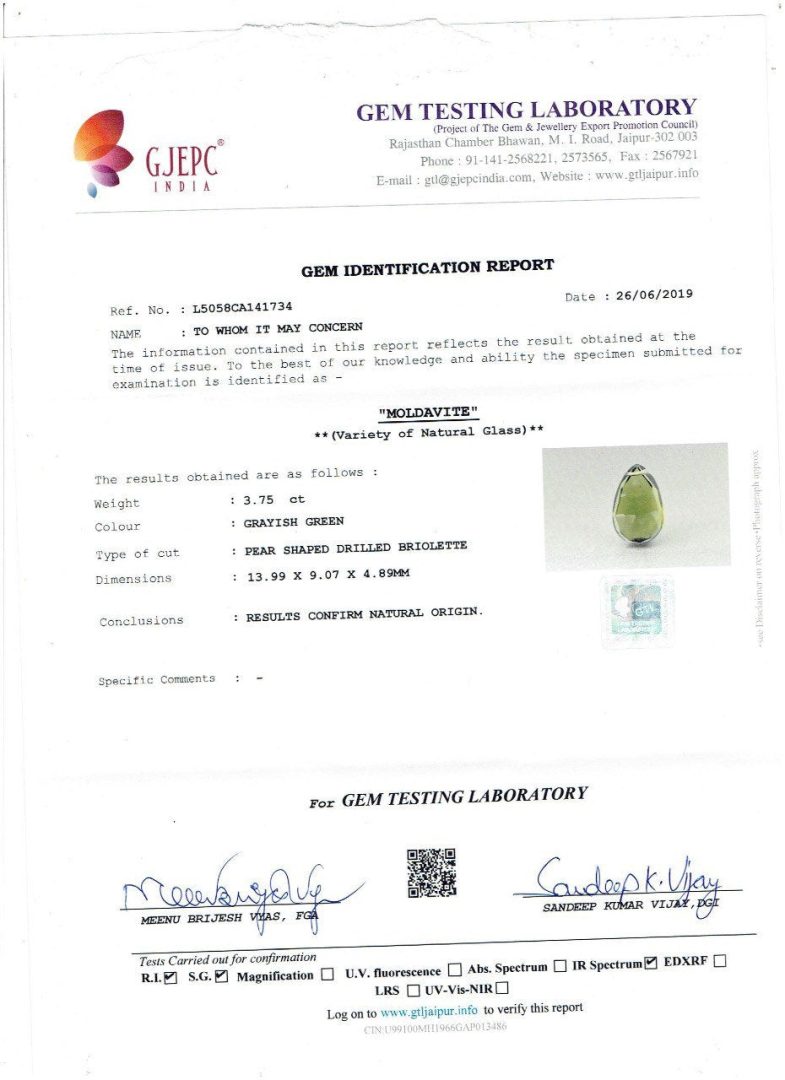
Clarifying Treatment Disclosure: What Buyers Must Know
In the realm of colored gemstones, treatments are widespread to improve visual appeal—heat treatment, beryllium diffusion in rubies and sapphires, or oiling in emeralds. Certification must fully disclose any such enhancements as failure to do so can misrepresent the stone’s value and longevity.
For example, untreated rubies from Burma are significantly more valuable than their heat-treated counterparts. Certification labs like SSEF and Gübelin Gem Lab employ rigorous testing to detect these treatments, providing buyers with confidence in the authenticity of the gemstone’s quality claims.
Understanding these treatment disclosures helps investors navigate the complex colored gemstone market, ensuring that the beauty of the gem matches its certificate’s promise, a necessity for resale, insurance, or collection purposes.