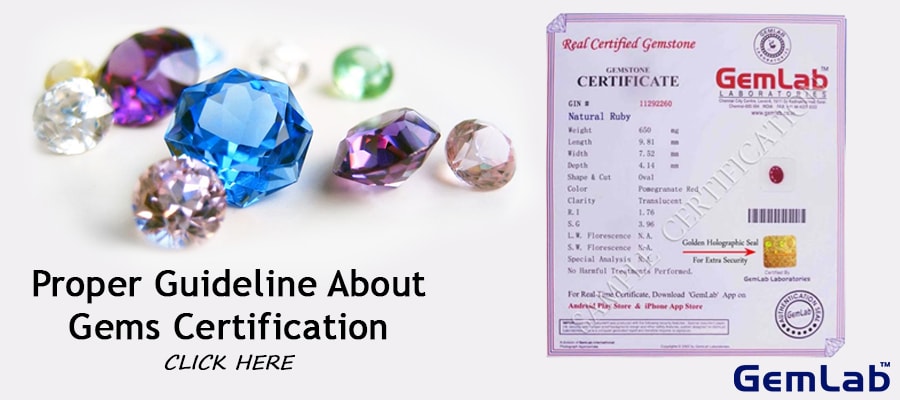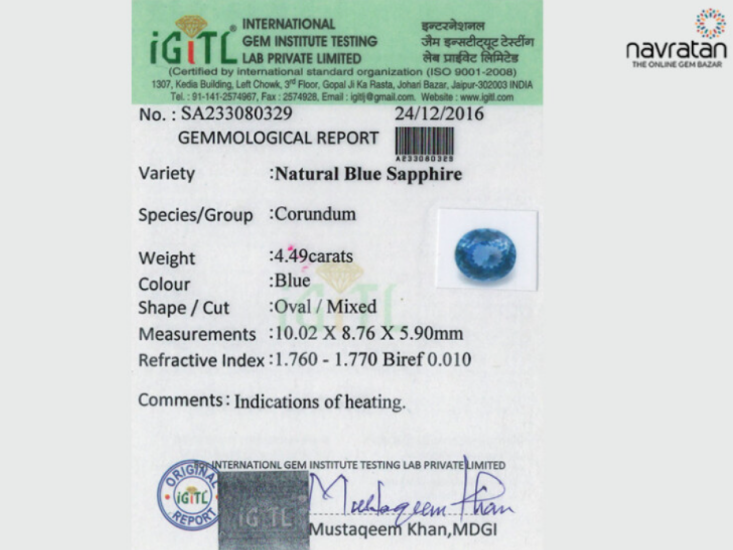
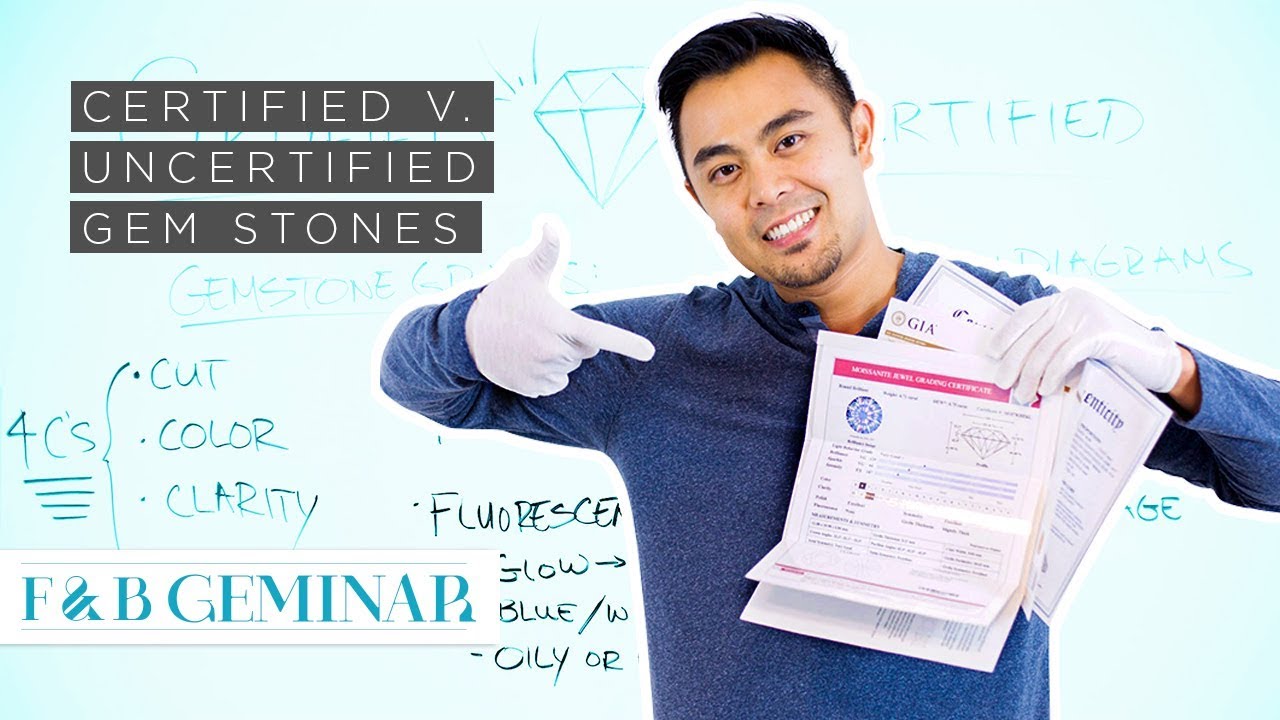
When selecting a gemstone, considerations usually revolve around cut, size, and color. However, the distinction between certified and uncertified gemstones remains a crucial yet often overlooked factor affecting value and trust. Certified gemstones come with a third-party verification from renowned labs such as GIA Certified or IGI, providing detailed reports on quality attributes like cut, clarity, carat, and color. Conversely, uncertified stones lack this official endorsement, which might appeal due to lower prices but comes at the cost of transparency and confirmed quality. As we explore this debate, the essentials of gemstone certification reveal why many buyers prioritize verified stones, while some find uncertified gems worthwhile under specific circumstances.
In brief, certified gemstones offer superior assurance with documented quality, simplifying comparison and resale. They are typically pricier but provide safety against fraud and overpayment. Uncertified stones may attract cost-conscious buyers or collectors seeking unique or borderline gems that certification labs might overlook. The choice to buy uncertified gemstones demands thorough knowledge or trust in the seller. Emerging trends in 2025, amplified by advanced testing technology and a growing secondhand market, influence these purchasing decisions, underscoring the value of informed insight into certification’s role and limitations.
What Makes GIA Certified Gemstones a Trusted Investment?
In the realm of gemstones, a GIA Certified label stands as the gold standard, symbolizing precise evaluation by the Gemological Institute of America. This independent organization uses strict metrics to assess a gemstone’s clarity, color, cut, and carat weight, producing a detailed report that assures buyers of the stone’s authenticity and quality. Such certification prevents inflated claims and helps consumers make an informed purchase, especially important for high-value investments like engagement rings or heirlooms. Industry leaders like James Allen and Blue Nile rely heavily on these certifications, reinforcing their reputations through transparency.

Independent Grading: The Backbone of Certification
Independent grading labs such as GIA, AGS, and IGI act as unbiased arbiters in the gemstone market, preventing conflicts of interest that might arise if sellers graded their own stones. Without this validation, uncertified gemstones rely solely on sellers’ descriptions, which can be subjective or overly optimistic. Certification reports detail inclusions, fluorescence, and facet symmetry, making it easier to compare stones and assess their value objectively. For example, GemSelect and Gemstone Universe specifically highlight certification to build buyer confidence and guarantee quality.
When Can Uncertified Gemstones Be Worth Considering?
While uncertified gemstones present certain risks, they are not inherently devoid of value. Savvy buyers or collectors who deeply understand gemstone grading can sometimes identify high-quality stones offered without certification at a reduced price, representing potential savings. Additionally, uncertified stones may feature unique qualities or origins that standard certification overlooks, such as specific color zones or rarer material compositions. Brands like Leibish & Co. sometimes source these distinctive stones, offering a curated selection where trust and expertise supplement formal reports.
Furthermore, uncertified gemstones can be attractive for smaller, less costly pieces like earrings or pendants, where the expense of certification may not be justified. However, buyers must practice due diligence, seeking independent appraisals or relying on reputable sellers known for integrity. Transparency remains vital despite the absence of a certificate to help avoid pitfalls outlined in common gemstone certification pitfalls.
Risks and Rewards of Forgoing Certification
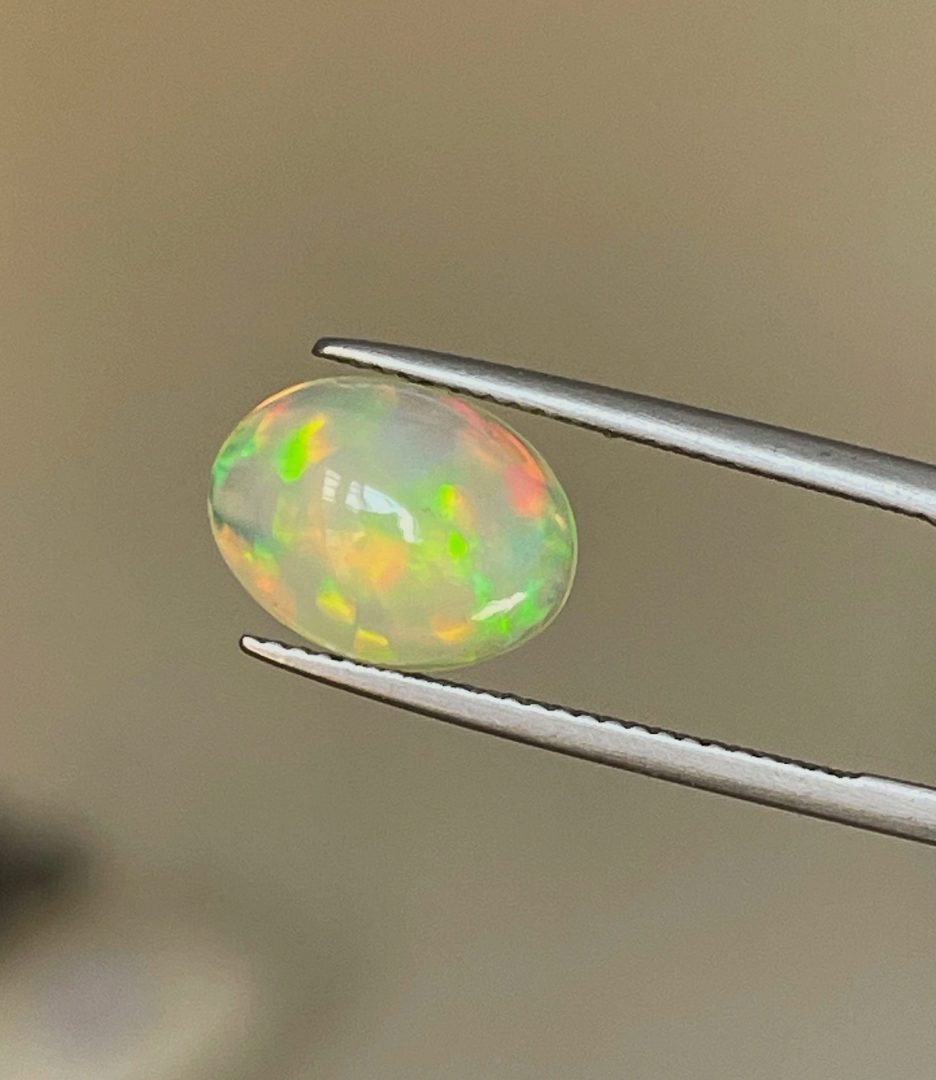
Purchasing uncertified gemstones exposes buyers to risks ranging from misrepresented quality to undisclosed treatments. The gemstone market has encountered scams where synthetic or enhanced stones were passed off as natural, undermining consumer trust. That said, buyers with sufficient expertise or those purchasing from highly reputable vendors like Gemfields or Gemstone King can mitigate these issues. Certification helps document provenance, quality, and treatment history, which becomes increasingly important when reselling or insuring the stone.
Protecting Your Purchase: How to Verify and Compare Certifications
To maximize the advantages of certified gemstones, buyers should actively verify certificates. Authentic certifications from labs such as GIA or AGS include unique report numbers accessible through official websites, confirming the legitimacy of the documentation. Ensuring the gemstone’s physical characteristics match the report’s details, including laser inscriptions if present, is essential. Resources like GemCertify provide valuable guidance on distinguishing genuine certificates from fraudulent ones.
Retailers such as Brilliant Earth emphasize the importance of certification by offering detailed imagery and lab reports alongside each gemstone listing. This practice allows buyers to evaluate how a stone’s visual appeal aligns with its certified quality metrics, bridging the gap between technical grading and aesthetic appreciation.