In the intricate world of gemstones, certification serves as a critical beacon of assurance, confirming a gem’s authenticity, quality, and value. Buyers often tread cautiously, balancing style preferences with budget constraints. However, the certification process, while essential, has its own set of pitfalls that can mislead even the savviest collectors and investors. Understanding these challenges is vital to making informed decisions that protect your investment and enhance the value of your collection.
Gemstone certificates are not created equal. Their reliability hinges largely on the issuing authority, the thoroughness of the examination, and the specificity of information provided. Trusted institutions such as GIA, IGI, AGS, HRD, EGL, SSEF, and Gubelin set industry benchmarks, yet even their reports require a discerning eye. Misinterpretations or overestimations of a gem’s attributes on a certificate can lead to costly mistakes.
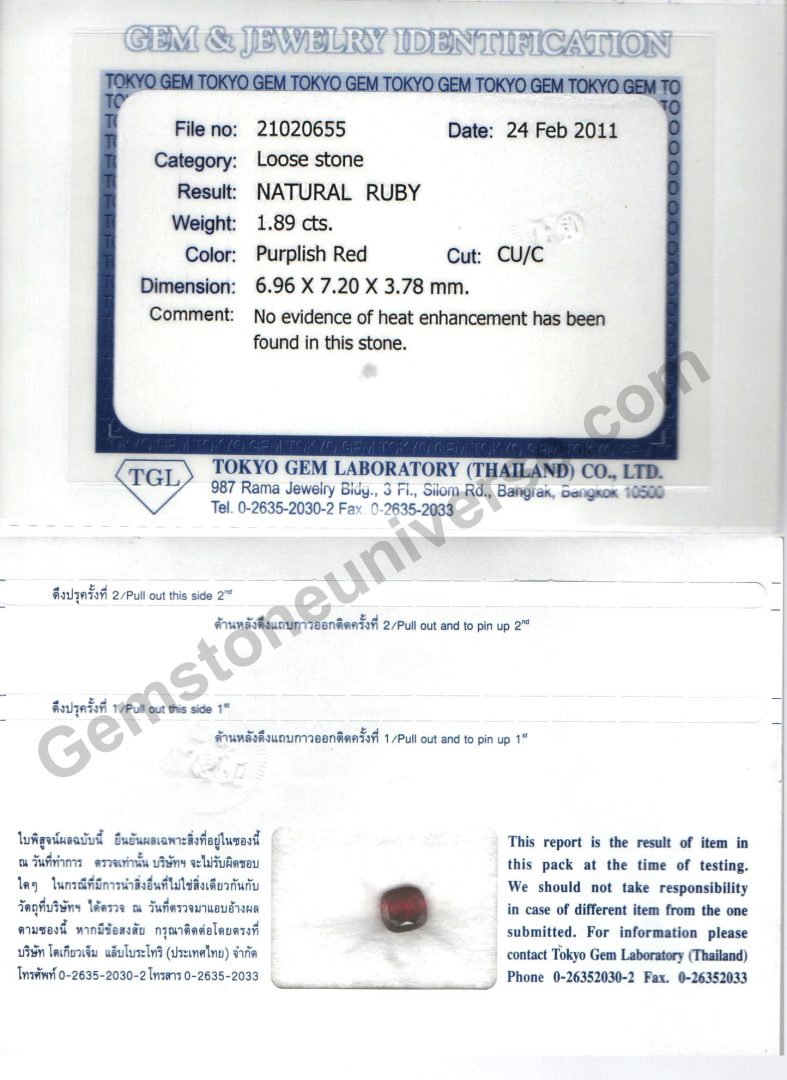
Moreover, the growing market of synthetic and treated stones demands heightened attention. Certifications that fail to clearly disclose enhancements like heating, irradiation, or coating compromise transparency, affecting both a gem’s appearance and market value. This challenge underscores the importance of sourcing certificates that thoroughly detail any treatments and origins, validated by laboratories with strong reputations such as NGTC, GCAL, or PGTL. Recognizing these potential pitfalls can save buyers from significant financial and emotional disappointment.
Understanding the Complexities of Gemstone Certification Reports
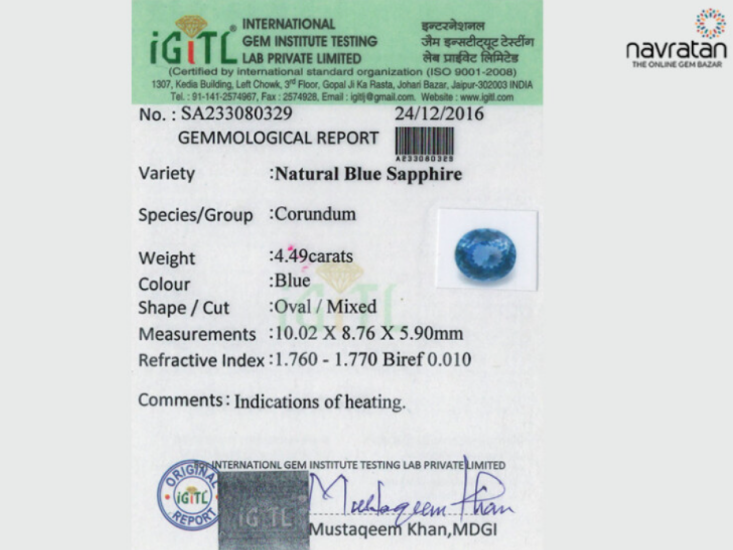
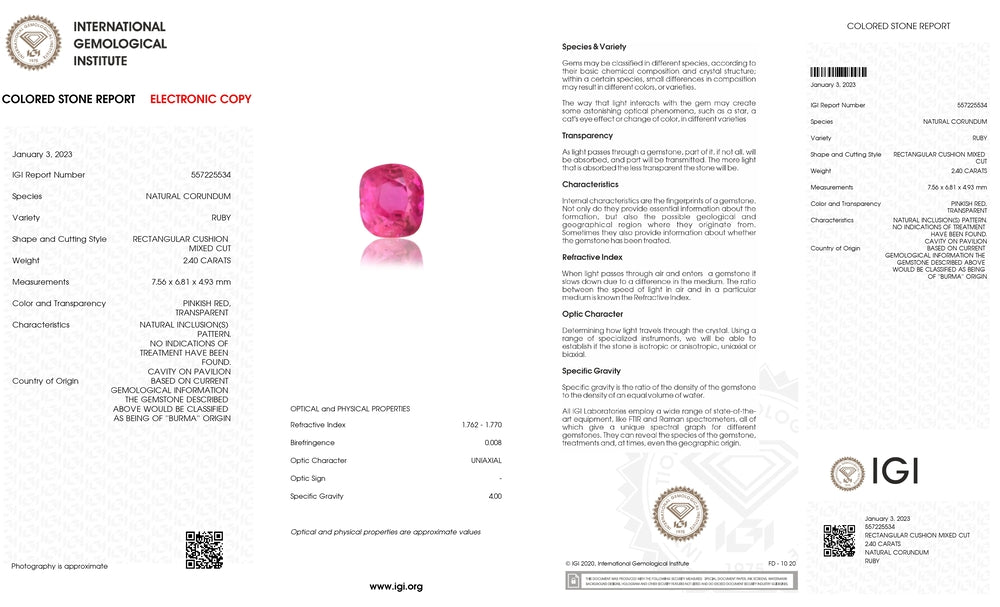
Gemstone certificates function as a comprehensive report detailing a stone’s identity and characteristics—ranging from type and origin to color grade, clarity, cut, and carat weight. Yet, the specifics included can vary significantly among different laboratories. Some emphasize origin certification, while others focus on treatment disclosures or color grading nuances. For instance, a GIA certificate is renowned for its adherence to strict grading standards, while an IGI report might stress consumer education and transparency.
However, even these trusted bodies are not immune to inconsistencies. The grading of clarity and color can differ slightly due to subjective interpretation, making it crucial to compare certificates and understand grading scales deeply. For this reason, prospective buyers should familiarize themselves with resources like the gemstone grading scale to better evaluate the precision of the reports they receive.
Beware of Overvalued or Incomplete Certificates
Many certificates may include an estimated value for the gemstone, which can be misleading. These estimates often do not capture current market fluctuations or the specific nuances of demand. Buyers should treat these values cautiously and rely instead on independent appraisals aligned with up-to-date market data.
Another critical issue lies in certificates provided by retail sellers themselves, which may lack impartiality. To avoid conflicts of interest, it is advisable to seek certification from independent third-party laboratories with no stake in the sale. This practice enhances trust and transparency, thereby safeguarding your investment in precious gems.
Choosing the Right Certification Agency to Avoid Common Pitfalls
The market features a range of well-established gemstone certification agencies, each with unique strengths. The GIA is globally recognized for its rigorous standards, particularly with diamonds and colored gems. The AGS is noted for its ethical standards and detailed evaluations of cut quality, a crucial factor in a gemstone’s brilliance and value. Meanwhile, agencies like HRD and EGL provide comprehensive services within their respective regions.
For colored gemstones, associations like the International Colored Gemstone Association (ICA) lab provide in-depth treatment histories and origin certifications which are key in assessing value and authenticity. Laboratories such as SSEF and Gubelin are prized for their advanced analytical techniques and detailed reports, which cater to professional collectors and investors seeking precision.
Understanding the distinctions between these agencies assists buyers in selecting the certification that best matches their gemstone’s profile and their personal priority, from ethical sourcing to treatment disclosure. More guidance on choosing the right lab and understanding its significance can be found in detailed resources such as gemstone certification guides and insightful buying tips.
Costs and Limitations of Certification to Consider
While obtaining certification is a worthwhile investment, the associated costs vary depending on the gemstone’s value and the level of analysis conducted. Prices often range from $50 to several hundred dollars. High-value stones or those with complex treatment histories typically incur higher fees due to the in-depth scrutiny required.
Additionally, some buyers fall into the trap of assuming that certification eliminates all risk. It’s important to recognize that certifications are snapshots based on current knowledge and technology. They may not reveal certain treatments or synthetic origins if new techniques have yet to be applied. A judicious approach combines certificates with expert appraisals and trusted insurance policies. Services such as gemstone certification insurance provide necessary safeguards to protect your investment against unforeseen circumstances.