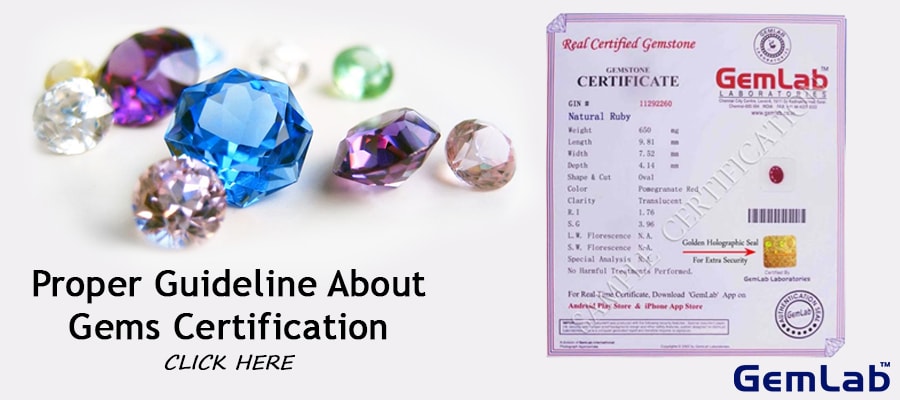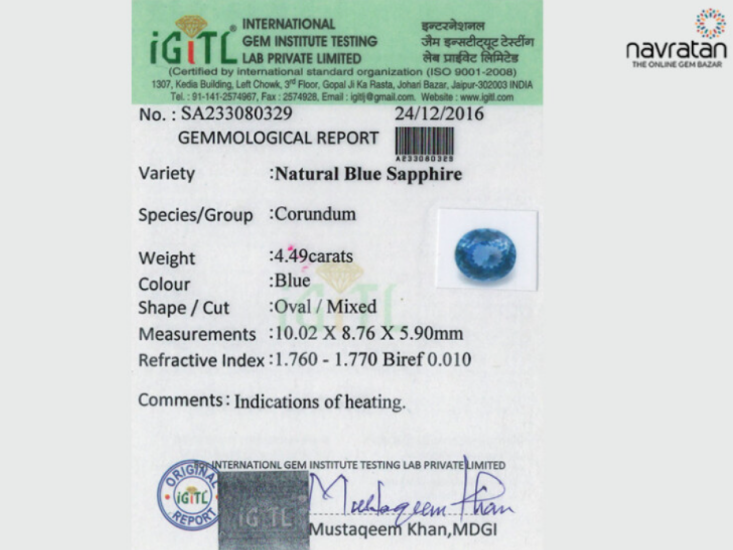
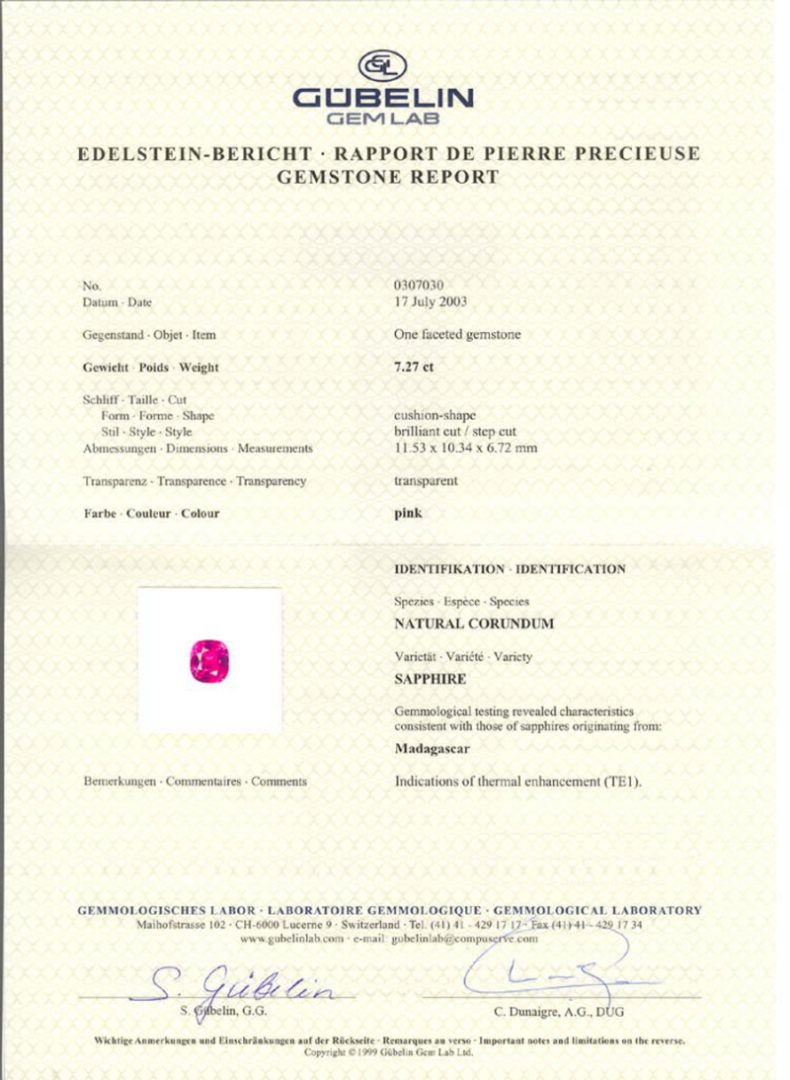
In a market saturated with dazzling gemstones, discerning authenticity and quality is more crucial than ever. Consumers looking to invest wisely in diamonds and other gems rely heavily on gemstone certifications issued by authoritative labs. The Gemological Institute of America (GIA), International Gemological Institute (IGI), and the American Gem Society (AGS) represent the pillars of trust in this industry, each offering unique advantages and grading methodologies. Certification bridges the gap between complexity and clarity, ensuring buyers can navigate the often-confusing technicalities of gemstone evaluation with confidence and insight. These certifications establish a standard that protects consumers from misrepresentation and fraud, underpinning the value and legitimacy of precious stones in an evolving global market.
En bref : The assurance of gemstone certifications lies in their role as objective validators of quality—providing detailed grading on the 4Cs and other characteristics. GIA leads with universally recognized rigor, IGI excels in accessibility especially for lab-grown stones, while AGS specializes in precision cut grading. Certification not only enhances buyer confidence but safeguards investment value, promotes transparency, and supports resale and insurance processes. Awareness of certification agencies and understanding key report features empower consumers to distinguish authentic gems from uncertified or dubious ones, significantly influencing purchasing decisions in 2025 and beyond.
Why Gemstone Certification by GIA, IGI, and AGS Matters in 2025
Choosing a gemstone without an official certification is akin to wandering blindfolded in a labyrinth of sparkle and allure. The value of certifications from established entities like GIA, IGI, and AGS cannot be overstated in 2025, as they provide an independent and scientifically rigorous analysis of a gemstone’s intrinsic qualities. GIA remains the gold standard, renowned for pioneering the 4Cs grading system—cut, color, clarity, and carat weight—which continues to dominate global standards and insurer requirements.
IGI has carved a niche particularly in the burgeoning lab-grown diamond sector, offering approachable, widely available certificates that facilitate customer understanding without sacrificing essential accuracy. Meanwhile, AGS’s innovation in cut grading using a 0–10 scale makes it the preferred choice among consumers and professionals who prioritize optical performance and brilliance. This trio embodies a spectrum of expertise, with other respected labs such as HRD Antwerp, EGL USA, EGL International, GSI, SGL, NGTC, and PGTL contributing regional and specialized certifications that complement the global certification landscape.
Certification as a Tool Against Market Risks
False claims and ambiguous labeling have historically plagued the gemstone industry. Today’s market, vibrant yet complex, demands transparency. Only robust certification can confirm whether a diamond is natural or lab-grown, clarify treatment disclosures, and establish provenance—issues critical for consumer trust and protecting market integrity. Without certification, buyers face significant risks, including overpayment, acquisition of synthetic or treated stones passed off as natural, or legal complications during resale or insurance claims.
Datasheets verifying authenticity from authoritative sources support buyer empowerment and encourage responsible sourcing, which aligns with ethical consumerism trends gaining momentum globally.
Decoding the Most Trusted Certification Reports: GIA, IGI, and AGS
Each certification report features common grading elements such as carat weight, color, clarity, fluorescence, and cut—but differences in methodology and emphasis influence interpretation and trust. The GIA report is detailed, strictly graded, and universally accepted for natural diamonds. It includes a comprehensive plot diagram mapping inclusions and blemishes, ensuring traceability with a unique report number laser-inscribed onto the diamond’s girdle.
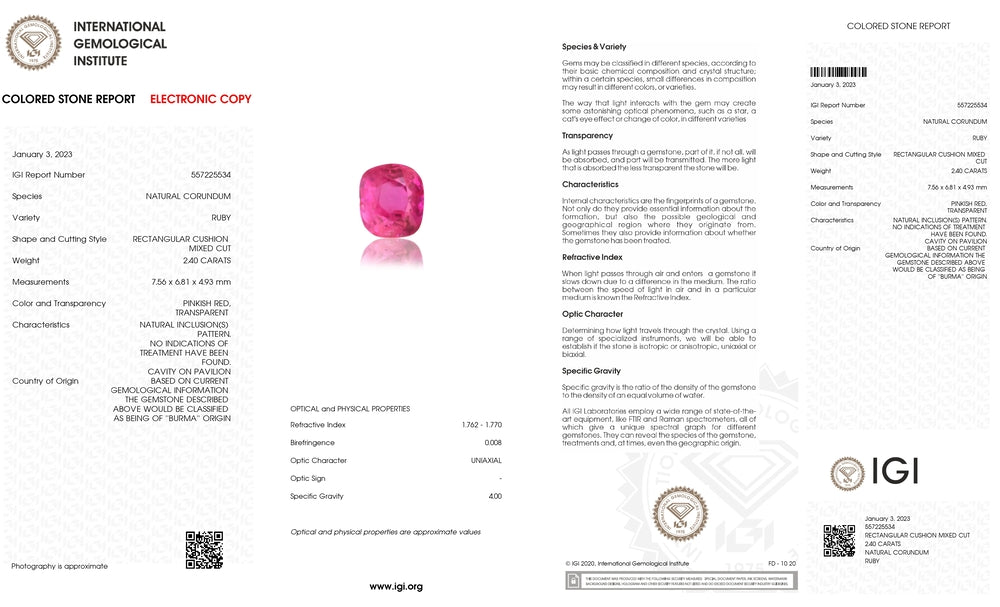
The IGI certificates are valued for clarity in labeling lab-grown stones and practical turnaround times, making them a popular choice for contemporary consumers prioritizing budget and quick certification. Though sometimes critiqued for a more lenient grading scale, IGI maintains strong market presence, particularly in international and mass-market distribution channels.
AGS grading excels in cut quality assessment, boasting a precision 0 to 10 scale that reflects light performance rather than purely aesthetic measures. Their reports suit buyers with refined tastes focusing on a gem’s brilliance and fire, and though merged with GIA’s services, AGS still offers valuable, specialized evaluation tools.

Understanding the Technical Language of Certification Reports
Consumers often encounter terms like polish, symmetry, fluorescence, and proportions, which can seem daunting. Polish and symmetry refer to the quality of the craftsmanship affecting the gem’s final light reflection. Fluorescence indicates the stone’s reaction to ultraviolet light, sometimes altering perceived color and value. Accurate proportion measurements govern how light interacts within the gem, influencing brilliance. Recognizing these terms is critical for interpreting certificates effectively.
For a practical grasp on how these certifications impact consumer decisions and gemstone value, resources like this comprehensive gemstone certification guide offer invaluable insights into choosing the right report for your purchase.
Choosing the Right Certification: What to Prioritize
When selecting gemstone certification, consider the source’s reputation, the gemstone type (natural or lab-grown), and your priorities—be it cut quality, authentication rigor, or processing speed. For natural diamonds, GIA certificates carry unmatched authority and facilitate resale and insurance. Lab-grown diamonds benefit from IGI’s specialized labeling and accessibility.
AGS remains a frontrunner for buyers who reward supreme cut and visual performance. Beyond these, the marketplace includes other reputable bodies such as the gemstone certification agencies directory covering HRD Antwerp and others, who provide alternative certifications that might suit different buying contexts, especially in Europe and Asia.
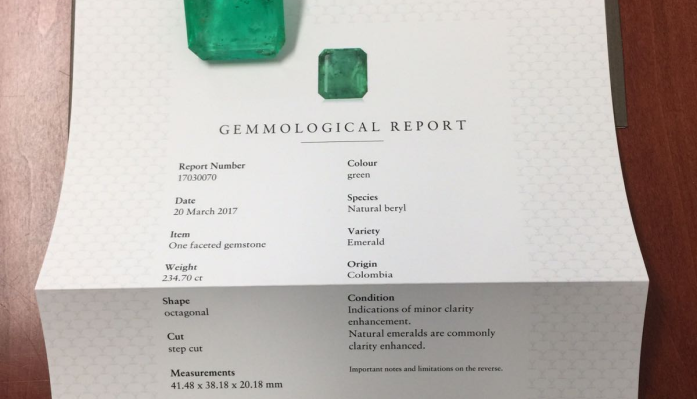
However, buyers must beware of uncertified stones, dubious “in-house certification,” or documents masquerading as official reports. Accessing trustworthy certification not only strengthens purchase confidence but also preserves the gemstone’s value over time, as elaborated in analysis of certified versus uncertified gemstones.
Red Flags and Smart Buyer Checks
Key warnings include missing lab endorsements, unclear origin labeling, unexplained treatments, and prices that seem unrealistically low relative to documented quality. Buyers should always confirm the certificate number matches the laser inscription on the gem and verify lab authenticity. Such vigilance avoids counterfeit reports and ensures a genuine purchase.
Education remains the customer’s best asset; leveraging expert analysis and reputable certification is indispensable for navigating today’s dynamic gemstone markets.