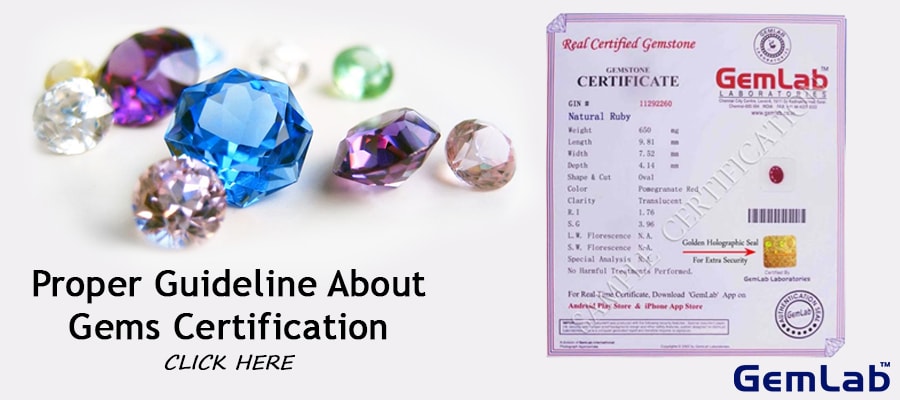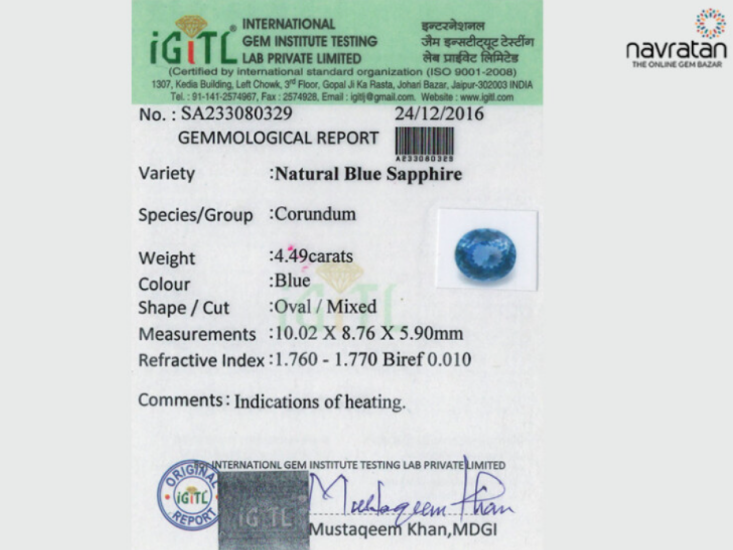
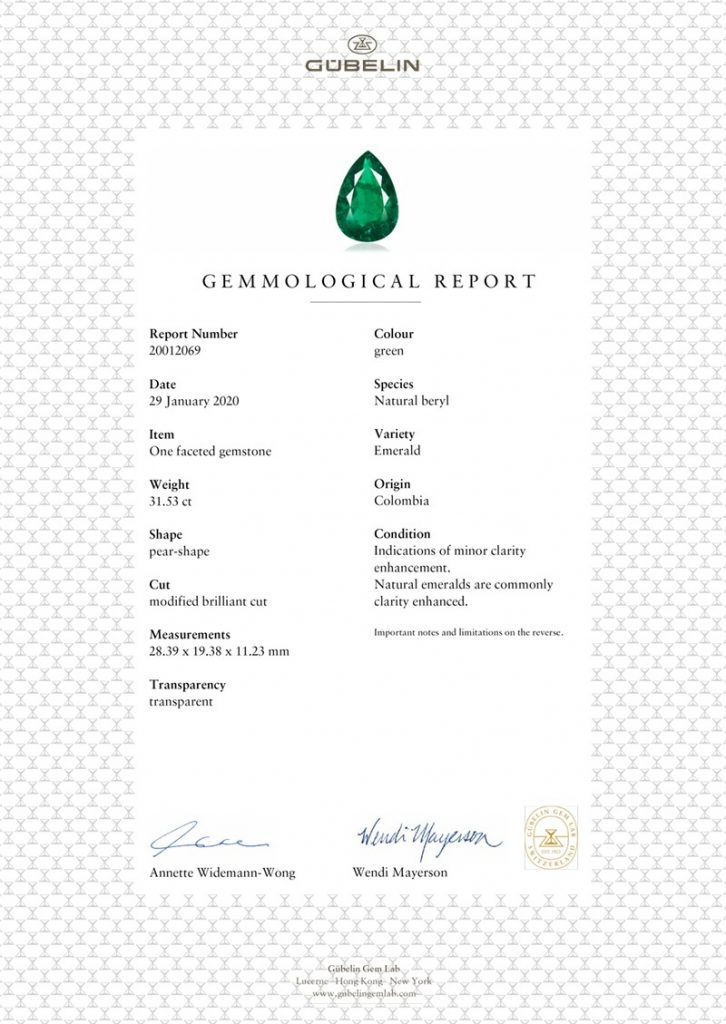
In the meticulous world of gemstones, a certification report stands as the ultimate testament to a gem’s authenticity, quality, and value. As jewelers, collectors, and buyers navigate the vast and intricate gemstone market of 2025, the demand for trustworthy, detailed certification has never been more paramount. These certificates, issued primarily by independent and accredited gemological laboratories such as GIA, IGI, AGS, and HRD Antwerp, provide a scientific foundation to verify gemstone properties, distinguishing true treasures from mere imitations or misrepresented stones.
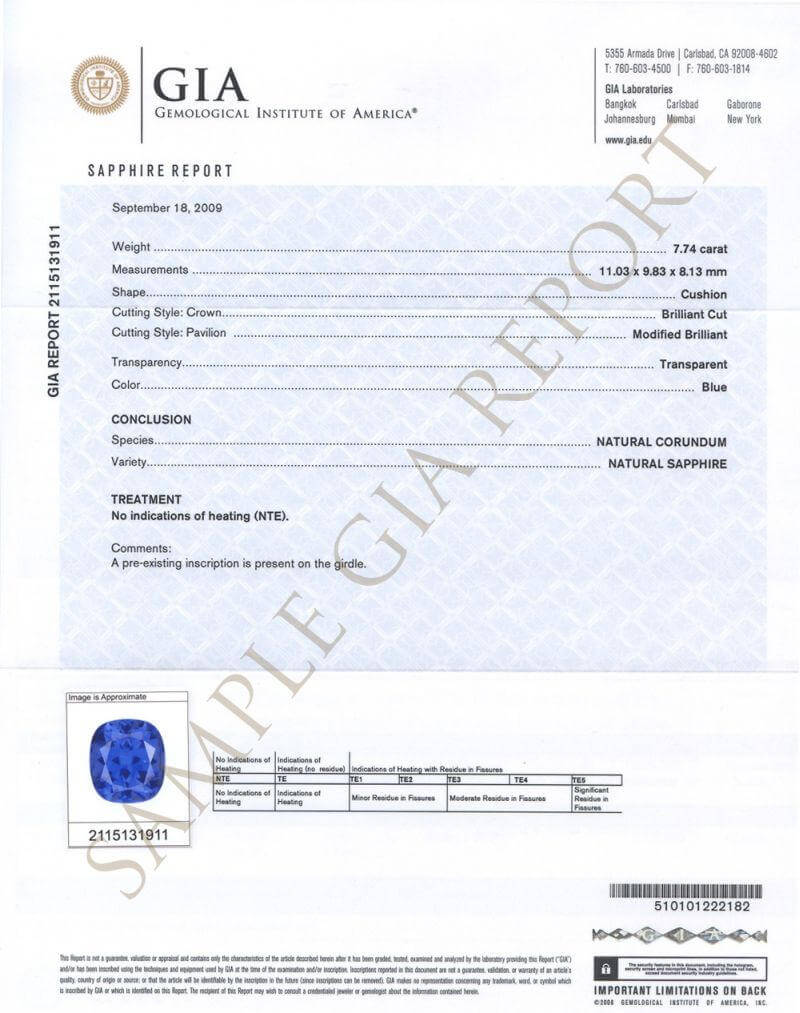
Gemstone certification transcends basic identification; it encompasses a thorough analysis of multiple facets of a gemstone, including its type, origin, color grade, clarity, and any enhancement treatments it may have undergone. This rigorous evaluation process involves state-of-the-art tools like microscopes, refractometers, and spectroscopes, operated by skilled gemologists who document the unique attributes of each piece. Such comprehensive reporting empowers buyers with confidence and safeguards investments against market ambiguities.
Despite the abundance of certificates offered by various dealers, the credibility of these documents varies widely. Reports from renowned labs such as GIA, IGI, and AGS carry substantial weight in the resale market and provide valuable insurance and appraisal backing. Conversely, certificates from less recognized sources often lack the robustness and can significantly impact a gemstone’s market value. Ultimately, a gemstone certificate is not just a piece of paper; it is the gateway to transparency, trust, and informed decision-making within the gemstone industry.
What essential details define a reliable gemstone certification report?
A gemstone certification report is distinguished by the breadth and precision of the information it contains. Core elements consistently found in reputable certificates include:
Identification of gemstone type, confirming whether the stone is a ruby, sapphire, emerald, diamond, or another variety. This prevents buyers from mistakenly paying premium prices for incorrect classifications.
Origin and inclusions are often analyzed to reveal the geographic source of the gem, which can influence rarity and value. Laboratories such as SSEF and Gübelin specialize in origin determination, lending an extra layer of authenticity.
Color grading offers an objective evaluation based on standardized scales — for diamonds, the familiar D to Z range indicates colorlessness, whereas for colored stones, descriptors like « fancy intense yellow » capture their unique hues and saturation levels. The AGS and GIA are leaders in delivering these color gradations with scientific accuracy.
Clarity grading assesses internal and external inclusions. Rated from flawless (FL) to included (I), clarity impacts a gemstone’s brilliance and price. Labs like NGTC and DSEF bring precision and transparency to this grading segment.
Cut and shape report on how expertly the gemstone has been fashioned, a crucial factor impacting its visual appeal and light performance. The quality of polish, symmetry, and fluorescence are quantified, further enriching the appraisal scope.
Treatments and enhancements are meticulously disclosed to ensure the buyer is aware of any artificial modifications, such as heating, irradiation, or coating, which may affect durability and value. The EGL USA and BGL Laboratory are noted for thorough treatment analysis and certification disclosures.
Additionally, certificates often include precise measurements, carat weight, and schematic diagrams outlining inclusions for stones over one carat, providing a complete technical portrait of the gem.
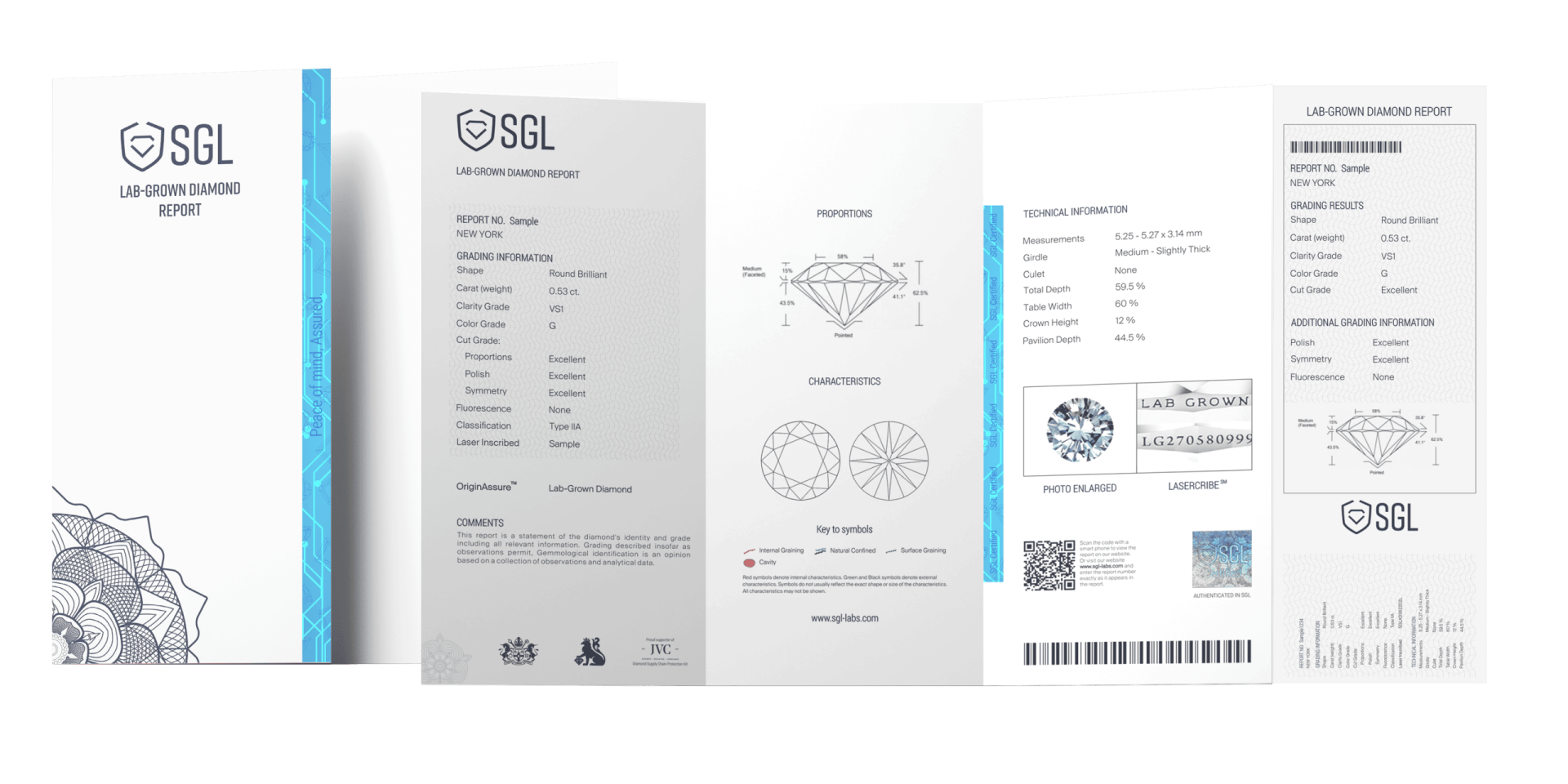
Why does certification impact gemstone valuation and marketability?
In the competitive landscape of luxury gems, a certified gemstone commands trust that non-certified ones simply cannot match. This trust translates directly into marketability and financial value, particularly when reselling or insuring the gem. For instance, diamonds certified by GIA or HRD Antwerp often retain or appreciate in value due to the laboratory’s global reputation and rigorous standards.
The association of a laser-inscribed certification number on a diamond’s girdle has replaced outdated packaging methods, forging an indelible connection between the gemstone and its authenticity record. Buyers can verify certificates instantly online via trusted portals to avoid counterfeit documentation.
Moreover, clear disclosure of enhancements prevents unexpected surprises and builds long-term buyer confidence, essential in sustaining demand and fair pricing.
How do leading gemstone laboratories differ in their certification approaches?
While all reputable labs share foundational grading criteria, some emphasize particular specialties that distinguish them in the jewelry trade. The GIA is unparalleled in diamond grading, setting the global standard with the Four Cs system and producing exhaustive reports recognized worldwide. Additionally, the IGI is notable for its widespread accessibility and detailed grading for both diamonds and colored gemstones.
The AGS laboratory is acclaimed for its stringent ethical policies and precise cut quality assessments, vital for collectors prioritizing brilliance and sparkle. In Europe, HRD Antwerp provides highly reliable reports especially favored in the international diamond markets. Meanwhile, specialized labs like SSEF and Gübelin excel in origin certification and treatments, crucial for rare colored gemstones.
Each lab’s methodology and grading philosophy impact valuation and market acceptance, underscoring the importance of choosing credible certification sources when acquiring fine jewelry.
What should consumers know about the cost and authenticity of gemstone certification?
Obtaining a gemstone certificate can vary significantly in price, typically ranging from $50 to several hundred dollars depending on the gemstone’s quality and the depth of analysis required. More comprehensive labs that offer detailed treatment histories or origin reports naturally command higher fees.
Consumers should be vigilant to distinguish between certificates issued by independent labs versus those created by dealers, which may lack impartiality and fail to contribute to authentic valuation. Tools to verify certificates exist, such as online checks through the certifying body’s website, enabling immediate confirmation of authenticity— an indispensable step in today’s reactive market.
Alongside certification, securing personal jewelry insurance, like those offered by Jewelers Mutual, complements a thorough purchasing strategy by protecting investments against theft, loss, or damage.