Gemstones have long fascinated humanity, embodying beauty, rarity, and a rich history that enhances their allure. As the market in 2025 becomes increasingly saturated with synthetic and imitation gems, the ability to authenticate these precious stones has never been more critical. Whether you are a collector, jeweler, or astrology enthusiast, distinguishing genuine gems from fakes protects your investment and deepens your appreciation of these natural wonders.
Understanding the nuances of gemstone identification is essential, not just for financial reasons but also for ethical and cultural considerations. Authentic stones carry stories embedded in their formation, linked to their geological origins and unique properties. This guide aims to equip beginners with reliable techniques and knowledge needed to navigate the complex world of gemstone authentication effectively.
In brief:
- Authenticity Ensures Value: Genuine gemstones hold significant monetary and sentimental worth.
- Advanced Testing Methods: From visual inspection to sophisticated laboratory analyses, diverse techniques are available.
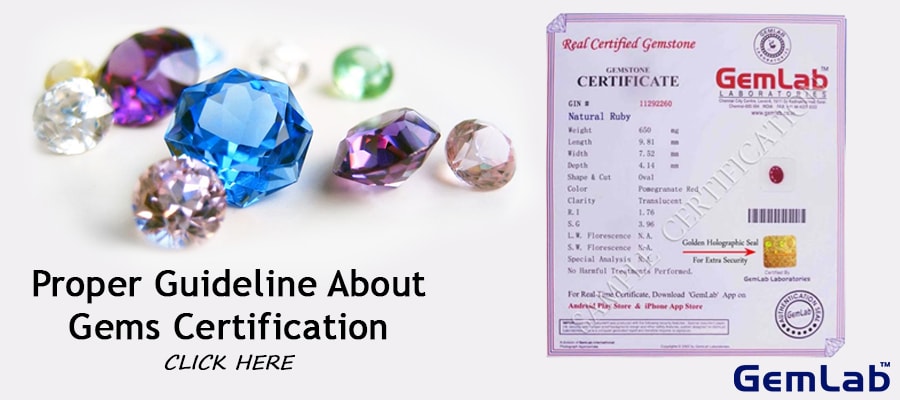
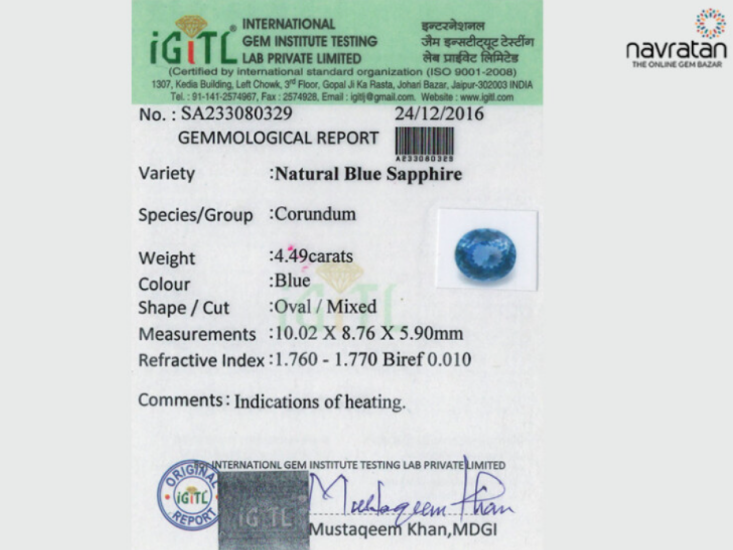
- Certification is Key: Recognized labs like GIA, IGI, and SSEF provide trusted authentication certificates.
- Seller Transparency: Selecting reputable vendors who openly disclose gem treatments and provide certifications minimizes risk.
- Ethical and Astrological Relevance: Identification ensures support for ethical sourcing and guarantees astrological efficacy.
Why gemstone authentication remains crucial for buyers in 2025
Gemstones represent more than mere ornamental value—they reflect a convergence of art, natural history, and scientific intrigue. As demand surges, so does the presence of synthetics and treated stones, which can easily mislead buyers unaware of subtle distinguishing factors. Authenticity directly impacts the financial value; for instance, unverified gems often sell at a fraction of natural stones certified by authoritative bodies such as the GIA or Gem-A.
Moreover, ethical concerns elevate the importance of verification. Conflict diamonds and improperly sourced sapphires have prompted greater demand for transparent certification and traceability. Buyers investing in gemstones for their purported metaphysical benefits, such as in Vedic astrology, must ensure that the stones are untreated and natural to preserve their intended energetic impact. The complex market dynamics in 2025 necessitate a comprehensive approach to gemstone authentication, blending traditional expertise with modern technology.
Fundamental visual and physical methods for authenticating gemstones
At the entry level, simple observational techniques provide valuable clues. Color is a primary identifier; genuine gemstones often display subtle shifts under varying lighting conditions. For example, natural emeralds can show slight tonal variations, unlike uniform hues seen in synthetic counterparts. Evaluating the gem’s luster—ranging from vitreous to adamantine—adds another layer of differentiation.
Hardness, as measured by the Mohs scale, offers a robust test: authentic diamonds rate a 10, resisting scratches from all other materials. Additionally, assessing specific gravity reveals density differences between similar-looking stones. These hands-on techniques, combined with inspection for unique optical phenomena like asterism and chatoyancy, empower beginners to make preliminary assessments before pursuing advanced evaluations.
Advanced gemstone testing: Leveraging technology and laboratory expertise
While initial checks are helpful, precise authentication demands more sophisticated methods. Gemological microscopes allow experts to detect internal inclusions characteristic of natural formation, such as mineral inclusions or growth lines, rather than curved growth features typical in synthetic stones. Spectroscopy further distinguishes gems by analyzing distinctive absorption patterns linked to their mineral composition, revealing treatments or enhancements invisible to the naked eye.
Ultraviolet fluorescence testing emerges as a rapid identification technique, with natural diamonds often emitting blue fluorescence under UV light, contrasting with other treatments or synthetics. Infrared spectroscopy (FTIR) examines molecular vibrations to detect treatment residues like crack fillers, critical for accurate grading. X-ray diffraction (XRD) and Energy Dispersive X-ray Fluorescence (EDXRF) offer elemental and crystalline structure analyses, confirming gem authenticity with remarkable accuracy.
Understanding the importance of official certification and trusted labs
The ultimate assurance in gemstone authentication comes from certificates issued by renowned laboratories such as the Gübelin Gem Lab, HRD Antwerp, and AGS Laboratories. These institutions apply comprehensive testing protocols to confirm whether stones are natural or treated and sometimes disclose their geographical origin.
For beginners and seasoned buyers alike, demanding such certification is essential. Trusted certificates enhance resale value and safeguard against counterfeit sales. By consulting resources like guides on spotting fake certificates, one can further ensure the integrity of gem purchases, particularly in an era where counterfeit documentation is increasingly sophisticated.
Choosing reputable sellers and ensuring ethical sourcing
Authentication begins with where and how you buy gemstones. Reputable sellers prioritize transparency, offering documented evidence from recognized labs and openly disclosing any treatments applied to gems. They typically uphold clear return policies, building consumer trust through positive reviews and a solid reputation. Websites and marketplaces specializing in certified stones, such as those endorsed by the American Gem Society and IGI, provide safer avenues for buyers.
Furthermore, ethical sourcing cannot be overstated. Verifying that a gemstone does not perpetuate conflict or environmental harm reflects responsible consumerism. Initiatives by labs and trade organizations actively promote ethical mining and transparency, aligning with the values of conscientious buyers in the modern gemstone market.
Gemstone authentication’s critical role in astrological and healing applications
In astrological practices, the authenticity of gemstones significantly impacts their intended effects. According to Vedic astrology, stones like Blue Sapphire (Neelam) or Ruby (Manik) must be entirely natural, untreated, and worn in direct skin contact to channel planetary energies effectively. Fraudulent or treated stones lack these virtues, possibly nullifying therapeutic benefits and spiritual alignment.
Therefore, acquiring a verified certificate from recognized laboratories is indispensable when purchasing gems for metaphysical purposes. This not only confirms authenticity but also ensures that the stone’s energy remains true to tradition, preserving its revered astrological potency.