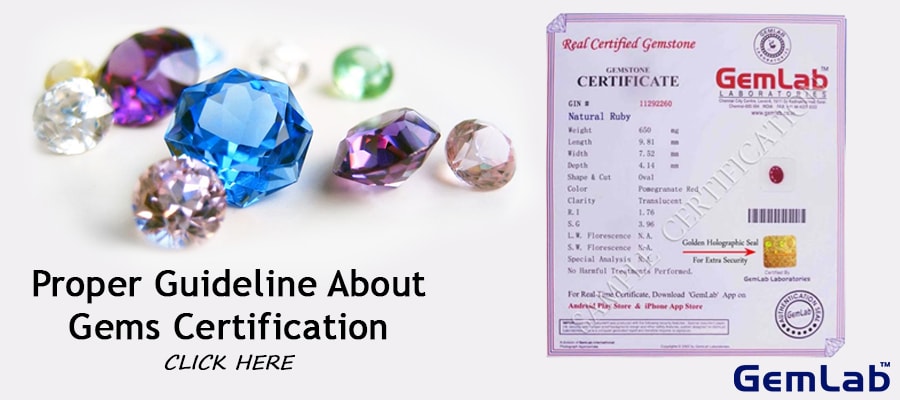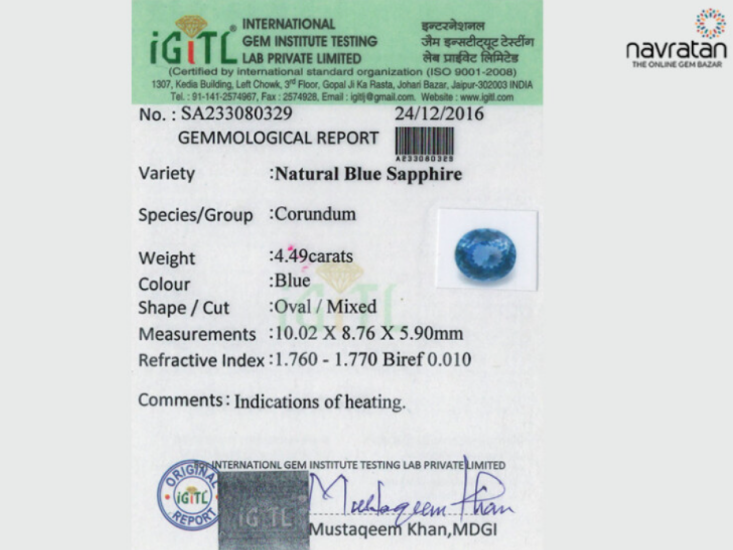
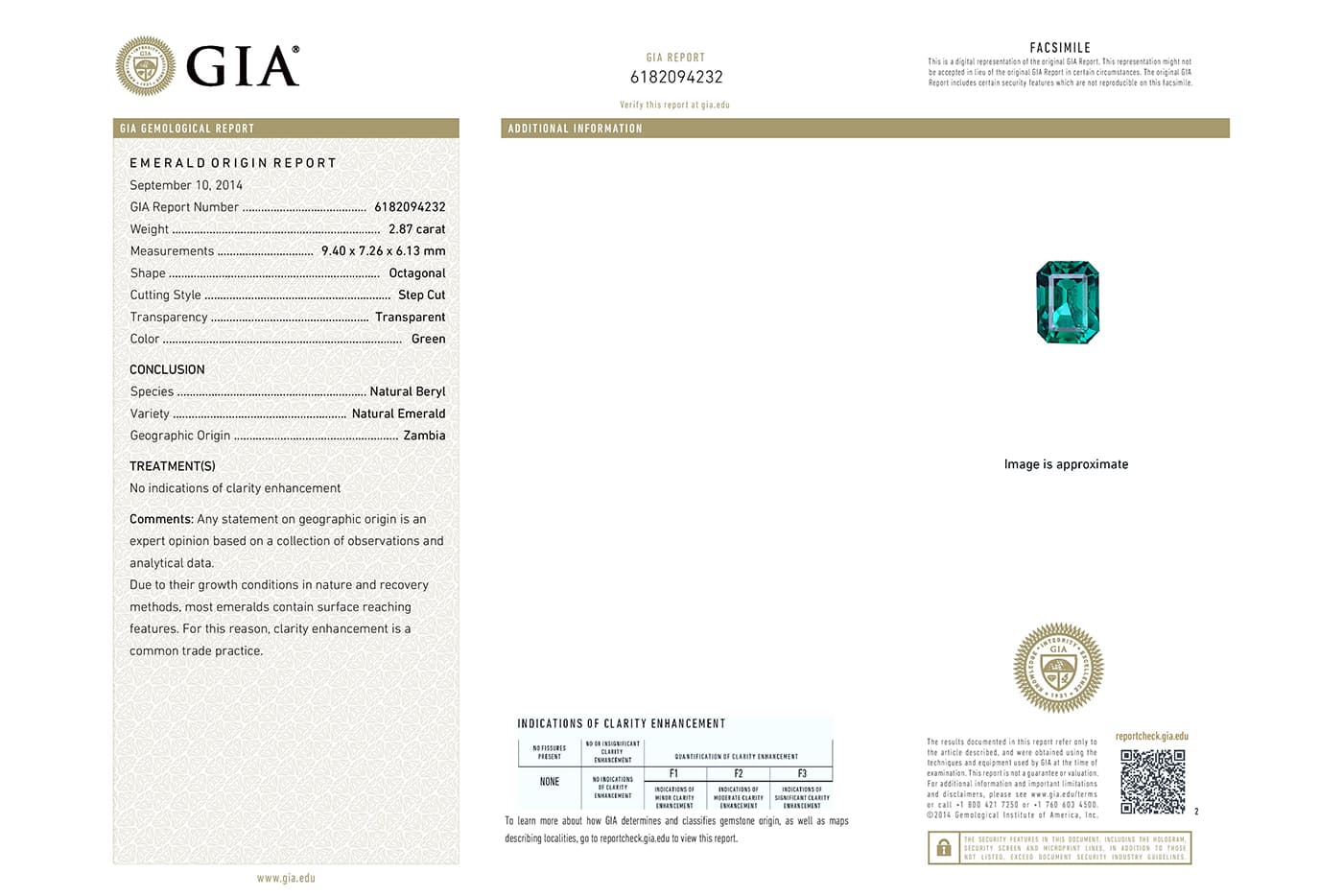
In today’s gemstone market, the significance of a gemstone certificate transcends the simple transaction of buying or selling precious stones. With the industry experiencing heightened scrutiny due to counterfeit and treated gems, reliable certification acts as a beacon of trust and transparency. Whether it’s a seasoned collector, a jeweler, or a first-time buyer, the gemstone certificate ensures that every sparkle is genuine and accurately represented. From the highest-end auctions at Sotheby’s and Christie’s to everyday jewelry retailers online like Blue Nile and James Allen, certification has become an indispensable part of the marketplace by guaranteeing authenticity, quality, and value.
En bref :
- Gemstone certificates provide an objective assessment of a gem’s authenticity, quality, and treatments.
- Both buyers and sellers benefit from certification with increased trust, legal protection, and enhanced market value.
- Certification from renowned labs like GIA, IGI, and HRD Antwerp ensures credibility.
- Authentication and detailed grading reduce fraud risks and facilitate investment security for collectors and retailers alike.
- Gemstone certificates establish a common language in the complex world of gems, crucial for transparent transactions.
Understanding the Importance of Gemstone Certificates for Buyers
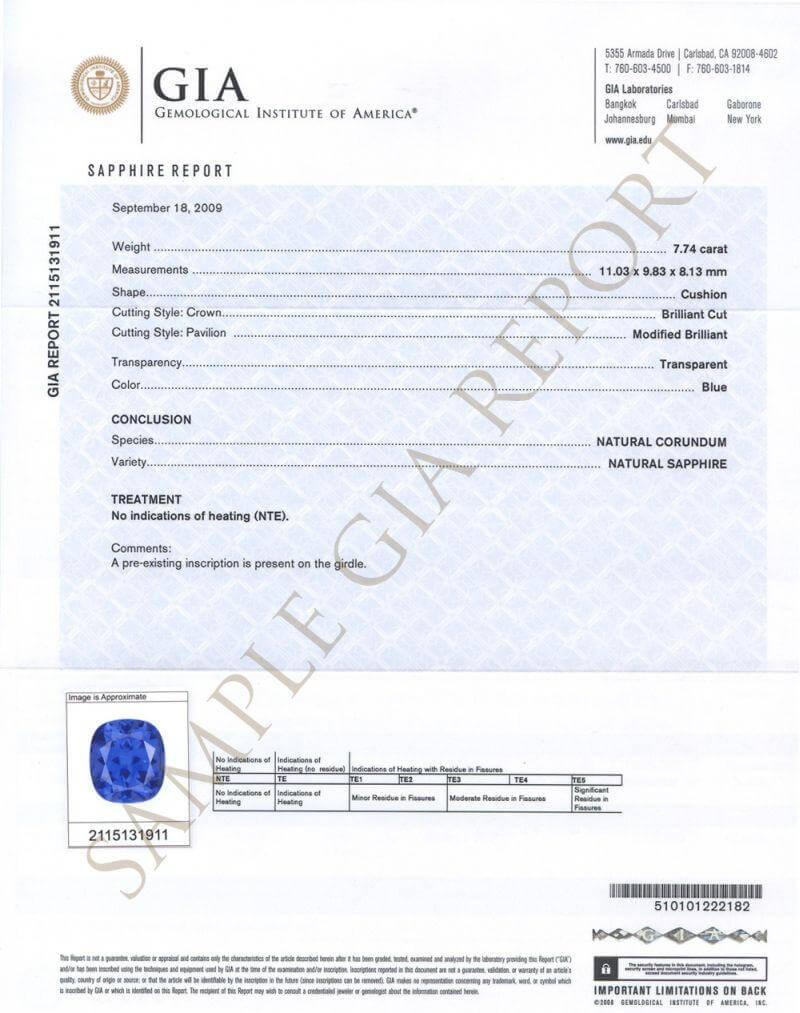
For buyers, acquiring a gemstone without a certificate is akin to purchasing art without provenance. The certificate acts as an official document, detailing critical factors such as carat weight, color, clarity, cut, and any treatments the stone may have undergone. Trusted labs like GIA, IGI, and HRD Antwerp provide comprehensive grading reports that reassure buyers about the gem’s origin and authenticity. This mitigates the risks associated with synthetic or enhanced stones, which can otherwise deceive even experienced buyers. Platforms such as Blue Nile and James Allen emphasize certified gems precisely because their customers demand guaranteed quality. Moreover, buyers can confidently insure, resell, or pass down certified stones, securing their investment for the future.
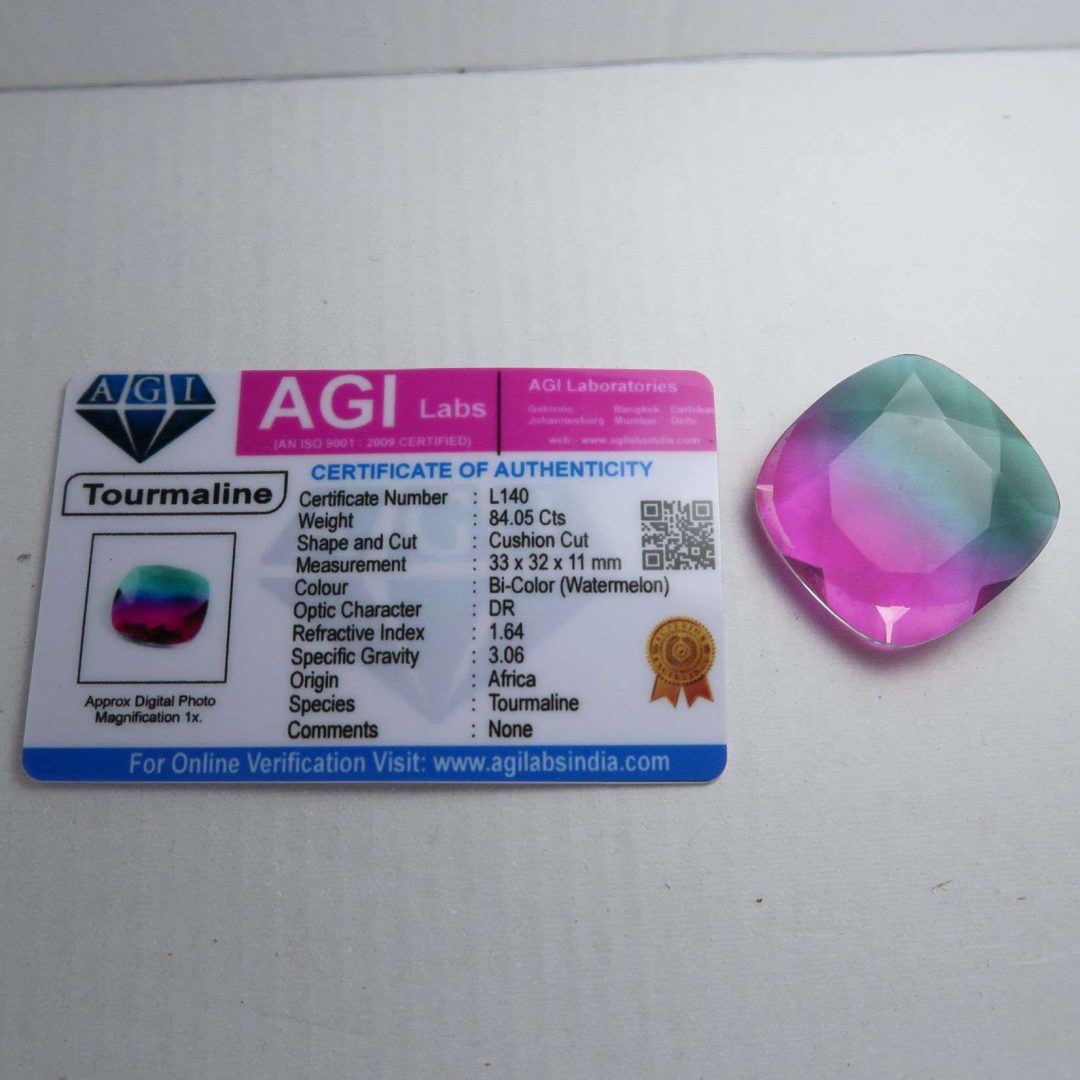
How Certification Empowers Informed Purchasing Decisions
Certification doesn’t just confirm that a gem is real—it reveals its unique qualities through objective data. For instance, the GIA’s diamond grading scale from D to Z for color enables buyers to compare stones systematically. In 2025, consumer awareness about treatments like heat enhancement or fracture filling has raised the demand for transparent disclosure, which certificates guarantee. Without this documentation, buyers rely on the seller’s claims alone, which increases exposure to fraud. Knowledgeable consumers today check for certification first and ask questions later, a trend pushing retailers to uphold rigorous standards to stay competitive and credible.
Why Sellers Benefit from Providing Gemstone Certification
On the selling side, certification serves as a valuable marketing tool and a shield against disputes. Vendors lining up for prestigious auctions at Sotheby’s and Christie’s routinely present certificates from reputed labs to verify the rarity and originality of gemstones. This endorsement enhances their reputation, builds consumer trust, and allows them to command premium prices. Moreover, certified stones experience fewer returns and accusations of misrepresentation, streamlining the sales process. By associating their merchandise with respected certification bodies, sellers distinguish themselves in a crowded market and create lasting customer relationships based on transparency.
Certification and Market Differentiation for Sellers
Economic realities in 2025 show that a seller with certified gems can effectively differentiate their brand. Gems without certificates often face undervaluation due to buyer skepticism. Even mid-tier jewelers now incorporate certification services to reassure clients and enhance resale value, as per insights shared on certified gemstone investment guides. The trend reflects an industry-wide move towards integrity and accountability, essential in a world where counterfeit and synthetics are more sophisticated than ever. This transparency aligns with ethical expectations increasingly emphasized by consumers, adding another layer to the seller’s responsibility.
The Dual Role of Certification in Mitigating Risks and Building Confidence
Ultimately, gemstone certification serves both buyers and sellers by establishing a mutual foundation of trust. It prevents costly misunderstandings and legal disputes, serving as a legally recognized document during disagreements about authenticity or quality. Reputable laboratories like the Gem Certification & Assurance Lab (GCAL) and Rapaport provide not only detailed grading but also verification services, which buyers and sellers can use to confirm a certificate’s legitimacy online. This evolving landscape encourages accountability and protects all parties in a gemstone transaction.
In a marketplace where billions of dollars circulate annually through platforms and auctions alike, certification is more than a formality—it’s an essential safeguard ensuring that every gemstone’s story is true and documented. Whether you are a buyer aiming for peace of mind or a seller seeking credibility and premium pricing, gemstone certification remains the cornerstone of trustworthy trade.
Addressing Common Misconceptions about Gemstone Certification
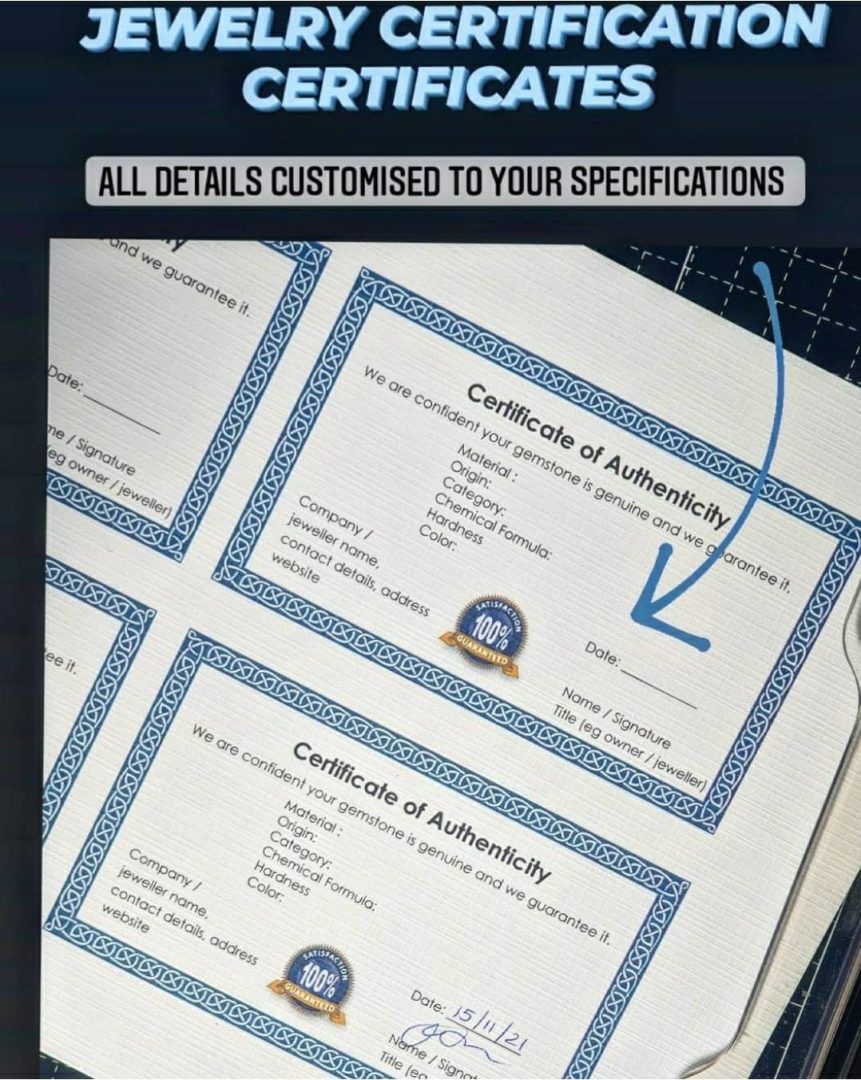
A significant myth is that certification automatically increases a gemstone’s value. While certification provides the necessary data to assess value, the market demand ultimately determines the price. Additionally, some believe only expensive stones require certification; however, even lower-value gems benefit by gaining credibility and enabling secure resale. Lastly, certification is sometimes viewed as a one-time event, but circumstances such as treatments or damage can affect gem status. Periodic re-certification helps maintain accurate valuation and assurance for both collectors and sellers — an evolving best practice echoed in modern certification guides.