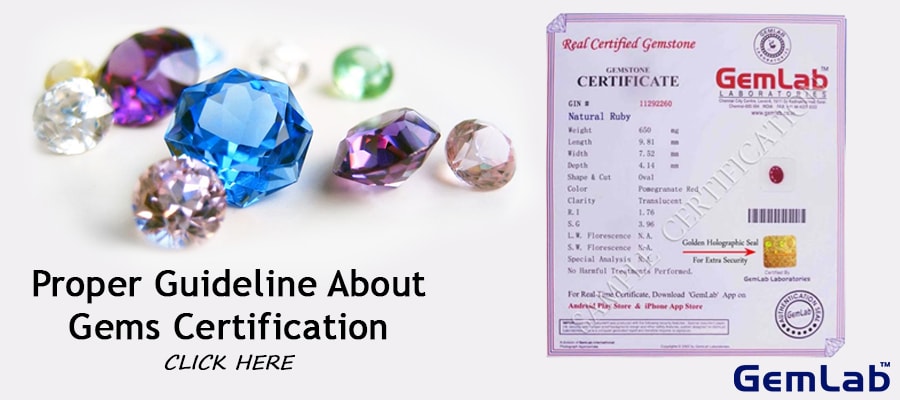
In an increasingly globalized market, acquiring gemstones from abroad has become a popular choice for many enthusiasts and investors seeking diversity and value. However, the allure of international purchases comes with significant risks, primarily surrounding the authenticity and quality verification of these precious stones. Proper certification emerges as the critical element that distinguishes genuine transactions from potential frauds, giving buyers confidence and protecting their investments. Ensuring that your gemstone purchase is backed by a respected certification not only validates its natural origin and specifications but also enhances resale value and insurability in an unpredictable market.
In brief: Proper gem certification is indispensable when buying gemstones abroad, offering assurance of authenticity and quality. Accreditation from renowned bodies such as GIA, IGI, and AGS ensures international standards compliance. Certification offers detailed insights into origin, cut, weight, and treatments, which are crucial for valuation and insurance. Verification of certificates is necessary to avoid common pitfalls like counterfeit documents or incomplete information. Selecting independently verified, certified gemstones safeguards against risks common in global transactions.
Ensuring Authenticity with International Gemstone Certification Standards
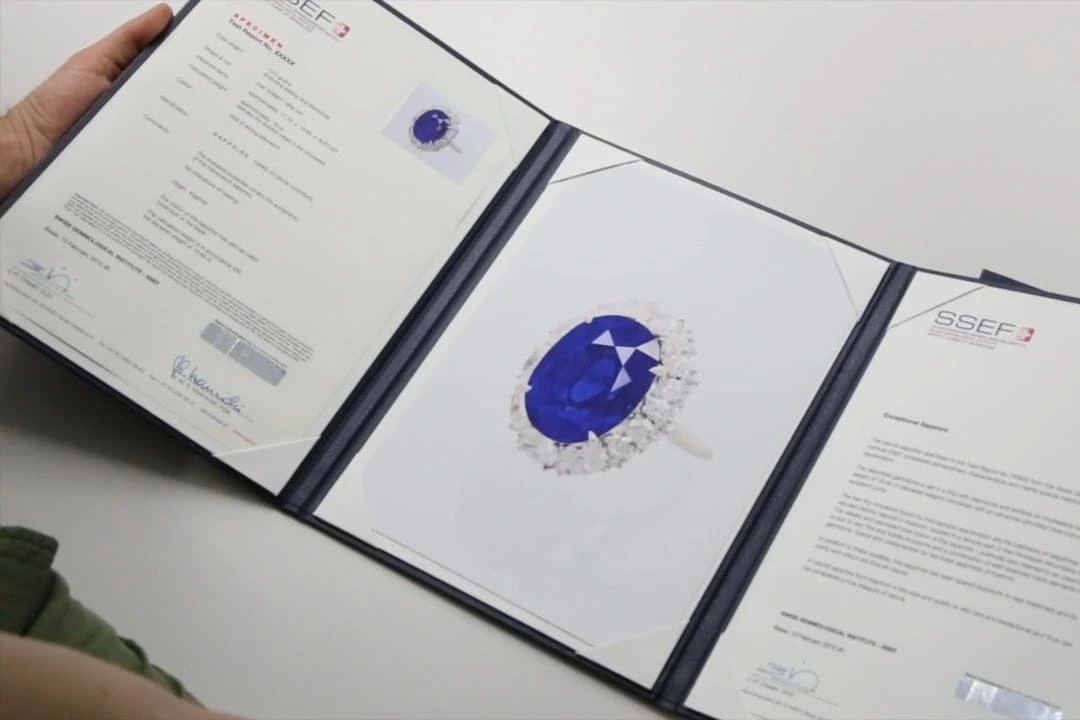
Purchasing gemstones abroad requires a rigorous approach to verifying authenticity, where proper certification is paramount. Leading global institutions, including the Gemological Institute of America (GIA), International Gemological Institute (IGI), and American Gem Society (AGS), provide certificates that adhere to stringent international norms. These certificates comprehensively detail a gemstone’s natural origin, cut quality, carat weight, color grading, and any treatments the stone might have undergone. When buyers access gems certified by laboratories like HRD Antwerp or Gemological Science International (GSI), they benefit from the credibility and impartiality these entities offer, which is especially crucial when navigating foreign markets where standards can vary widely. Detailed information on these certifications offers indispensable guidance for educated acquisitions.
Comprehensive Gemstone Details That Certification Offers
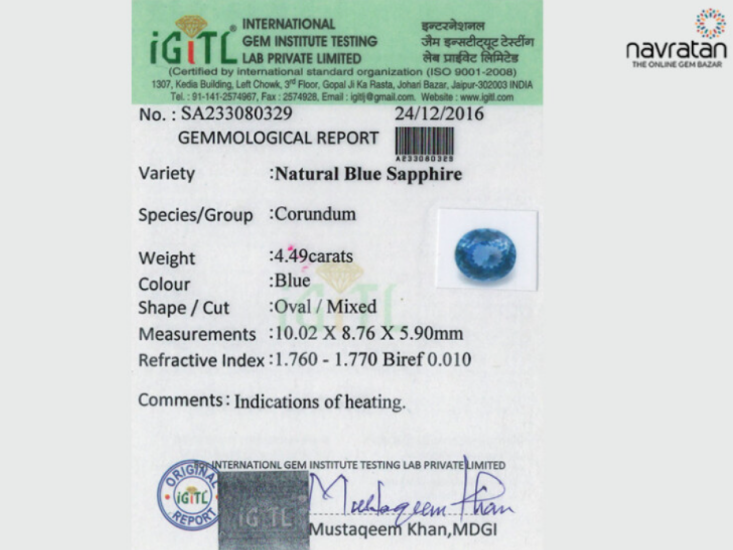
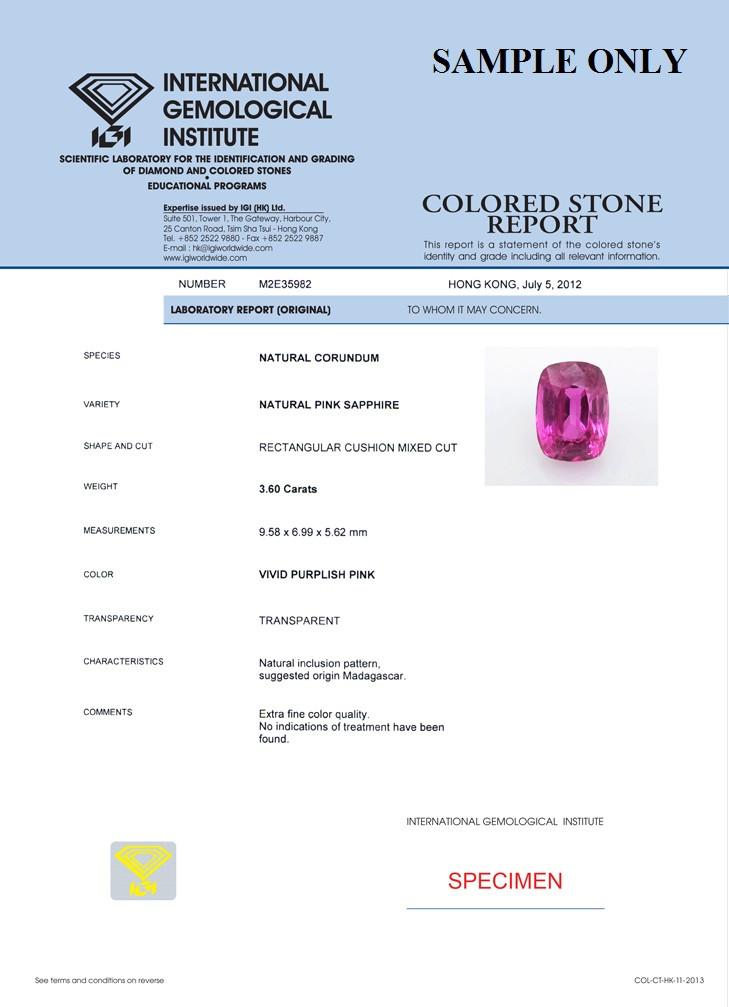
A gemstone certificate provides an in-depth analysis, clearly identifying if the gemstone is natural, synthetic, or treated. It extends to precise measurements, the stone’s clarity, color quality, transparency, specific gravity, and refractive index. Such data not only confirms authenticity but also informs buyers of the gemstone’s endurance and suitability for various jewelry applications. Ensuring that these certifying bodies disclose all necessary details, as emphasized by entities like the Gem Certification & Assurance Lab (GCAL) and the Jewellery Council of India, protects buyers from overpaying or unknowingly purchasing enhanced or synthetic stones disguised as natural ones. Learning to interpret gemstone certificates is a critical skill that every international buyer should develop.
Verification Processes and Avoiding Common Certification Pitfalls
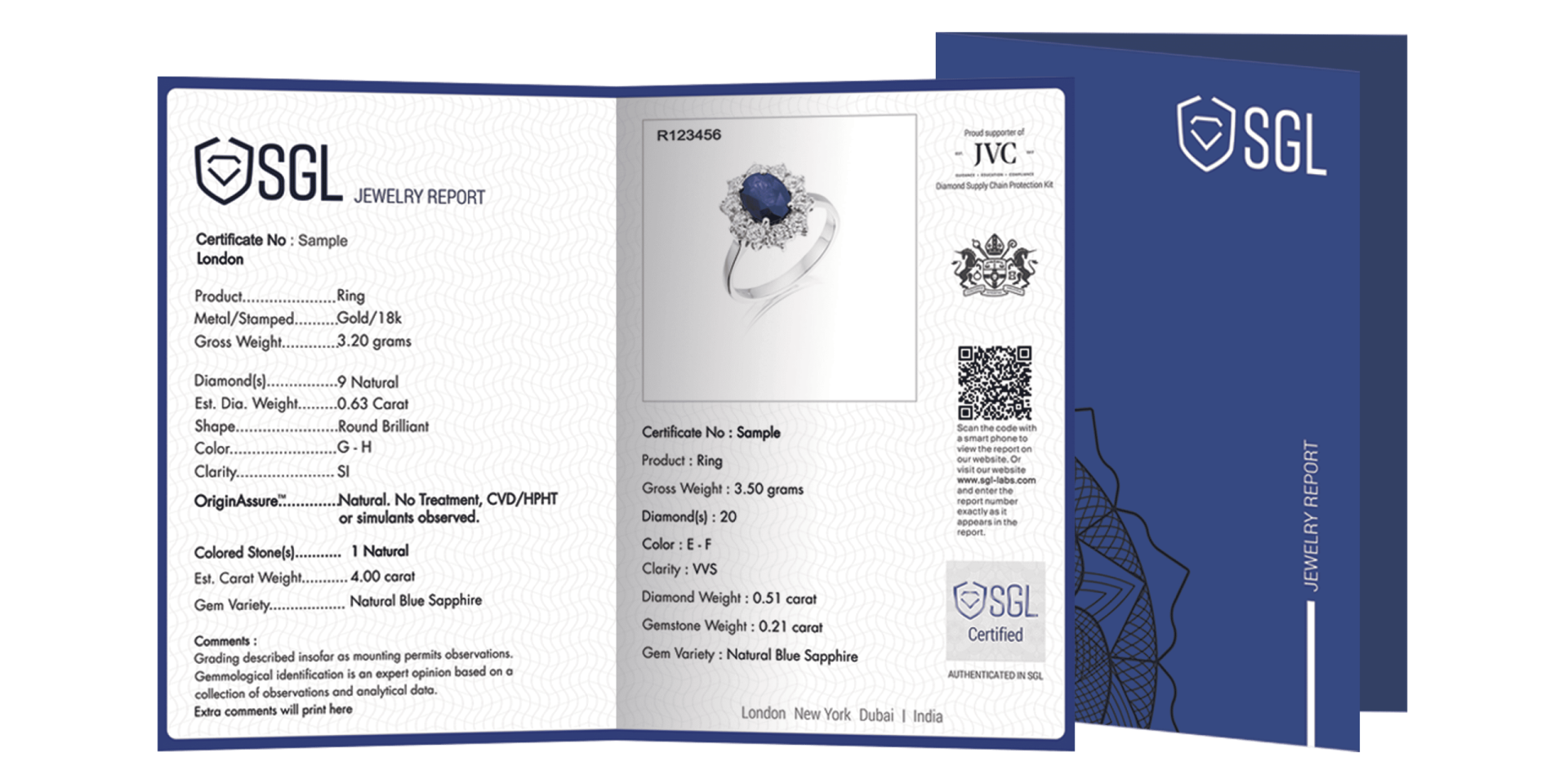
With the rise of sophisticated counterfeiting techniques in the gemstone market, verifying the authenticity of a gemstone certificate has become more important than ever. Buyers should always check the unique certification number against the databases of recognized laboratories to confirm legitimacy. Moreover, scrutiny of the issuing institution’s reputation—whether it be the Solitaire Gemmological Laboratories (SGL) or Gemfields—is essential. Verification must also involve cross-referencing the detailed descriptions on the certificate with the physical attributes of the gemstone, including carat weight, color, and any applied treatments or enhancements. Trusted verification processes help avoid falling for counterfeit certificates or misleading information.
It is important to distinguish between independent laboratory certifications and less reliable in-house certifications sometimes offered by jewelers. While the latter might provide convenience, independent assessment by reputable labs ensures greater impartiality and accuracy. Ultimately, fostering relationships with sellers who champion independent certification embodies best practices for confidence and transparency when purchasing gemstones internationally.
Protecting Your Investment Through Certification and Insurance
Secure certification doesn’t just facilitate confident purchasing; it plays a pivotal role in protecting gemstones through insurance. For gemstone owners, especially those with international acquisitions, insurance agencies like Jewelers Mutual require credible certification as a prerequisite for coverage. Certified documents help accurately appraise a gemstone’s value, ensuring proper insurance premiums and effective claims in events of damage or loss. Additionally, certification can influence premiums—such as discounted rates for gems housed securely at home—and inform decisions between blanket coverage for collections and individual item insurance. Insights on certification’s role in insurance reveal why this step is vital in safeguarding high-value stones.