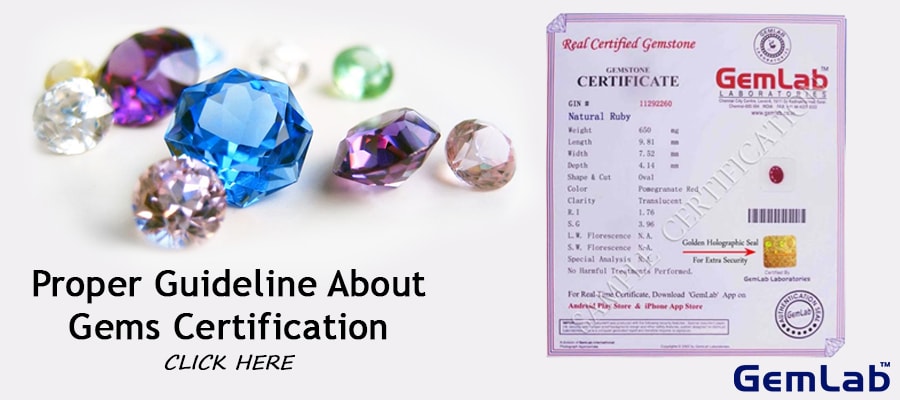
Investing in certified gemstones in 2025 offers a unique blend of tangible value and the allure of exquisite beauty, setting them apart from traditional financial assets. In a market where rarity and quality govern worth, certification has become an indispensable factor for buyers and sellers alike. Trusted organizations like GIA and IGI have established standardized grading systems that authenticate a stone’s provenance, color, clarity, and treatment history, empowering investors to make informed decisions with confidence. With luxury brands such as Cartier, Bvlgari, and Tiffany & Co. relying heavily on these certifications, the resale value and market trust of certified stones continue to rise. Moreover, auctions at esteemed houses like Sotheby’s and Christie’s showcase how certification enhances the liquidity and desirability of quality gemstones.
In brief: Certification transforms gemstones from mere luxury items to credible investment assets by verifying authenticity and quality. It safeguards buyers against fraud, enables accurate appraisal and insurance, and enhances resale value. Renowned institutions like GIA, IGI, and AGS uphold industry standards, while certification costs reflect the depth of analysis required. As the market evolves, a certified gemstone portfolio aligns with sophisticated investment strategies, blending aesthetics with financial prudence.
How Certification Elevates the Investment Value of Gemstones
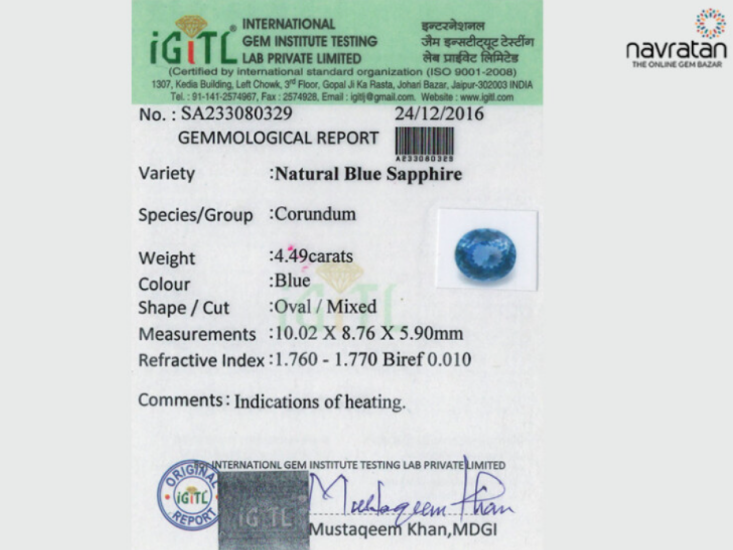
In the intricate world of gemstone investment, certification stands as a cornerstone for ensuring value and authenticity. Certified gemstones carry detailed documentation outlining their type, origin, color grade, clarity, and any treatments applied—a level of transparency that transforms opaque purchases into informed investments. For example, a ruby certified by GIA or IGI details its geographic origin and treatment history, critically affecting its market value. Without certification, investors risk overpaying or acquiring stones with undisclosed enhancements.
The global luxury market, championed by names like De Beers and Graff, increasingly depends on gemstone certification to maintain client trust and safeguard brand integrity. Certification therefore not only benefits individual investors but reinforces the entire supply chain’s credibility. Furthermore, certified gemstones benefit from increased liquidity, especially when auctioned through Sotheby’s or Christie’s, where provenance and documentation are prerequisites for entry and can significantly influence hammer prices.
Key Components of a Gemstone Certificate That Define Quality and Authenticity
A reputable gemstone certificate offers more than just proof of authenticity. It discloses in-depth information about the gem’s intrinsic properties, including:
- Type and origin: Pinpoints not only the species (such as sapphire or emerald) but also the geographic source, which can greatly enhance value—Kashmir sapphires and Colombian emeralds, for instance, command premium prices.
- Color grading: Evaluates hue, saturation, and tone; exceptional color uniformity and saturation increase desirability.
- Clarity ratings: Defines internal inclusions and surface blemishes impacting visual appeal and price.
- Treatment disclosures: Identifies enhancements like heating or irradiation that may reduce value compared to untreated stones.
- Precise measurements and cut style: Documents size proportions and craftsmanship, which influence brilliance and market appeal.
Investors can deepen their understanding by consulting resources like those provided in the comprehensive guides on reading gemstone certificates. Such knowledge is crucial for distinguishing high-quality stones in a crowded market.
Certification Institutes Driving Transparency and Trust in 2025
The rise of gemstone certification owes much to laboratories that emphasize impeccable standards and impartiality. Institutions such as the Gemological Institute of America (GIA), the International Gemological Institute (IGI), and the American Gem Society (AGS) serve distinct roles within the industry, but all share a commitment to comprehensive analysis and consumer protection.
GIA remains the benchmark for certification excellence, best known for pioneering the 4Cs grading system. Meanwhile, IGI prides itself on global accessibility and detailed grading reports tailored to diamonds and colored stones alike. AGS focuses intensely on cut quality and ethical standards. Investors considering gemstone purchases can explore their options through insightful comparative studies such as those found at gemstone certification agencies resources.
Importantly, investors should beware of certificates issued directly by retailers or uncertified labs, which may lack impartiality or rigorous analysis. Relying on certificates from independent third-party laboratories ensures protection against inflated claims and potential fraud.
Investment Implications: Insurance, Resale, and Market Confidence
A certified gemstone benefits from enhanced resale potential and smoother insurance claims. For high-value pieces, insurers often require certification to validate replacement costs, ensuring comprehensive coverage without disputes. Additionally, in resale markets or auctions hosted by Sotheby’s or Christie’s, exemplified by prominent jewelry houses like Tiffany & Co. and Bvlgari, certification confirms a gem’s pedigree, reassuring buyers and driving competitive pricing.
Such certificates also facilitate international transactions, providing transparency across borders and protecting investors from common pitfalls in the gemstone trade. The assurance of quality through certification is indispensable for collectors and investors aiming to build reliable, appreciating portfolios of certified gemstones.
Financial Considerations and Cost-Benefit of Gemstone Certification
While gemstone certifications provide invaluable insights, they come with varying costs typically ranging from $50 to several hundred dollars depending on the stone’s complexity and value. Higher-value or rare gemstones command more thorough and expensive testing. Despite this upfront expenditure, the investment in certification is minor compared to the value premiums certified stones achieve.
For investors looking to enter this market, understanding the balance between certification expenses and potential returns is critical. This is supported by detailed analyses on certification pricing and value creation documented by industry observers and available at sources like gem certification pricing guides. The credentials provided by trusted bodies like GIA and IGI often translate into higher market confidence and easier liquidation of assets.
The Role of Certification in Weeding Out Synthetic and Treated Stones
As laboratory-grown gems and innovative treatments become more prevalent, certification plays a pivotal role in maintaining market integrity. Detailed analysis helps distinguish naturally mined stones from synthetics or those that have undergone intensive enhancements. For example, identifying beryllium diffusion or HPHT-treated sapphires requires advanced testing only provided by established labs.
Buyers interested in investment-grade stones should consult educational material such as myths and realities around gemstone certification and tools for verifying gemstone authenticity to navigate pitfalls and ensure they invest in genuinely valuable gems. Protecting investments against counterfeit or misrepresented stones is essential for sustaining long-term portfolio appreciation.