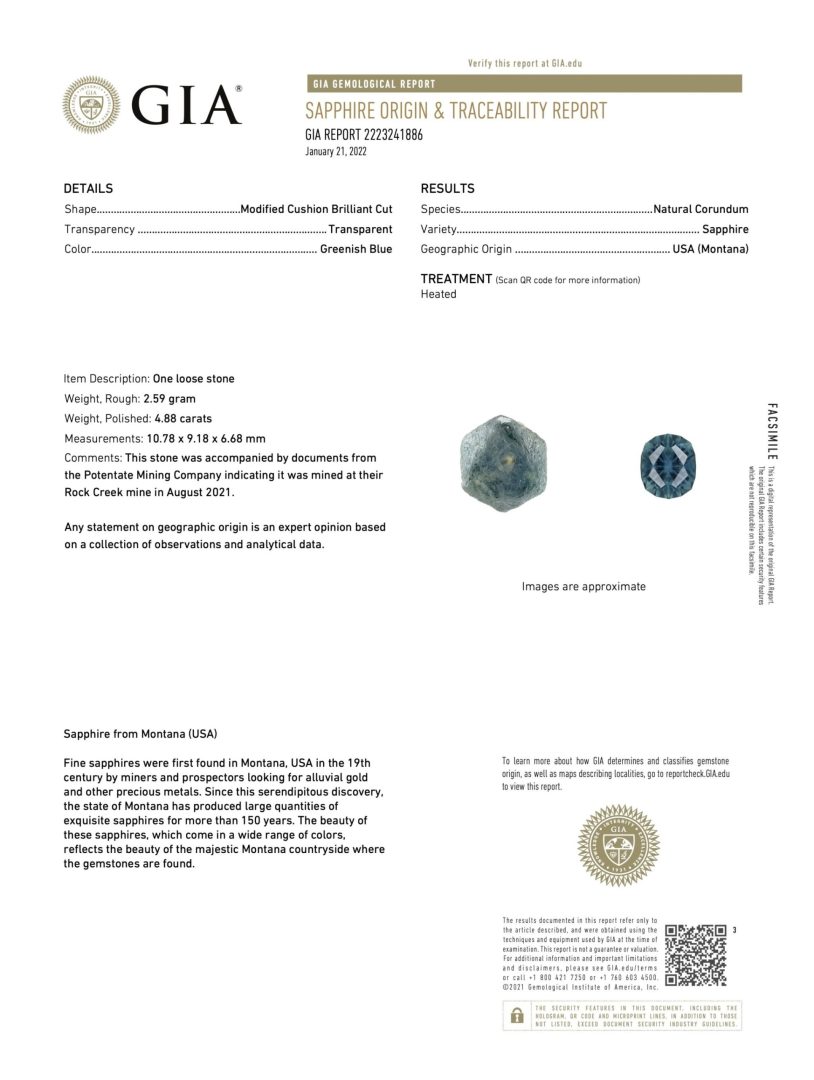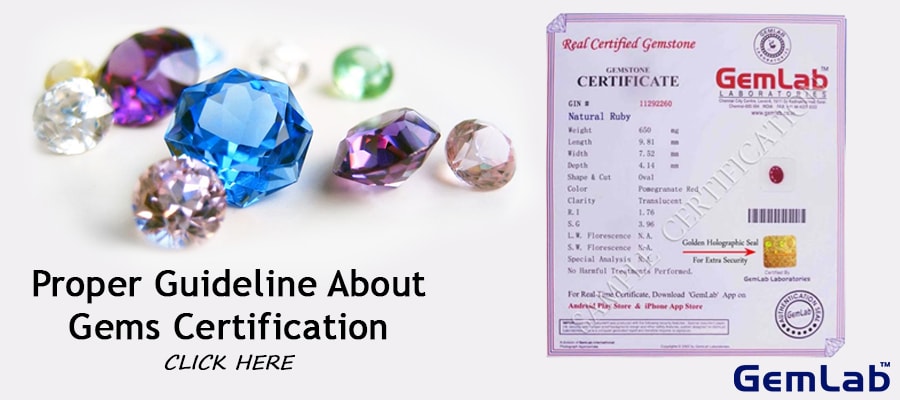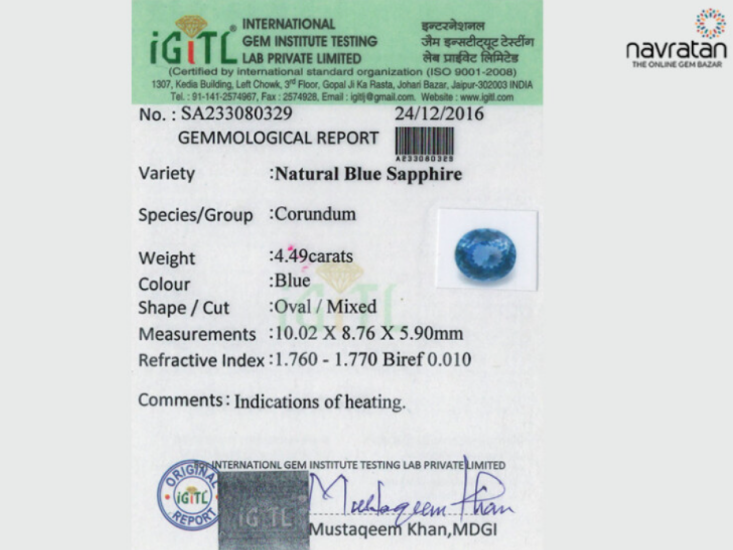
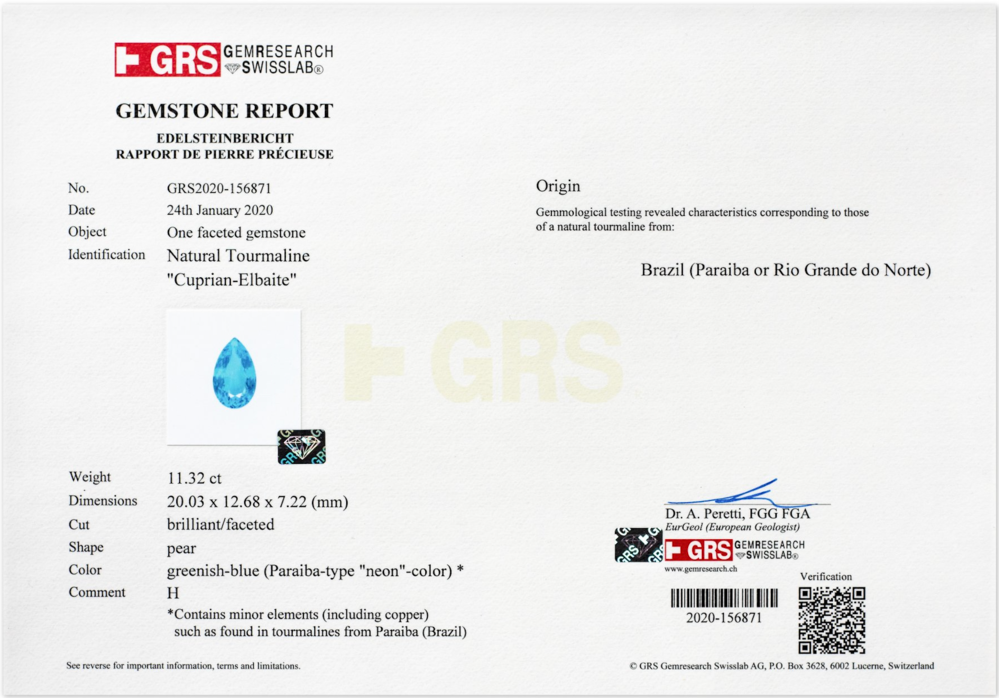
In the complex world of loose gemstones, certification stands as a crucial factor that deeply influences pricing, buyer confidence, and market dynamics. As of 2025, the gemstone market faces challenges ranging from synthetic substitutes to undisclosed treatments, making certification a non-negotiable tool for authenticity verification. Reputable certificates issued by leading laboratories such as GIA, IGI, and AGS not only assure consumers of the stone’s origin and quality but also significantly enhance its market value. Understanding how certification affects gemstone prices offers essential insight for investors, collectors, and jewelers alike, emphasizing the critical intersection of trust, transparency, and valuation in gemstone transactions.
En bref :
- Certification verifies authenticity, quality, and origin, directly impacting gemstone pricing.
- Stones certified by top labs like GIA or HRD Antwerp typically command a 20–30% price premium.
- Uncertified gemstones carry risks of synthetic substitutions and undisclosed treatments, often reducing resale value.
- Costs of certification vary widely based on lab reputation and the gemstone’s size and type.
- Certification instills market confidence and safeguards investments, crucial for both buyers and sellers.
Understanding the Critical Role of Certification in Gemstone Pricing
Certification acts as a formal validation of a gemstone’s authenticity and detailed characteristics, serving as a trusted intermediary between the buyer’s expectations and the seller’s declarations. This verification, conducted by internationally recognized laboratories such as Gubelin or NGTC, assures buyers that they receive a genuine stone, free from misrepresentations. In today’s market, where synthetic stones and undisclosed treatments are prevalent, this assurance directly correlates with higher prices. Buyers are more willing to pay a premium knowing the gemstone has been rigorously analyzed and authenticated. The influence of certification goes beyond mere trust; it affects pricing by providing clear, documented evidence of quality attributes such as color, clarity, cut, carat weight, and geographic origin, all pivotal determinants in gemstone valuation.

Reliable Certification Bodies and Their Market Impact
The credibility of the issuing gemological laboratory significantly affects the gemstone’s market price. Top-tier institutions like GIA, HRD Antwerp, and AGL offer comprehensive grading reports that are globally respected. Their certifications often lead to gemstones fetching a higher market value by 20–30%, compared to similar uncertified stones. For example, a 5-carat ruby certified by GIA, confirming its Burmese origin and untreated status, can command a substantial premium, reflecting buyers’ trust in the precise grading and ethical sourcing. Conversely, laboratories with less rigorous standards or unclear reputations, such as EGL or some lower-cost providers, can result in certificates that do not significantly improve or may even detract from perceived value. Detailed explanations on differentiating authentic certificates from questionable ones are essential; resources like spot fake gemstone certificates can guide buyers in avoiding costly mistakes.
While certification costs typically range from $35 to over $300 depending on the gemstone size, type, and report complexity, investing in a certificate from prestigious labs ensures a higher resale value and reduces investment risk for collectors and jewelers. Supplementary insights can be gained from comparisons of certification standards among top labs.
Certification as a Premium Enhancer for Gemstone Valuation
The presence of a certificate typically bestows a competitive edge that elevates a gemstone’s market price. Certification functions as an objective measure of value, distinctly outlining a stone’s four critical attributes—color, clarity, cut, and carat weight—along with treatment disclosures and origin verification. This transparency is invaluable in supporting a gemstone’s premium status. For example, a laboratory-certified emerald from Colombia’s renowned deposits achieves higher demand and pricing due to authenticated origin and untreated status.
As supporting evidence, a GIA-certified Burmese sapphire may attract a 20–30% premium over an uncertified stone of visually similar quality. Buyers consider certification essential for mitigating risks associated with hidden enhancements or synthetic imitations. This phenomenon is detailed further in specialized guides such as the gemstone certification guide.
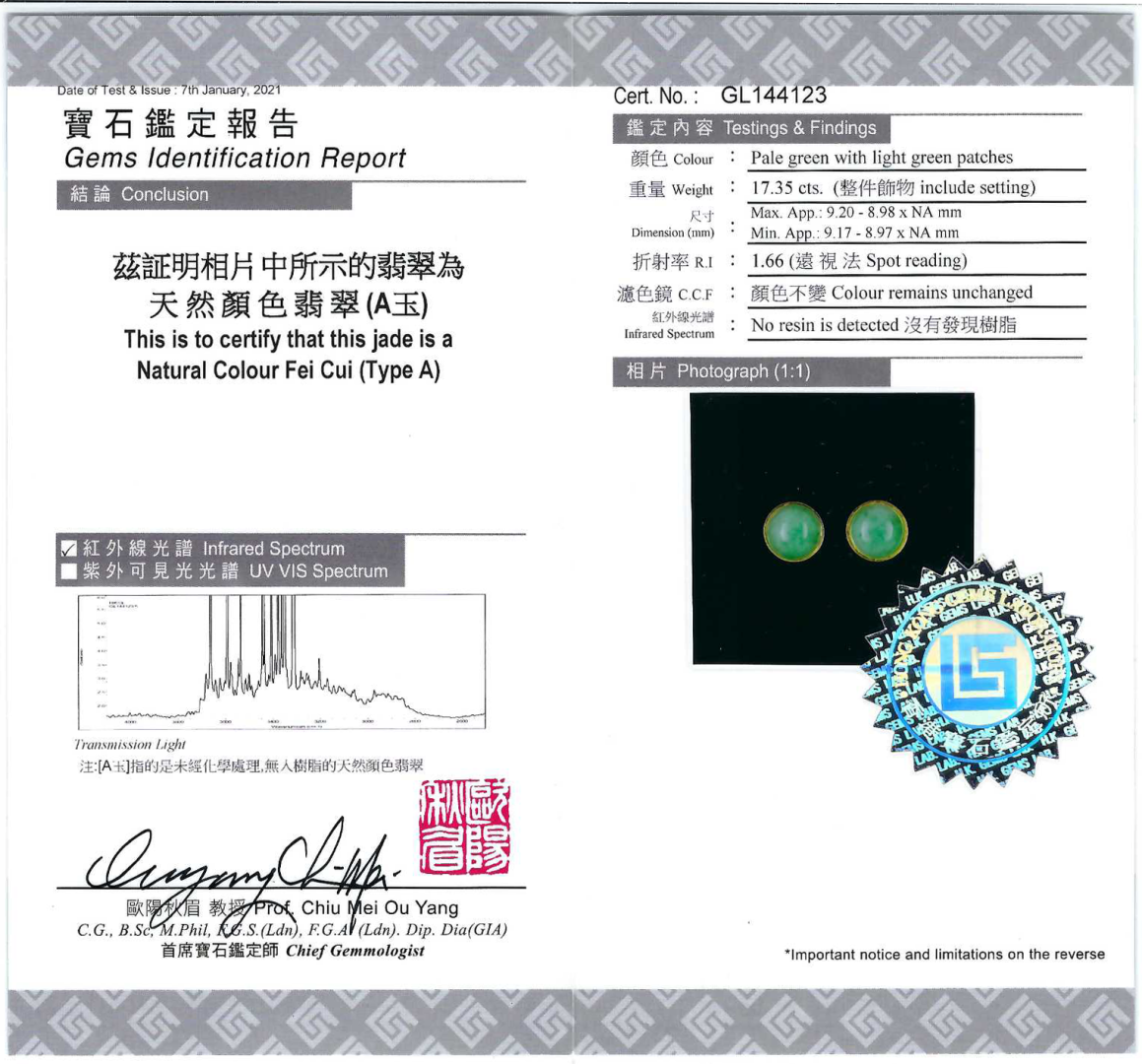
Avoiding Pitfalls: The Risks of Purchasing Uncertified Gemstones
Purchasing gemstones without certification introduces considerable hazards. The gemstone market is rife with undisclosed treatments like heating or fracture-filling, which can drastically alter a stone’s appearance but generally lower its price and long-term value. Moreover, synthetic gems or simulants masquerading as natural stones are widespread, particularly with less visible materials like rubies or sapphires. Lack of certification leads to uncertain authenticity and, consequently, diminished resale value.
Legal cases have surfaced as late as 2023 highlighting the consequences of selling treated stones as untreated, underscoring the need for buyers to insist on transparent certifications. For those navigating this complex landscape, tools and advice on recognizing genuine versus uncertified stones are accessible via resources including certified vs uncertified gemstones.
Practical Recommendations for Securing Certified Gemstones
Ensuring a gemstone comes with a legitimate, detailed certificate is imperative to secure its genuine value. Buyers should prioritize certificates from respected and established laboratories such as SGL, GRS, or DSEF, known for their rigorous analysis and transparent reporting. Verification that the report corresponds exactly to the physical characteristics of the stone is essential to avoid fraud or errors. It is advisable to retain the certification documentation for future appraisals, resale, or insurance claims.
Gemstone retailers who emphasize certification tend to build greater trust among clientele, ensuring repeat business driven by confidence in authenticity and quality. Selecting vendors certified by recognized institutions or following detailed advice in choosing certified gemstone retailer can further protect buyers from deceptive practices.