
When considering the certification of your existing gemstones, it’s essential to recognize the role such certificates play in verifying their authenticity, quality, and value. In the evolving gemstone market of 2025, obtaining professional certification has become not only a mark of trust but also a tool that helps safeguard buyer interests and enhance resale value. While diamond certification through GIA has long been well-established, the landscape for colored gemstones involves multiple reputable laboratories, each offering varying expertise and focus areas.
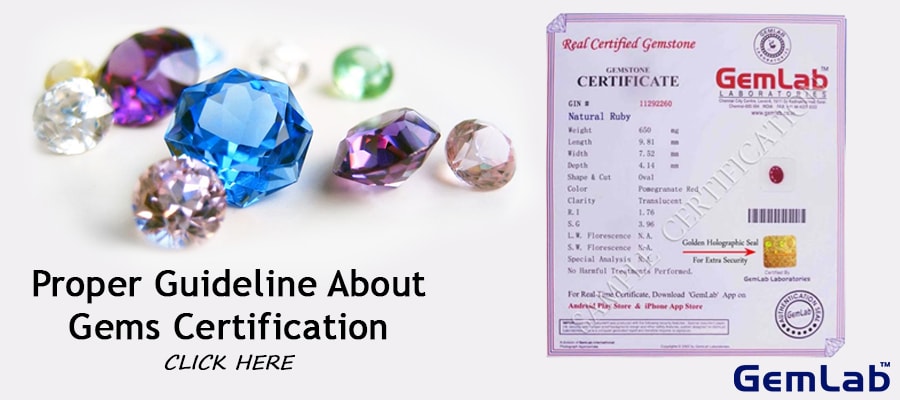
Gemstone certification acts much like a gem’s official identity record, providing detailed information about the stone’s type, origin, color grade, clarity, and any enhancements it may have undergone. Trusted labs such as GIA, IGI, AGS, SSEF, HRD Antwerp, and Gemological Science International have become pivotal in guiding collectors and sellers alike toward standards that underpin transparency and quality assurance. Through this certification, buyers gain the confidence needed to make informed decisions, while sellers can substantiate the value and authenticity of their gems, a critical advantage in today’s competitive jewelry market.
En bref :
- Certification confirms gemstone authenticity and quality, essential for trust in buying and selling.
- Reputable labs like GIA, IGI, AGS, and HRD Antwerp provide standardized, professional reports.
- Reports include vital details: gem type, origin, color, clarity, measurements, and treatment history.
- Certification can enhance marketability, insure the gemstone accurately, and assist with appraisals.
- Costs vary broadly, reflecting the gemstone’s quality and the certifying laboratory’s thoroughness.
Understanding Gemstone Certification for Existing Gems
Many gemstone owners assume certification only applies when purchasing new gems; however, certifying existing gemstones is equally valuable. It aids in establishing an official verification of a stone’s identity and condition, which becomes crucial for insurance, resale, or appraisal purposes. The process essentially involves submitting your gemstone to a qualified gemological laboratory, where experienced gemologists assess its intrinsic characteristics using advanced tools such as a refractometer, spectroscope, and microscope.
During evaluation, factors like color—analyzed through hue, tone, and saturation—clarity ratings such as FL (flawless) to I (included), and any enhancements like heating or irradiation are documented. Identifying the precise origin through inclusions tracing can add notable value, as stones from renowned locations are often sought after by collectors.
Recognizing the differences among certification providers is vital. Laboratories such as GIA, IGI, and AGS are synonymous with rigorous standards, while entities like HRD Antwerp and SSEF specialize in high-end colored gemstones and luxurious Swiss precision. Selecting the right lab aligns your certification goals with the type and quality of your gemstone.

Step-by-Step Guide to Certifying Your Existing Gemstones
Certifying your gemstones involves a series of clear steps. Begin by identifying certified laboratories that offer services tailored to your gemstone type and budget. After selecting a lab, you will submit your gems either by mail or in person. Once received, the gemologists employ a combination of scientific techniques and analytical tools to determine the authenticity, quality, and treatment history of your stones. This may take several days to a few weeks depending on the lab’s workload and the complexity of the analysis.
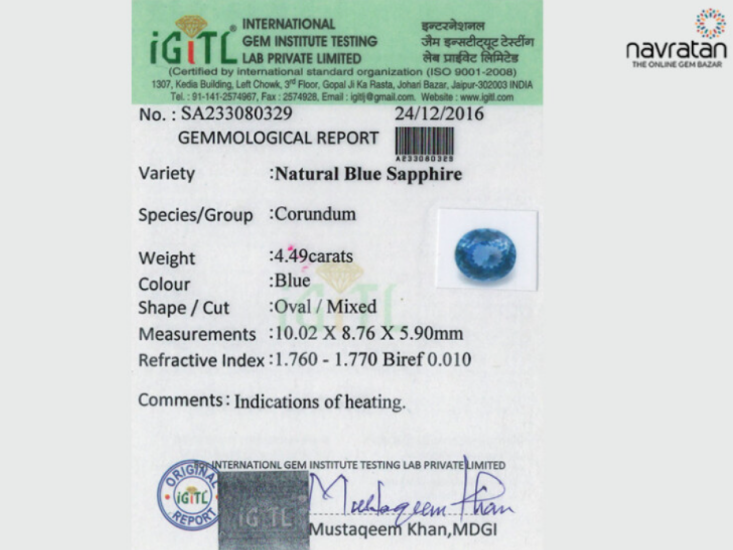
Upon completion, the laboratory issues a detailed report or certificate which outlines all relevant information such as dimensions, shape, cut style, clarity grading, color specifics, origin, and any enhancements identified. This certificate serves multiple purposes, including enhancing resale value, proving authenticity during theft claims, and lending credibility when obtaining insurance.
Among the global players, GemCertify and Gubelin Gem Lab are well-regarded for precision and comprehensive reports on colored gemstones. Independent certificates issued by these labs hold significant weight compared to retailer-issued documents, which can sometimes be biased or less exhaustive in detail.
Why Certification Is a Strategic Investment for Your Gems
Securing a certification for your gemstones transcends mere validation; it strategically positions your assets in the jewelry market. Certified stones appeal more to discerning buyers, facilitating transparent transactions and often commanding higher prices. For sellers, certificates bolster trust and reduce disputes about gemstone authenticity.
Furthermore, insurance companies typically require certification to adequately assess risk and provide precise coverage tailored to your gemstone’s true market value. This aspect is crucial when protecting rare or high-value stones, where documentation ensures swift claim settlements in case of loss or damage.
In parallel, the ethical dimension of certification brings clarity to an increasingly conscientious market. Labs like Gemological Science International emphasize transparency regarding treatments and origin, empowering consumers to make responsible choices. This growing trend highlights how certification is not only a financial safeguard but also an endorsement of ethical standards in the gemstone industry.

Cost Considerations and Choosing the Right Laboratory
While gemstone certification is invaluable, it comes at a cost which can vary significantly. Factors influencing price include the stone’s size, type, rarity, and whether advanced testing methods are required. Typically, fees range from $50 to several hundred dollars, reflecting the depth of analysis and the prominence of the certifying lab.
Choosing the right laboratory involves balancing affordability with reliability. Prestigious labs such as GIA and EGL USA offer unparalleled industry recognition but may incur higher fees. Conversely, labs like BGS Laboratories provide credible reports at a competitive price point, particularly for smaller gemstones or less complex stones.
Ultimately, investing in certification from a reputable, independent lab guards against potential misrepresentation and enhances your gemstone’s market standing—a prudent move for owners looking to protect or capitalize on their precious assets.