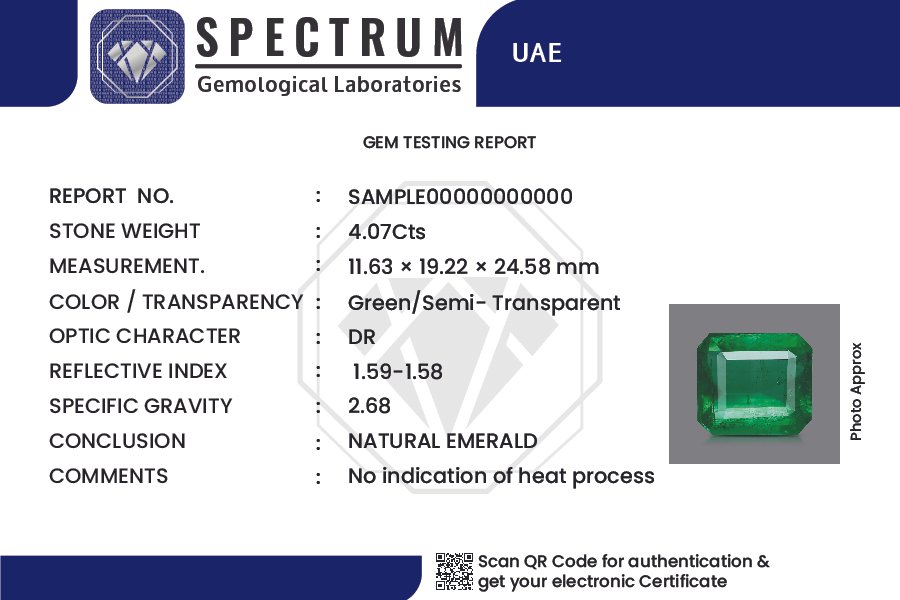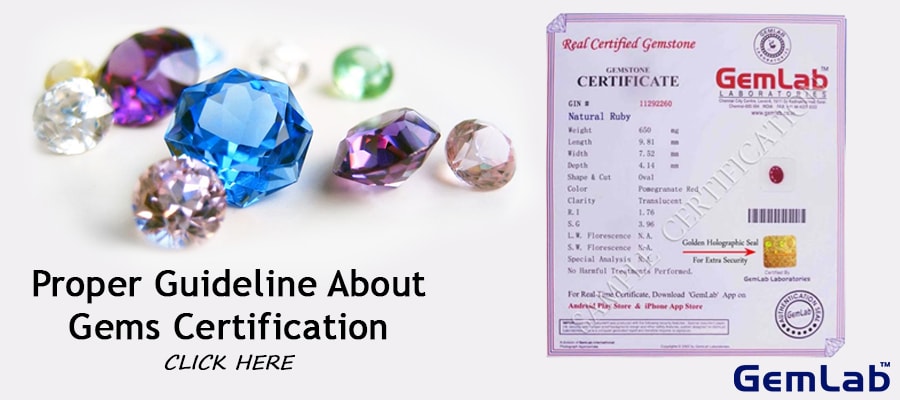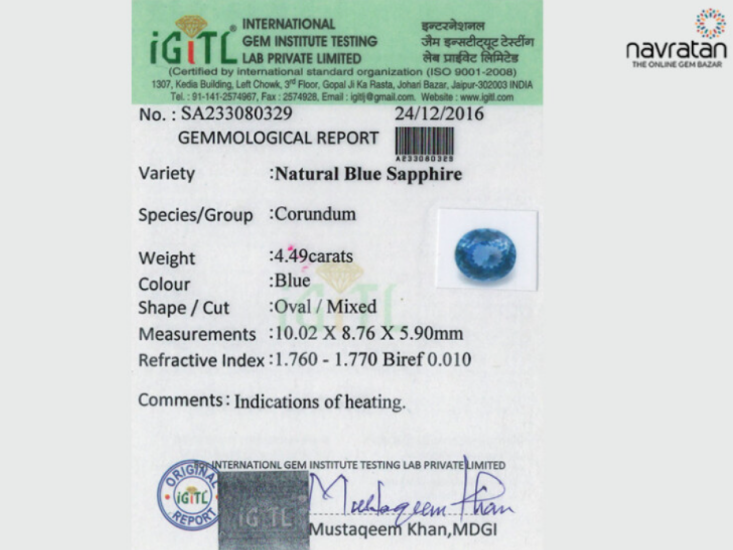
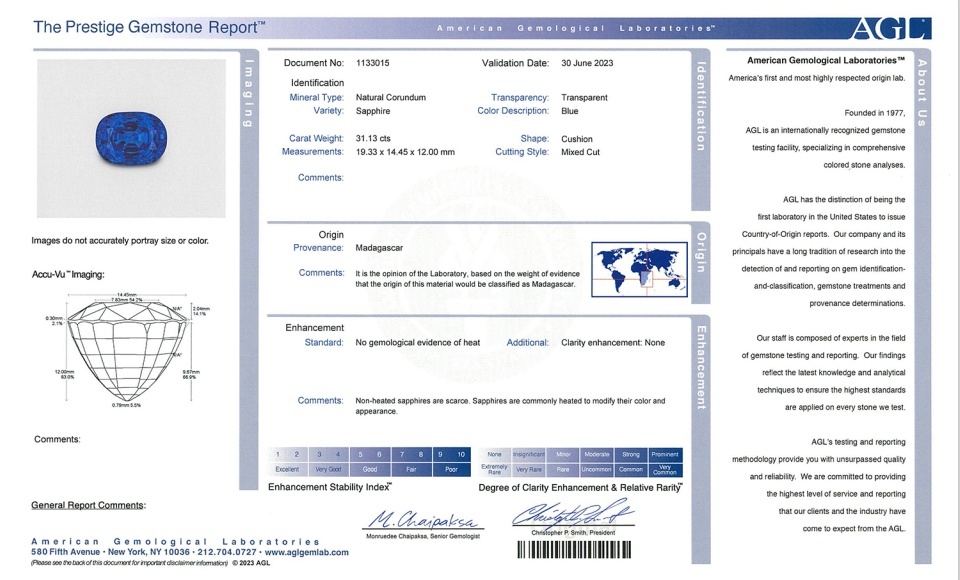
In the intricate world of loose gemstones, certification has emerged as a vital instrument ensuring ethics and authenticity in purchases. As consumers become increasingly aware of the social and environmental impacts tied to gemstone sourcing, the role of certification transcends mere quality assessment. It now embodies a commitment to transparency, fair labor practices, and ecological mindfulness. Within this context, certification not only verifies a gemstone’s physical attributes but also confirms its adherence to ethical standards established by leading organizations such as the Responsible Jewellery Council and the Kimberley Process Certification Scheme. This heightened scrutiny is crucial, given the prevalence of synthetic stones, undisclosed treatments, and, historically, conflict gems in the market. The value of certification as a trust bridge between buyers and sellers is more pronounced than ever, especially in 2025 where consumers demand accountability and traceability throughout the supply chain.
Certification thereby serves as a safeguard against misrepresentation and supports sustainable practices endorsed by entities like Fairtrade Gold and the Alliance for Responsible Mining. The evolution of gemstone certification reflects an industry-wide shift toward integrating ethical considerations with traditional quality metrics—color, clarity, cut, and carat weight. Certified stones assure buyers not only of authenticity and superior quality but also that their acquisition aligns with socially responsible sourcing protocols supported by organizations such as Transparency International and SCS Global Services. As the gemstone trade continues to evolve, understanding the multifaceted role of certification equips consumers with the knowledge to make informed, ethical decisions.
In brief:
- Certification confirms the authenticity and quality of gemstones while verifying ethically responsible sourcing practices.
- Recognized bodies like Gemological Institute of America and International Colored Gemstone Association provide trusted certifications.
- Certified gemstones often carry higher market value due to transparency and consumer confidence.
- Buyers should prioritize documentation from reputable labs and retain certificates for appraisal and resale.
- Organizations such as the Responsible Jewellery Council and Kimberley Process Certification Scheme underpin standardized ethical compliance in gemstone sourcing.
How Certification Ensures Transparency and Trust in Ethical Gemstone Buying
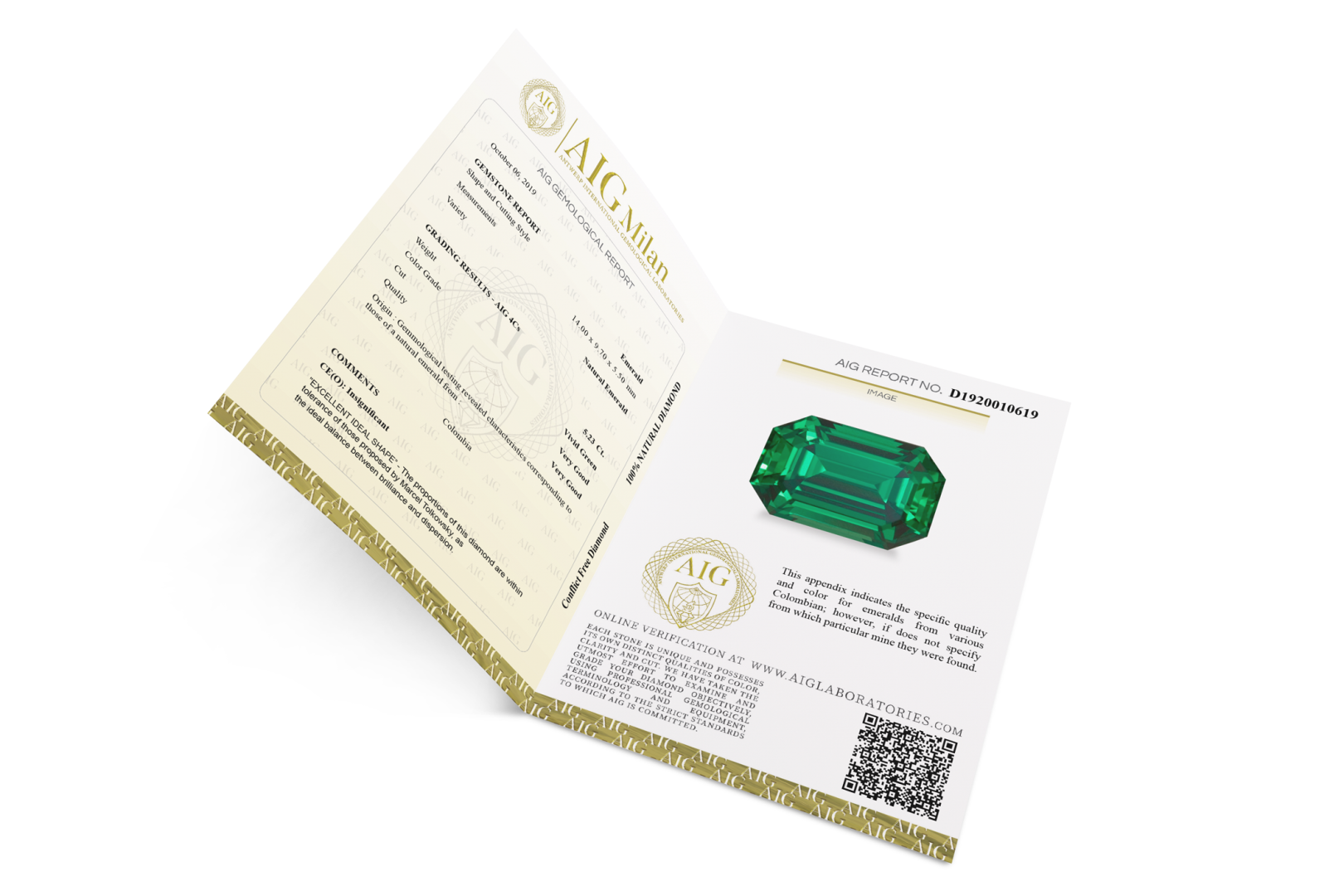
At the core of ethical gemstone buying lies certification—a formal attestation from respected gemological laboratories that verifies a gemstone’s identity and origin. This document ensures buyers receive accurate information on both the physical characteristics and the ethical provenance of stones. Without certification, consumers risk unknowingly purchasing synthetic or treated gems marketed as natural, undermining both their financial investments and ethical intentions. For instance, a Burmese ruby certified by the Gemological Institute of America carries authoritative weight, guaranteeing color, clarity, cut, and origin, which directly impacts its market valuation.
Certification also plays a pivotal role in combating illicit practices within the industry. The Kimberley Process Certification Scheme ensures diamonds are conflict-free, providing assurance against financing armed conflict. Likewise, certifications linked with Fairtrade Gold and Alliance for Responsible Mining promote ethical labor conditions and environmental stewardship in gold and gemstone extraction.
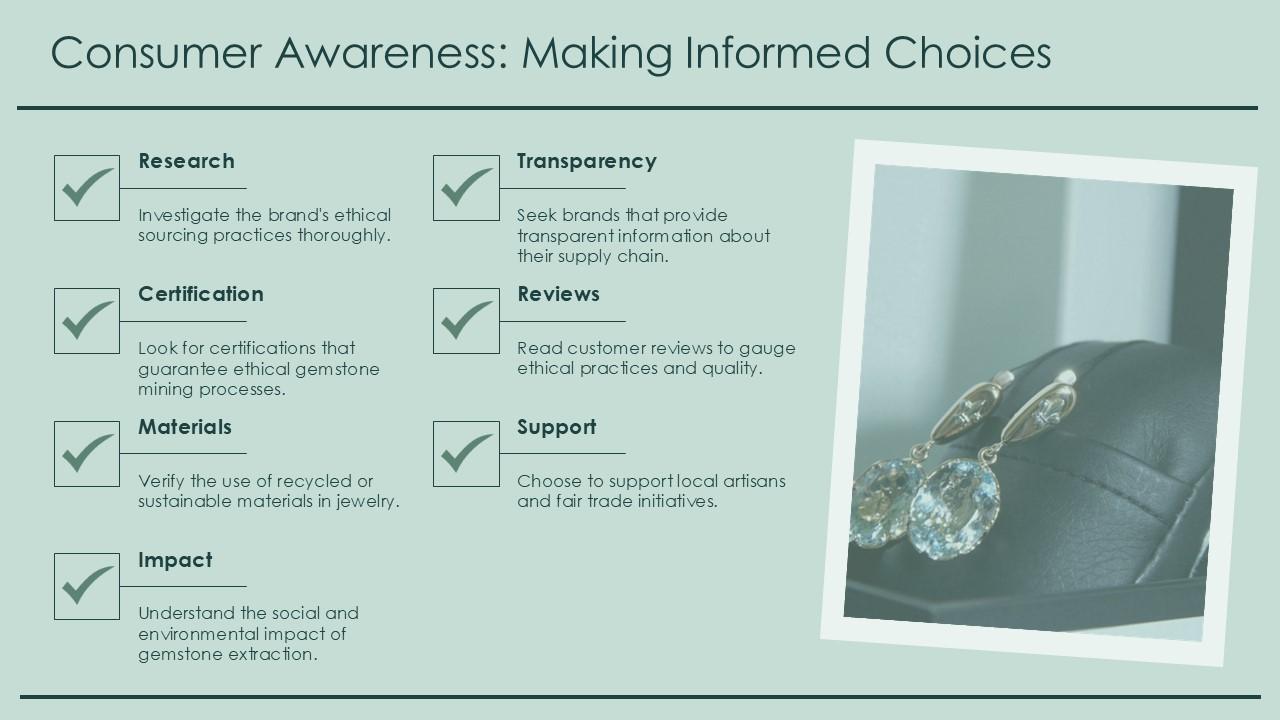
Distinguishing Reputable Certification Bodies and Their Impact
While certification is indispensable, its effectiveness depends on the credibility of the issuing laboratories. Renowned entities such as the Gemological Institute of America, the International Colored Gemstone Association, and SCS Global Services have established rigorous standards encompassing both gem quality and ethical sourcing. Choosing gemstones certified by these organizations elevates buyer confidence and authenticity. Moreover, understanding how to differentiate genuine certificates from fraudulent ones is critical; resources like gemstone certificate authentication guides are invaluable in this respect.
Beyond verifying physical characteristics, credible certification agencies emphasize origin transparency and environmental impact assessments. This emphasis reflects shifting consumer priorities and bolsters market value, as certified ethical gemstones frequently command premium prices.
Certification’s Role in Safeguarding Investment and Ethical Integrity
Investors and collectors recognize that certification protects their financial interests by providing documented proof of a gemstone’s attributes, which is paramount when reselling or appraising stones. Documented certification from trusted laboratories such as the American International GemLab enhances liquidity and price stability in the secondary market. Additionally, certification underpins ethical integrity by aligning purchases with global standards advocated by organizations like the Responsible Jewellery Council, ensuring gemstones are sourced respecting human rights and minimizing environmental harm.
Cases of fraudulent marketing, such as selling treated emeralds as untreated, underscore the necessity of stringent certification protocols. The rise in consumer awareness in 2025 has led to increased regulatory enforcement and higher demand for conflict-free and responsibly sourced diamonds and colored stones, as highlighted by the popularity of Certified Conflict-Free Diamonds.
Practical Guidance for Ethical Gemstone Buyers in 2025
For consumers aiming to purchase gemstones ethically, prioritizing certification from recognized laboratories is essential. Buyers should meticulously review certification details to confirm consistency with the stone’s characteristics and inquire about disclosed treatments or enhancements. Retaining certification documents safeguards future resale or appraisal transactions, reinforcing investment value and ethical provenance.
Engaging with jewelers and traders committed to transparency and affiliations with organizations like the Responsible Jewellery Council fosters trust. Buyers who educate themselves through comprehensive resources such as the reasons certification matters and key questions before buying gemstones can navigate the market confidently and contribute to sustainable industry practices.